
1. Introduction
This manual provides comprehensive instructions for the installation, operation, and maintenance of your Generic 10KW Vertical Axis Wind Turbine Generator. Designed for high efficiency and reliability, this system is suitable for various applications including residential homes, farms, RVs, and boats, offering a sustainable solution for your energy needs. Please read this manual thoroughly before installation and operation to ensure safe and optimal performance.
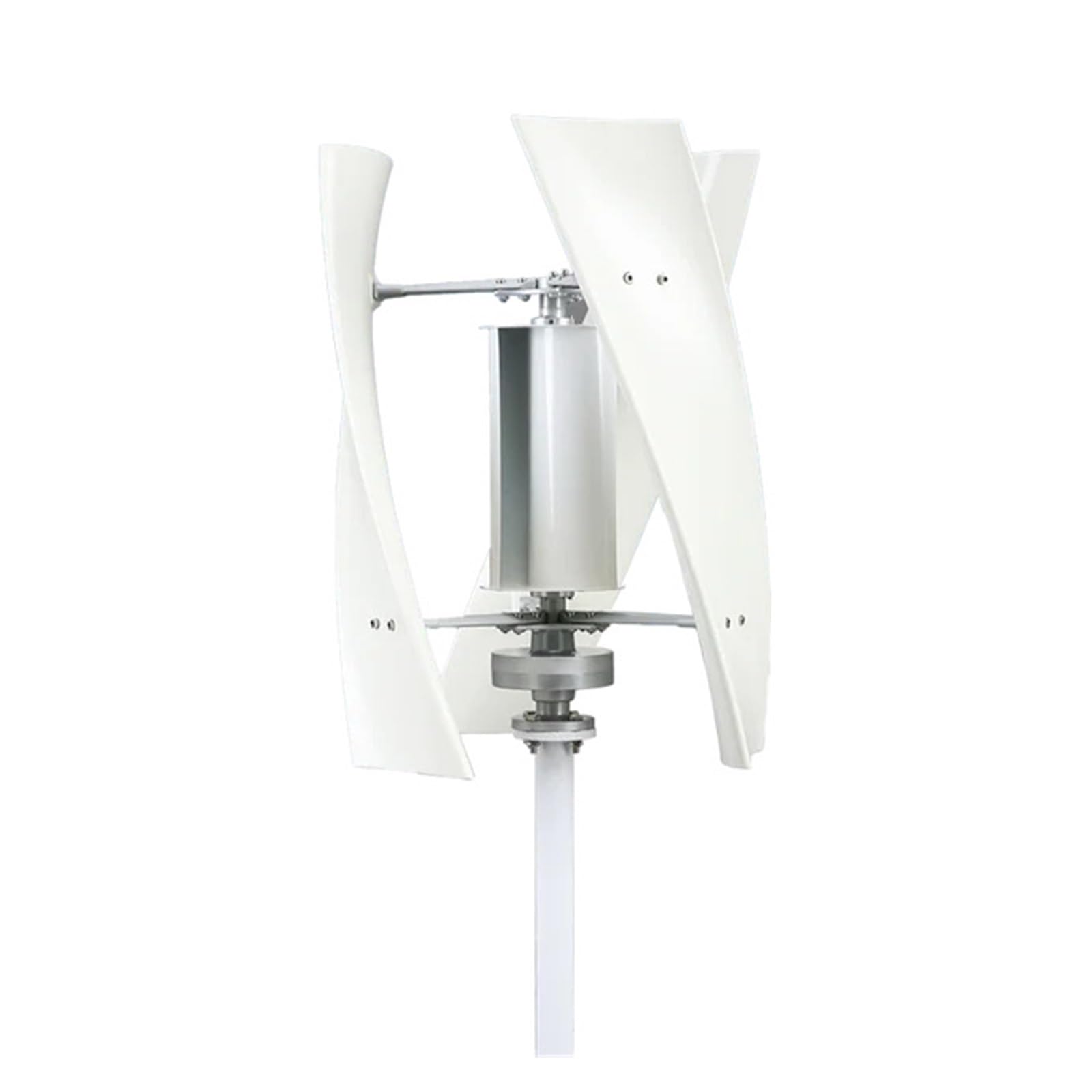
Figure 1: Generic 10KW Vertical Axis Wind Turbine Generator (Model 48V_10000W)
2. Safety Information
Warning: Failure to follow these safety instructions may result in serious injury, death, or property damage.
- Always wear appropriate personal protective equipment (PPE) during installation and maintenance.
- Ensure the turbine is installed by qualified personnel or under professional supervision.
- Disconnect all power sources before performing any maintenance or inspection.
- Do not operate the turbine in extreme weather conditions beyond its specified limits.
- Keep children and unauthorized personnel away from the turbine installation area.
- Proper grounding is essential to prevent electrical hazards.
- Consult local building codes and regulations before installation.
3. Product Features
- Durable Iron Shaft: Designed for reliable performance in various weather conditions, ensuring longevity and stability.
- Efficient Energy Conversion: Features a low start-up wind speed of just 2 m/s, effectively capturing natural wind power.
- Durable Glass Fiber Blades: Equipped with 3 robust glass fiber blades to maximize energy output and ensure long-lasting performance.
- Advanced Magnet Technology: Utilizes NdFeB magnets for high-performance power generation, efficiently converting wind energy into electrical energy.
- Easy Installation: Designed for straightforward setup without requiring a complex mounting base, suitable for DIY enthusiasts.

Figure 2: Vertical Wind Turbine with MPPT Controller for efficient power management.
4. Setup and Installation
The Generic Vertical Axis Wind Turbine is designed for relatively easy installation. However, professional assistance is recommended for optimal safety and performance.
4.1 Site Selection
- Choose a location with consistent and unobstructed wind flow. Avoid areas with significant turbulence caused by buildings or trees.
- Ensure the site is accessible for installation and future maintenance.
- Consider proximity to the battery bank or inverter to minimize cable loss.
4.2 Mounting the Turbine
- Securely mount the turbine pole or tower to a stable foundation. The design allows for installation without a complex mounting base, but a robust support structure is crucial.
- Assemble the turbine blades and rotor hub according to the provided diagrams. Ensure all bolts are tightened to the specified torque.
- Carefully lift and attach the assembled turbine to the top of the pole/tower. Use appropriate lifting equipment and safety harnesses.

Figure 3: Example of a Vertical Axis Wind Turbine installed on a rooftop.
4.3 Electrical Connections
- Connect the turbine's output cables to the charge controller. Ensure correct polarity.
- Connect the charge controller to your battery bank (12V, 24V, 48V, or 96V system, depending on your model).
- Connect the battery bank to your inverter (if applicable) to convert DC power to AC for household use.
- Install appropriate circuit breakers and fuses for overcurrent protection.
- Ensure all electrical connections are secure and weatherproof.

Figure 4: Close-up view of the turbine's robust base and mounting hardware.
5. Operating Instructions
Once installed and connected, the wind turbine operates automatically, converting wind energy into electrical power to charge your battery bank.
- Initial Start-up: After installation, ensure all connections are secure. The turbine will begin rotating and generating power once wind speeds reach the low start-up threshold (2 m/s).
- Monitoring: Regularly monitor the charge controller display (if equipped) to check charging status, battery voltage, and power output.
- System Protection: The charge controller will manage battery charging and protect against overcharging and over-discharging.
- Shutdown: In extreme weather conditions or for maintenance, use the emergency stop switch (if available) or disconnect the turbine from the charge controller.
6. Maintenance
Regular maintenance ensures the longevity and efficient operation of your wind turbine.
- Monthly:
- Visually inspect blades for any damage, cracks, or debris accumulation.
- Check all visible bolts and connections for tightness.
- Monitor battery bank health and charge levels.
- Quarterly:
- Inspect the main shaft and bearings for any signs of wear or unusual noise.
- Clean the turbine blades if excessive dirt or grime has accumulated, which can affect efficiency.
- Check electrical wiring for fraying, corrosion, or loose connections.
- Annually:
- Perform a thorough inspection of the entire system, including the tower/pole, foundation, and all electrical components.
- Lubricate moving parts as recommended by the manufacturer (if applicable).
- Verify the charge controller's settings and functionality.
Important: Always disconnect power before performing any maintenance. If you are unsure about any maintenance procedure, consult a qualified technician.
7. Troubleshooting
| Problem | Possible Cause | Solution |
|---|---|---|
| Turbine not rotating | Insufficient wind speed; Brake engaged; Obstruction; Bearing issue | Check wind speed; Disengage brake; Remove obstruction; Inspect bearings for damage. |
| No power output | Loose electrical connections; Faulty charge controller; Damaged wiring; Low wind speed | Check all connections; Test charge controller; Inspect wiring; Ensure adequate wind. |
| Low power output | Dirty or damaged blades; Inefficient wind site; Battery issues; Controller settings | Clean/inspect blades; Re-evaluate site; Check battery health; Verify controller settings. |
| Unusual noise or vibration | Loose components; Bearing wear; Blade imbalance; Obstruction | Tighten all fasteners; Inspect/replace bearings; Check blade balance; Remove obstructions. |
If you encounter issues not listed here or if solutions do not resolve the problem, please contact customer support.
8. Specifications
| Feature | Detail |
|---|---|
| Model | 48V_10000W |
| Rated Power | 10KW (10000W) |
| System Voltage Options | 12V, 24V, 48V, 96V (depending on variant) |
| Start-up Wind Speed | 2 m/s |
| Blade Material | Durable Glass Fiber |
| Shaft Material | Iron |
| Magnet Technology | NdFeB |
| Item Weight | 2.2 pounds (Note: This weight seems unusually low for a 10KW turbine and might refer to a component or be an error in the source data. Please verify with the manufacturer.) |
| Package Dimensions | 3.15 x 3.15 x 3.15 inches (Note: This dimension seems unusually small for a 10KW turbine and might refer to a component or be an error in the source data. Please verify with the manufacturer.) |
| Manufacturer | Generic |
Note: Specifications are subject to change without notice. Always refer to the product packaging or manufacturer's official documentation for the most accurate and up-to-date information.
9. Warranty and Support
Specific warranty information is not provided in the product details. Please refer to the seller's or manufacturer's official website for warranty terms and conditions.
For technical support, troubleshooting assistance, or parts inquiries, please contact the seller directly through your purchase platform.


