
Goodman GLXS4BA3010CAPTA3026B3GD9S800804BN
Goodman 2.5 TON 14.5 SEER2 Downflow R-32 AC System with 80% AFUE 80k BTU Furnace
Model: GLXS4BA3010CAPTA3026B3GD9S800804BN
Introduction
This manual provides essential information for the safe and efficient operation and maintenance of your Goodman R-32 HVAC system. This system includes an AC condenser, an 80% AFUE 80k BTU furnace, and a CAPTA3026B3 coil, designed to provide energy-efficient climate control for residential spaces. The system utilizes R-32 refrigerant, offering optimal cooling performance and reduced environmental impact, in compliance with 2025 EPA guidelines and the Montreal Protocol.
Key Features:
- Energy-efficient compressor
- Factory-installed filter drier
- Copper tube with aluminum fin coil
- Thermostat Included
- AHRI Certified; ETL Listed
Safety Information
WARNING: Installation and service of this HVAC system must be performed by qualified, experienced technicians. Improper installation, adjustment, alteration, service, or maintenance can cause property damage, personal injury, or loss of life.
This system uses R-32 refrigerant, which is slightly flammable. Special precautions and equipment are required for handling R-32. Ensure that any service technician is certified and experienced with R-32 systems.
If a refrigerant leak is detected, especially in a system combining an R-32 coil with an older furnace, a safety kit (e.g., a "Dragonfly kit") is crucial. This kit communicates with the furnace to shut off the burner, preventing ignition of the refrigerant. While rare, this safety measure is vital. If replacing only the condenser or the coil, both components must be compatible with R-32 refrigerant. R-410A systems are not backwards compatible with R-32 due to differences in efficiency and refrigerant properties.
Video Description: This video clarifies common misconceptions about R-32 refrigerant, highlighting its widespread use globally and the number of manufacturers currently employing it in their equipment. It emphasizes that R-32 is used in over 130 countries and 230 million systems, and by over 50 manufacturers worldwide as of December 2023.
Video Description: This video provides information regarding current and upcoming refrigerant regulations, particularly focusing on the transition to R-32 refrigerant and its implications for HVAC systems. It discusses the efficiency and environmental benefits of R-32 and the importance of compatible components.
Components Overview
Your Goodman HVAC system consists of three primary components:
1. Outdoor Condenser Unit (GLXS4BA3010)
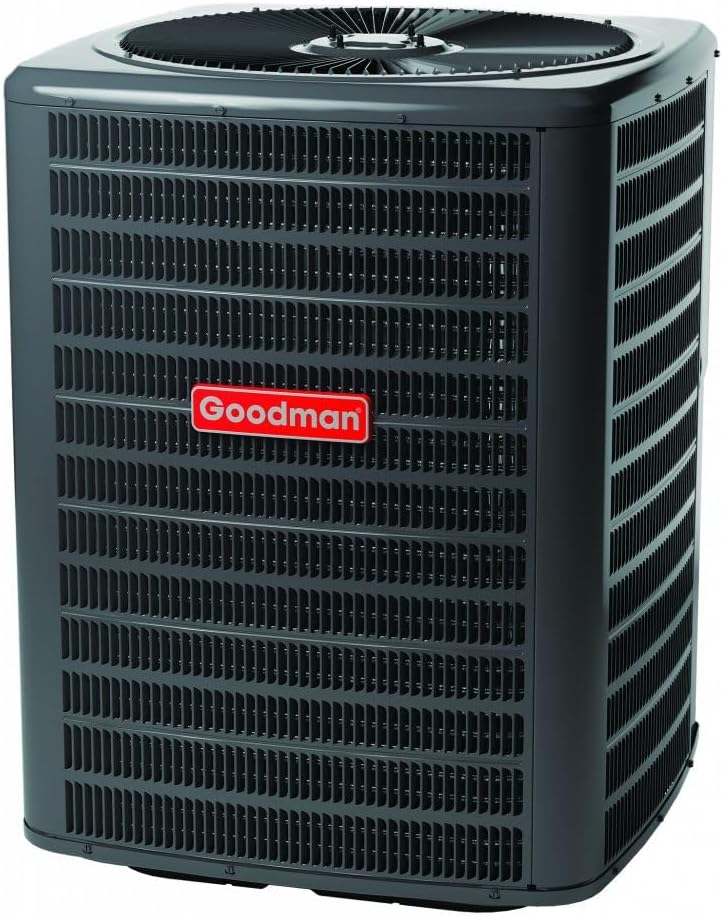
Image Description: A gray Goodman outdoor condenser unit with a fan on top and louvered sides for heat exchange. The Goodman logo is prominently displayed in red on the front.
This unit is responsible for releasing heat from your home to the outside during cooling cycles. It houses the energy-efficient compressor and is designed for durability.
2. Indoor Coil Unit (CAPTA3026B3)

Image Description: A black Goodman indoor coil unit, rectangular in shape, with copper tubing connections visible on one side. The Goodman logo is visible on the lower front panel.
The indoor coil, also known as the evaporator coil, absorbs heat from the indoor air. This unit features a copper tube with aluminum fin coil for efficient heat transfer.
3. Gas Furnace (GD9S800804BN)

Image Description: A gray Goodman gas furnace unit, a tall rectangular appliance with a smooth front panel and the Goodman logo in red. Horizontal lines are visible near the bottom.
The 80% AFUE 80k BTU furnace provides reliable heating for your home, utilizing natural gas or liquid propane as its fuel source. It works in conjunction with the indoor coil to circulate conditioned air.
Setup and Installation
Due to the complexity and safety requirements of HVAC systems, professional installation by a certified technician is mandatory. This ensures proper sizing, refrigerant charging, electrical connections, and ductwork integration for optimal performance and safety.
General Installation Considerations:
- Location: The outdoor condenser unit should be placed on a level pad, away from obstructions that could impede airflow. The indoor coil and furnace are typically installed in a utility closet, basement, or attic, depending on the home's layout and the furnace's airflow configuration (upflow, downflow, horizontal).
- Ductwork: Ensure existing ductwork is clean, properly sealed, and sized correctly for the system's capacity.
- Electrical: Proper electrical wiring and circuit protection are essential. The system operates on 240 Volts.
- Refrigerant Lines: Copper refrigerant lines connect the outdoor condenser to the indoor coil. These lines must be properly sized, evacuated, and charged with the correct amount of R-32 refrigerant.
- Gas Connection: For the gas furnace, a secure and leak-free connection to the natural gas or liquid propane supply is critical.
- Thermostat: A compatible thermostat (included with the system) should be installed and wired according to the manufacturer's instructions to control heating and cooling cycles.
Do not attempt to install this system yourself. Contact a licensed HVAC professional.
Video Description: This video explains the three main types of HVAC systems: packaged units, ductless systems, and split systems. It details how each system operates and where its components are typically installed, helping users understand their specific setup.
Operating Instructions
Your Goodman HVAC system is controlled by a compatible thermostat. Refer to your thermostat's user manual for specific programming and operation details.
Basic Operation:
- Power On: Ensure the system has power and the thermostat is set to the desired mode (Cool, Heat, Auto, Off) and temperature.
- Cooling Mode: Set the thermostat to "Cool" and select a temperature lower than the current room temperature. The outdoor condenser and indoor coil will activate to cool your home.
- Heating Mode: Set the thermostat to "Heat" and select a temperature higher than the current room temperature. The gas furnace will ignite to warm your home.
- Fan Operation: The fan can be set to "Auto" (runs only when heating or cooling) or "On" (runs continuously to circulate air).
Note:
- Allow a few minutes for the system to respond to thermostat changes.
- Avoid frequently adjusting the thermostat by large increments, as this can reduce efficiency.
Maintenance
Regular maintenance is crucial for the longevity and efficiency of your Goodman HVAC system. It is recommended to schedule professional maintenance annually, ideally before the heating and cooling seasons.
User Maintenance:
- Air Filter Replacement: Check and replace the air filter monthly, or more frequently if you have pets or allergies. A dirty filter restricts airflow and reduces efficiency.
- Clear Outdoor Unit: Keep the area around the outdoor condenser unit clear of debris, leaves, and vegetation to ensure proper airflow.
Professional Maintenance (Recommended Annually):
- Inspect and clean coils (indoor and outdoor).
- Check refrigerant levels and pressure.
- Inspect electrical connections and components.
- Lubricate moving parts as needed.
- Check condensate drain for blockages.
- Inspect furnace burners and heat exchanger.
- Verify thermostat calibration.
Your system includes a factory-installed filter drier, which helps protect the refrigerant system from moisture and contaminants. This component typically does not require user maintenance.
Troubleshooting
Before calling for service, check the following common issues:
| Problem | Possible Cause | Solution |
|---|---|---|
| System not turning on | No power, thermostat settings incorrect, tripped circuit breaker. | Check circuit breaker, ensure thermostat is set to desired mode/temperature, check emergency shut-off switch. |
| Insufficient heating/cooling | Dirty air filter, blocked outdoor unit, low refrigerant, leaky ductwork. | Replace air filter, clear debris from outdoor unit, contact a professional for refrigerant check or ductwork inspection. |
| Unusual noises | Loose parts, motor issues, refrigerant issues. | Contact a professional for diagnosis and repair. |
| Water leakage | Clogged condensate drain line. | Clear the drain line (refer to professional guidance or contact a technician). |
| Furnace not igniting | No gas supply, faulty igniter, safety lockout. | Check gas valve, reset system (turn off/on at breaker), contact a professional. |
| R-32 Refrigerant Leak Detected | System malfunction, component failure. | Immediately evacuate the area if a strong odor is present. Contact a certified HVAC technician trained in R-32 systems for immediate repair. Do not attempt to fix yourself. |
For any issues beyond basic troubleshooting, contact a qualified HVAC technician.
Specifications
| Feature | Detail |
|---|---|
| Brand Name | Goodman |
| Model Info | GLXS4BA3010CAPTA3026B3GD9S800804BN |
| Item Weight | 350 pounds |
| Product Dimensions | 29 x 29 x 59.5 inches (Condenser: 29"D x 29"W x 59.5"H) |
| Capacity | 2.5 Tons |
| Annual Energy Consumption | 2365 Kilowatt Hours Per Year |
| Noise Level | 75 Decibels |
| Installation Type | Split System |
| Special Features | Remote Controlled (Thermostat) |
| Color | Gray |
| Voltage | 240 Volts |
| Wattage | 6000 watts |
| Cooling Power | 30000 British Thermal Units |
| Refrigerant | R-32 |
| Date First Available | June 26, 2025 |
Warranty Information

Image Description: A silver shield badge with a blue ribbon at the bottom. The shield prominently displays "10 YEAR" in large text, and the ribbon reads "LIMITED WARRANTY".
Your Goodman HVAC system comes with a 10-Year Limited Warranty. Please refer to the official warranty documentation included with your product for full terms, conditions, and registration requirements. Proper installation and regular maintenance by a qualified technician are typically required to maintain warranty validity.
Support and Contact
For technical assistance, service, or warranty claims, please contact your authorized Goodman dealer or a certified HVAC professional. Ensure you have your model number (GLXS4BA3010CAPTA3026B3GD9S800804BN) and serial number ready when contacting support.
For additional information, you may visit the official Goodman website or consult the included user manual.
Related documentsGLXS4BA3010CAPTA3026B3GD9S800804BN


Ask a question about this manual
Ask about setup, troubleshooting, compatibility, parts, safety, or missing instructions. Manuals+ will review the question and use this page’s manual context to help answer it.