
Ameta S20 Pro
Ameta S20 Pro GPS Drone User Manual
Model: S20 Pro
1. Introduction
This manual provides essential instructions for the safe operation, setup, and maintenance of your Ameta S20 Pro GPS Drone. Please read this manual thoroughly before operating the drone to ensure proper function and to prevent damage or injury.

Image 1.1: The Ameta S20 Pro drone in flight, showcasing its design and operational context.
2. Safety Guidelines
Adherence to these safety guidelines is crucial for safe operation and to avoid potential hazards.
- Pre-Flight Check: Always inspect the drone, remote control, and batteries for any damage before each flight.
- Environmental Conditions: Avoid flying in strong winds, rain, snow, or fog. Maintain a clear line of sight to the drone.
- Flight Area: Operate the drone in open areas, away from people, animals, buildings, and power lines. Do not fly over crowds.
- Battery Safety: Use only approved batteries and chargers. Do not overcharge or puncture batteries. Discontinue use if batteries show signs of swelling or damage.
- Respect Local Regulations: Be aware of and comply with all local aviation laws and regulations regarding drone operation. The Ameta S20 Pro weighs under 249g, which may exempt it from registration requirements in some regions. Always verify local laws.

Image 2.1: The Ameta S20 Pro drone, highlighting its lightweight design (under 249g) and potential exemption from registration in certain jurisdictions. Users should always check local regulations.
3. Package Contents
Verify that all items listed below are included in your package:
- GPS Drone with 4K Camera
- Remote Control
- 2 x Batteries (3000mAh)
- User Manual
- Carrying Case
- Spare Propellers (8 pieces)
- USB Charging Cable
- Screwdriver

Image 3.1: All components included in the Ameta S20 Pro drone package.
4. Product Overview
4.1 Drone Components
Familiarize yourself with the various parts of the Ameta S20 Pro drone.

Image 4.1: The Ameta S20 Pro drone with its arms extended.
- Propellers: Four propellers for lift and propulsion.
- Brushless Motors: Provide efficient and stable flight.
- 4K Camera: Integrated camera with 13MP Sony IMX258 sensor for high-resolution photo and video capture.
- Battery Compartment: Houses the flight battery.
- LED Indicators: Provide status information during flight and operation.
4.2 Remote Control
The remote control allows for precise manipulation of the drone's flight and camera functions.
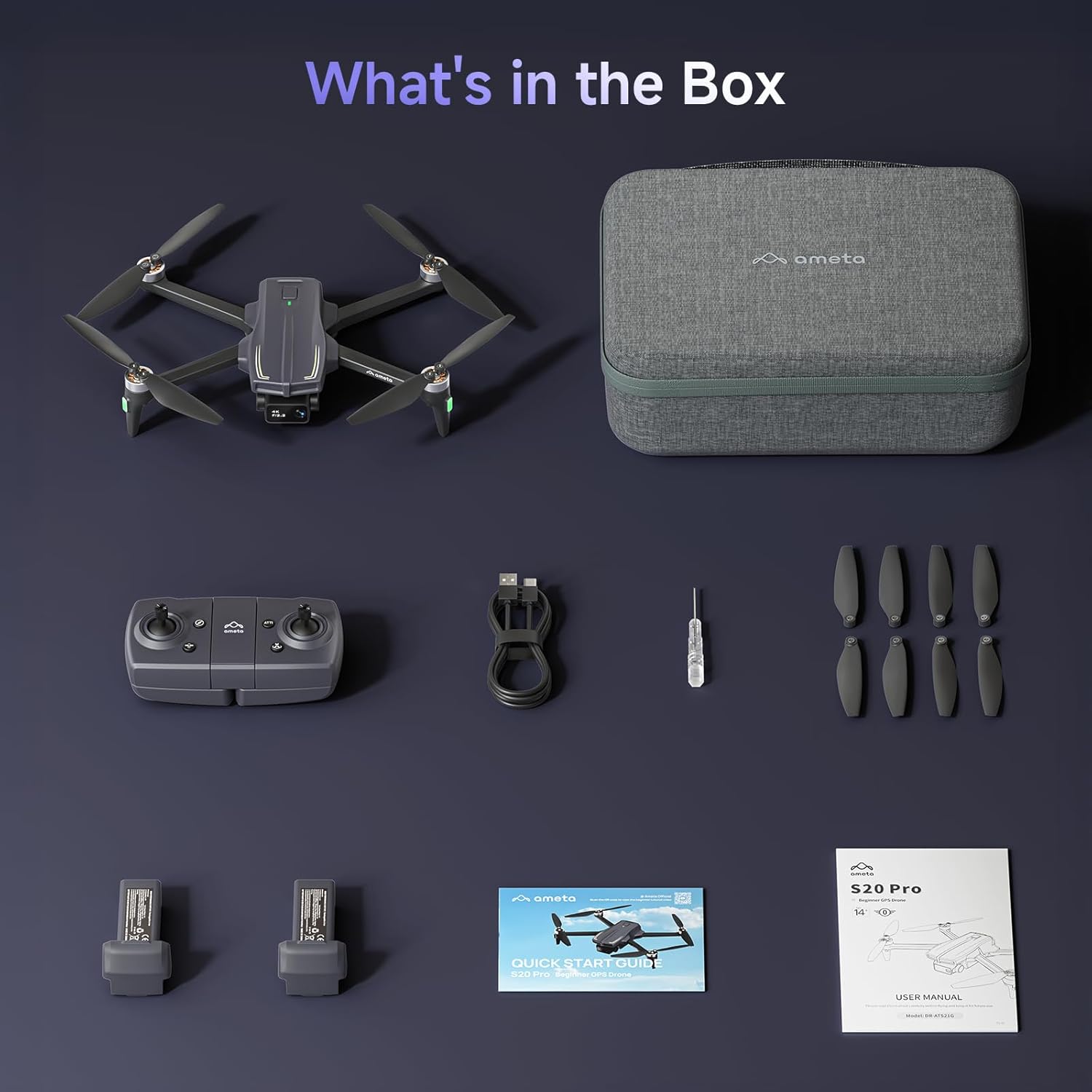
Image 4.2: The remote control with a smartphone holder.
- Control Sticks: For directional flight and altitude control.
- Smartphone Holder: Securely holds your smartphone for FPV viewing and app control.
- Function Buttons: Dedicated buttons for takeoff/landing, Return-to-Home, photo/video capture, and speed adjustment.
5. Setup
5.1 Battery Charging
- Insert the flight battery into the drone's battery compartment.
- Connect the USB charging cable to the drone's charging port and a USB power adapter (not included).
- The LED indicator on the drone will show charging status. A full charge typically takes approximately 2 hours for each 3000mAh battery.
- The drone cannot be flown while the battery is charging.

Image 5.1: Illustration of the drone battery and its extended flight duration.
5.2 Propeller Installation
Ensure propellers are correctly installed before flight. Match propellers with corresponding motor arms (A and B markings).
- Identify propellers marked 'A' and 'B'.
- Attach 'A' propellers to motor arms marked 'A', and 'B' propellers to motor arms marked 'B'.
- Secure each propeller with the provided screws using the screwdriver.
5.3 Remote Control and App Setup
- Install 3 AAA batteries (not included) into the remote control.
- Download the Ameta flight app from your device's app store.
- Power on the drone, then power on the remote control.
- Connect your smartphone to the drone's Wi-Fi network (usually named 'Ameta-S20Pro-XXXX').
- Open the Ameta flight app to establish a connection.
5.4 Calibration
Perform compass and gyroscope calibration before the first flight and whenever flying in a new location.
- Follow the on-screen instructions in the Ameta app for compass calibration. This typically involves rotating the drone horizontally and vertically.
- Place the drone on a flat, level surface for gyroscope calibration.
6. Operating Instructions
6.1 Pre-Flight Checks
- Ensure batteries are fully charged in both drone and remote control.
- Propellers are securely attached and undamaged.
- Drone is placed on a flat, open surface.
- GPS signal is acquired (indicated by solid green lights on the drone).
6.2 Takeoff and Landing
- One-Button Takeoff: Press the one-button takeoff icon on the remote control or in the app. The drone will automatically ascend to a safe altitude and hover.
- Manual Takeoff: Push both control sticks down and outwards to start the motors. Slowly push the left stick up to ascend.
- One-Button Landing: Press the one-button landing icon. The drone will descend and land automatically.
- Manual Landing: Slowly pull the left stick down to descend. Once landed, push both sticks down and inwards to stop the motors.

Image 6.1: Key beginner-friendly features of the Ameta S20 Pro drone.
6.3 Flight Controls
Use the control sticks on the remote for basic flight maneuvers:
- Left Stick (Throttle/Yaw): Up/Down for altitude, Left/Right for rotation.
- Right Stick (Pitch/Roll): Up/Down for forward/backward movement, Left/Right for left/right movement.
6.4 Intelligent Flight Modes
The Ameta S20 Pro features several intelligent flight modes for enhanced control and creative shots. Note: GPS features are only available when GPS mode is enabled and a strong GPS signal is acquired.
- Return-to-Home (RTH): Automatically brings the drone back to its takeoff point. Activated by a button press, low battery, or signal loss.

Image 6.2: Visual representation of the Return-to-Home function.
- Waypoint Flight: Set custom points on a map, and the drone will follow the designated path.

Image 6.3: The drone executing a Waypoint Flight path.
- Circle Fly: The drone orbits around a selected point, capturing circular footage.

Image 6.4: The drone performing a Circle Fly maneuver.
- GPS Follow Me: The drone automatically follows the remote control (and thus the user), keeping them in the frame.

Image 6.5: The drone utilizing GPS Follow Me mode.
- Other Creative Modes: Rocket, Orbit, Dolly Zoom, Panorama, Time-lapse, and Gesture Selfie are available via the app for diverse shooting options.

Image 6.6: Overview of creative shooting modes.
6.5 Camera Operation
The Ameta S20 Pro is equipped with a 4K camera for high-quality imaging.

Image 6.7: Details of the 4K camera with 13MP sensor.
- Photo/Video Capture: Use the dedicated buttons on the remote control or the app interface to take photos or start/stop video recording.
- FPV (First-Person View): The 5G WiFi transmission provides real-time video feed to your connected smartphone.
- Adjustable Lens: The camera lens can be adjusted 90 degrees for varied shooting angles.
- Storage: Photos and videos are saved to a microSD card (not included) inserted into the drone.
7. Maintenance
7.1 Cleaning
- Wipe the drone and remote control with a soft, dry cloth after each use.
- Do not use harsh chemicals or solvents.
- Ensure no dust or debris obstructs the camera lens or motor vents.
7.2 Propeller Replacement
Replace damaged or bent propellers immediately to ensure stable flight.
- Power off the drone.
- Use the provided screwdriver to remove the screws securing the damaged propeller.
- Carefully remove the damaged propeller.
- Install a new propeller, ensuring it matches the 'A' or 'B' marking of the motor arm.
- Secure the new propeller with screws.
7.3 Battery Care and Storage
- Store batteries in a cool, dry place, away from direct sunlight and extreme temperatures.
- For long-term storage, charge batteries to approximately 50-60% capacity.
- Do not store fully charged or fully depleted batteries for extended periods.
8. Troubleshooting
| Problem | Possible Cause | Solution |
|---|---|---|
| Drone does not power on | Low battery; Battery not inserted correctly | Charge battery; Reinsert battery securely |
| No connection to remote control | Remote control battery low; Pairing failed | Replace remote control batteries; Re-pair drone and remote control |
| Unstable flight/Drifting | Improper calibration; Damaged propellers; Strong winds | Perform gyroscope and compass calibration; Replace damaged propellers; Fly in calm conditions |
| No FPV video feed | Phone not connected to drone Wi-Fi; App not open; Weak Wi-Fi signal | Connect to drone Wi-Fi; Open app; Fly closer to drone |
| GPS features not working | Weak GPS signal; GPS mode not enabled | Fly in an open area with clear sky; Ensure GPS mode is enabled in app |
| Drone lost during flight | Out of range; RTH not activated | Use the 'Find Your Drone' feature in the app (if available and GPS was active). Always fly within visual line of sight. |

Image 8.1: The 'Find Your Drone' feature on the app, useful for locating a lost drone if GPS was active.
9. Specifications
| Feature | Detail |
|---|---|
| Brand | Ameta |
| Model Name | S20 Pro |
| Video Capture Resolution | 4K |
| Effective Still Resolution | 13 MP |
| Connectivity Technology | Wi-Fi (5G) |
| Special Features | 13MP Sensor, 50-Min Flight Time, GPS Drone, One Button Return, Speed Adjustment |
| Skill Level | Beginner |
| Item Weight | 20.14 Ounces (approx. 571g) |
| Battery Capacity | 3000 Milliamp Hours (per battery) |
| Product Dimensions (Folded) | 8.27"L x 10.43"W x 3.15"H |
| Material | ABS |

Image 9.1: Product dimensions of the Ameta S20 Pro drone.
10. Warranty and Support
The Ameta S20 Pro GPS Drone comes with a standard manufacturer's warranty. For specific warranty terms, duration, and conditions, please refer to the warranty card included in your package or contact Ameta customer support.
For technical assistance, troubleshooting not covered in this manual, or to inquire about replacement parts, please contact Ameta customer support through the contact information provided on the official Ameta website or your purchase platform.
Related documentsS20 Pro


Ask a question about this manual
Ask about setup, troubleshooting, compatibility, parts, safety, or missing instructions. Manuals+ will review the question and use this page’s manual context to help answer it.