1. Introduction
This manual provides essential information for the proper installation, operation, and maintenance of your Hella 6PA 358 221-931 Lambda Sensor. A Lambda Sensor, also known as an oxygen sensor, is a critical component in your vehicle's exhaust system, responsible for measuring the oxygen content in the exhaust gases. This data is then sent to the engine control unit (ECU) to optimize the air-fuel mixture, ensuring efficient combustion and reduced emissions.
The Hella 6PA 358 221-931 Lambda Sensor is designed for specific vehicle applications, including the Toyota Yaris (P13) 1.5 (NSP131). Please verify compatibility with your vehicle's exact classification before installation. This sensor features improved protection against overheating for a longer service life compared to some original equipment products, contributing to reduced vehicle emissions.
2. Product Overview
The Hella 6PA 358 221-931 is a heated Lambda Sensor, featuring a 4-pin electrical connector and a cable length of 210 mm. Its robust design ensures reliable performance in demanding automotive environments.
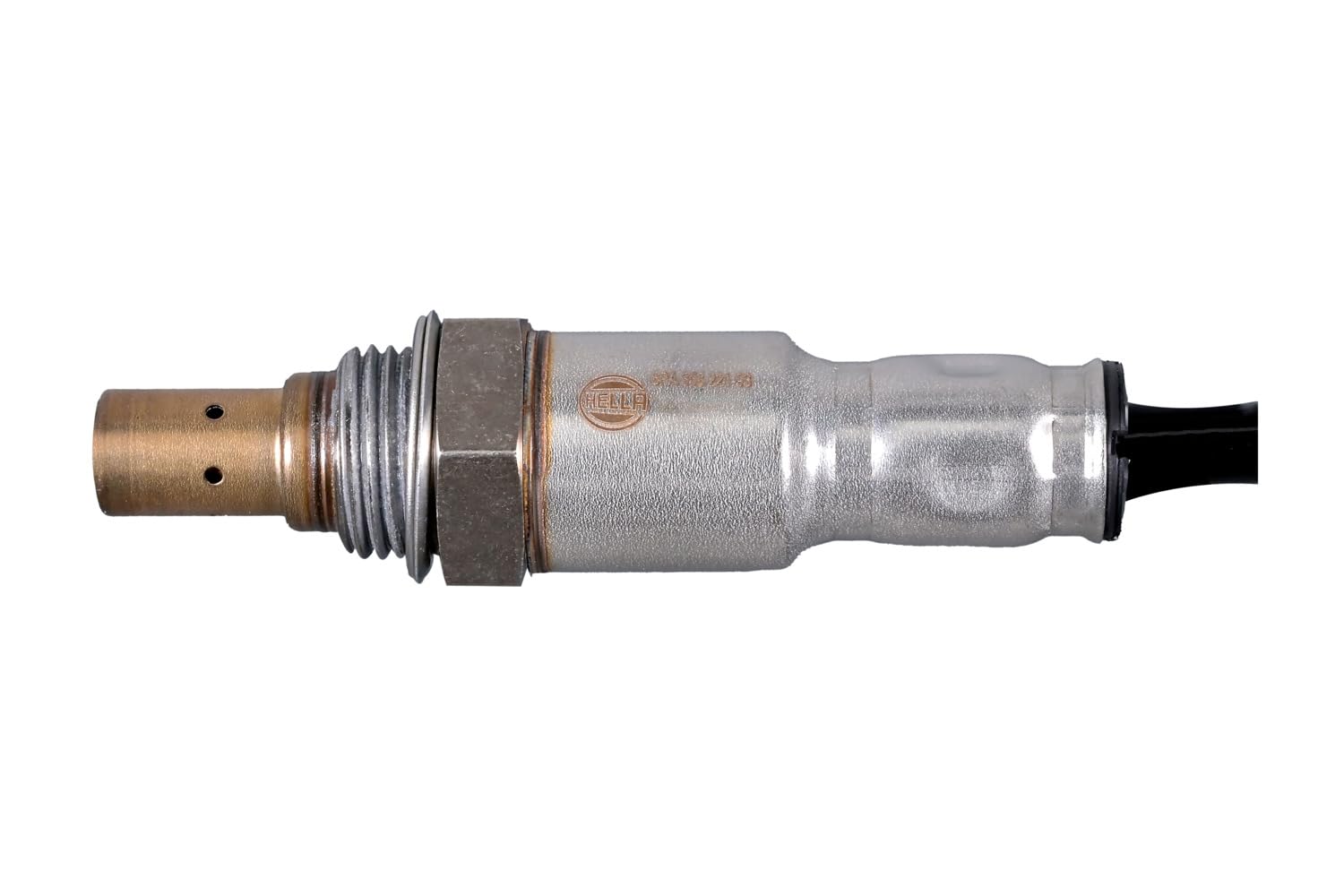
Image 1: The Hella 6PA 358 221-931 Lambda Sensor. This image shows the main body of the sensor, including the threaded section for installation into the exhaust system and the beginning of the electrical cable.
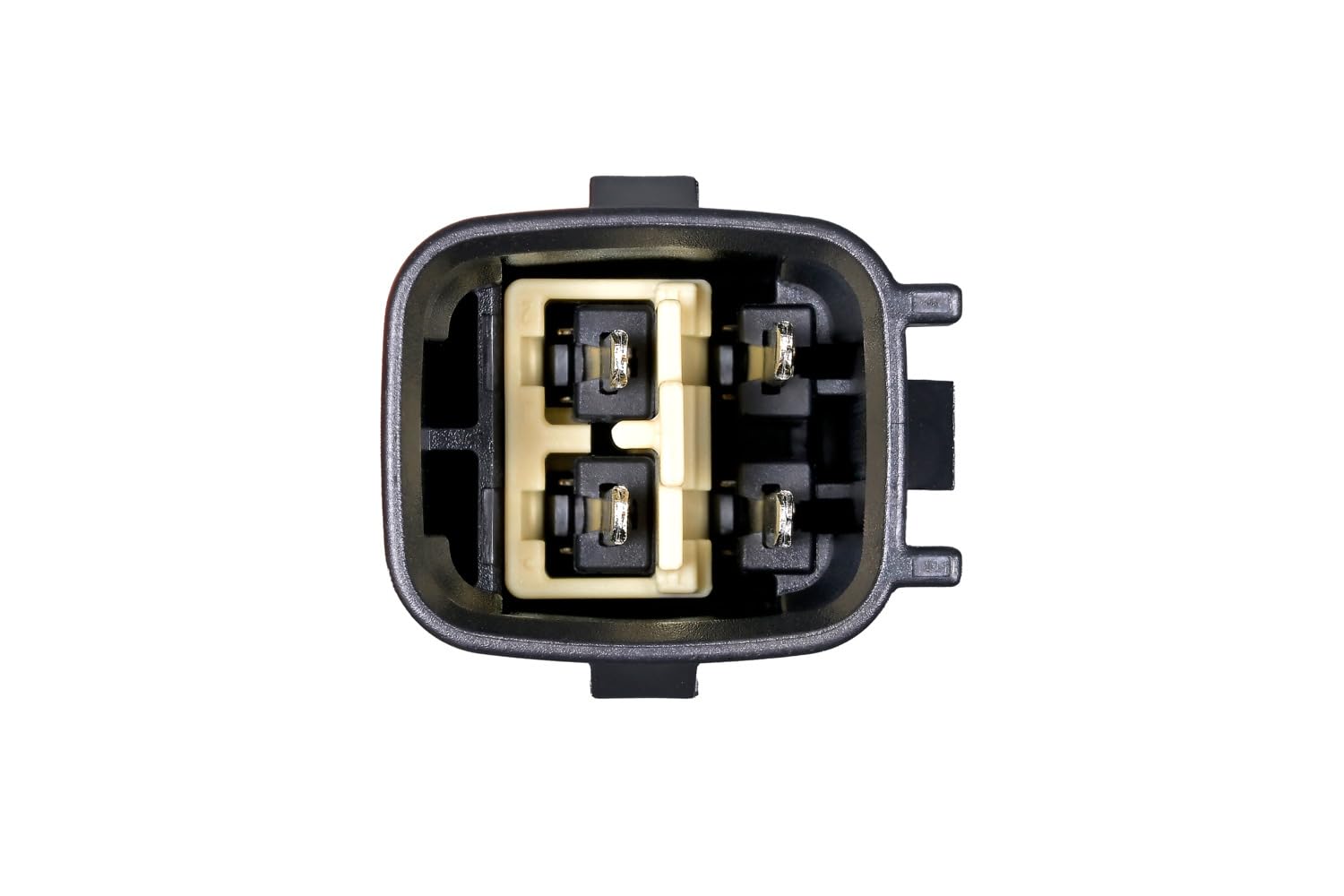
Image 2: The 4-pin electrical connector of the Hella 6PA 358 221-931 Lambda Sensor. This connector ensures a secure and proper electrical connection to the vehicle's wiring harness.
3. Setup and Installation
Installation of a Lambda Sensor typically requires specialized tools and automotive knowledge. It is highly recommended that installation be performed by a qualified professional to ensure correct fitment and function.
Safety Precautions:
- Ensure the engine is cool before beginning any work to prevent burns.
- Disconnect the vehicle's battery to prevent electrical shorts or damage.
- Wear appropriate personal protective equipment, including gloves and eye protection.
General Installation Steps:
- Locate the existing Lambda Sensor in the exhaust system. There may be multiple sensors (upstream and downstream). Ensure you are replacing the correct one.
- Carefully disconnect the electrical connector of the old sensor.
- Using a specialized oxygen sensor wrench, remove the old sensor from the exhaust pipe.
- Apply a small amount of anti-seize compound (if not pre-applied) to the threads of the new Hella Lambda Sensor to facilitate future removal.
- Thread the new sensor into the exhaust pipe by hand to avoid cross-threading, then tighten it to the manufacturer's specified torque using the oxygen sensor wrench. Do not overtighten.
- Connect the new sensor's electrical connector securely to the vehicle's wiring harness. Ensure the connection is firm and free from debris.
- Reconnect the vehicle's battery.
- Start the engine and check for any exhaust leaks or illuminated check engine lights.
4. Operation
Once installed, the Hella Lambda Sensor continuously monitors the oxygen levels in the exhaust gases. It generates a voltage signal that varies depending on the oxygen concentration. This signal is transmitted to the vehicle's ECU.
The ECU uses this information to make real-time adjustments to the fuel injection system, ensuring that the engine operates at the optimal air-fuel ratio (stoichiometric ratio). This precise control is crucial for:
- Fuel Efficiency: Maintaining the correct air-fuel mixture prevents excessive fuel consumption.
- Reduced Emissions: An optimized air-fuel ratio allows the catalytic converter to function effectively, converting harmful pollutants into less toxic substances.
- Engine Performance: Proper fuel mixture contributes to smooth engine operation and consistent power delivery.
5. Maintenance
Lambda Sensors are generally designed to be maintenance-free components. They do not require regular cleaning or adjustment. However, their lifespan can be affected by factors such as fuel quality, engine condition, and exposure to contaminants.
It is advisable to:
- Periodically inspect the sensor's wiring and connector for any signs of damage, corrosion, or loose connections during routine vehicle inspections.
- Address any engine issues (e.g., excessive oil consumption, coolant leaks) promptly, as these can contaminate the sensor and shorten its lifespan.
A faulty Lambda Sensor typically requires replacement rather than repair.
6. Troubleshooting
A failing or faulty Lambda Sensor can lead to various vehicle performance issues. Common symptoms include:
- Check Engine Light (CEL) Illumination: This is often the most common indicator. Diagnostic trouble codes (DTCs) related to oxygen sensor performance (e.g., P0130, P0131, P0133) will typically be stored in the ECU.
- Reduced Fuel Economy: An inaccurate sensor reading can cause the engine to run too rich or too lean, leading to increased fuel consumption.
- Increased Emissions: The vehicle may fail emissions tests due to improper air-fuel mixture.
- Rough Idling or Stalling: Inconsistent fuel delivery can cause the engine to run poorly, especially at idle.
- Hesitation or Misfires: The engine may not respond smoothly to throttle input.
Troubleshooting Steps:
- Scan for DTCs: Use an OBD-II scanner to retrieve any stored diagnostic trouble codes. These codes will provide specific information about the sensor's fault.
- Inspect Wiring and Connector: Visually check the sensor's wiring harness and connector for any signs of damage, fraying, or corrosion. Ensure the connection is secure.
- Professional Diagnosis: If symptoms persist or if you are unsure about the diagnosis, consult a certified automotive technician. They can perform advanced diagnostics, including live data monitoring of the sensor's output, to accurately determine the cause of the problem.
Do not attempt to repair a faulty sensor; replacement is the standard solution.
7. Specifications
| Feature | Detail |
|---|---|
| Brand | Hella |
| Model Number | 6PA 358 221-931 |
| Manufacturer | Hella |
| Cable Length | 210 mm |
| Number of Pins | 4 |
| Product Dimensions (LxWxH) | 9.8 x 13 x 8 cm |
| Item Weight | 120 grams |
| ASIN | B0F7JTNTPX |
8. Warranty and Support
For information regarding warranty coverage, technical support, or any product-related inquiries, please refer to the official Hella website or contact Hella customer service directly. Keep your purchase receipt as proof of purchase for warranty claims.
Official Hella Website: www.hella.com


