1. Introduction
Thank you for choosing the Generic 112 Digital Egg Poultry Hatcher. This fully automatic incubator is designed to provide an optimal environment for hatching various poultry eggs, including chicken, duck, goose, and quail. It features intelligent temperature and humidity control, automatic egg turning, and an LED display for easy monitoring. Please read this manual thoroughly before operation to ensure proper use and successful hatching results.
2. Safety Instructions
- Always connect the incubator to a grounded power outlet.
- Do not operate the incubator with a damaged power cord or plug.
- Keep the incubator away from water or high humidity environments to prevent electrical shock.
- Ensure proper ventilation around the incubator.
- Unplug the incubator before cleaning or performing any maintenance.
- Keep out of reach of children and pets.
- Do not attempt to modify or repair the incubator yourself. Contact qualified personnel for service.
3. Product Overview
The Generic 112 Digital Egg Poultry Hatcher is designed for efficient and automatic incubation. It features a clear casing for observation, a control panel for settings, and multiple egg trays.
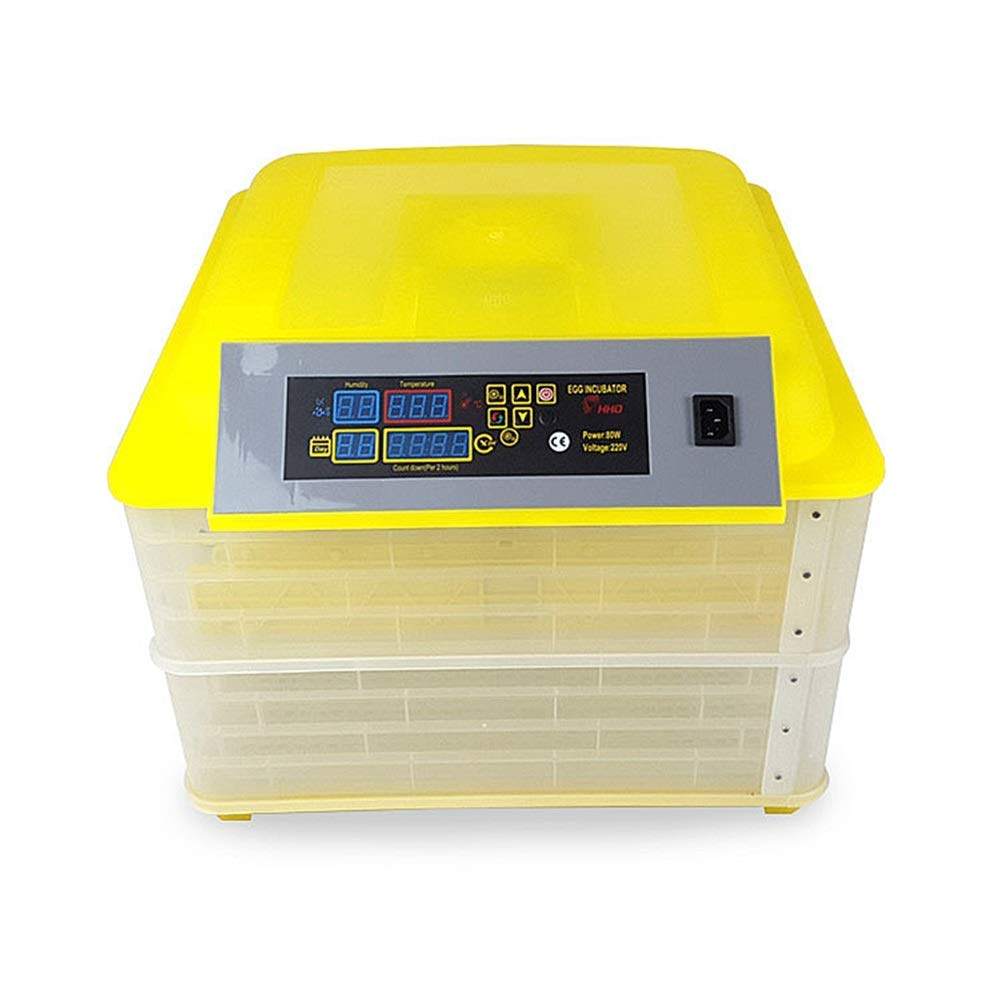
Figure 1: Front view of the Generic 112 Digital Egg Poultry Hatcher, showing the control panel and two incubation layers.

Figure 2: Interior view of the incubator, illustrating the egg turning trays and internal structure.
Control Panel Diagram

Figure 3: Detailed diagram of the control panel, indicating the functions of each display and button.
- Humidity Display: Shows current humidity level.
- Temperature Display: Shows current temperature inside the incubator.
- Incubation Days Display: Tracks the number of days since incubation started.
- Egg Turning Countdown: Displays the time remaining until the next automatic egg turn.
- Setting Button: Used to enter and confirm settings.
- Setting + / Setting - Buttons: Adjust values up or down during setting.
- Reset Button: Resets certain parameters or alarms.
- Turn the Egg Button: Manually initiates an egg turning cycle.
- Heating Indicator: Illuminates when the heating element is active.
- Setting Indicator: Illuminates when in setting mode.
- Switch: Power on/off switch.
- Power/Voltage Display: Shows power consumption and voltage.
- Alarm Function: Automatically activates when temperature or humidity are outside the set range.
4. Setup
4.1 Assembly
- Carefully unpack all components and check for any damage.
- Place the incubator on a stable, level surface in a room with a consistent ambient temperature, away from direct sunlight or drafts.
- Ensure the egg turning trays are correctly seated within the incubator layers.
4.2 Adding Water for Humidity
Humidity is crucial for successful hatching. The incubator requires water to maintain the correct humidity levels.
- Locate the water channels or reservoirs at the bottom of the incubator.
- Carefully pour distilled or demineralized water into the channels. Avoid overfilling.
- Monitor the humidity display and add water as needed throughout the incubation period.
5. Operating Instructions
5.1 Initial Power-On and Pre-heating
- Plug the power cord into a suitable electrical outlet.
- Turn on the power switch. The LED display will illuminate.
- Allow the incubator to run for at least 2-3 hours to stabilize the internal temperature and humidity before placing eggs.
5.2 Setting Temperature and Humidity
The incubator comes with factory default settings, but these can be adjusted if necessary.
- Press the Setting Button once to enter temperature setting mode. The temperature display will flash.
- Use the Setting + and Setting - buttons to adjust the desired temperature (recommended range: 20℃ ~ 40℃).
- Press the Setting Button again to confirm the temperature and move to humidity setting (if applicable).
- Adjust humidity using the Setting + and Setting - buttons.
- Press the Setting Button one more time to save all settings and exit setting mode.
5.3 Egg Placement
- Once the incubator has stabilized at the desired temperature and humidity, carefully place the fertilized eggs into the egg trays.
- Ensure eggs are placed with the larger end slightly elevated, if possible, for optimal development.
- Close the incubator lid securely.
5.4 Automatic Egg Turning
The incubator automatically turns eggs every 2 hours to prevent the embryo from sticking to the shell and promote even development.
- The Egg Turning Countdown display shows the time until the next automatic turn.
- To manually initiate an egg turn, press the Turn the Egg Button.
- Note: Automatic turning should be disabled for the last 3 days of incubation (lockdown period) to allow chicks to position themselves for hatching. Refer to specific egg type incubation guides for exact timings.
5.5 Monitoring and Adjustments
- Regularly check the temperature and humidity displays.
- Refill water channels as needed to maintain humidity.
- The built-in fan circulates air for even temperature and humidity distribution.
- The incubator will sound an alarm if temperature or humidity deviates significantly from the set parameters. Address the issue promptly.
6. Maintenance
6.1 Cleaning
- After each hatch, unplug the incubator and allow it to cool completely.
- Remove all egg trays and the bottom grid.
- Wipe down all surfaces with a damp cloth and a mild disinfectant solution. Avoid harsh chemicals.
- Ensure all parts are completely dry before reassembling or storing.
6.2 Storage
Store the incubator in a clean, dry place, away from direct sunlight and extreme temperatures, when not in use.
7. Troubleshooting
| Problem | Possible Cause | Solution |
|---|---|---|
| Incubator not powering on | No power supply; Damaged power cord/plug | Check power connection; Inspect cord/plug for damage; Try a different outlet. |
| Temperature too high/low | Incorrect temperature setting; Room temperature fluctuations; Sensor malfunction | Adjust temperature settings; Move incubator to a stable environment; Contact support if sensor is suspected faulty. |
| Humidity too high/low | Too much/little water in channels; Room humidity too high/low; Ventilation issues | Adjust water levels; Ensure proper room ventilation; Open/close vents if available. |
| Eggs not turning automatically | Egg turning mechanism jammed; Motor malfunction; Setting error | Check for obstructions; Manually turn eggs if necessary; Verify settings. |
| Alarm sounding frequently | Temperature/humidity outside set range; Sensor issue | Address temperature/humidity issues; Check sensor for debris; Reset alarm. |
8. Specifications
| Feature | Detail |
|---|---|
| Model | 112 Digital Egg Poultry Hatcher |
| Capacity | Up to 112 Chicken Eggs (varies by egg size) |
| Temperature Control Range | 20℃ ~ 40℃ (68°F ~ 104°F) |
| Voltage | 220V (as indicated on control panel image) |
| Power | 80W (as indicated on control panel image) |
| Egg Turning | Automatic, every 2 hours |
| Display | LED for Temperature, Humidity, Incubation Days, Egg Turning Time |
| Alarm | Temperature and Humidity Alarm |
| Manufacturer | YINWUMAOSI |
| ASIN | B0F5366KY6 |


