
1. Introduction
The Veinasa XS-TBQ02A is a total solar radiation sensor designed for precise measurement of solar radiation. This device measures the solar radiation received by a horizontal plane from a 2π steradian solid angle (hemisphere), with measurements expressed in Watts per square meter (W/m²). It operates on a passive principle, converting absorbed solar energy into an electrical signal proportional to the incident radiation.
2. Product Features
- Measurement Principle: Utilizes a passive mode of operation where a black coating on the sensor surface absorbs incident solar radiation, converts it into thermal energy, and generates a temperature difference. This temperature difference produces an output voltage directly proportional to the incident radiation.
- Standard Compliance: Rated as Class A according to ISO 9060/WMO standards, ensuring high accuracy and reliability.
- Measurement Range: Capable of measuring solar radiation from 0 to 2000 W/m².
- Spectral Range: Effective spectral response from 280 to 3000 nm (at 50% transmission point).
- High-Precision Glass Cover: Features a double-layer high-precision glass cover for enhanced protection and measurement accuracy.
- Low Reflectivity: Incorporates imported light-absorbing paint to significantly reduce reflectivity, leading to more accurate radiation measurements.

Figure 2.1: Comparison of light absorption rates, highlighting the effectiveness of imported varnish in reducing reflectivity for improved measurement accuracy.
3. Components Overview
The XS-TBQ02A sensor is designed for robust performance and ease of integration. Key components include:
- Sensor Body: The main housing containing the thermopile detector.
- Double-Layer Glass Cover: Protects the sensor element from environmental factors while allowing solar radiation to pass through.
- RS485 Output Module: An integrated module for digital communication, providing reliable data transmission.
- Mounting Screws: For secure installation.
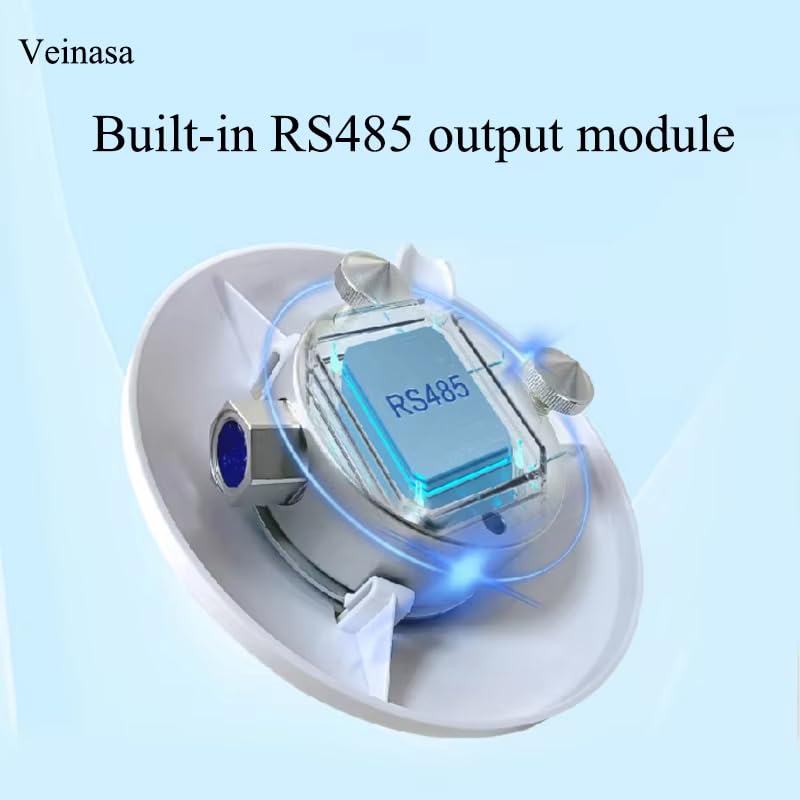
Figure 3.1: General view of the Veinasa XS-TBQ02A Total Solar Radiation Sensor.
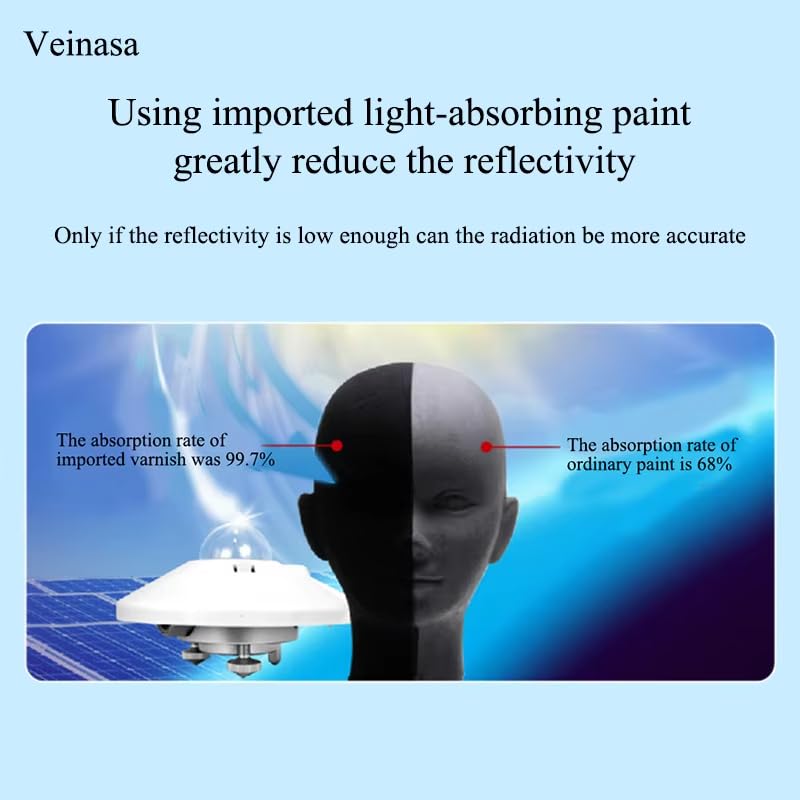
Figure 3.2: Detailed view of the double-layer high-precision glass cover, designed for optimal protection and light transmission.
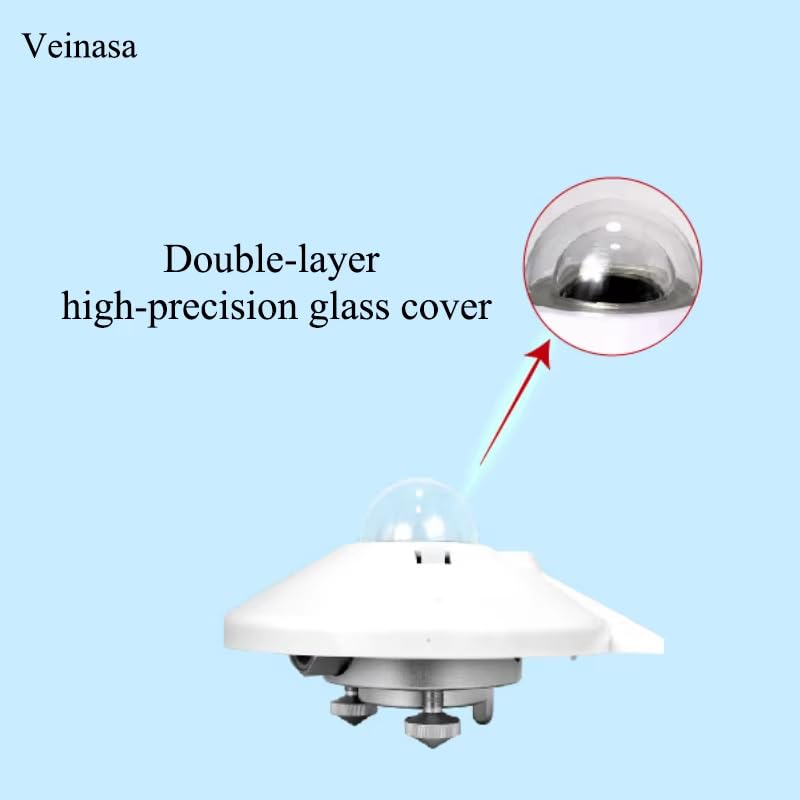
Figure 3.3: Illustration of the built-in RS485 output module, facilitating digital data communication.
4. Setup and Installation
Proper installation is crucial for accurate measurements. Follow these general guidelines:
- Location Selection: Choose a location that provides an unobstructed view of the sky, free from shadows cast by buildings, trees, or other structures, especially during peak sunlight hours.
- Mounting: Securely mount the sensor on a stable, horizontal surface using the provided mounting hardware. Ensure the sensor is level to accurately measure radiation on a horizontal plane.
- Wiring: Connect the sensor to your data acquisition system or controller according to the wiring diagram provided in the product documentation. Ensure correct polarity and secure connections for the 0-20mV or RS485 output.
- Power Supply: Provide a stable 12-24VDC power supply to the sensor.
- Environmental Considerations: While the sensor is designed for outdoor use, protect wiring and connections from extreme weather conditions.
5. Operating Principles
The XS-TBQ02A sensor operates on the principle of a thermopile. When solar radiation strikes the black coating of the sensor, it is absorbed and converted into heat. This heat creates a temperature difference between the hot junctions (exposed to radiation) and cold junctions (shielded from radiation) of the thermopile. This temperature difference generates a small voltage (0-20mV) that is directly proportional to the intensity of the incident solar radiation. For models with RS485 output, this analog voltage is converted into a digital signal for transmission.
6. Maintenance
Regular maintenance ensures optimal performance and longevity of your sensor:
- Cleaning the Glass Cover: Periodically clean the double-layer glass cover with a soft, damp cloth and mild detergent to remove dust, dirt, or debris that may accumulate and affect measurement accuracy. Avoid abrasive materials.
- Inspect Wiring: Regularly check all electrical connections and cables for signs of wear, corrosion, or damage. Ensure connections remain secure.
- Check Mounting: Verify that the sensor remains securely mounted and level. Re-tighten any loose screws if necessary.
- Environmental Checks: Ensure that no new obstructions (e.g., growing vegetation, new structures) are casting shadows on the sensor.
7. Troubleshooting
If you encounter issues with your XS-TBQ02A sensor, consider the following:
| Problem | Possible Cause | Solution |
|---|---|---|
| No output or incorrect readings |
|
|
| Inconsistent readings |
|
|
| Output stuck at zero |
|
|
8. Technical Specifications
| Specification | Value |
|---|---|
| Model Number | XS-TBQ02A |
| Measurement Range | 0 - 2000 W/m² |
| Spectral Range | 280 - 3000 nm (50% transmission point) |
| Standard Rating | ISO 9060/WMO Class A |
| Output Signal | 0-20mV (analog) or RS485 (digital) |
| Power Supply | 12-24VDC |
| Product Dimensions | 8.27 x 1.5 x 8.27 inches (210 x 38 x 210 mm) |
| Item Weight | 4.41 pounds (2000 grams) |
| Manufacturer | China |

Figure 8.1: Technical drawing illustrating the dimensions of the XS-TBQ02A sensor.
9. What's in the Box
The product package typically includes:
- 1 x Veinasa XS-TBQ02A Total Solar Radiation Sensor
10. Warranty and Support
For warranty information and technical support, please refer to the documentation provided with your purchase or contact your vendor directly. Keep your purchase receipt for warranty claims.