Introduction
This manual provides essential instructions for setting up, operating, maintaining, and troubleshooting your HP Envy TE01-5000t Desktop PC. Please read this manual thoroughly before using your new computer to ensure proper functionality and longevity.
1. Setup
Follow these steps to set up your HP Envy TE01-5000t Desktop PC.
1.1 Unpacking the System
Carefully remove all components from the packaging. Ensure the following items are present:
- HP Envy TE01-5000t Desktop PC
- Wireless Keyboard
- Wireless Mouse
- DKZ USB Port Expander
- Power Cable

Image 1.1: HP Envy TE01-5000t Desktop PC with its wireless keyboard, wireless mouse, and the DKZ USB Port Expander.
1.2 Connecting Peripherals
- Connect Monitor: Connect your monitor to the HDMI port on the back of the desktop.
- Connect Keyboard and Mouse: Insert the wireless receiver for the keyboard and mouse into an available USB port on the desktop.
- Connect DKZ USB Port Expander: Plug the DKZ USB Port Expander into an available USB port for additional connectivity.
- Connect Power: Plug the power cable into the desktop's power input and then into a wall outlet.

Image 1.2: Front panel of the HP Envy TE01-5000t Desktop PC, featuring various USB ports, an SD card reader, and audio jacks.
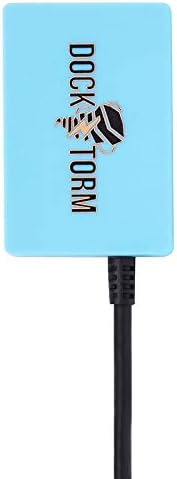
Image 1.3: The DKZ USB Port Expander, an accessory for additional USB connectivity.
1.3 Initial Power-On
Press the power button on the front of the desktop. Follow the on-screen instructions to complete the Windows 11 Home setup process.
2. Operation
This section covers basic operational aspects of your desktop PC.
2.1 Windows 11 Home
Your desktop comes pre-installed with Windows 11 Home. Familiarize yourself with the operating system's interface and features. Microsoft provides extensive online documentation for Windows 11.
2.2 Network Connectivity
- Wi-Fi: To connect to a wireless network, click the Wi-Fi icon in the taskbar, select your network, and enter the password.
- Ethernet (RJ-45): For a wired connection, plug an Ethernet cable into the RJ-45 port on the back of the desktop and connect the other end to your router or modem.
2.3 Using USB Ports
The desktop features various USB ports for connecting external devices:
- USB 3.0 Type-A: For high-speed data transfer with compatible devices.
- USB 2.0: For standard peripherals like keyboards, mice, and printers.
- USB 3.2 Type-C: A versatile port for newer devices, supporting data transfer and potentially video output with an adapter.
The included DKZ USB Port Expander provides additional USB ports for convenience.
2.4 Audio Connections
The Headphone/Microphone Combo Jack on the front panel allows you to connect a headset for audio input and output.
3. Maintenance
Proper maintenance ensures the longevity and optimal performance of your desktop PC.
3.1 Cleaning
- Exterior: Use a soft, lint-free cloth slightly dampened with water or a mild cleaning solution to clean the exterior surfaces. Avoid harsh chemicals.
- Vents: Regularly check and clean the ventilation openings to prevent dust buildup, which can impede airflow and cause overheating. Use compressed air to gently clear dust.
3.2 Software Updates
Keep your operating system and drivers updated. Windows Update automatically manages system updates. Regularly check the HP support website for the latest driver updates for your specific model.
3.3 Data Backup
Regularly back up your important data to an external drive or cloud storage to prevent data loss in case of system failure.
4. Troubleshooting
This section addresses common issues you might encounter.
4.1 No Power
- Ensure the power cable is securely connected to both the desktop and the wall outlet.
- Verify the wall outlet is functional by plugging in another device.
- Check the power supply unit (PSU) fan for operation.
4.2 No Display
- Confirm the monitor is powered on and the video cable (HDMI) is securely connected to both the desktop and the monitor.
- Try connecting the monitor to a different video port if available, or test with another monitor.
4.3 Peripherals Not Responding
- Ensure wireless receivers are properly inserted into USB ports.
- Check battery levels for wireless devices.
- Try connecting the peripheral to a different USB port.
For more complex issues, refer to the HP support website or contact technical support.
5. Specifications
| Component | Detail |
|---|---|
| Model Name | HP Envy TE01-5000t |
| Processor | Intel Core i7-14700 (up to 5.4GHz, 20-Cores, 28-Threads) |
| Memory (RAM) | 16GB DDR4 DIMM |
| Storage | 1TB PCIe NVMe SSD |
| Graphics | Intel UHD Graphics 770 (Integrated) |
| Operating System | Windows 11 Home (64-bit) |
| Power Supply Unit (PSU) | 400W |
| Wireless Connectivity | Wi-Fi 6, Bluetooth 5.3 |
| Wired Connectivity | RJ-45 Ethernet |
| Video Output | HDMI |
| USB Ports | 2x USB 3.0 Type-A, 4x USB 2.0, 1x USB 3.2 Type-C |
| Other Ports | SD Reader, Headphone/Microphone Combo Jack |
| Dimensions (H x W x D) | 13.75 x 6.05 x 12.25 inches |
| Weight | 10.1 pounds |
6. Warranty and Support
6.1 Product Warranty
This HP Envy TE01-5000t Desktop PC comes with a 1-year manufacturer warranty provided by GreatPriceTech. Please retain your proof of purchase for warranty claims.
6.2 Technical Support
For technical assistance, driver downloads, or further product information, please visit the official HP support website. You can also contact GreatPriceTech for support related to your specific configuration.