
1. Product Overview
The Powerhorse Portable Generator (Model 6075716) is a robust power solution designed for various applications, including emergency home backup, EV charging, portable businesses, RVs, remote worksites, and outdoor events. This generator features dual fuel technology, allowing operation on either gasoline or propane, and provides clean power suitable for sensitive electronics.
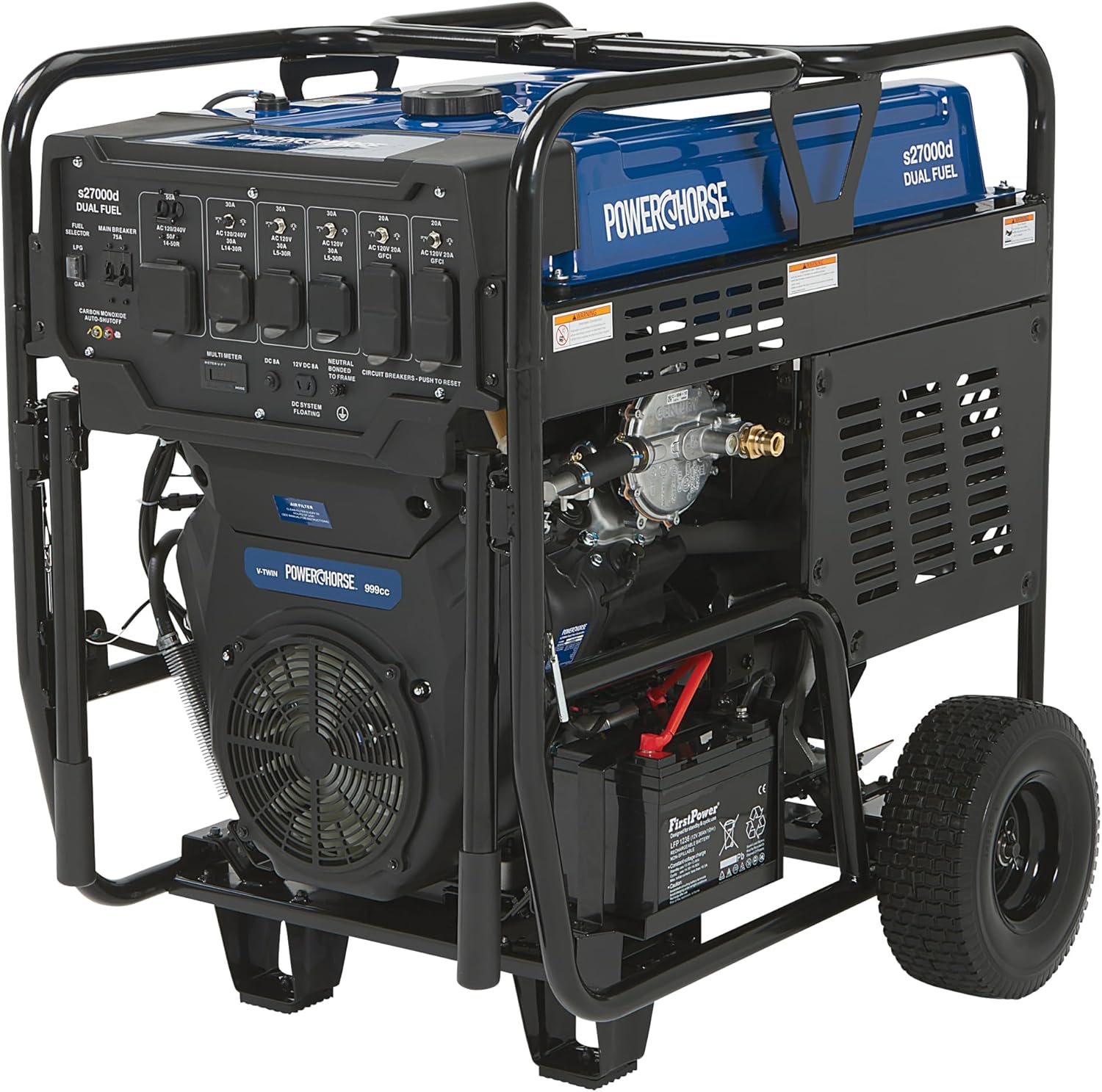
Image 1.1: Front view of the Powerhorse Portable Generator.
Key Features:
- Effective Power: 999cc OHV V-twin engine, providing 27,000 surge watts and 18,000 rated watts.
- Dual Fuel Capability: Operates on gasoline or propane, with the ability to switch fuels without shutting down.
- Clean Power: Produces less than 5% total harmonic distortion (THD), safe for sensitive electronics.
- Electric Start: Ensures quick and easy starting (requires a 12V, 36Ah battery, sold separately).
- Safety Features: Includes carbon monoxide monitoring, automatic voltage regulation, and overload protection.

Image 1.2: Performance specifications for gasoline and propane operation.
2. Important Safety Information
Read and understand all safety warnings and instructions before operating this generator. Failure to follow these instructions can result in serious injury or death.
2.1 Carbon Monoxide Hazard
Generators produce carbon monoxide (CO), an odorless, colorless, and poisonous gas. Operating a generator indoors or in partially enclosed spaces can lead to fatal CO poisoning. ALWAYS operate the generator outdoors in a well-ventilated area, far away from windows, doors, and vents. The generator is equipped with a carbon monoxide monitoring system that will automatically shut down the unit if CO levels become unsafe.
2.2 Electrical Safety
- Never operate the generator in wet conditions. Keep it dry.
- Ensure the generator is properly grounded before use.
- Do not overload the generator. Overload protection is built-in, but consistent overloading can damage the unit.
- Use only approved extension cords that are rated for outdoor use and the power requirements of your appliances.
2.3 Fuel Safety
- Gasoline is highly flammable. Store fuel in approved containers in a well-ventilated area away from ignition sources.
- Never refuel a hot or running engine. Allow the generator to cool down before adding fuel.
- Propane tanks must be secured and stored upright. Ensure all connections are tight and leak-free.

Image 2.1: Control panel highlighting carbon monoxide auto-shutoff and other safety indicators.
3. Setup and Assembly
Before operating your Powerhorse Portable Generator, proper setup and assembly are required. This includes attaching wheels and handles, connecting the battery, and ensuring correct fuel connections.
3.1 Unpacking and Initial Inspection
- Carefully remove the generator from its packaging.
- Inspect for any shipping damage. Contact customer support immediately if damage is found.
- Ensure all components listed in the packing list are present.
3.2 Wheel and Handle Assembly
Attach the wheels and handles according to the diagrams in your detailed owner's manual. This typically involves securing axles, wheels, and support legs with pins or bolts.
3.3 Battery Connection for Electric Start
The generator requires a 12V, 36Ah battery (sold separately) for electric start. Connect the battery cables to the corresponding terminals, ensuring correct polarity (red to positive, black to negative). Secure connections tightly.
3.4 Adding Engine Oil
The engine is shipped without oil. Before first use, add the recommended type and amount of engine oil. Refer to the oil fill cap or your owner's manual for specific oil type and capacity. Do not overfill.
3.5 Fuel Connection
- Gasoline: Fill the fuel tank with fresh, unleaded gasoline. Do not overfill.
- Propane: Connect the propane regulator and hose (included) to a standard 20-lb. propane tank and to the generator's propane inlet. Ensure all connections are secure and check for leaks using a soapy water solution.

Image 3.1: Visual representation of dual fuel options: gasoline and propane.
4. Operating Instructions
Follow these steps for safe and efficient operation of your Powerhorse Portable Generator.
4.1 Pre-Start Checklist
- Ensure the generator is on a level surface, outdoors, and away from any structures.
- Check engine oil level.
- Verify sufficient fuel (gasoline or propane).
- Ensure all electrical loads are disconnected from the generator outlets.
- Confirm the main circuit breaker is in the OFF position.
4.2 Starting the Engine (Electric Start)
- Turn the fuel valve to the ON position.
- Select the desired fuel type (LPG for propane, GAS for gasoline) using the fuel selector switch on the control panel.
- If starting a cold engine, move the choke lever to the CHOKE position. For a warm engine, set it to RUN.
- Insert the key into the engine switch and turn it to the START position. Hold until the engine starts, then release to the ON position. Do not crank for more than 5 seconds at a time.
- Once the engine starts, slowly move the choke lever to the RUN position.

Image 4.1: Close-up of the electric start switch and choke lever.
4.3 Connecting Electrical Loads
Allow the engine to run for a few minutes to stabilize. Then, you can connect your electrical devices. Ensure the total wattage of connected devices does not exceed the generator's rated running wattage.
- Plug in the appliances or extension cords into the appropriate outlets.
- Flip the main circuit breaker to the ON position.
- Turn on your appliances one by one, starting with the largest load.

Image 4.2: Control panel showing various power outlets and multimeter display.
4.4 Shutting Down the Generator
- Turn off and unplug all electrical loads from the generator.
- Flip the main circuit breaker to the OFF position.
- Turn the engine switch to the OFF position.
- Turn the fuel valve to the OFF position.
4.5 Video Guide: Starting the Generator
Video 4.1: A detailed review and demonstration of starting the Powerhorse Portable Generator.
5. Maintenance
Regular maintenance is crucial for the longevity and reliable performance of your generator. Always refer to your owner's manual for a complete maintenance schedule.
5.1 Engine Oil Changes
Change the engine oil after the first 20 hours of operation, and then every 50-100 hours or annually, whichever comes first. Use the recommended oil type and viscosity.
5.2 Air Filter Inspection and Cleaning
Inspect the air filter regularly. Clean or replace it if it is dirty or clogged. A dirty air filter can reduce engine performance and increase fuel consumption.
5.3 Spark Plug Maintenance
Inspect the spark plug annually or every 100 hours. Clean or replace it as needed. Ensure the gap is set correctly according to specifications.
5.4 Fuel System Maintenance
- For gasoline, use a fuel stabilizer if storing the generator for extended periods.
- Drain the carburetor and fuel tank if storing for more than 30 days without stabilizer.
- For propane, ensure the tank and hose are in good condition and free of leaks.

Image 5.1: Generator design showing optimized airflow and accessible maintenance points.
6. Troubleshooting
This section provides solutions to common operational issues. For more complex problems, consult your full owner's manual or contact customer support.
6.1 Engine Will Not Start
- No Fuel: Check gasoline level or propane tank. Ensure fuel valve is open and correct fuel type is selected.
- Low Oil: The generator has a low oil shutdown feature. Check and add engine oil if necessary.
- Choke Position: Ensure choke is set correctly for cold or warm starts.
- Spark Plug: Inspect spark plug for fouling or damage.
- Battery: For electric start, ensure the battery is charged and connections are secure.
6.2 No Power Output
- Circuit Breaker: Check if the main circuit breaker or individual outlet breakers have tripped. Reset if necessary.
- Overload: Reduce the total load connected to the generator.
- Connections: Ensure all power cords are securely plugged into the generator outlets.
6.3 Engine Runs Poorly
- Stale Fuel: Use fresh gasoline. Drain old fuel if necessary.
- Air Filter: Clean or replace the air filter.
- Spark Plug: Inspect and clean or replace the spark plug.
7. Technical Specifications

Image 7.1: Generator dimensions (Length, Width, Height).
| Feature | Specification |
|---|---|
| Brand | Powerhorse |
| Model Number | 6075716 |
| Engine Type | 999cc OHV V-twin, 4 Stroke |
| Starting Wattage | 27,000 watts |
| Running Wattage | 18,000 watts |
| Fuel Type | Gasoline, Liquefied Petroleum Gas (Propane) |
| Power Source | Fuel Powered |
| Ignition System Type | Electric Start |
| Total Power Outlets | 8 (various types including 50A, 30A, 20A, 12V DC) |
| Frequency | 60 hertz |
| Product Dimensions (L x W x H) | 38" x 35.5" x 33.6" |
| Item Weight | 645 pounds |
| Material Type | Steel, Copper |
| Special Feature | Super Quiet, Carbon Monoxide Monitoring |
8. Warranty and Support
8.1 Warranty Information
This Powerhorse Portable Generator comes with a 2-year limited warranty. This warranty covers defects in materials and workmanship under normal use. Please refer to the detailed warranty statement included with your product for specific terms, conditions, and exclusions.
8.2 Customer Support
For technical assistance, parts, or warranty claims, please contact Powerhorse customer support. Have your model number (6075716) and serial number ready when contacting support.
For the most current contact information, please visit the official Powerhorse website or refer to your product's owner's manual.


