1. Product Overview
The Sawyer Auto Alternator (Model PG-764973) is a direct-fit replacement component designed for 1995-1999 Mitsubishi Eclipse vehicles. This remanufactured 90-amp alternator is engineered to meet original equipment (OE) specifications, ensuring reliable performance and compatibility with your vehicle's electrical system.
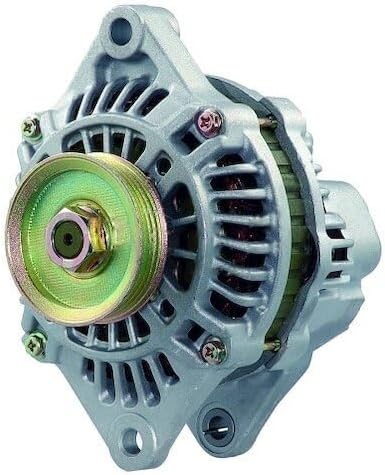
Figure 1: Front view of the Sawyer Auto Alternator, showing the main housing, cooling fins, and the drive pulley.
Key Features:
- Premium Remanufactured 90 Amps output.
- Designed and manufactured with modern tooling for optimal quality and reliability.
- Constructed with durable materials, often exceeding original equipment specifications.
- Direct fit replacement for seamless installation.
- Undergoes rigorous inspection to ensure reliability and quality.
2. Safety Information
Always prioritize safety when working on automotive electrical systems. Failure to follow safety precautions can result in serious injury or damage to the vehicle.
- Disconnect Battery: Always disconnect the negative (-) battery terminal before beginning any work on the alternator or electrical system to prevent electrical shock or short circuits.
- Wear Protective Gear: Use appropriate personal protective equipment, including safety glasses and gloves.
- Consult Vehicle Manual: Refer to your vehicle's specific service manual for detailed instructions and torque specifications.
- Professional Installation: If you are not confident in your mechanical abilities, seek professional assistance for installation.
- Avoid Hot Surfaces: Engine components can be extremely hot. Allow the engine to cool before working on it.
3. Installation Guide
This section provides a general guide for alternator replacement. Specific steps may vary depending on your vehicle's configuration. Always refer to your vehicle's service manual for precise instructions.
- Preparation: Ensure the engine is off and cool. Disconnect the negative (-) battery terminal.
- Access: Locate the alternator. You may need to remove other components (e.g., air intake, belts) to gain access.
- Belt Removal: Loosen the tensioner and remove the serpentine belt from the alternator pulley.
- Electrical Connections: Disconnect all electrical connections from the old alternator. This typically includes the main power wire (B+ terminal) and the regulator harness. Note their positions for reinstallation.
- Mounting Bolts: Remove the mounting bolts securing the alternator to the engine bracket. Carefully remove the old alternator.
- New Alternator Installation: Position the new Sawyer Auto Alternator in place and secure it with the mounting bolts. Do not fully tighten yet.
- Electrical Reconnection: Reconnect all electrical connections, ensuring they are secure and correctly oriented.
- Belt Reinstallation: Route the serpentine belt correctly around all pulleys, including the alternator pulley. Adjust the tensioner to achieve the correct belt tension as specified in your vehicle's manual.
- Final Tightening: Tighten all mounting bolts and the tensioner bolt to the manufacturer's specified torque.
- Battery Reconnection: Reconnect the negative (-) battery terminal.
- Test: Start the engine and check for proper charging system operation (e.g., battery light off, voltage output).
4. Operating Principles
The alternator is a key component of your vehicle's electrical system. Its primary functions are:
- Power Generation: Converts mechanical energy from the engine (via the serpentine belt) into electrical energy (alternating current, AC).
- Rectification: An internal rectifier converts the AC into direct current (DC) suitable for the vehicle's electrical system.
- Battery Charging: Recharges the vehicle's 12-volt battery after starting and during operation.
- Powering Electrical Components: Supplies power to all electrical accessories (lights, radio, HVAC, ignition system, etc.) while the engine is running.
- Voltage Regulation: An internal voltage regulator maintains a consistent output voltage (typically 13.5-14.8 volts) to prevent overcharging or undercharging the battery and protect electrical components.
A properly functioning alternator is crucial for maintaining a stable electrical supply and ensuring the longevity of your vehicle's battery and other electrical components.
5. Maintenance
While alternators are generally low-maintenance components, periodic checks of related systems can help ensure optimal performance and longevity.
- Belt Inspection: Regularly inspect the serpentine belt for cracks, fraying, or excessive wear. Ensure it has proper tension. A loose or worn belt can lead to insufficient charging.
- Battery Health: Maintain a healthy battery. A weak or failing battery can put undue strain on the alternator.
- Electrical Connections: Periodically check all electrical connections to the alternator for corrosion or looseness. Ensure the main power wire (B+ terminal) and ground connections are clean and secure.
- Warning Lights: Pay attention to your vehicle's dashboard warning lights, especially the battery or charging system indicator.
- Avoid Overloading: Minimize the use of high-draw electrical accessories when the engine is off or at low RPMs to reduce strain on the charging system.
6. Troubleshooting
If you experience issues with your vehicle's charging system, consider the following common troubleshooting steps. Always consult a qualified mechanic if you are unsure.
| Symptom | Possible Cause | Solution |
|---|---|---|
| Battery warning light on dashboard | Failing alternator, loose/worn belt, faulty voltage regulator, wiring issue. | Check belt tension and condition. Inspect wiring. Test alternator output voltage. |
| Dim headlights or interior lights | Insufficient alternator output, weak battery. | Test battery and alternator output. Ensure all connections are secure. |
| Battery constantly dying | Alternator not charging, parasitic draw, failing battery. | Test charging system. Check for current drains when vehicle is off. Test battery health. |
| Squealing noise from engine bay | Loose or worn serpentine belt, failing alternator bearing. | Inspect and replace belt if necessary. Check belt tension. If noise persists, alternator may need replacement. |
7. Specifications
| Product Type | Alternator |
| Brand | Sawyer Auto |
| Model Number | PG-764973 |
| Amperage Output | 90 Amps |
| Compatibility | 1995-1999 Mitsubishi Eclipse |
| Item Weight | 5 pounds (approx.) |
| Package Dimensions | 10 x 10 x 10 inches (approx.) |
| ASIN | B0DYZ2V3CT |
| Date First Available | March 1, 2025 |
8. Warranty Information
For specific warranty terms and conditions related to your Sawyer Auto Alternator (Model PG-764973), please refer to the documentation provided with your purchase or contact Sawyer Auto directly. Warranty coverage typically addresses manufacturing defects and material flaws under normal operating conditions.
9. Customer Support
If you have any questions regarding the installation, operation, or troubleshooting of your Sawyer Auto Alternator, please contact Sawyer Auto customer support through their official website or the retailer from whom the product was purchased. Please have your model number (PG-764973) and purchase details available when contacting support.


