
1. Introduction
The Renogy Wanderer Li 30A PWM Solar Charge Controller is designed to optimize the charging process for various battery types, including Lithium, AGM, Gel, and Flooded batteries. It features advanced PWM technology with a 4-stage charging algorithm to maximize battery lifespan and efficiency. This controller is equipped with comprehensive protection features against common electrical issues, making it suitable for RVs, boats, and off-grid solar setups.

Figure 1.1: Renogy Wanderer Li 30A PWM Solar Charge Controller, front view showing LED indicators and connection ports.
2. Key Features
- Universal Battery Compatibility: Optimizes charging for Lithium, AGM, Gel, and Flooded batteries.
- 4-Stage PWM Charging: Features Bulk, Boost, Float, and Equalization stages for efficient and prolonged battery life.
- Comprehensive Protection: Built-in safeguards against reverse polarity, overcharging, overload, short circuits, reverse current, and includes temperature compensation.
- Compact and Durable Design: Ultra-compact size (5.5"x3.9"x1.8") with IP32-rated waterproof casing and corrosion-resistant materials.
- Temperature Sensing: Supports external temperature sensor (BT-1 module, sold separately) for climate-resilient charging.
- Bluetooth Monitoring: Compatible with BT-1 module (sold separately) for real-time monitoring via the DC Home App.
- Functional Versatility: Includes Timer Mode, Manual Mode, Test Mode, Always-On Mode, and Auto-On/Off (Dawn-to-Dusk) Mode.
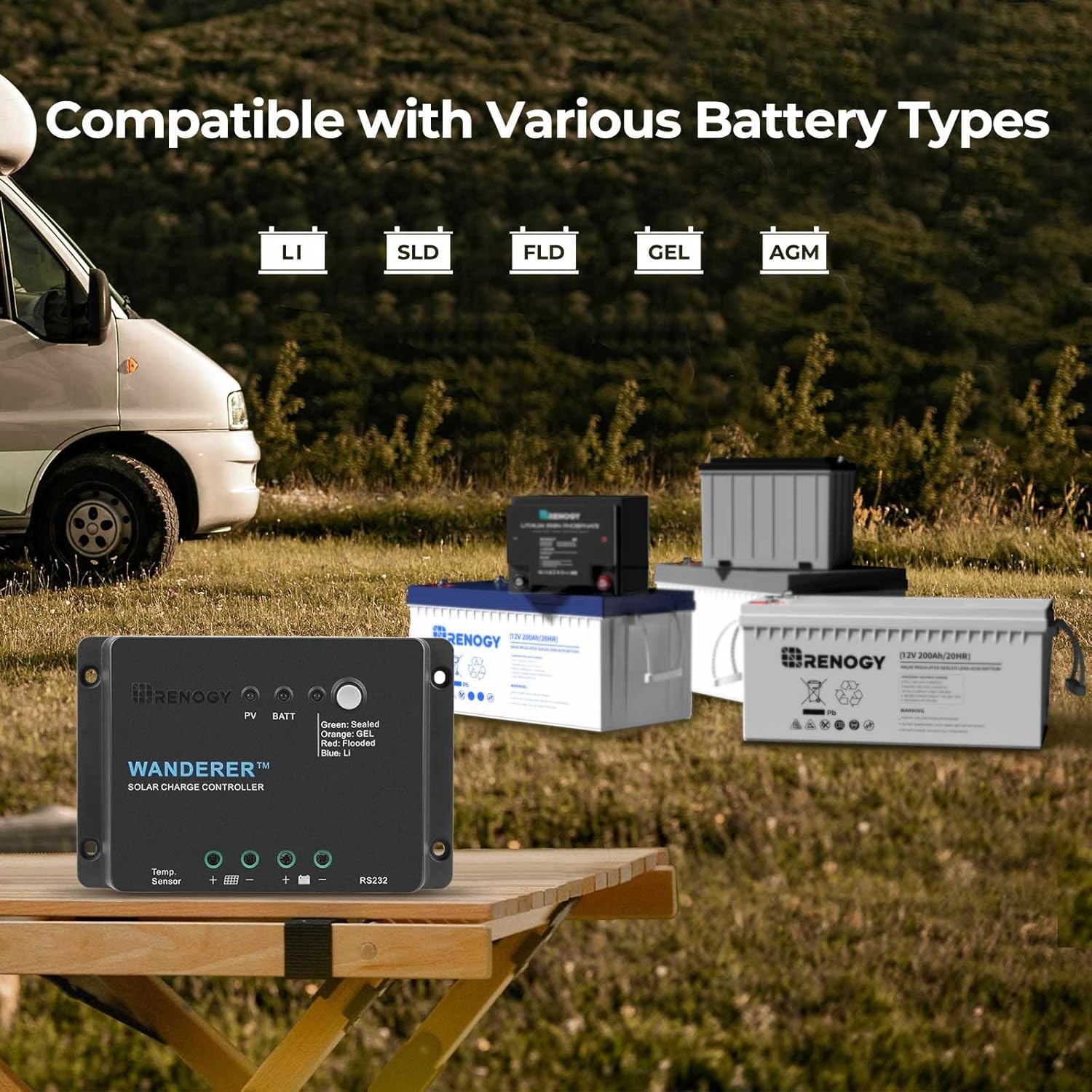
Figure 2.1: The charge controller is compatible with various battery types including Lithium, Sealed Lead Acid (SLD), Flooded (FLD), Gel, and AGM batteries.

Figure 2.2: Overview of the controller's functional versatility, including operating modes and certifications.
3. Setup
3.1 Mounting
The Wanderer Li controller can be mounted using its pre-drilled holes for tool-free DIN rail or wall mounting. Ensure the mounting location is dry, well-ventilated, and protected from direct sunlight and extreme temperatures. Allow sufficient space around the controller for air circulation.
3.2 Wiring Connections
Follow the connection order carefully to prevent damage to the controller or battery. Always connect the battery first, then the solar panel, and finally the load (if applicable). Disconnect in the reverse order.
- Connect the Battery: Connect the positive and negative terminals of your battery to the corresponding battery terminals on the charge controller. Ensure a secure connection.
- Connect the Solar Panel: Connect the positive and negative terminals of your solar panel(s) to the corresponding PV (solar panel) terminals on the charge controller.
- Connect the Load (Optional): If using the load terminals, connect your DC load to the corresponding load terminals on the charge controller.
- Connect Temperature Sensor (Optional): For optimal battery charging, especially in varying climates, connect the optional BT-1 module (sold separately) to the RS232 port. This enables dynamic temperature compensation.
Recommended Wire Size: Use wires with a gauge of 10 AWG or larger for optimal performance and safety.
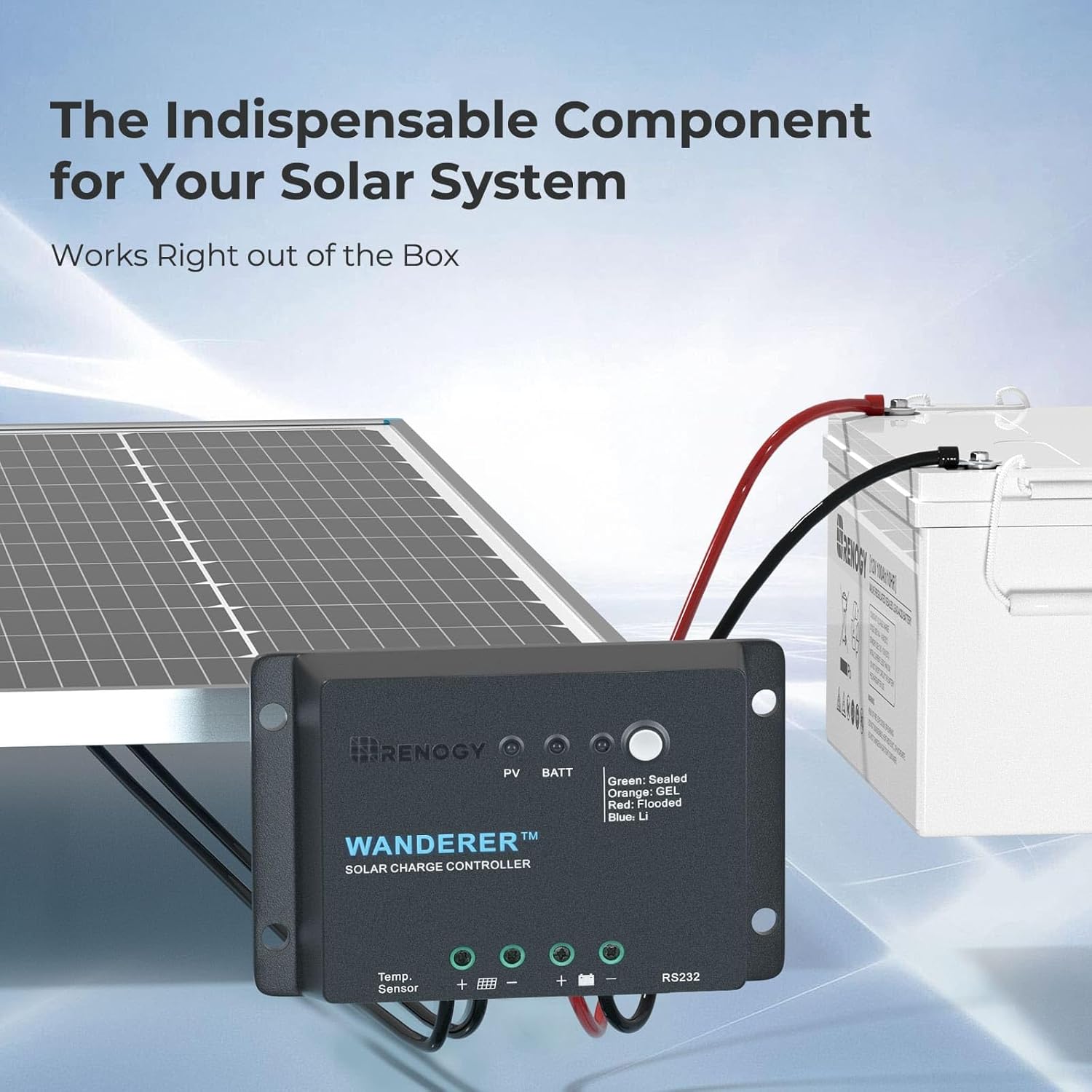
Figure 3.1: Diagram showing the connection of solar panel, charge controller, and battery.

Figure 3.2: Close-up view of the charge controller's connection ports for temperature sensor, solar panel, battery, and RS232.
4. Operating Instructions
4.1 LED Indicators
The controller features intuitive LED indicators to display the charging status and selected battery type:
- PV LED: Indicates solar panel input status.
- BATT LED: Indicates battery charging status.
- Battery Type LED: Changes color to indicate the selected battery type (Green: Sealed, Orange: GEL, Red: Flooded, Blue: Li).
4.2 4-Stage Charging Process
The controller employs a 4-stage PWM charging process to ensure optimal battery health and longevity:
- Bulk Charge: Charges the battery at maximum current until it reaches approximately 80% capacity.
- Boost Charge: Stabilizes the voltage for 120 minutes to ensure the battery is fully charged.
- Float Charge: Maintains the battery at a full state of charge with a micro-current, preventing overcharging.
- Equalization Charge: Automatically performs an equalization charge every 25 days for Flooded batteries to balance cell voltages.

Figure 4.1: Visual representation of the 4-stage charging process.
4.3 Battery Type Selection
The controller automatically detects and optimizes charging for various battery types. You can manually switch battery types if needed by pressing the button on the controller. Refer to the LED indicator for the currently selected battery type.
4.4 Bluetooth Monitoring (Optional)
For advanced monitoring capabilities, pair the BT-1 module (sold separately) with your Wanderer Li controller. This allows you to monitor solar input, battery State of Charge (SOC), and receive fault alerts via the Renogy DC Home App on your smartphone or tablet.

Figure 4.2: Illustration of real-time monitoring setup using the BT-1 module and DC Home App.
5. Maintenance
To ensure the longevity and optimal performance of your Renogy Wanderer Li Solar Charge Controller, regular maintenance is recommended:
- Inspect Connections: Periodically check all wiring connections for tightness and corrosion. Loose connections can lead to power loss or overheating.
- Clean the Controller: Keep the controller clean and free from dust, dirt, and debris. Use a dry cloth to wipe the surface. Do not use harsh chemicals or abrasive cleaners.
- Ventilation: Ensure that the area around the controller remains well-ventilated to prevent overheating. Do not block any ventilation openings.
- Environmental Conditions: While the controller is designed for durability, avoid exposing it to extreme moisture or temperatures beyond its operating range (-4°F to 140°F).
6. Troubleshooting
The Renogy Wanderer Li Solar Charge Controller is equipped with multiple protection features to prevent damage. If you encounter issues, refer to the following common problems and solutions:
6.1 Protection Features
- Reverse Polarity Protection: Protects the controller and battery from damage if the battery or solar panel connections are reversed.
- Overcharging Protection: Prevents the battery from being overcharged, extending its lifespan.
- Overload Protection: Shuts down the load output if the current exceeds the rated capacity.
- Short Circuit Protection: Protects against short circuits in the solar panel or load circuits.
- Reverse Current Protection: Prevents current from flowing back from the battery to the solar panel at night.
- Temperature Compensation: Adjusts charging parameters based on battery temperature (with optional sensor) to prevent undercharge or overvoltage.

Figure 6.1: Infographic detailing the comprehensive protection features of the controller.
6.2 Common Issues
- No Charging Indication: Check solar panel connections, ensure sufficient sunlight, and verify battery voltage.
- Load Not Working: Check load connections, ensure the load current does not exceed the controller's rating, and verify battery charge level.
- Incorrect Battery Type Indication: Press the battery type selection button to cycle through options and ensure the correct type is selected.
7. Specifications
| Attribute | Value |
|---|---|
| Display Type | LED |
| Operating Temperature | -4°F to 140°F (-20°C to 60°C) |
| UPC | 840315237421 |
| Manufacturer | RENOGY |
| Product Dimensions | 6.45 x 4.31 x 1.76 inches (16.38 x 10.95 x 4.47 cm) |
| Item Weight | 11.3 ounces (320 grams) |
| ASIN | B0DXF37VLR |
| Batteries required | No |
| Included Components | Wanderer 30A solar charge controller |
| Color | Black |
| Voltage | 12 Volts |
| Material | Acrylonitrile Butadiene Styrene (ABS), Plastic |
8. Warranty and Support
8.1 Warranty Information
The Renogy Wanderer Li 30A PWM Solar Charge Controller comes with a 2-Year Material and Workmanship Warranty. This warranty covers defects in materials and manufacturing under normal use. Please retain your proof of purchase for warranty claims.
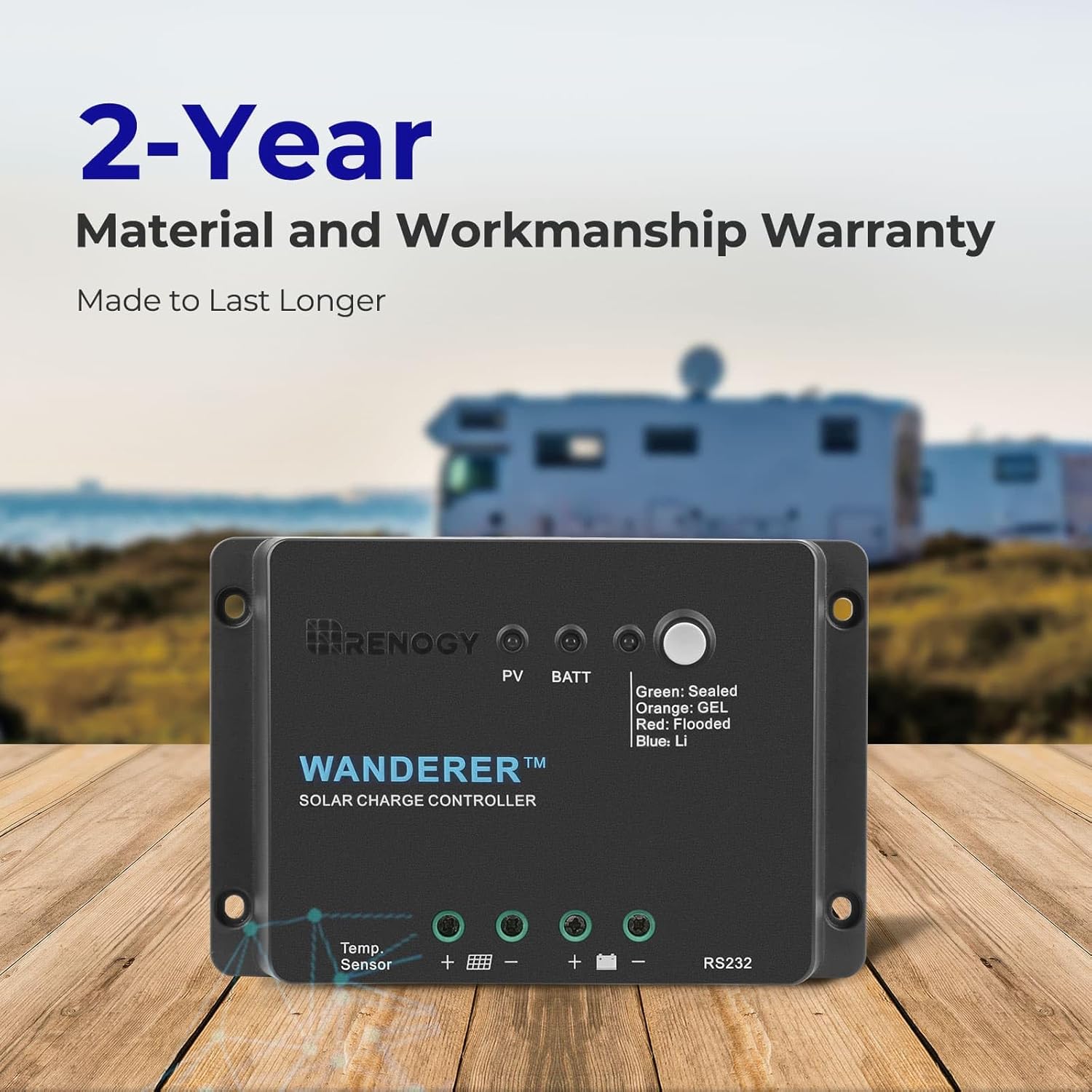
Figure 8.1: The product is backed by a 2-year material and workmanship warranty.
8.2 Customer Support
For technical assistance, troubleshooting, or warranty inquiries, please contact Renogy customer service. You can find more information and support resources on the official Renogy website or their Amazon Brand Store:


