
1. Introduction
This manual provides detailed instructions for the Vgate iCar3 ELM327 OBD2 Diagnostic Scanner. This device is designed to read diagnostic trouble codes (DTCs) and display real-time vehicle performance data when connected to a vehicle's On-Board Diagnostics II (OBD2) port. It supports both Bluetooth and WiFi connectivity for use with compatible Android applications.
2. Product Overview
The Vgate iCar3 is a compact OBD2 interface. It features a standard OBD2 connector for direct plug-in to your vehicle's diagnostic port and provides wireless communication capabilities.
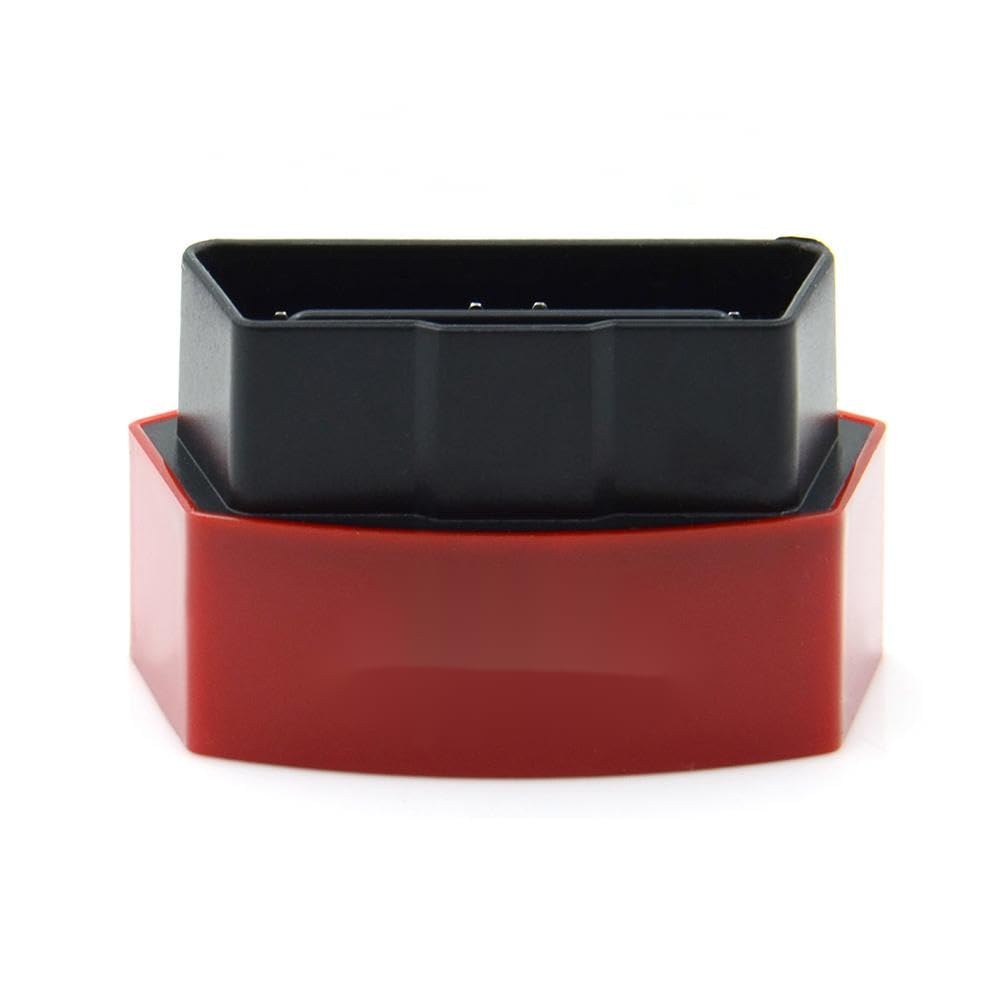
Figure 1: The Vgate iCar3 ELM327 OBD2 Diagnostic Scanner. This image shows the compact red and black device, with the black OBD2 connector visible on top of the red base.
3. Setup Instructions
3.1. Device Installation
- Locate the OBD2 Port: The OBD2 port is typically located under the dashboard on the driver's side of the vehicle. Refer to your vehicle's owner's manual for the exact location.
- Connect the Device: Firmly plug the Vgate iCar3 scanner into the vehicle's OBD2 port. Ensure a secure connection.
- Ignition On: Turn the vehicle's ignition to the 'ON' position (do not start the engine unless required by your diagnostic application). The device's indicator lights should illuminate, indicating power.
3.2. Software Setup (Android)
The Vgate iCar3 requires a compatible OBD2 diagnostic application on your Android device. Popular applications include Torque Lite/Pro, OBD Fusion, Car Scanner ELM OBD2, etc. Download your preferred application from the Google Play Store.
3.3. Wireless Connection
Depending on your iCar3 model (Bluetooth or WiFi), follow the respective connection steps:
For Bluetooth Models:
- Enable Bluetooth: On your Android device, go to Settings > Bluetooth and ensure Bluetooth is enabled.
- Pair Device: Scan for available devices. The scanner should appear as 'Vgate' or 'OBDII'. Select it to pair. The default pairing code is usually '1234' or '0000'.
- Configure App: Open your chosen OBD2 application. Go to its settings and select 'Bluetooth' as the connection type, then choose the paired 'Vgate' or 'OBDII' device.
For WiFi Models:
- Enable WiFi: On your Android device, go to Settings > Wi-Fi and ensure Wi-Fi is enabled.
- Connect to Network: Scan for available Wi-Fi networks. The scanner will broadcast a network named 'V-LINK', 'OBDII', or similar. Connect to this network. No password is typically required.
- Configure App: Open your chosen OBD2 application. Go to its settings and select 'Wi-Fi' as the connection type. Ensure the correct IP address (usually 192.168.0.10 or 192.168.0.11) and port (usually 35000) are configured.
4. Operating Instructions
Once the Vgate iCar3 is connected to your vehicle and paired with your Android device and OBD2 application, you can begin diagnostics.
- Start the Application: Launch your chosen OBD2 diagnostic application on your Android device.
- Establish Connection: The application should automatically attempt to connect to the iCar3 scanner. Confirm that the connection status in the app indicates a successful link.
- Read Diagnostic Trouble Codes (DTCs): Navigate to the 'Read Codes' or 'DTCs' section of your application. This will display any active or pending fault codes stored in your vehicle's Engine Control Unit (ECU).
- Clear DTCs: If necessary, and after addressing the underlying issue, you can use the 'Clear Codes' function in the app to turn off the Check Engine Light (CEL). Warning: Do not clear codes without understanding and fixing the problem, as this can mask serious issues.
- View Live Data: Access the 'Live Data' or 'Dashboard' section to monitor various vehicle parameters in real-time, such as engine RPM, vehicle speed, coolant temperature, fuel system status, and more.
- Perform Sensor Tests: Some applications allow you to perform specific sensor tests or view freeze frame data, which captures vehicle conditions at the moment a DTC was set.
5. Maintenance
The Vgate iCar3 scanner requires minimal maintenance to ensure longevity and proper function.
- Cleaning: Wipe the device with a soft, dry cloth. Avoid using harsh chemicals or abrasive cleaners.
- Storage: When not in use, store the device in a cool, dry place away from direct sunlight and extreme temperatures.
- Firmware Updates: Check the Vgate official website or your diagnostic application's support page for any available firmware updates for the iCar3.
6. Troubleshooting
If you encounter issues with your Vgate iCar3 scanner, refer to the following common troubleshooting steps:
- Device Not Powering On:
- Ensure the device is securely plugged into the OBD2 port.
- Verify the vehicle's ignition is in the 'ON' position.
- Check the vehicle's OBD2 port for any damage or blown fuses (refer to your vehicle's manual).
- Cannot Connect via Bluetooth/WiFi:
- Ensure Bluetooth/WiFi is enabled on your Android device.
- For Bluetooth: Unpair and re-pair the device. Try default codes '1234' or '0000'.
- For WiFi: Ensure you are connected to the 'V-LINK' or 'OBDII' network and not your home Wi-Fi. Verify app settings for IP and port.
- Close and restart the diagnostic application.
- Restart your Android device.
- Application Not Reading Data:
- Confirm the iCar3 is properly connected to the vehicle and your Android device.
- Ensure the correct connection type (Bluetooth/WiFi) and device are selected in the app settings.
- Try a different OBD2 diagnostic application to rule out app-specific issues.
- Verify your vehicle supports the ELM327 protocol (most vehicles manufactured after 1996 do).
7. Specifications
| Feature | Detail |
|---|---|
| Model Name | iCar3 |
| Manufacturer Part Number | lzqcsf-25215-469 |
| Connectivity | Bluetooth / WiFi (model dependent) |
| Supported Protocols | OBD2 (ISO15765-4 (CAN), ISO14230-4 (KWP2000), ISO9141-2, J1850 VPW, J1850 PWM) |
| Operating Voltage | 9V ~ 16V |
| Operating Current | 45mA |
| Operating Temperature | -40°C to 85°C |
| Supported Devices | Android smartphones and tablets |
8. Warranty and Support
Specific warranty information for this product is not provided in the available data. For warranty claims or technical support, please refer to the retailer or manufacturer's official support channels where the product was purchased.


