
1. Introduction
This manual provides detailed instructions for the installation, operation, and maintenance of the Veinasa Mini-C2H 4-20mA Ultrasonic Wind Speed and Direction Instrument. This compact 2-in-1 weather station is designed for accurate measurement of wind speed and direction, utilizing ultrasonic technology for reliable performance in various applications.

Image 1.1: The Veinasa Mini-C2H Ultrasonic Wind Speed and Direction Instrument.
2. Product Overview
The Mini-C2H is a compact and robust instrument designed for precise wind measurement. It integrates both wind speed and wind direction sensing into a single unit, providing a 4-20mA analog output for easy integration into industrial control systems.
Key Features:
- Maintenance-Free Operation: Designed with no moving parts, eliminating wear and tear and reducing maintenance requirements.
- Compact Design: Utilizes ultrasonic probe reflection type for a more compact structure.
- Durable Construction: Available with engineering plastic or aluminum alloy casing, ensuring durability while remaining lightweight.
- High Precision: Incorporates acoustic phase compensation technology for enhanced measurement accuracy.
- Wide Measuring Range: Capable of measuring wind speeds from 0 to 40 m/s.
- Standard Output: Provides a 4-20mA digital output for industrial compatibility.
- Low-Power Design: Optimized for energy efficiency.
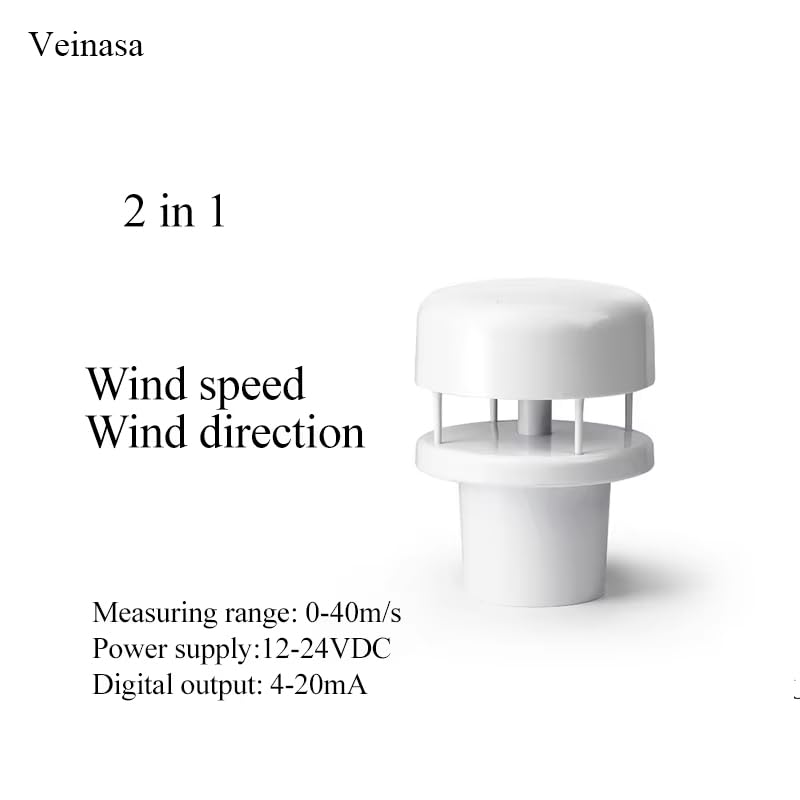
Image 2.1: Mini-C2H highlighting its 2-in-1 functionality for wind speed and direction, with key specifications.

Image 2.2: The Mini-C2H sensor, designed for high intensity, high precision, and waterproof performance.
What's in the Box:
- Veinasa Mini-C2H Ultrasonic Wind Speed and Direction Instrument
- Mounting accessories (may vary by package)
- User Manual (this document)
3. Specifications
| Feature | Specification |
|---|---|
| Model | Mini-C2H 4-20mA |
| Product Dimensions | 4"D x 2"W x 2"H (approximately 10.16 cm D x 5.08 cm W x 5.08 cm H) |
| Weight | 1.1 Pounds (approximately 0.5 kg) |
| Measuring Range (Wind Speed) | 0-40 m/s |
| Output Signal | 4-20mA (Analog) |
| Power Supply | 12-24VDC |
| Material | Plastic (Engineering Plastic or Aluminum Alloy options may exist) |
| Connectivity Technology | Wi-Fi (Note: This specification might refer to a gateway or data logger, as the sensor itself typically uses wired output like 4-20mA. Please refer to your specific system setup.) |
| Color | White |
| Special Feature | Ultrasonic Wind Speed And Direction Instrument |
| Recommended Uses | Family weather stations, farmland meteorological detection, tower crane wind speed monitoring. |

Image 3.1: Technical drawing showing the dimensions of the Mini-C2H instrument.
4. Setup and Installation
Proper installation is crucial for accurate measurements. Consider the mounting location carefully to avoid obstructions that could interfere with wind flow.
4.1 Mounting the Sensor
The Mini-C2H can be mounted using a small flange or other suitable mounting hardware. Ensure the sensor is level and securely fastened to a stable structure.

Image 4.1: Example of a small flange mounting solution for the Mini-C2H sensor.
4.2 Electrical Connection (4-20mA Output)
The Mini-C2H 4-20mA model provides an analog current output. Connect the sensor to your data acquisition system or PLC according to the wiring diagram below. Ensure the power supply is within the specified 12-24VDC range.

Image 4.2: The sensor's electrical connector for wiring.

Image 4.3: Example wiring diagram for the 4-20mA output. Consult your system's documentation for specific integration details.
Wiring Color Code (Typical):
- VCC: Power Supply Positive (12-24VDC)
- GND: Ground
- Output: 4-20mA Signal Line
Always verify the specific wiring diagram provided with your sensor or consult Veinasa technical support if unsure.
5. Operating Instructions
Once properly installed and powered, the Mini-C2H instrument will continuously measure wind speed and direction. The 4-20mA output signal will correspond to the measured wind parameters.
5.1 Data Interpretation (4-20mA)
The 4-20mA output is a standard industrial signal where:
- 4mA: Represents the minimum measured value (e.g., 0 m/s wind speed).
- 20mA: Represents the maximum measured value (e.g., 40 m/s wind speed).
Your data acquisition system or PLC will need to be configured to scale this current signal back into meaningful wind speed and direction values. Refer to the sensor's calibration sheet or technical documentation for precise scaling factors.
5.2 Applications
The Mini-C2H is suitable for various monitoring applications:

Image 5.1: Examples of Mini-C2H deployment in different environments.
- Family Weather Stations: For personal meteorological data collection.
- Farmland Meteorological Detection: Assisting in agricultural planning and operations.
- Tower Crane Wind Speed Monitoring: Ensuring safety in construction environments.
- Industrial Monitoring: Integration into various industrial control and monitoring systems.
6. Maintenance
The Veinasa Mini-C2H is designed for minimal maintenance due to its ultrasonic technology and lack of moving parts. This significantly reduces the need for routine servicing compared to traditional mechanical wind sensors.
- Periodic Cleaning: While maintenance-free, it is recommended to periodically inspect the sensor for any accumulation of dirt, dust, or debris on the ultrasonic transducers. Gently clean the surfaces with a soft, damp cloth if necessary. Avoid abrasive materials or harsh chemicals.
- Cable Inspection: Periodically check the connecting cable for any signs of wear, damage, or corrosion. Ensure all connections remain secure.
- Environmental Considerations: The sensor is designed to be robust and waterproof. However, extreme environmental conditions (e.g., severe icing) might temporarily affect performance. Ensure the sensor is installed in a location that minimizes such impacts where possible.
7. Troubleshooting
If you encounter issues with your Mini-C2H instrument, consider the following troubleshooting steps:
- No Output/Incorrect Readings:
- Verify power supply: Ensure the sensor is receiving stable 12-24VDC power.
- Check wiring: Confirm all electrical connections are correct and secure according to the wiring diagram.
- Inspect cables: Look for any damaged or corroded cables.
- Check data acquisition system: Ensure your receiving device (PLC, data logger) is correctly configured to read a 4-20mA signal and that its scaling is accurate.
- Inconsistent Readings:
- Environmental obstructions: Ensure there are no nearby objects (buildings, trees, other equipment) that could be interfering with wind flow around the sensor.
- Sensor cleanliness: Clean the ultrasonic transducers if there is any visible accumulation of dirt or debris.
- Electromagnetic interference: Ensure the sensor and its cabling are not exposed to strong electromagnetic fields that could affect the analog signal.
- Physical Damage:
- If the sensor has sustained physical damage, contact Veinasa support for repair or replacement options.
If the problem persists after performing these checks, please contact Veinasa technical support for further assistance.
8. Warranty and Support
For warranty information and technical support, please refer to the official Veinasa website or contact your authorized distributor. Keep your purchase receipt and product model number (Mini-C2H 4-20mA) handy when contacting support.
Manufacturer: Veinasa
Website: www.veinasa.com (Note: This is a placeholder URL, please verify the actual official website for Veinasa.)