
ANENG A3015 Normal Version
ANENG A3015 Multimeter & Circuit Tester User Manual
Model: A3015 Normal Version
1. Introduction
The ANENG A3015 is a versatile 2-in-1 device functioning as both a multimeter and an automotive circuit tester. It is designed for a wide range of electrical testing and maintenance tasks, particularly in automotive applications. This device features automatic identification of AC/DC voltage, continuity, and resistance, simplifying its operation. It also includes specialized functions such as AC phase sequence detection, non-contact voltage (NCV) sensing, and polarity indication, making it an essential tool for professionals and DIY enthusiasts alike.

Figure 1.1: ANENG A3015 Multimeter and Circuit Tester with included test lead, sharp probe, alligator clip, and batteries.
2. Package Contents
Please verify that all items listed below are included in your package. If any items are missing or damaged, please contact customer support.
- 1 x ANENG A3015 Voltage Detector (Multimeter/Circuit Tester)
- 1 x Test Lead with Sharp Probe
- 1 x Alligator Clip
- 2 x 1.5V AAA Batteries
- 1 x Screwdriver (for battery compartment)
- 1 x User Manual (this document)

Figure 2.1: Overview of the ANENG A3015 components.
3. Features
- 2-in-1 Functionality: Combines the capabilities of a multimeter and an automotive circuit tester.
- Wide Voltage Range: Measures AC/DC voltages from 0.5V to 600V.
- Smart Mode: Automatically identifies AC/DC voltage, continuity, and resistance for ease of use.
- AC Phase Sequence Detection: Features a dedicated function to determine the forward or reverse phase sequence in three-phase electricity.
- Non-Contact Voltage (NCV) Detection: Safely detects the presence of AC voltage without direct contact.
- Continuity and Resistance Testing: Provides accurate measurements for circuit integrity and component resistance.
- Polarity Indicator: Clearly indicates the polarity of DC voltage.
- Sharp Probe & Alligator Clip: Equipped with a long, sharp stainless steel probe for piercing wires and a large alligator clip for secure connections, enhancing efficiency.
- Backlit LCD Display: Large screen with backlight for clear readability in various lighting conditions, including dark environments.
- Flashlight Function: Integrated flashlight for improved visibility in dimly lit work areas.
- Automatic Shutdown: Powers off automatically after 5 minutes of inactivity to conserve battery life.
- Portable Design: Compact pen-style design for easy carrying and use.
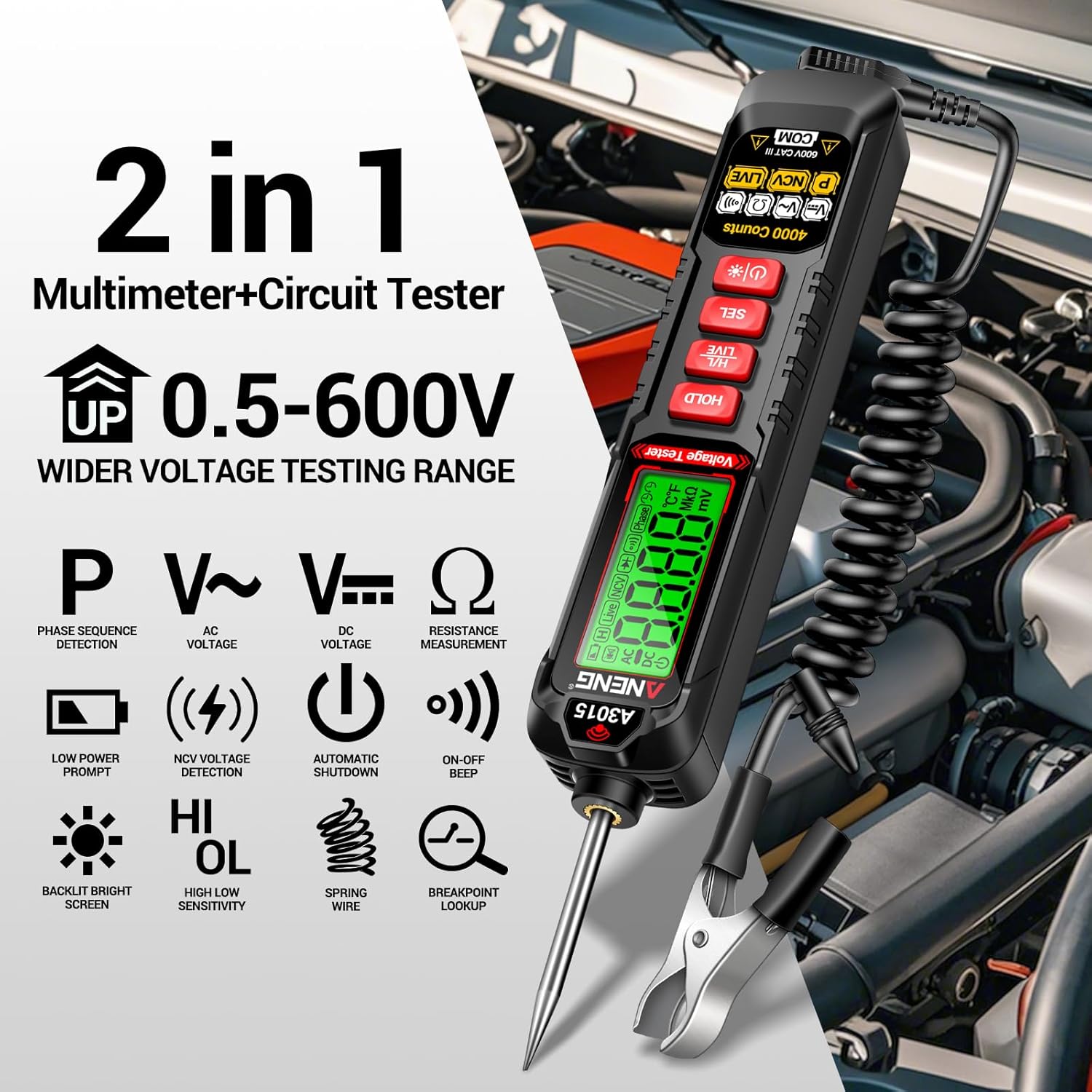
Figure 3.1: Key features of the ANENG A3015, highlighting its dual functionality and wide testing range.


Figure 3.2: Details of the display, probe, and alligator clip.
4. Setup
4.1 Battery Installation
The ANENG A3015 requires two 1.5V AAA batteries for operation. To install or replace batteries:
- Locate the battery compartment cover on the back of the device.
- Use the included screwdriver to loosen the screw securing the cover.
- Remove the cover.
- Insert two 1.5V AAA batteries, ensuring correct polarity (+/-) as indicated inside the compartment.
- Replace the cover and tighten the screw.

Figure 4.1: Battery installation for the ANENG A3015.
4.2 Connecting the Test Lead and Alligator Clip
The device comes with a coiled test lead that connects to the main unit and terminates in a sharp probe. An alligator clip can be attached to the test lead for grounding or securing to test points.
- Insert the plug of the coiled test lead into the designated port at the bottom of the ANENG A3015. Ensure it is fully inserted to prevent wrong insertion.
- Attach the alligator clip to the metal tip of the test lead if required for your testing application.
Figure 4.2: Connecting the test lead and alligator clip.
5. Operating Instructions
The ANENG A3015 defaults to SMART mode, automatically identifying the type of measurement. Press the "SEL" button to cycle through different modes if manual selection is desired.
5.1 AC/DC Voltage Measurement
The device can measure both AC and DC voltages within the 0.5V to 600V range. In SMART mode, it automatically detects the voltage type.
- Ensure the device is powered on.
- Touch the sharp probe to the positive test point.
- Connect the alligator clip to the negative/ground test point.
- The display will show the measured voltage and indicate whether it is AC or DC. For DC, it will also show polarity.

Figure 5.1: Examples of functional measurements.
5.2 Continuity Test
To check for continuity in a circuit or component:
- Ensure the circuit is de-energized before testing.
- Touch the sharp probe to one end of the circuit/component.
- Connect the alligator clip to the other end.
- If there is continuity (low resistance), the device will beep and the display will show a low resistance value.
5.3 Resistance Measurement
To measure the resistance of a component:
- Ensure the component is isolated from any power source.
- Touch the sharp probe to one terminal of the component.
- Connect the alligator clip to the other terminal.
- The display will show the resistance value in Ohms (Ω), Kilo-Ohms (kΩ), or Mega-Ohms (MΩ).
Video 5.1: Demonstration of the ANENG A3015's smart testing capabilities, including automatic identification of AC/DC voltage, continuity, and resistance. This video also shows the phase sequence detection and live wire testing.
5.4 AC Phase Sequence Detection
This feature is used to determine the phase sequence (forward or reverse) of a three-phase AC power supply.
- Ensure the device is in the correct mode (if not automatically detected).
- Carefully touch the sharp probe to the first phase line (A). The screen will flash 'A' and the device will beep.
- Next, touch the probe to the second phase line (B). The screen will flash 'B' and beep.
- Finally, touch the probe to the third phase line (C). The screen will flash 'C'.
- The display will then indicate whether the phase sequence is "Forward" or "Reverse".
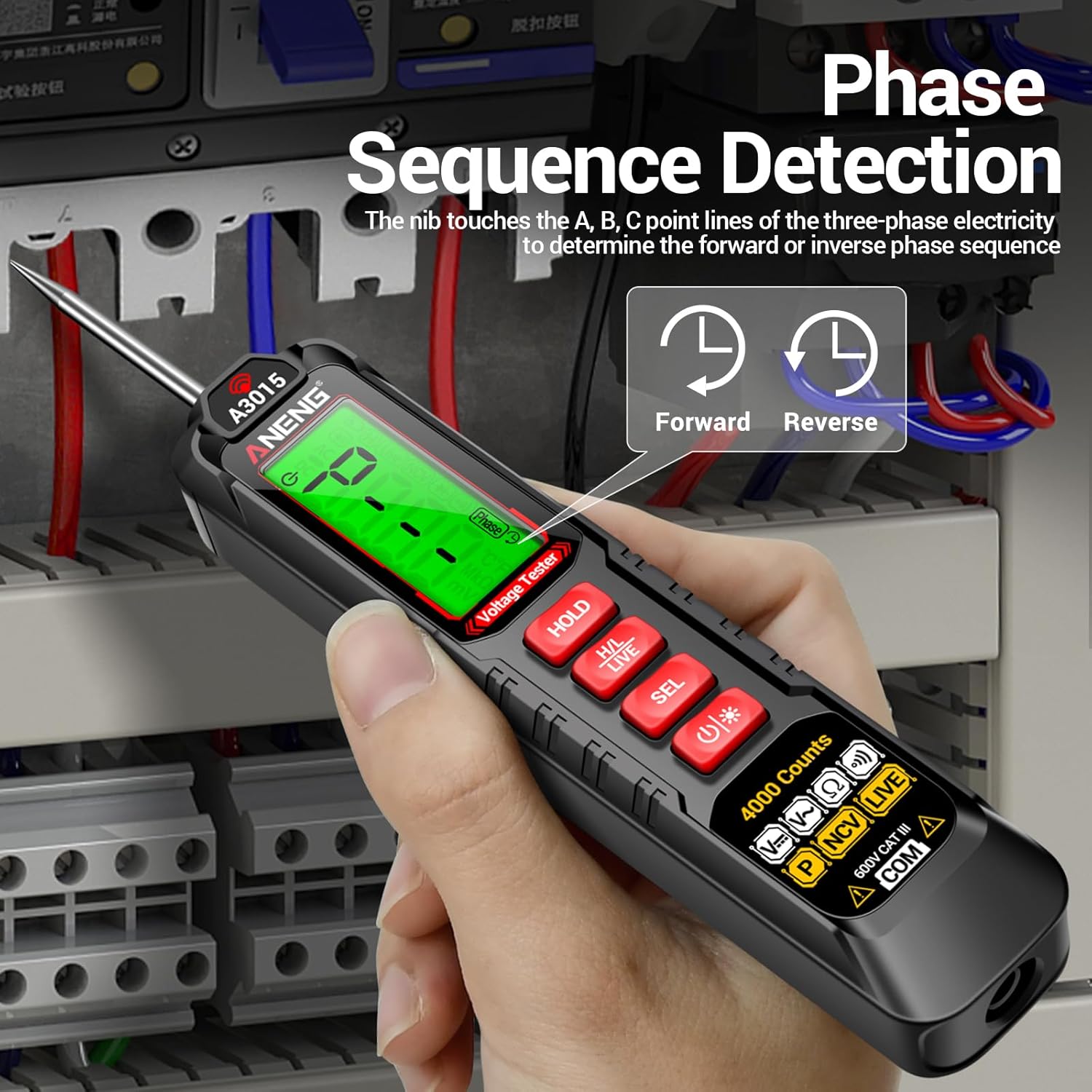
Figure 5.2: Using the ANENG A3015 for phase sequence detection.
5.5 NCV (Non-Contact Voltage) Induction
The NCV function allows for safe detection of AC voltage without direct contact with live wires.
- Select NCV mode (if not automatically detected).
- Bring the tip of the device close to the wire or outlet you wish to test.
- The device will indicate the presence of AC voltage through visual (flashing screen) and audible (beeping) alerts. The intensity of the alarm increases with stronger electric fields.
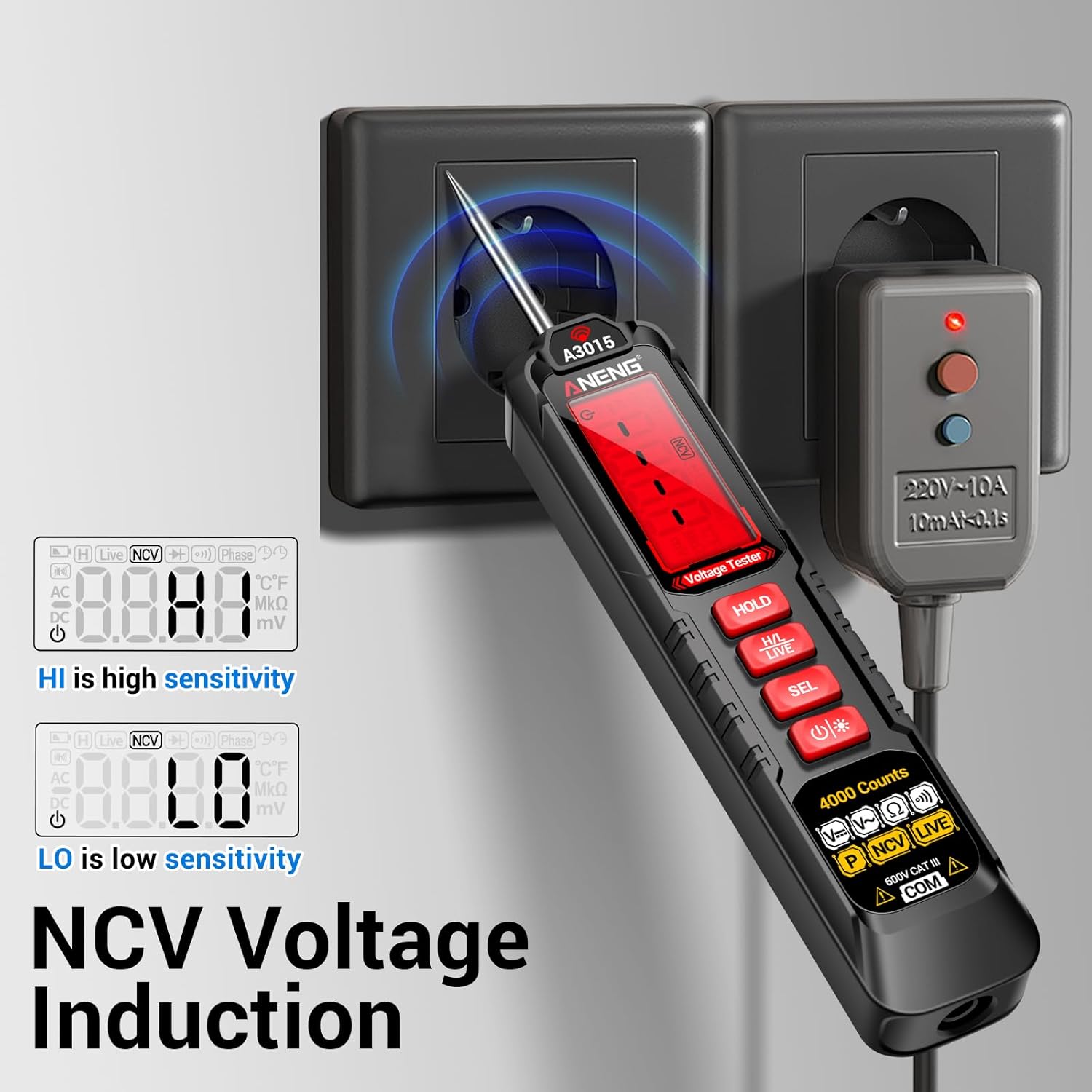
Figure 5.3: NCV voltage detection in action.
5.6 Automotive Fuse Testing
The ANENG A3015 is ideal for testing automotive fuses and circuits.
- For fuse testing, ensure the vehicle's ignition is off.
- Connect the alligator clip to a suitable ground point on the vehicle chassis.
- Carefully touch the sharp probe to each side of the fuse's test points.
- A good fuse will show continuity or voltage (if the circuit is live). A blown fuse will show an open circuit.

Figure 5.4: Testing automotive lines and fuses.

Figure 5.5: Close-up of automotive fuse measurement.
6. Maintenance
- Cleaning: Wipe the device with a dry, soft cloth. Do not use abrasive cleaners or solvents.
- Battery Replacement: Replace batteries when the low battery indicator appears on the display to ensure accurate readings. Refer to Section 4.1 for instructions.
- Storage: Store the device in a cool, dry place away from direct sunlight and extreme temperatures. If storing for extended periods, remove the batteries to prevent leakage.
- Probe and Lead Care: Inspect the test lead and probe for any signs of damage (fraying, cracks) before each use. Replace if damaged.
7. Troubleshooting
| Problem | Possible Cause | Solution |
|---|---|---|
| Device does not power on. | Dead or incorrectly installed batteries. | Check battery polarity or replace batteries. |
| Inaccurate readings. | Low battery; poor contact with test points; incorrect mode selected (if not in SMART mode). | Replace batteries; ensure firm contact; press "SEL" to cycle modes or return to SMART mode. |
| No NCV detection. | No AC voltage present; device not close enough to source. | Verify power is present; move device closer to the live wire. |
| Continuity test shows open circuit when it should be closed. | Component is faulty; poor connection; circuit is de-energized. | Check the component; ensure good contact; continuity tests are performed on de-energized circuits. |
8. Specifications
| Parameter | Value |
|---|---|
| Model | A3015 Normal Version |
| Brand | ANENG |
| Voltage Range | 0.5V - 600V AC/DC |
| Power Source | 2 x 1.5V AAA Battery |
| Display | Backlit LCD, 4000 Counts |
| Automatic Shutdown | Yes (after 5 minutes of inactivity) |
| Dimensions (Package) | 8.07 x 7.24 x 1.33 inches |
| Weight (Package) | 6.07 ounces |
| Color | Black |
| Country of Origin | China |
9. Warranty and Support
ANENG provides service and technical support for the A3015 Multimeter & Circuit Tester. For any questions, issues, or warranty claims, please contact the manufacturer's customer support directly. Refer to the product packaging or the official ANENG website for the most current contact information.
Related documentsA3015 Normal Version


Ask a question about this manual
Ask about setup, troubleshooting, compatibility, parts, safety, or missing instructions. Manuals+ will review the question and use this page’s manual context to help answer it.