
1. Introduction
This manual provides detailed instructions for the proper installation, operation, and maintenance of your YPG 40A Brushless Electronic Speed Controller (ESC). This ESC is designed for use with RC helicopters, supporting 2-6S LiPo batteries and delivering a continuous current of 40A.
Key features of this ESC include:
- Powerful 5.5V/5A Switching BEC
- Optional programming card for convenient setup
- Super fine throttle resolution provides first-rate and highly accurate linearity
- Super smooth adjustable start-up mode
- 3 steps adjustable normal EMF brake
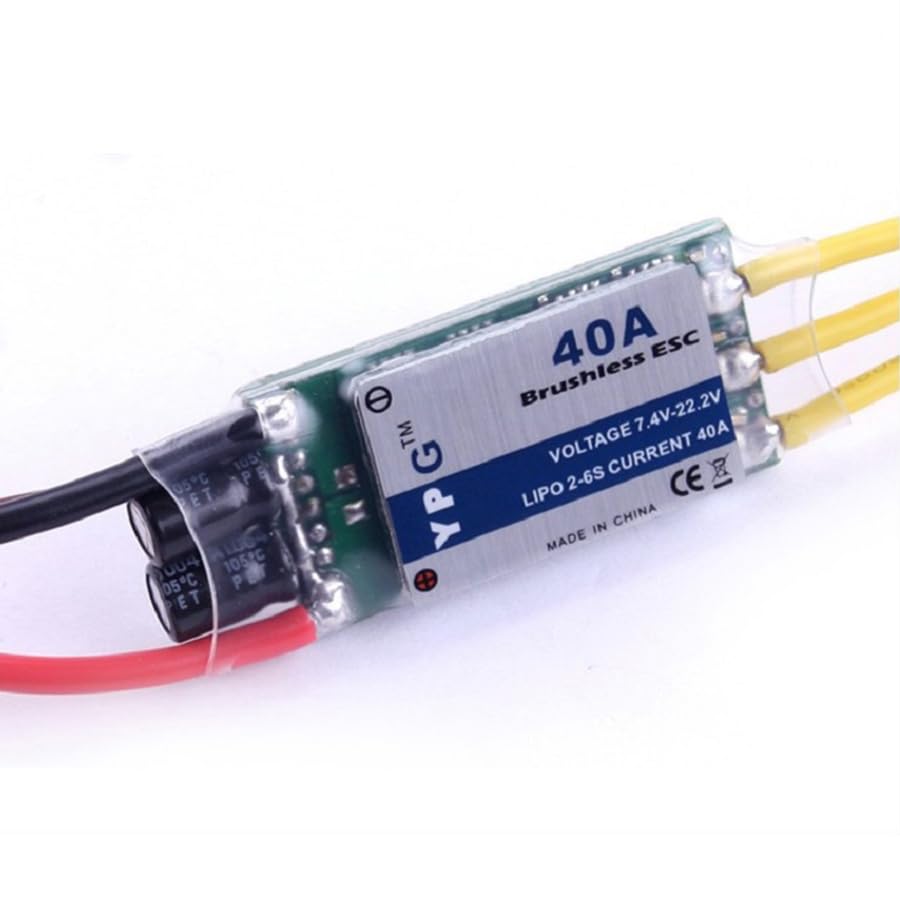
Figure 1: Front view of the YPG 40A Brushless Electronic Speed Controller, showing the 40A rating, voltage range (7.4V-22.2V), and LiPo 2-6S compatibility.
2. What's in the Box
Upon opening the package, verify that all components are present and undamaged. The package should contain:
- 1 x YPG 40A Brushless Electronic Speed Controller (ESC)
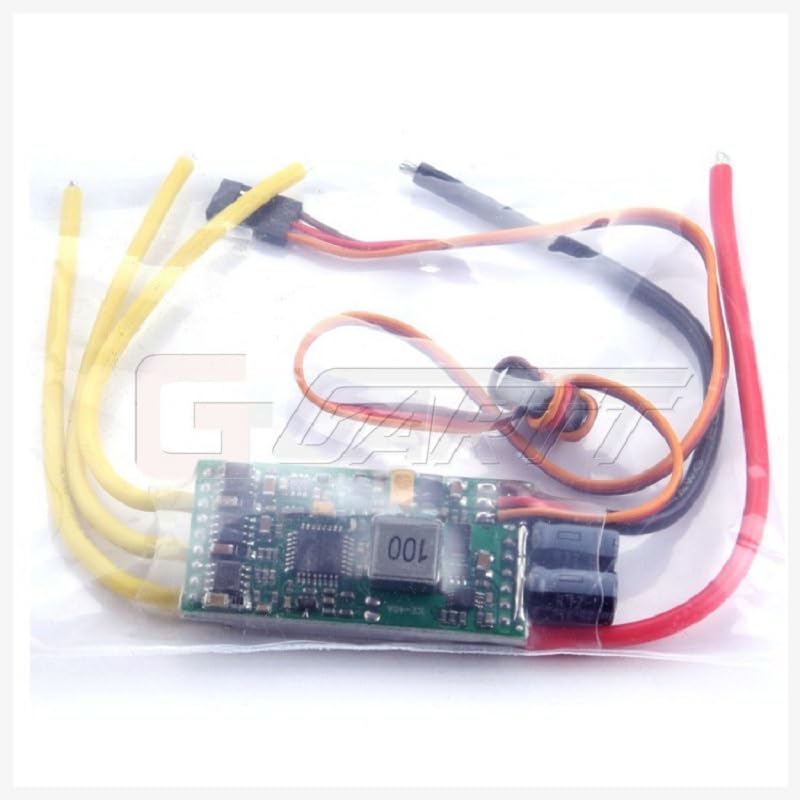
Figure 2: The YPG 40A ESC as received in its protective packaging, displaying the various connection wires for motor, battery, and receiver.
3. Setup and Installation
Proper installation is crucial for the safe and efficient operation of your ESC. Follow these steps carefully:
- Motor Connection: Connect the three thick yellow wires from the ESC to the three motor wires. The order of connection may affect the motor's rotation direction. If the motor spins in the wrong direction, swap any two of the three wires.
- Battery Connection: Connect the thick red wire from the ESC to the positive (+) terminal of your LiPo battery, and the thick black wire to the negative (-) terminal. Ensure correct polarity to prevent damage to the ESC and battery. This ESC supports 2-6S LiPo batteries (7.4V-22.2V).
- Receiver Connection: Connect the thin signal wire (usually a three-wire servo connector: signal, positive, negative) from the ESC to the throttle channel of your RC receiver. The BEC (Battery Eliminator Circuit) built into the ESC provides 5.5V/5A power to the receiver and servos, eliminating the need for a separate receiver battery.
- Calibration (Throttle Range):
- Turn on your transmitter and set the throttle stick to its maximum position.
- Connect the battery to the ESC.
- Listen for a series of beeps indicating the ESC has detected the maximum throttle signal.
- Move the throttle stick to its minimum position.
- Listen for another series of beeps confirming the minimum throttle signal has been set. The ESC is now calibrated.
- Programming (Optional): For advanced settings such as start-up mode, brake type, and timing, an optional programming card can be used. Refer to the programming card's manual for specific instructions.
4. Operating Instructions
Once installed and calibrated, the ESC is ready for operation. Always ensure your RC helicopter is in a safe environment before powering on.
- Throttle Control: The ESC provides super fine throttle resolution, ensuring highly accurate and linear response to your transmitter's throttle input. Gradually increase the throttle for smooth acceleration.
- Start-up Mode: This ESC features a super smooth adjustable start-up mode. This setting controls how quickly the motor spools up from a standstill, preventing sudden jolts and protecting your gears. Adjust this setting via the programming card if a different start-up characteristic is desired.
- Brake Function: The ESC includes a 3-step adjustable normal EMF brake. This function can be configured to stop the motor quickly when the throttle is at minimum, which is useful for folding propellers or specific flight maneuvers.
- BEC Output: The integrated 5.5V/5A Switching BEC efficiently powers your receiver and servos, providing stable voltage even under varying load conditions.
5. Maintenance
Regular maintenance helps prolong the lifespan and ensure reliable performance of your ESC.
- Inspection: Periodically inspect the ESC for any signs of physical damage, such as cracked casing, frayed wires, or burnt components. Check solder joints for integrity.
- Cleaning: Keep the ESC clean and free from dust, dirt, and moisture. Use a soft brush or compressed air to remove debris. Avoid using liquid cleaners directly on the electronic components.
- Heat Management: Ensure adequate airflow around the ESC during operation to prevent overheating. Do not cover the ESC with insulating materials. If the ESC feels excessively hot after use, consider improving ventilation or reducing load.
- Storage: Store the ESC in a dry, cool place away from direct sunlight and extreme temperatures when not in use.
6. Troubleshooting
If you encounter issues with your YPG 40A ESC, refer to the following common problems and solutions:
| Problem | Possible Cause | Solution |
|---|---|---|
| Motor does not spin or stutters. | Incorrect motor wire connection; ESC not calibrated; low battery voltage; motor or ESC damage. | Check motor wire connections (swap two if needed); recalibrate throttle range; charge battery; inspect motor and ESC for damage. |
| ESC beeps continuously or irregularly. | Low battery voltage; throttle signal error; ESC overheating. | Check battery voltage; ensure receiver is powered and connected correctly; allow ESC to cool down. |
| No power to receiver/servos. | BEC failure; incorrect receiver connection; damaged ESC. | Verify receiver connection; check for continuity in BEC wires; if problem persists, ESC may be faulty. |
| Motor spins in the wrong direction. | Incorrect motor wire phasing. | Swap any two of the three motor wires connected to the ESC. |
If the issue persists after attempting these solutions, contact customer support for further assistance.
7. Specifications
Detailed technical specifications for the YPG 40A ESC:
| Feature | Detail |
|---|---|
| Model Name | YPG40A |
| Current (Continuous) | 40A |
| Battery Support | 2-6S LiPo (7.4V-22.2V) |
| BEC Output | 5.5V/5A Switching BEC |
| Product Dimensions | 1.97 x 1.06 x 0.47 inches |
| Material | Metal, Plastic |
| Manufacturer | YPG |
| Recommended Age | 12 months and up |
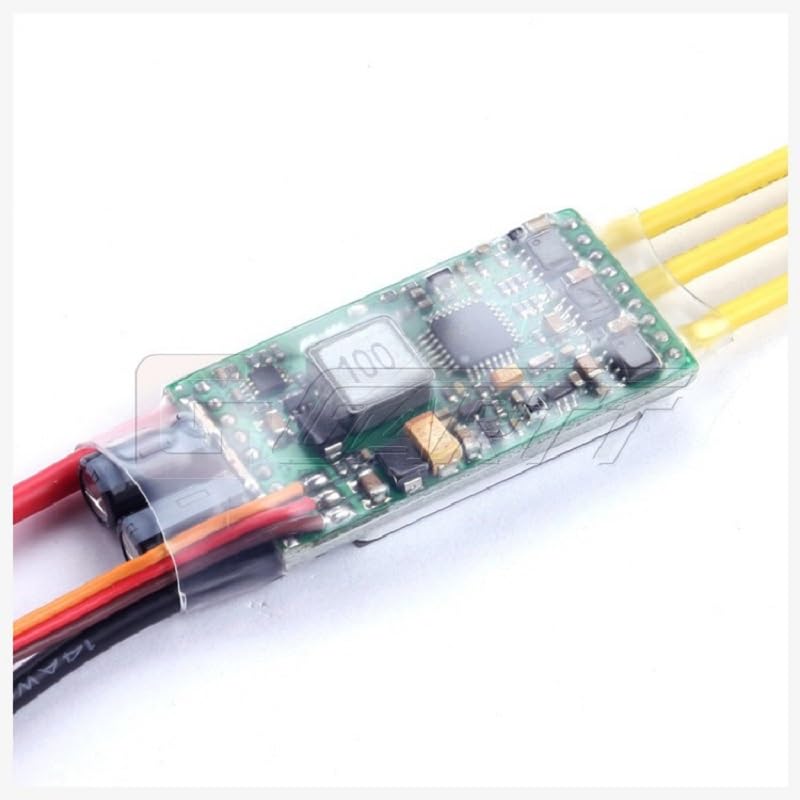
Figure 3: Back view of the YPG 40A ESC, revealing the circuit board and various electronic components.
8. Safety Information
Please read and understand the following safety guidelines before operating the ESC:
- Always ensure correct polarity when connecting the battery to the ESC. Reverse polarity will cause severe damage.
- Never operate the ESC with damaged wires or connectors.
- Keep the ESC away from water and moisture.
- Ensure adequate ventilation to prevent overheating during operation.
- Disconnect the battery from the ESC when not in use to prevent accidental motor activation and battery discharge.
- This product is not a toy. Keep out of reach of small children.
- No specific warnings applicable beyond general electronic safety.
9. Warranty and Support
For warranty information or technical support regarding your YPG 40A ESC, please contact the retailer or manufacturer directly. Keep your proof of purchase for any warranty claims.
For general inquiries or troubleshooting assistance not covered in this manual, you may visit the STASRC official website or contact their customer service department.