
KITCHENARM 851011
KITCHENARM 19-in-1 HANDY Bread Machine User Manual
Model: 851011
Introduction
This manual provides comprehensive instructions for the safe and efficient operation, maintenance, and troubleshooting of your KITCHENARM 19-in-1 HANDY Bread Machine, Model 851011. Please read this manual thoroughly before first use and retain it for future reference.

Figure 1: KITCHENARM 19-in-1 HANDY Bread Machine (Model 851011).
Package Contents
Verify that all items are present and in good condition upon opening the package. If any items are missing or damaged, contact customer service.
- 1 x KITCHENARM Bread Machine (Model KA8510)
- 1 x User Manual & Recipe Book
- 2 x Kneading Paddles (one for use, one spare)
- 1 x Metal Hook for paddle removal
- 1 x US Three-Prong Plug (integrated)
- 1 x Non-Stick Bread Pan (2LB Vertical Pan)
- 2 x Cup-Spoon Sets (measuring cups and spoons)
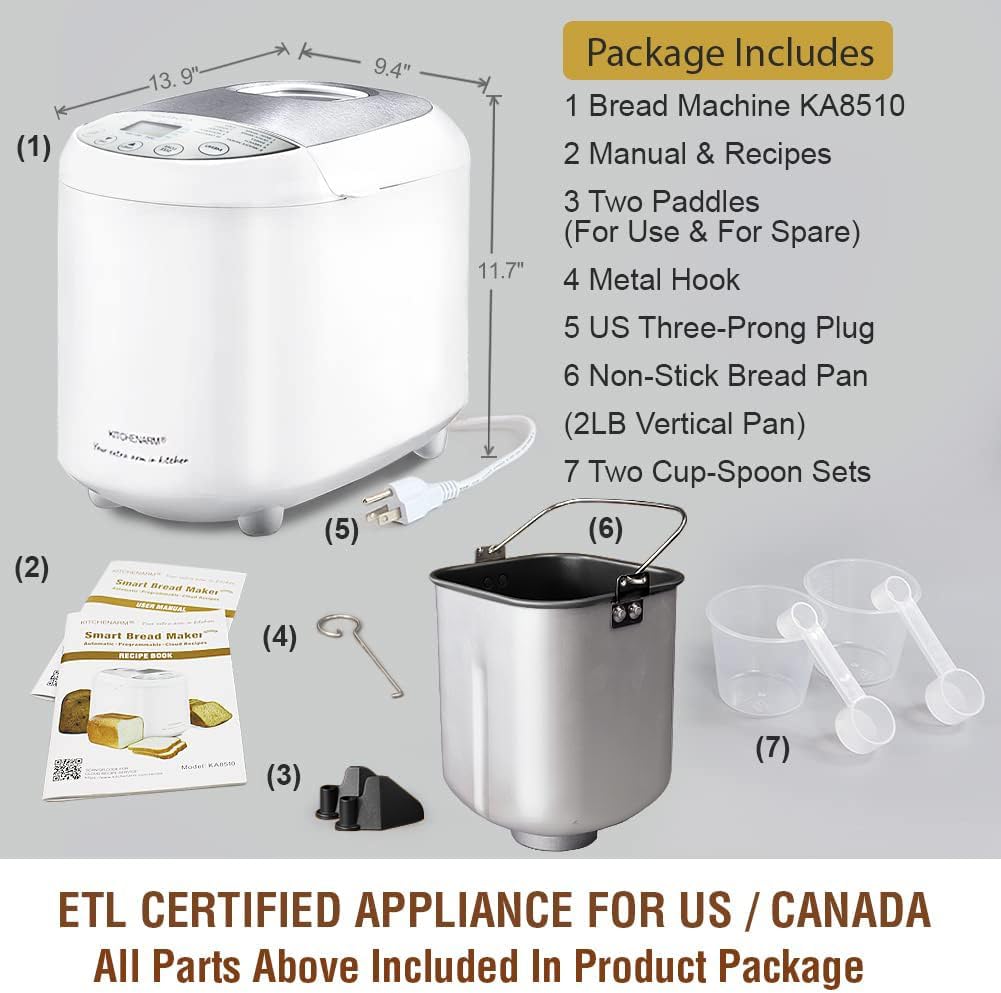
Figure 2: Included accessories and components.
Important Safety Instructions
When using electrical appliances, basic safety precautions should always be followed, including the following:
- Read all instructions.
- Do not touch hot surfaces. Use handles or knobs.
- To protect against electric shock, do not immerse cord, plugs, or appliance in water or other liquid.
- Close supervision is necessary when any appliance is used by or near children.
- Unplug from outlet when not in use and before cleaning. Allow to cool before putting on or taking off parts.
- Do not operate any appliance with a damaged cord or plug or after the appliance malfunctions or has been damaged in any manner. Return appliance to the nearest authorized service facility for examination, repair, or adjustment.
- The use of accessory attachments not recommended by the appliance manufacturer may cause injuries.
- Do not use outdoors.
- Do not let cord hang over edge of table or counter, or touch hot surfaces.
- Do not place on or near a hot gas or electric burner, or in a heated oven.
- Extreme caution must be used when moving an appliance containing hot oil or other hot liquids.
- To disconnect, turn any control to "off", then remove plug from wall outlet.
- Do not use appliance for other than intended use.
- This appliance has a polarized plug (one blade is wider than the other). To reduce the risk of electric shock, this plug is intended to fit into a polarized outlet only one way. If the plug does not fit fully into the outlet, reverse the plug. If it still does not fit, contact a qualified electrician. Do not attempt to modify the plug in any way.
SAVE THESE INSTRUCTIONS.
Setup and First Use
Before First Use: Initial Burn-Off
Before using your bread machine for the first time, it is recommended to perform an initial burn-off cycle to eliminate any manufacturing odors or residues. This process takes approximately 10 minutes.
- Remove all packaging materials and accessories from the bread machine.
- Wipe the interior and exterior of the machine with a damp cloth. Ensure the bread pan and kneading paddle are clean and dry.
- Place the empty bread pan with the kneading paddle inserted into the machine. Close the lid.
- Plug the bread machine into a grounded electrical outlet.
- Select a short baking program (e.g., "Bake" or "Home Made" with a short duration if customizable, or simply run an empty cycle for 10 minutes).
- Allow the machine to run for approximately 10 minutes. A slight odor or smoke may be present; this is normal.
- Unplug the machine and allow it to cool completely for at least 2 hours before proceeding with actual bread making.
Component Identification

Figure 3: Key components of the bread machine.
- Steam Vents: Release steam during baking. Do not block.
- Large Viewing Window: Allows observation of the bread-making process.
- Stainless Steel Lid: Durable and easy to clean.
- Control Panel with LCD Display: For program selection, settings, and status display.
- Bread Pan: Non-stick pan where ingredients are mixed, kneaded, risen, and baked.
- Kneading Paddle: Mixes and kneads the dough.
Operating Instructions
Basic Bread Making Steps
Follow these general steps for most bread recipes. Refer to the included recipe book for specific ingredient quantities and program recommendations.
- Insert Kneading Paddle: Place the kneading paddle onto the shaft inside the bread pan.
- Add Ingredients: Add ingredients to the bread pan in the order specified by your recipe (typically liquids first, then dry ingredients, with yeast added last, often in a small well on top of the flour).
- Place Bread Pan: Insert the bread pan into the bread machine, ensuring it clicks securely into place. Close the lid.
- Select Program: Plug in the machine. Use the "MENU" button to select the desired program (e.g., Basic White, French, Gluten Free).
- Select Loaf Size and Crust Color: Use the "LOAF SIZE" button to choose 1LB, 1.5LB, or 2LB. Use the "CRUST COLOR" button to select Light, Medium, or Dark.
- Start Cycle: Press the "START/STOP" button to begin the bread-making cycle. The machine will automatically mix, knead, rise, and bake.
- Remove Bread: Once the cycle is complete (indicated by a beep), unplug the machine. Carefully remove the hot bread pan using oven mitts. Invert the pan to release the bread onto a wire rack to cool. Use the metal hook to remove the kneading paddle from the loaf if it remains embedded.

Figure 4: Unique 1-Press Bread Making process.
Available Programs
Your KITCHENARM bread machine features 19 pre-programmed menus, including 12 bread menus and 7 non-bread menus. Each program is optimized for specific recipes.
| No. | Program Name | Description / Typical Use |
|---|---|---|
| 1 | Basic White | For white and mixed breads. |
| 2 | Express White | Faster cycle for white bread. |
| 3 | Sweet | For breads with high sugar content. |
| 4 | French | For light breads with a crispy crust. |
| 5 | Gluten Free | Specifically for gluten-free recipes. |
| 6 | Whole Wheat | For whole wheat flour breads. |
| 7 | Dark Rye | For rye bread recipes. |
| 8 | Multigrain | For breads with various grains. |
| 9 | SD Starter | For preparing sourdough starter. |
| 10 | Sourdough | For baking sourdough bread. |
| 11 | Dough | Prepares dough for manual shaping and baking. |
| 12 | Keto | For low-carb, ketogenic bread recipes. |
| 13 | Quick Bread | For quick breads using baking powder/soda. |
| 14 | Cake | For baking cakes. |
| 15 | Jam | For making homemade jams. |
| 16 | Yogurt | For preparing yogurt. |
| 17 | Knead | Only performs kneading cycle. |
| 18 | Bake | Only performs baking cycle. |
| 19 | Home Made | Customizable program for advanced users. |
The machine supports 3 loaf sizes (1LB, 1.5LB, 2LB) and 3 crust colors (Dark, Medium, Light). It also features a 15-Hour Delay Timer and an ADD-NUTS Alarm for adding ingredients at the appropriate time.

Figure 5: Examples of items that can be prepared with the 19 programs.
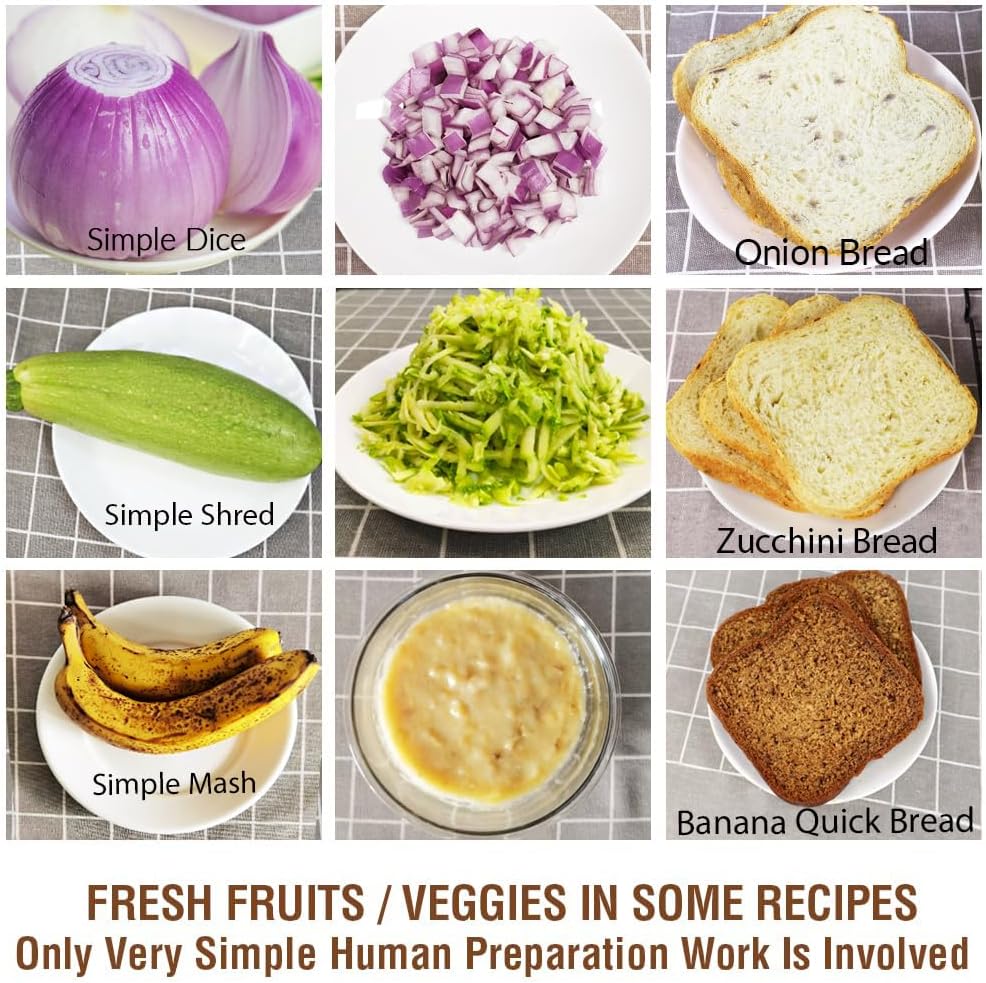
Figure 6: Preparation of fresh fruits and vegetables for recipes.
Care and Maintenance
Cleaning
Proper cleaning ensures the longevity and performance of your bread machine. Always unplug the machine and allow it to cool completely before cleaning.
- Bread Pan and Kneading Paddle: The non-stick bread pan and kneading paddle should be hand washed only with warm, soapy water. Do not use abrasive cleaners or metal scouring pads, as this can damage the non-stick coating. Rinse thoroughly and dry completely.
- Exterior: Wipe the exterior body and control panel with a soft, damp cloth. Do not immerse the main unit in water or any other liquid.
- Interior: Use a soft, damp cloth to wipe the interior of the baking chamber. Remove any crumbs or residue.
- Lid: The stainless steel lid can be wiped clean with a damp cloth. Ensure the viewing window is clear.
Storage
Store the bread machine in a cool, dry place when not in use. Ensure all components are clean and dry before storage.
Troubleshooting
This section addresses common issues you might encounter. For problems not listed here, please contact customer service.
| Problem | Possible Cause | Solution |
|---|---|---|
| Bread does not rise or rises too much. | Incorrect yeast amount, expired yeast, incorrect water temperature, incorrect flour type, too much or too little liquid. | Ensure yeast is fresh and active. Use correct water temperature (lukewarm for active dry yeast). Measure ingredients precisely, preferably by weight. Refer to recipe book for correct flour type. |
| Bread is too dense or heavy. | Too much flour, too little liquid, old yeast, incorrect program. | Reduce flour slightly or increase liquid. Check yeast freshness. Ensure correct program is selected for the recipe. |
| Bread has a large hole at the bottom. | Kneading paddle left in bread during baking. | Some programs allow for removal of the kneading paddle before the final rise. Consult your recipe book or manual for specific program timings. Use the metal hook to remove the paddle after baking. |
| Machine does not start or respond. | Not plugged in, power outage, pan not properly seated, lid not closed. | Ensure the machine is securely plugged into a working outlet. Check circuit breaker. Ensure bread pan is fully inserted and lid is closed. |
| Loud noise during operation. | Bread pan not seated correctly, foreign object in pan, machine on uneven surface. | Ensure bread pan is securely locked in place. Check for any foreign objects. Place machine on a stable, flat surface. |
Product Specifications
- Brand: KITCHENARM
- Model Number: 851011
- Color: White Body - Stainless Steel Lid & Chamber
- Product Dimensions (D x W x H): 9.4" x 13.9" x 11.7"
- Item Weight: 11.97 pounds
- Wattage: 550 watts
- Number of Programs: 19
- Loaf Sizes: 1LB, 1.5LB, 2LB
- Crust Colors: Light, Medium, Dark
- Delay Timer: Up to 15 hours
- Certifications: ETL Certified for US / Canada
- Manufacturer: Kitchenarm LLC
- Product Care: Hand Wash Only (for bread pan and paddle)
Warranty and Customer Support
KITCHENARM is committed to providing high-quality products and excellent customer service.
- Product Warranty: This product comes with a 2-YEAR Product Warranty.
- Customer Service: LIFETIME Customer Service is provided, including access to Cloud Recipes and Recipe Customization assistance.
- Replacement Parts: Original replacement parts are available.
For warranty claims, technical support, or to inquire about replacement parts, please contact Kitchenarm LLC customer service through their official channels. Refer to the contact information provided in your product registration or on the official KITCHENARM website.

Figure 7: KITCHENARM commitment to warranty and customer service.
Ask a question about this manual
Ask about setup, troubleshooting, compatibility, parts, safety, or missing instructions. Manuals+ will review the question and use this page’s manual context to help answer it.