
1. Introduction
This manual provides essential information for the safe and effective use of your Dynarex Resp-O2 M9 Oxygen Cylinder with CGA 870 Post Valve. This 1.7L standard size oxygen cylinder is a lightweight, portable aluminum tank designed for medical and homecare settings, offering 255L oxygen capacity. It is engineered for durability and ease of transport, making it a reliable choice for oxygen therapy.
Key features include:
- Lightweight for Portability: Constructed with brushed aluminum, this tank is 25%-40% lighter than steel, facilitating easy transport for patients and caregivers.
- Durable Construction: Features a clear coat finish for enhanced wear and tear resistance, ensuring long-lasting protection.
- Standard Post Valve: Equipped with CGA 870-style post valves, ensuring compatibility with most oxygen regulators and conservers.
- Meets Industry Standards: Manufactured to rigorous hydrostatic testing standards for consistent performance, safety, and reliability.
2. Safety Information
WARNING: This oxygen tank ships EMPTY and requires a prescription for filling. Oxygen is a medical gas and should only be used as prescribed by a healthcare professional.
- Fire Hazard: Oxygen vigorously supports combustion. Keep cylinders and all oxygen delivery equipment at least 10 feet (3 meters) away from heat sources, open flames, and electrical devices. Do not smoke or allow others to smoke near oxygen equipment.
- Proper Storage: Store oxygen cylinders in a well-ventilated area, away from direct sunlight and extreme temperatures. Secure cylinders to prevent them from falling.
- Handling: Always handle cylinders with care. Do not drop or allow cylinders to strike other objects.
- Maintenance: Regularly inspect cylinders and equipment for damage. Do not use damaged equipment.
- Emergency Procedures: Familiarize yourself with emergency shut-off procedures for your oxygen system. In case of fire or leak, evacuate the area and contact emergency services.
3. Product Overview and Components
The Dynarex Resp-O2 M9 Oxygen Cylinder is designed for user-friendly operation and durability. Below are key visual references and descriptions of its components.
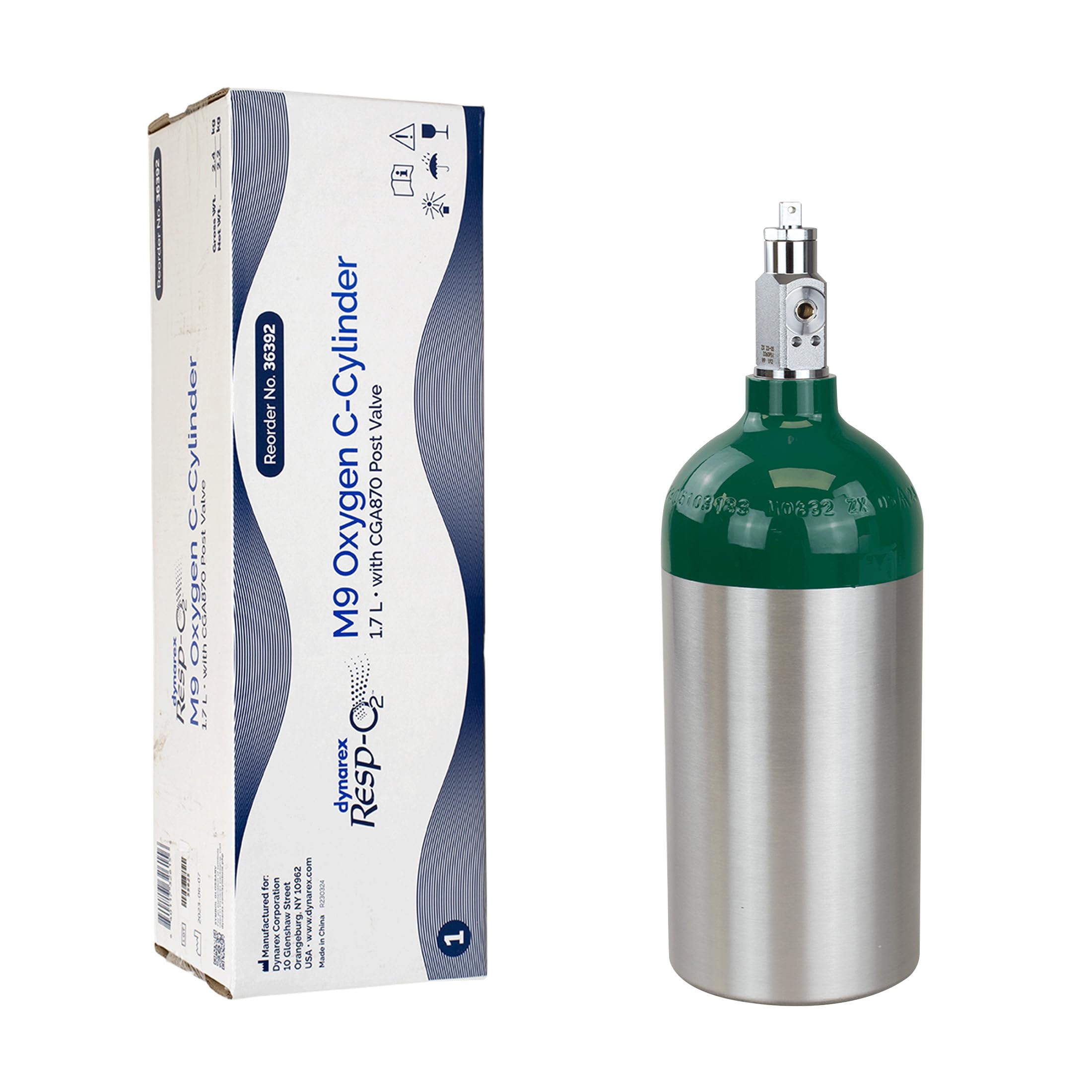
Figure 1: Dynarex Resp-O2 M9 Oxygen Cylinder. This image highlights the cylinder's dimensions (111 mm width, 370 mm height), weight (4.8 pounds), and oxygen capacity (255L). It also notes lightweight construction, 5-year hydrostatic testing compliance, DOT approval, clear coat finish, and suitability for medical/homecare use.
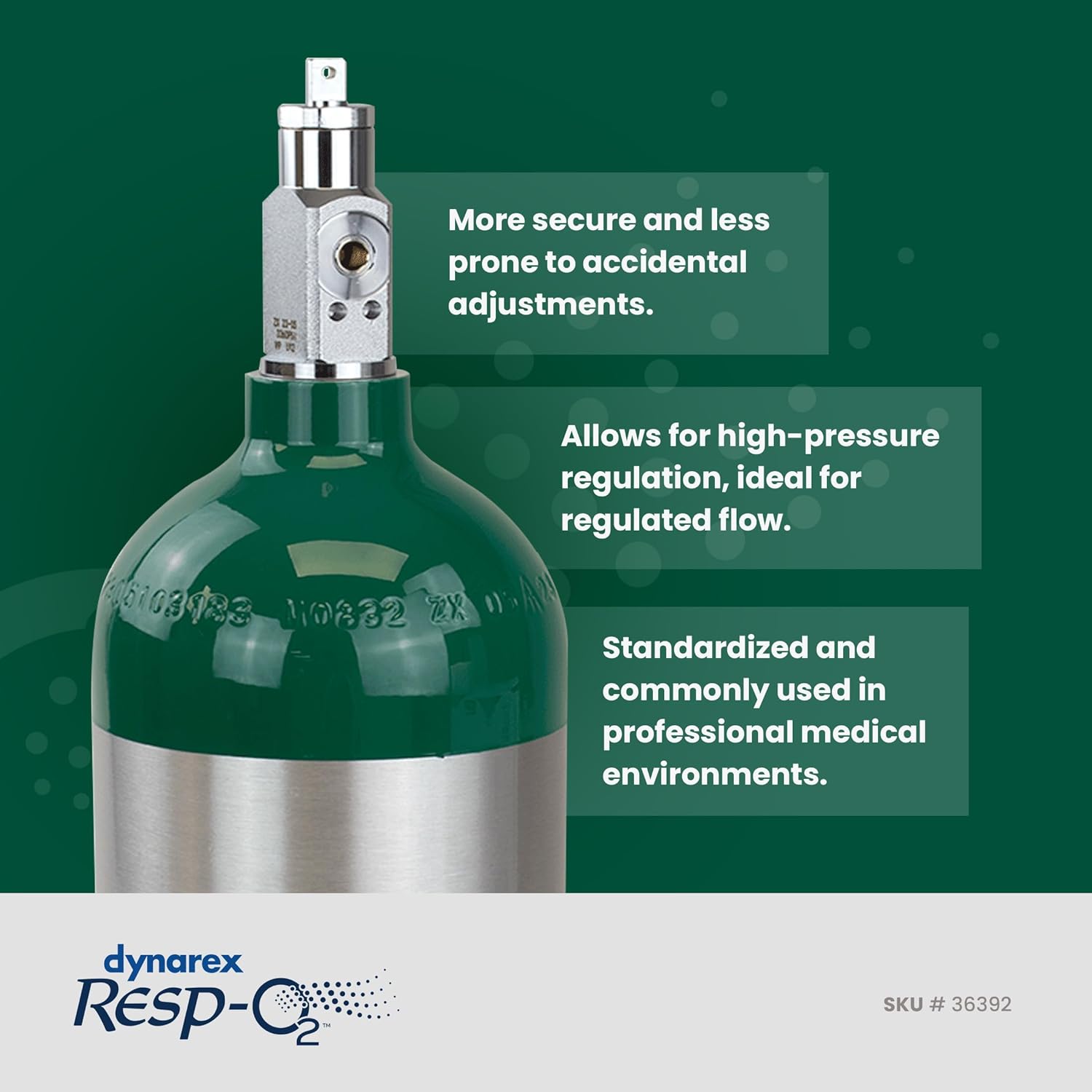
Figure 2: CGA 870 Post Valve. This close-up illustrates the post valve, emphasizing its secure design, suitability for high-pressure regulation, and common use in professional medical environments.

Figure 3: Important Note. This image clearly states that the oxygen tank ships empty and requires a prescription for filling.

Figure 4: Oxygen Tank Markings Explained. This diagram details various markings on the cylinder, such as material of construction, PSI rating, manufacturer's identification number, and date of manufacture (expires 5 years from this date).
4. Setup
Before using your Dynarex Resp-O2 M9 Oxygen Cylinder, ensure you have a compatible CGA 870 oxygen regulator and any necessary accessories (e.g., nasal cannula, oxygen mask).
- Verify Cylinder Contents: Ensure the cylinder has been properly filled with medical-grade oxygen by a licensed provider and that the hydrostatic test date is current.
- Inspect Regulator: Check the oxygen regulator for any signs of damage, dirt, or debris. Ensure the washer is in place and in good condition.
- "Crack" the Cylinder Valve: Briefly open the cylinder valve (turn counter-clockwise) for about one second to clear any dust or debris from the outlet. Close the valve immediately.
- Attach Regulator: Align the pins on the regulator with the holes on the cylinder valve. Ensure the regulator is seated properly. Hand-tighten the T-handle screw on the regulator until it is snug. Do not overtighten.
- Check for Leaks: Slowly open the cylinder valve completely (turn counter-clockwise). Listen for any hissing sounds or use a leak detection solution (soapy water) around the connection points. If a leak is detected, close the cylinder valve, re-seat the regulator, and re-check. If the leak persists, do not use the cylinder and contact your oxygen provider.
- Attach Delivery Device: Connect your nasal cannula or oxygen mask tubing to the outlet port on the regulator.
5. Operating Instructions
Once the cylinder and regulator are properly assembled and checked for leaks, you can begin oxygen therapy as prescribed by your healthcare professional.
- Open Cylinder Valve: Ensure the cylinder valve is fully open by turning it counter-clockwise until it stops.
- Set Flow Rate: Adjust the flow selector knob on your oxygen regulator to the prescribed liters per minute (LPM) setting.
- Apply Delivery Device: Place the nasal cannula or oxygen mask on the patient as instructed by your healthcare provider.
- Monitor Pressure Gauge: Regularly check the pressure gauge on the regulator to monitor the remaining oxygen supply. Do not allow the cylinder to run completely empty.
- Ending Therapy: When oxygen therapy is complete or the cylinder needs to be changed, first turn off the flow selector knob on the regulator to '0' or 'OFF'.
- Close Cylinder Valve: Turn the cylinder valve clockwise until it is completely closed.
- Bleed Regulator: Once the cylinder valve is closed, briefly open the flow selector knob on the regulator to release any remaining pressure in the regulator and tubing. Close the flow selector knob again.
6. Maintenance
Proper maintenance ensures the longevity and safe operation of your oxygen cylinder.
- Cleaning: Wipe the exterior of the cylinder and regulator with a damp cloth. Do not use harsh chemicals or abrasive cleaners. Ensure all parts are dry before storage or next use.
- Storage: Store cylinders in a cool, dry, well-ventilated area, away from heat sources and flammable materials.
- Hydrostatic Testing: Oxygen cylinders require periodic hydrostatic testing to ensure their structural integrity. The Dynarex Resp-O2 M9 cylinder is compliant with a 5-year hydrostatic testing standard. Refer to the markings on your cylinder (Figure 4) for the last test date and next due date. Ensure your cylinder is retested or replaced as required by regulations.
- Regulator Service: Have your oxygen regulator inspected and serviced by a qualified technician regularly, or if you notice any issues with flow or leaks.
7. Troubleshooting
If you encounter issues with your oxygen cylinder, refer to the following common troubleshooting steps:
- No Oxygen Flow:
- Ensure the cylinder valve is fully open.
- Check that the regulator's flow selector knob is set to the prescribed LPM.
- Verify the pressure gauge indicates sufficient oxygen remaining in the cylinder.
- Check for kinks or blockages in the tubing or delivery device.
- Oxygen Leak:
- Close the cylinder valve immediately.
- Re-check the connection between the cylinder and regulator. Ensure the washer is correctly seated.
- If the leak persists, do not use the cylinder and contact your oxygen provider.
- Inaccurate Flow Rate:
- Ensure the regulator is securely attached and the cylinder valve is fully open.
- If the issue continues, the regulator may need service or replacement. Contact your oxygen provider or a qualified technician.
Always consult your healthcare professional or oxygen provider if you are unsure about any aspect of your oxygen therapy or equipment.
8. Specifications
| Feature | Detail |
|---|---|
| Brand | Dynarex |
| Model Number | 36392 |
| Cylinder Type | M9 (Post Valve) |
| Valve Type | CGA 870 Post Valve |
| Material | Brushed Aluminum |
| Capacity | 1.7 Liters (255 Liters Oxygen) |
| Weight | 5.14 Pounds (approx.) |
| Dimensions (Package) | 15.59 x 4.96 x 4.76 inches |
| Hydrostatic Test Standard | 5-year compliance |
| First Available Date | December 5, 2024 |
9. Important Information
Legal Disclaimer: Statements regarding dietary supplements have not been evaluated by the FDA and are not intended to diagnose, treat, cure, or prevent any disease or health condition. This product is a medical device and should be used under the guidance of a healthcare professional.
Warranty and Support: For information regarding product warranty, technical support, or service, please contact Dynarex customer service directly or refer to the documentation provided with your purchase.
