
1. Introduction
This manual provides essential information for the proper installation, operation, and maintenance of CHUNYE NBG NKG TP series mechanical seals. These seals are designed to prevent fluid or gas leakage in various industrial applications, ensuring reliable performance and extended equipment life. Please read this manual thoroughly before installation or use to ensure safety and optimal functionality.
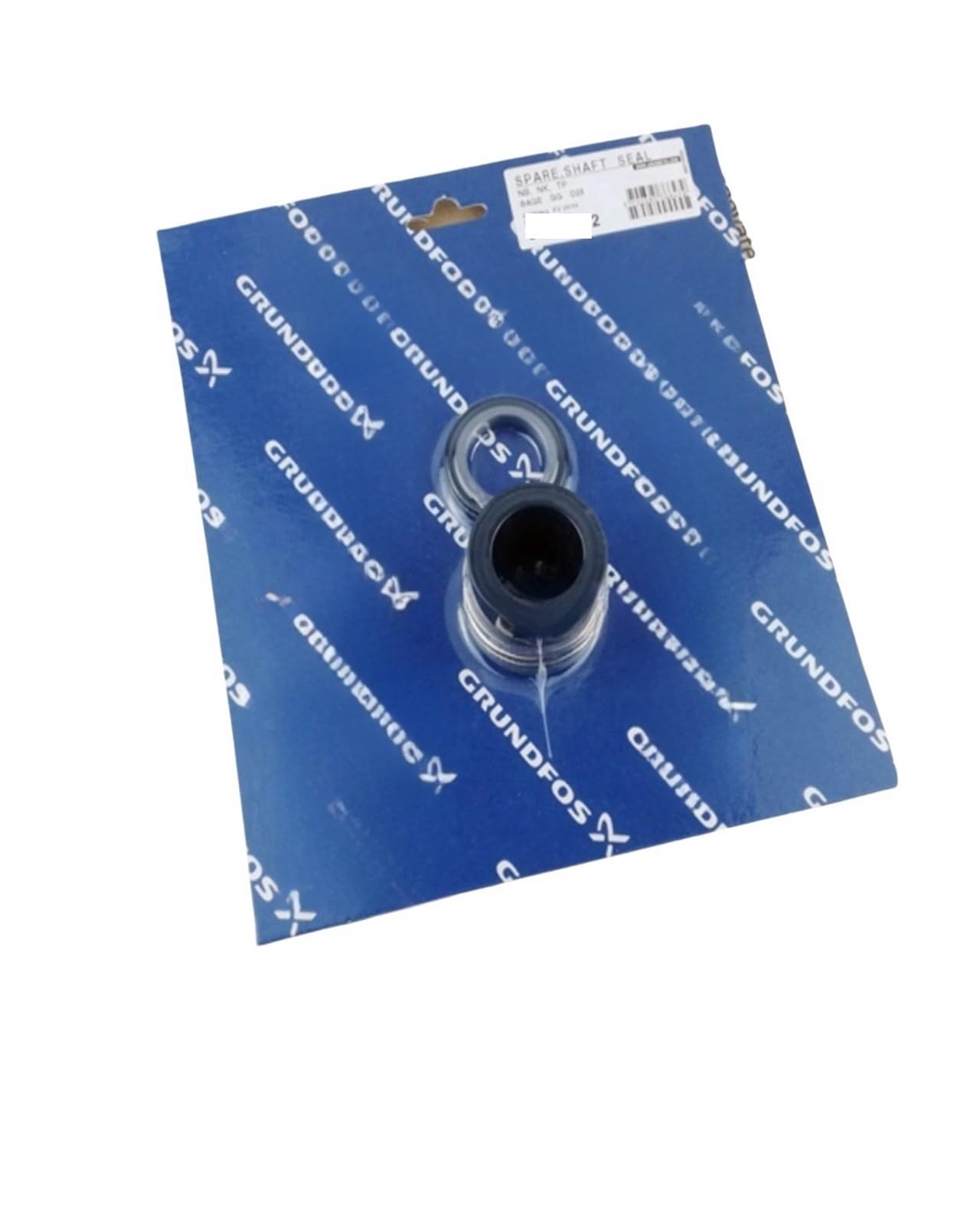
Figure 1: Example of a CHUNYE NBG NKG TP Series Mechanical Seal. This image illustrates the general appearance of the mechanical seal, showcasing its components and construction.
2. Safety Instructions
Always adhere to the following safety precautions to prevent injury and equipment damage:
- Personal Protective Equipment (PPE): Always wear appropriate PPE, including safety glasses, gloves, and protective clothing, when handling or installing mechanical seals.
- Depressurize System: Before attempting any installation or maintenance, ensure the system is completely depressurized and drained of any hazardous fluids.
- Lockout/Tagout: Implement lockout/tagout procedures to prevent accidental startup of machinery during installation or maintenance.
- Handle with Care: Mechanical seals contain precision components. Avoid dropping or subjecting them to impact, which can cause damage.
- Chemical Compatibility: Verify that the seal materials are compatible with the process fluid to prevent premature failure.
- Consult Equipment Manual: Refer to the specific equipment's instruction manual for any additional safety guidelines related to seal installation.
3. Installation
Proper installation is crucial for the performance and longevity of the mechanical seal. Follow these general steps:
- Inspect Components: Carefully inspect all seal components for any signs of damage, scratches, or debris. Ensure all parts are clean.
- Prepare Shaft and Gland: Clean the pump shaft and seal chamber (gland area) thoroughly. Remove any burrs, sharp edges, or old gasket material.
- Lubricate: Lightly lubricate the shaft and O-rings with a compatible fluid (e.g., clean process fluid or water) to aid installation and prevent damage.
- Install Stationary Seat: Install the stationary seat into the gland or housing, ensuring it is seated squarely and fully. Do not overtighten.
- Install Rotary Unit: Slide the rotary unit onto the shaft. Ensure the drive mechanism (e.g., set screws, pins) engages correctly with the shaft.
- Assemble Gland: Carefully bring the gland into position, ensuring the stationary seat aligns with the rotary face. Tighten gland bolts evenly in a cross-pattern to prevent distortion.
- Check for Free Movement: After installation, manually rotate the shaft to ensure the seal faces are not binding and the shaft rotates freely.
- Leak Test: After reassembling the equipment, perform a leak test at low pressure before bringing the system to full operating conditions.
Note: Specific installation procedures may vary depending on the equipment and seal design. Always consult the equipment manufacturer's manual for detailed instructions.
4. Operation
Mechanical seals are passive components designed to maintain a seal during equipment operation. Their proper function relies on the correct operation of the equipment they are installed within. Key operational considerations include:
- System Startup: Ensure the system is properly primed and vented before startup to prevent dry running of the seal faces.
- Operating Parameters: Operate the equipment within the specified pressure, temperature, and speed limits for which the seal was designed. Exceeding these limits can lead to premature failure.
- Monitoring: Regularly monitor the seal area for any signs of leakage, unusual noise, or excessive heat.
- Flush/Quench Systems: If the seal incorporates a flush or quench system, ensure it is operating correctly and providing adequate flow to the seal faces.
5. Maintenance
While mechanical seals are designed for long life, proper maintenance practices can extend their service life and prevent unexpected failures:
- Regular Inspection: Periodically inspect the seal area for signs of wear, corrosion, or leakage.
- Fluid Quality: Maintain the cleanliness and quality of the process fluid. Abrasive particles or chemical degradation can damage seal faces.
- Shaft Alignment: Ensure proper shaft alignment of the equipment. Misalignment can cause excessive wear and vibration, leading to seal failure.
- Bearing Condition: Monitor the condition of equipment bearings. Worn bearings can cause shaft runout, negatively impacting seal performance.
- Replacement: Replace seals at recommended intervals or at the first sign of significant leakage or performance degradation. Always replace both the rotary and stationary faces as a set.
6. Troubleshooting
This section outlines common issues and potential solutions for mechanical seals:
| Problem | Possible Cause | Solution |
|---|---|---|
| Excessive Leakage |
|
|
| Short Seal Life |
|
|
| Overheating |
|
|
7. Specifications
The following specifications apply to the CHUNYE NBG NKG TP series mechanical seals. Please note that specific dimensions and materials may vary by exact model (e.g., D28, D38, D48, D55, D60).
- Brand: CHUNYE
- Item Model Number: CHUNYE (refer to specific part numbers for detailed model information)
- Package Dimensions: 1.18 x 0.79 x 0.39 inches (approximate, may vary by specific seal size)
- Item Weight: 6.61 pounds (approximate, may vary by specific seal size)
- Number of Pieces: 1 (per seal unit)
- Assembly Required: No (seal unit comes pre-assembled)
- Batteries Required: No
- Key Features:
- Long lifespan
- Easy to install
- Low friction
- High sealing performance
- Easy maintenance (replaceable components)
8. Warranty and Support
For specific warranty information regarding your CHUNYE mechanical seal, please refer to the documentation provided at the time of purchase or contact your supplier. Warranty terms typically cover manufacturing defects under normal operating conditions.
For technical support, inquiries about specific models, or assistance with troubleshooting beyond the scope of this manual, please contact your authorized CHUNYE distributor or the seller directly. When contacting support, please have your product model number and purchase details readily available.
Contact Information:
- Seller: dengzhoushiqiqiguaiguaishangmaoyouxiangongsi
- For general inquiries, please refer to your purchase platform or invoice.