
1. Product Overview
The Jinyeda SE566 Solar Bug Zapper is designed to effectively control flying insects such as mosquitoes, flies, moths, and gnats using UV light attraction and a high-voltage electric grid. This device offers flexible power options through its solar panel and USB-C charging, along with smart operational modes for convenience. Its durable, waterproof design allows for versatile indoor and outdoor placement.
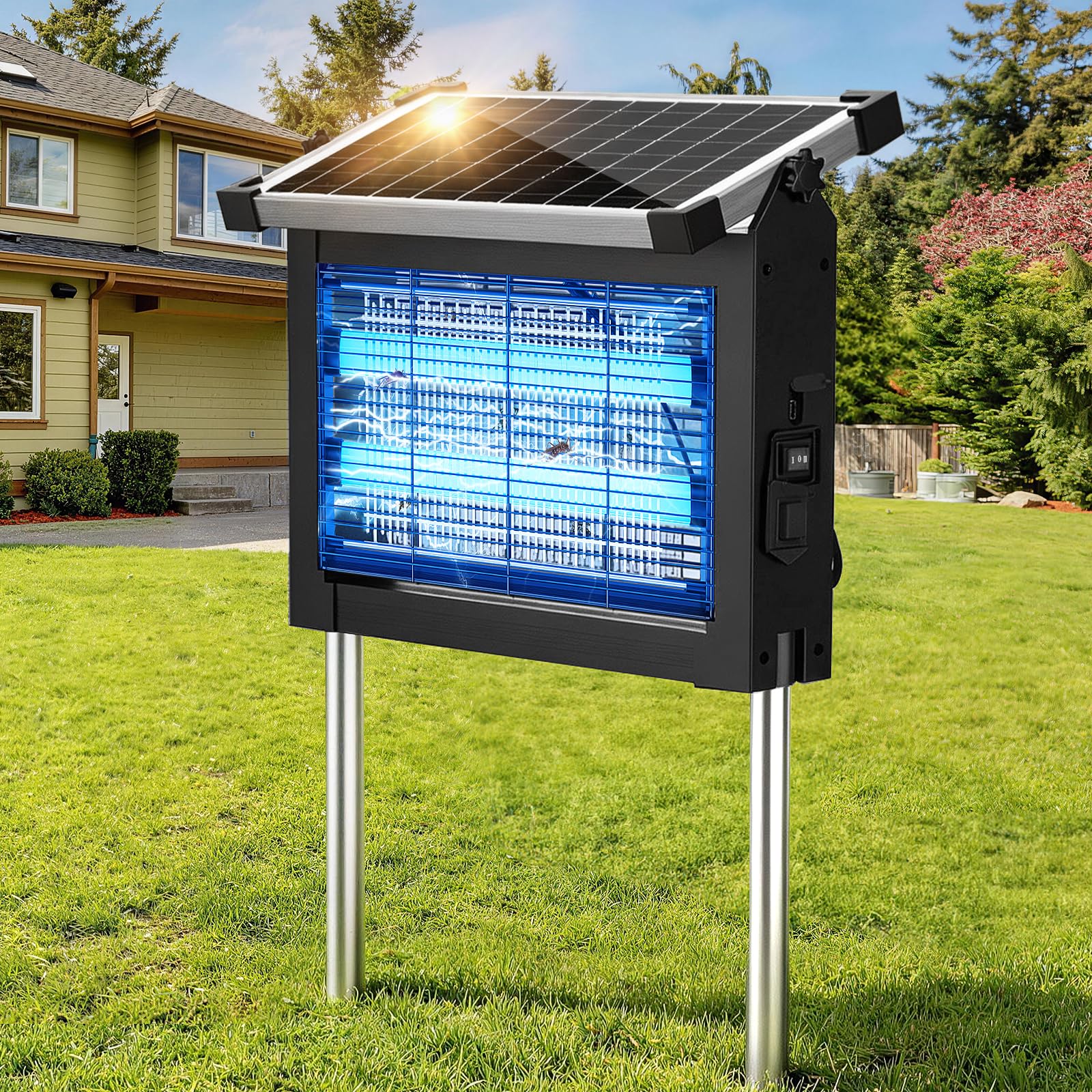
Figure 1: Jinyeda SE566 Solar Bug Zapper in operation.
2. Package Contents
Verify that all components are present in the package:
- Bug Zapper Main Unit
- Adjustable Solar Panel
- Ground Stakes (for ground placement)
- Hanging Chain (for suspended placement)
- USB-C Charging Cable
- Cleaning Brush
- 9.8 ft Extension Cable (for solar panel detachment)
- User Manual
3. Setup and Installation
Follow these steps to set up your Jinyeda SE566 Solar Bug Zapper:
3.1 Attaching the Solar Panel
- Align the solar panel bracket with the designated slots on the top of the main bug zapper unit.
- Insert the screws provided into the connecting points and tighten them securely to fix the solar panel.

Figure 2: Solar panel attachment diagram.
3.2 Charging the Unit
The bug zapper can be charged via solar power or USB-C.
- Solar Charging: Ensure the solar panel is exposed to direct sunlight for efficient charging. The panel's angle can be adjusted to maximize sunlight absorption.
- USB-C Charging: For faster charging or during periods of low sunlight, connect the provided USB-C cable to the charging port on the unit and a suitable USB power source. A full charge typically takes 4 hours and provides up to 12 hours of operation.

Figure 3: Dual charging options: solar and USB-C.
3.3 Placement Options
The Jinyeda SE566 offers three flexible placement methods:
- Ground Stake: Insert the assembled ground bracket into the bottom holes of the main body. Push the stakes firmly into the ground in your desired location.
- Hanging: Attach the provided hanging chain to the designated loops on the unit. Suspend the zapper from a tree branch, hook, or other suitable elevated structure.
- Tabletop: Place the unit directly on a flat surface such as a patio table.

Figure 4: Versatile placement for various outdoor and indoor settings.
3.4 Detachable Solar Panel
If the desired placement for the zapper is in a shaded area, the solar panel can be detached and placed in a sunny location using the 9.8 ft extension cable. Connect the extension cable between the solar panel and the main unit.

Figure 5: Detachable solar panel for flexible sun exposure.
4. Operating Instructions
The Jinyeda SE566 Solar Bug Zapper features multiple operating modes:
4.1 Power On/Off and Mode Selection
Locate the power switch on the side of the unit. It typically has three positions:
- OFF: Turns the unit completely off.
- AUTO Mode: The built-in light sensor will automatically turn the bug zapper on at dusk and off at dawn, optimizing energy usage.
- ON Mode (Manual): Keeps the bug zapper continuously active, regardless of ambient light conditions.

Figure 6: Auto sensor mode for dusk-to-dawn operation.
4.2 Insect Attraction and Elimination
The zapper utilizes 365–395nm UV light to attract flying insects. Once insects come into contact with the 4500V electric grid, they are instantly eliminated.

Figure 7: High-voltage grid for effective insect control.
4.3 Coverage Area
The Jinyeda SE566 provides effective insect control over an area of up to 1/2 acre, making it suitable for various outdoor and indoor spaces.
Video 1: Demonstrates the 4500V Solar Bug Zapper in an outdoor setting, highlighting its effectiveness.
5. Maintenance
Regular maintenance ensures optimal performance and longevity of your bug zapper.
5.1 Cleaning the Grid
Over time, dead insects may accumulate on the electric grid, reducing its effectiveness. To clean:
- Power Off: Always ensure the unit is powered off and disconnected from any charging source before cleaning.
- Remove Tray: Gently slide out the collection tray at the bottom of the unit to dispose of larger insect debris.
- Brush Cleaning: Use the provided cleaning brush to carefully remove any remaining insects or debris from the electric grid. Do not use metal objects.
- Water Rinse (Exterior Only): The unit has an IPX5 waterproof rating, allowing for external rinsing. However, ensure the power switch and USB-C port covers are securely closed before rinsing. Do not submerge the unit.
5.2 Storage
When not in use for extended periods, store the bug zapper in a cool, dry place. Ensure the battery is fully charged before storage to prolong its lifespan.
6. Troubleshooting
If you encounter issues with your Jinyeda SE566, refer to the following common problems and solutions:
| Problem | Possible Cause | Solution |
|---|---|---|
| Unit does not turn on. | Low battery or switch in OFF position. | Charge the unit via solar or USB-C. Ensure the switch is in AUTO or ON position. |
| Zapping sound is infrequent. | Low insect activity or dirty grid. | Clean the electric grid. Relocate the zapper to an area with higher insect presence. |
| Solar panel not charging effectively. | Insufficient sunlight exposure. | Adjust the solar panel angle or use the extension cable to place it in direct sunlight. |
| Unit turns off unexpectedly in AUTO mode. | Battery depleted or ambient light too high. | Charge the unit. Ensure the unit is in a sufficiently dark area for AUTO mode to activate. |
7. Specifications
- Brand: Jinyeda
- Model Number: SE566
- Color: Black
- Material: Plastic, Aluminum Alloy Frame
- Item Weight: 2.12 Kilograms
- Power Source: Solar Powered, USB-C
- Battery: 4000mAh Rechargeable Battery
- Voltage: 4500V Electric Grid
- UV Wavelength: 365–395nm
- Coverage Area: Up to 1/2 Acre
- Waterproof Rating: IPX5
- Operating Modes: Auto (Dusk-to-Dawn Sensor), Manual ON, OFF
- GTIN: 717813336058
8. Safety Information
- Keep out of reach of children and pets.
- Do not touch the electric grid when the unit is powered on.
- Ensure the unit is powered off and unplugged before cleaning or maintenance.
- Do not use near flammable liquids or gases.
- Do not modify or attempt to repair the unit yourself. Contact customer support for assistance.

Figure 8: Designed for safe use in family environments.
9. Warranty and Support
This Jinyeda product comes with a manufacturer's warranty. For warranty claims, technical support, or any questions regarding your bug zapper, please refer to the contact information provided in your product packaging or visit the official Jinyeda website.
Video 2: Highlights the powerful mosquito control capabilities for both indoor and outdoor use.