1. Introduction
This instruction manual provides essential information for the safe and efficient use of your Renogy 12V 100Ah Mini LiFePO4 Lithium Batteries. These deep cycle batteries are designed for various applications, including RVs, cabins, and marine systems, offering a compact size and robust performance. Please read this manual thoroughly before installation and operation to ensure proper usage and longevity of your batteries.

Figure 1: Renogy 12V 100Ah Mini LiFePO4 Lithium Batteries (2-Pack)

Figure 2: Renogy batteries in an RV application.
2. Safety Information
Adhering to safety precautions is crucial when handling lithium batteries. Failure to follow these guidelines may result in personal injury or damage to the battery and connected equipment.
- Do not short-circuit the battery terminals.
- Do not expose the battery to fire or extreme heat.
- Do not immerse the battery in water or other liquids.
- Do not disassemble, puncture, or modify the battery.
- Use only compatible chargers and charging methods.
- Ensure proper ventilation during charging and discharging.
- Keep the battery away from children and pets.
- The integrated 100A Battery Management System (BMS) provides protection against overvoltage, undervoltage, overcurrent, short-circuit, and high-temperature conditions. It also includes low-temperature charging protection, preventing charging below 32°F (0°C).
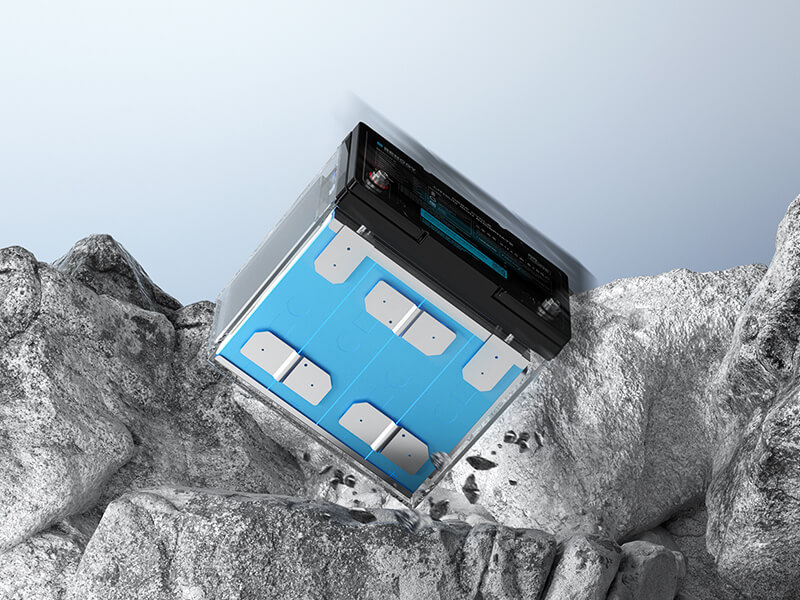
Figure 3: Renogy battery certifications for safety and quality.

Figure 4: Low-temperature charging protection mechanism.
3. Setup and Installation
The Renogy Mini LiFePO4 battery's compact design allows for flexible installation in various spaces. Consider the following during setup:
- Unpacking: Carefully remove the batteries from their packaging. Inspect for any visible damage.
- Placement: The battery can be mounted in any orientation (e.g., on its side) to fit into tight spaces. However, tipping the battery upside down is not recommended. Ensure the installation location is dry, well-ventilated, and protected from direct sunlight and extreme temperatures.
- Wiring: Connect the battery terminals to your system using appropriate gauge cables and connectors. Ensure all connections are secure and properly insulated to prevent short circuits. For parallel or series connections, consult a qualified electrician or the Renogy support team.
- Initial Charge: It is recommended to fully charge the battery before its first use.

Figure 5: Flexible installation of the Renogy Mini LiFePO4 battery.
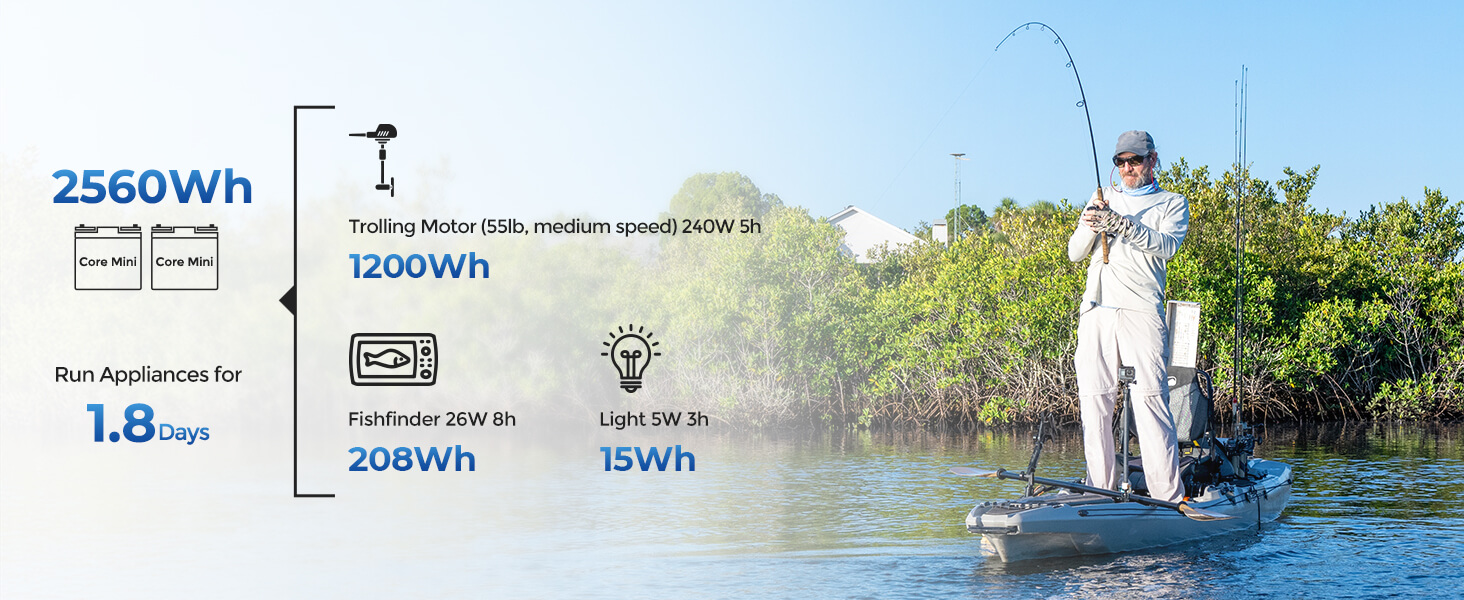
Figure 6: Example installation diagram with dimensions.
4. Operating Instructions
The Renogy LiFePO4 battery is designed for deep cycle applications, providing reliable power for extended periods.
- Charging: Use a LiFePO4 compatible charger. The BMS will manage charging parameters to prevent overcharging and ensure cell balance. Avoid charging below 32°F (0°C) as the BMS will automatically stop charging in such conditions.
- Discharging: The battery can deliver a continuous discharge current up to its rated capacity. The BMS will protect against over-discharge.
- Remote Monitoring (Optional): For real-time status monitoring, a Renogy 300A Battery Shunt (sold separately) can be integrated. This allows you to track battery performance via the DC Home app or a Renogy ONE monitor, even if the battery is in a hard-to-reach location.

Figure 7: Optional remote monitoring setup with Renogy 300A Battery Shunt.
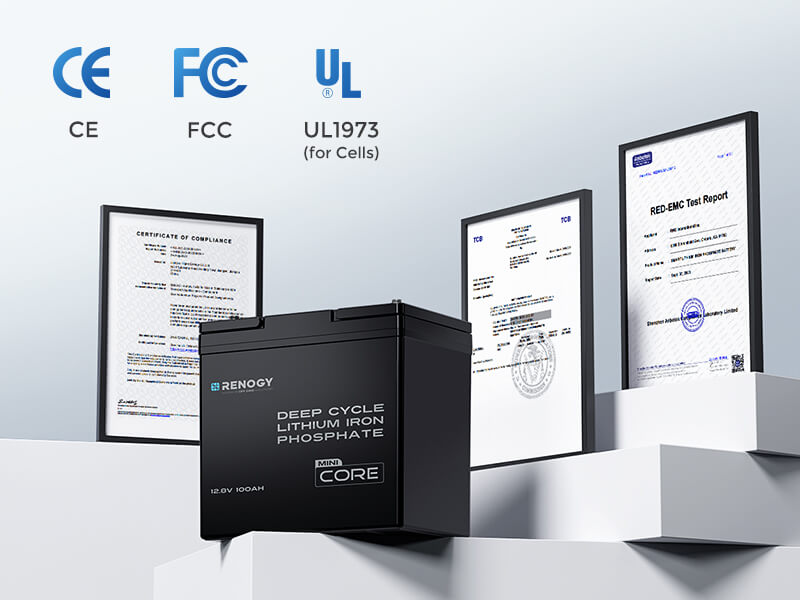
Figure 8: Example of Renogy batteries powering appliances in a teardrop trailer.
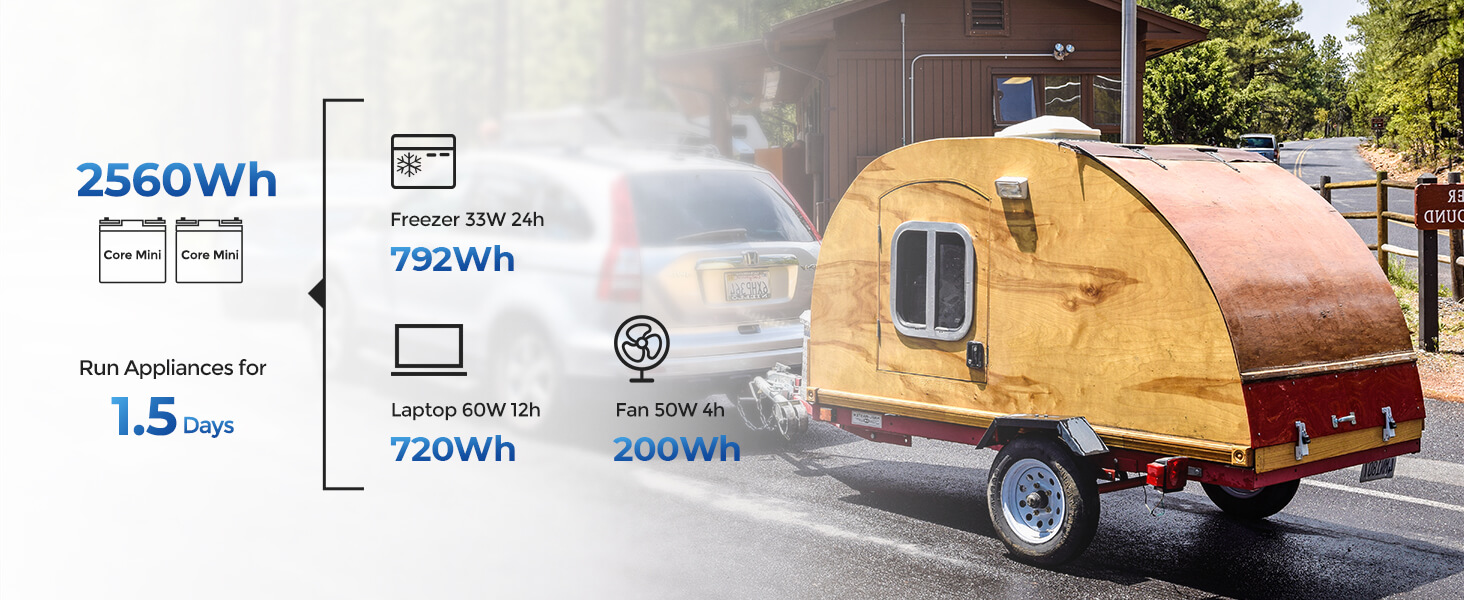
Figure 9: Example of Renogy batteries powering marine equipment.
5. Maintenance
Renogy LiFePO4 batteries require minimal maintenance due to their robust design and integrated BMS. However, periodic checks can help ensure optimal performance and longevity.
- Cleaning: Keep the battery terminals clean and free from corrosion. Use a dry cloth to wipe the battery case.
- Inspection: Periodically inspect the battery for any physical damage, loose connections, or swelling.
- Storage: If storing the battery for an extended period, ensure it is charged to approximately 50% state of charge and stored in a cool, dry place.
- Environmental Resistance: The IP65-rated casing provides resistance against splashes and dust, making it suitable for outdoor and marine environments. Integrated metallic cell spacers enhance vibration resistance.

Figure 10: Features for enhanced durability and low maintenance.
6. Troubleshooting
If you encounter issues with your Renogy LiFePO4 battery, refer to the following common troubleshooting steps:
- Battery Not Charging:
- Check all cable connections for tightness and proper polarity.
- Verify that the charger is compatible with LiFePO4 batteries and is functioning correctly.
- Ensure the ambient temperature is above 32°F (0°C) for charging. The BMS will prevent charging below this temperature.
- Battery Not Discharging/No Power Output:
- Check all cable connections and ensure they are secure.
- Verify that the battery is sufficiently charged.
- The BMS may have activated a protection mode (e.g., over-discharge, overcurrent, short-circuit). Disconnect the load, wait a few minutes, and then attempt to reconnect. If the issue persists, a small charge may be needed to reset the BMS.
- Unusual Odor or Heat: Immediately disconnect the battery from all loads and chargers. Contact Renogy customer support.
For persistent issues or complex problems, please contact Renogy technical support.
7. Specifications
Key technical specifications for the Renogy 12V 100Ah Mini LiFePO4 Lithium Battery (2-Pack):
| Feature | Specification |
|---|---|
| Model Number | RBT12100LFPx2-M-US-S |
| Nominal Voltage | 12V |
| Nominal Capacity | 100Ah |
| Battery Type | LiFePO4 (Lithium Iron Phosphate) |
| BMS | 100A (Integrated) |
| Dimensions (L x W x H) | 9.02 x 5.43 x 8.39 inches (Group 22NF) |
| Weight | 21.8 lbs (approx.) |
| Protection Features | Low-temperature charging cut-off, high-temperature, overvoltage, undervoltage, overcurrent, short-circuit |
| Ingress Protection (IP) Rating | IP65 (Dust and splash resistant) |
| UPC | 840315232907 |

Figure 11: Key specifications and features.

Figure 12: Size and weight comparison.

Figure 13: Cycle life comparison.
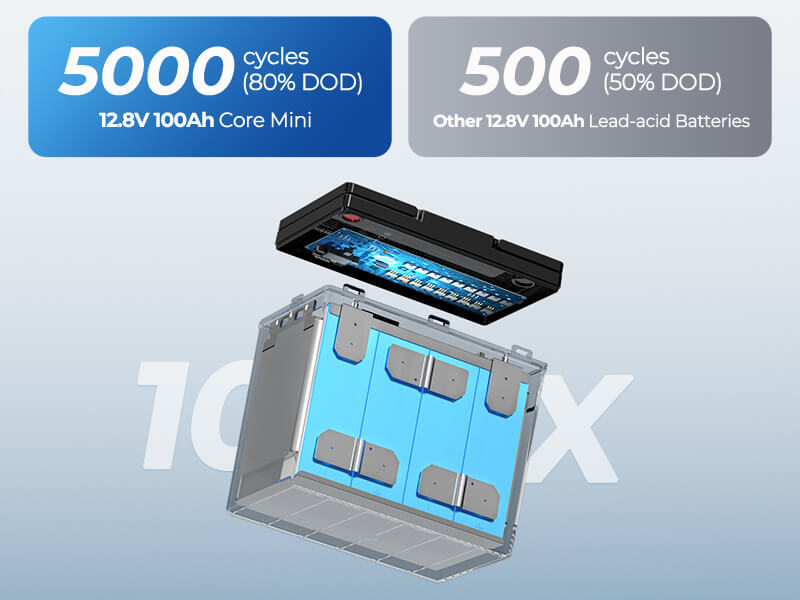
Figure 14: Peak power output capability.
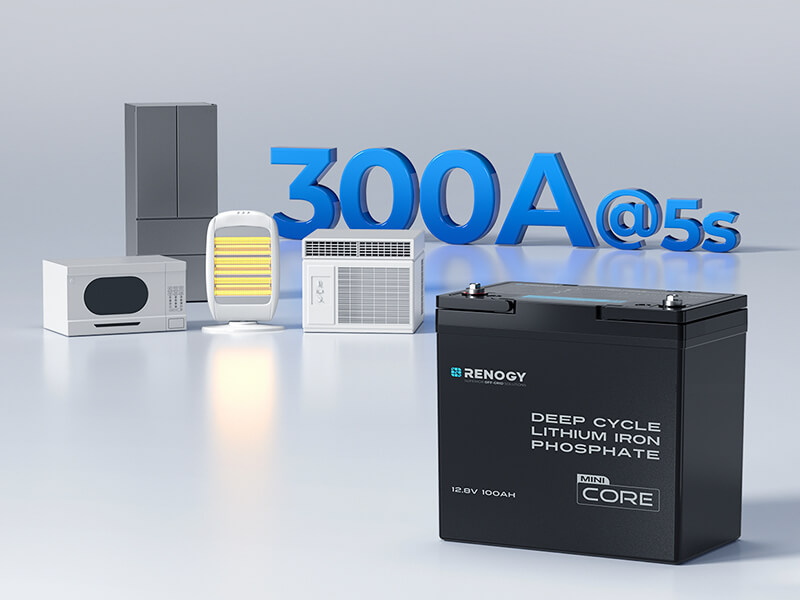
Figure 15: Vibration resistance for rugged environments.
8. Warranty and Support
Renogy is committed to providing reliable products and excellent customer service.
- Warranty: This product is covered by a 5-year warranty. Please retain your proof of purchase for warranty claims.
- Technical Support: Renogy offers professional technical guidance and aims for a 24-hour prompt response to inquiries.
- Contact Information: For support, visit the official Renogy website or refer to the contact details provided with your product packaging.
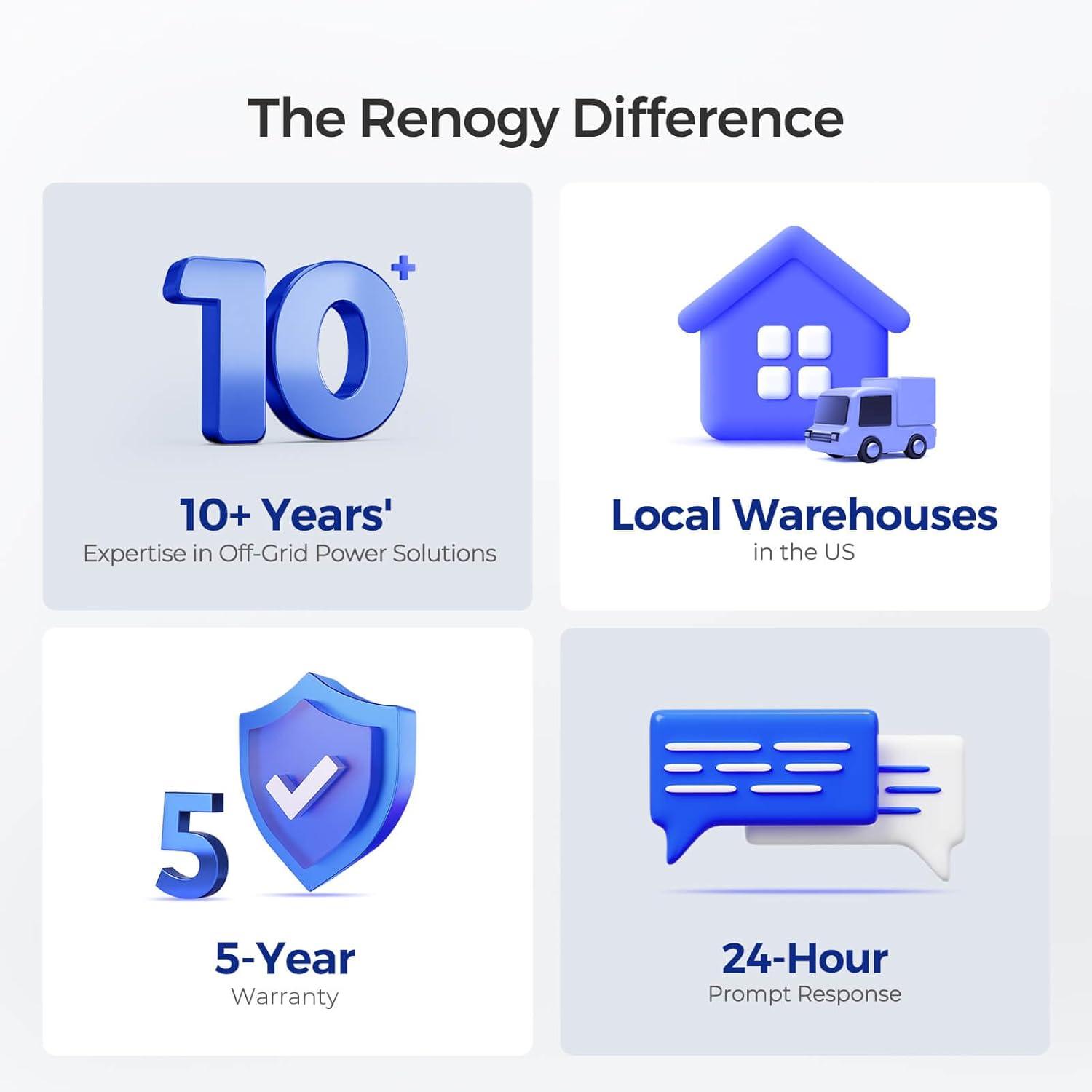
Figure 16: Renogy's commitment to quality and support.


