
1. Introduction
The DALY Smart Active Balance BMS (Battery Management System) is designed to protect and optimize the performance of Li-ion, LiFePO4, and LTO battery packs. This model, R24TS-300A, supports 8-24 series cells with a 300A charge/discharge current and features 1A active balancing. It includes built-in Bluetooth, RS485, and CAN communication interfaces for comprehensive monitoring and control.
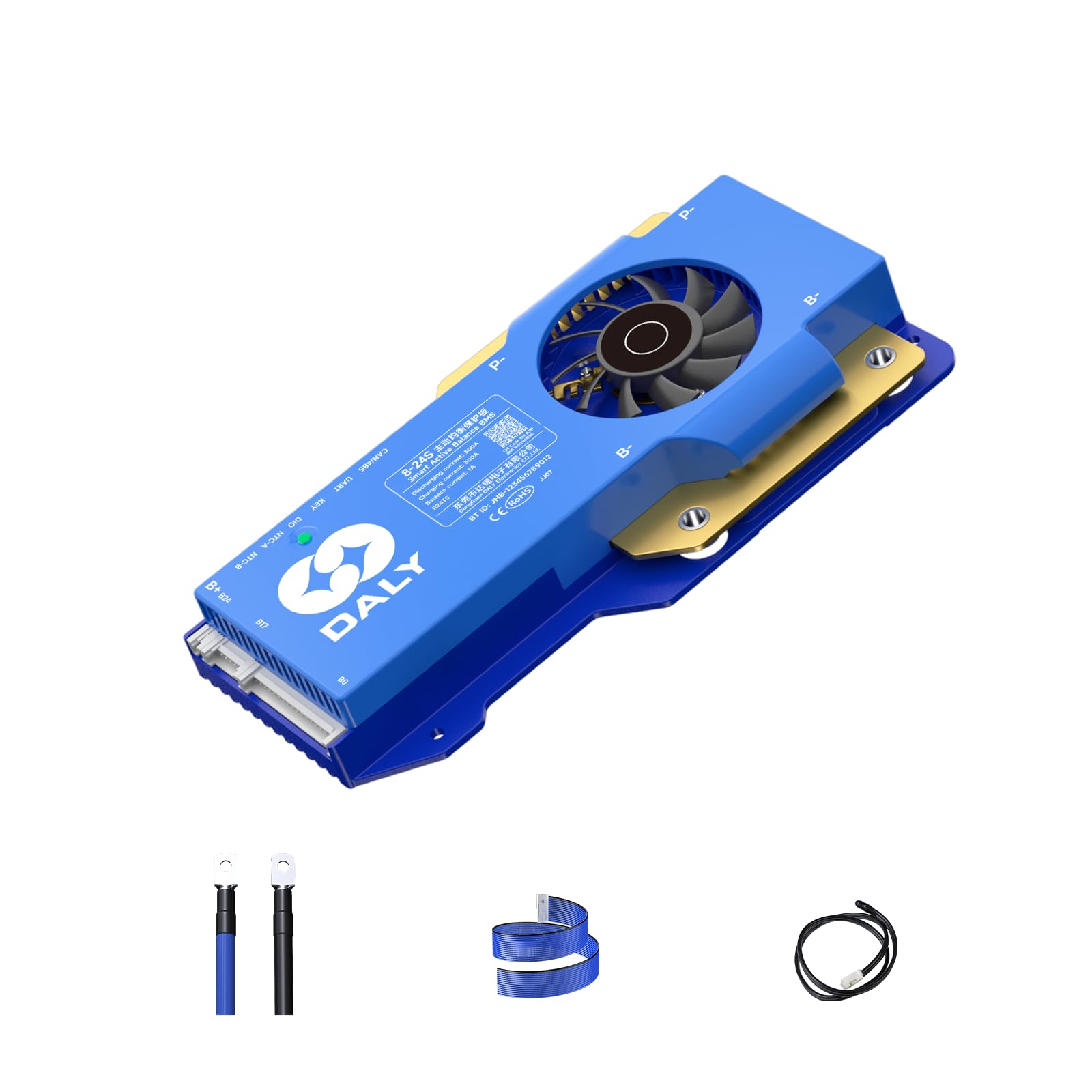
Image 1.1: DALY Smart Active Balance BMS (Model R24TS-300A).
Key Features:
- Active Balancing: 1A active balance current helps equalize cell voltages, extending battery life and improving performance.
- Wide Compatibility: Supports 8-24 series Li-ion, LiFePO4, and LTO battery packs.
- High Current Rating: Capable of handling 300A charge and discharge currents.
- Smart Monitoring: Integrated Bluetooth for real-time monitoring of cell voltages, temperatures, and other parameters via a mobile application.
- Communication Interfaces: Equipped with RS485 and CAN for advanced system integration and control.
- Comprehensive Protection: Protects batteries from overcharge, overdischarge, overcurrent, short circuits, and high/low temperature conditions.
2. Product Features
The DALY Smart Active Balance BMS offers advanced features for robust battery management.

Image 2.1: Overview of Smart Active Balance BMS specifications including battery strings, charge/discharge current, balance current, function, battery type, and communication.
Multi-Channel Communication
The BMS supports various communication methods, allowing for flexible integration into different systems and monitoring setups.
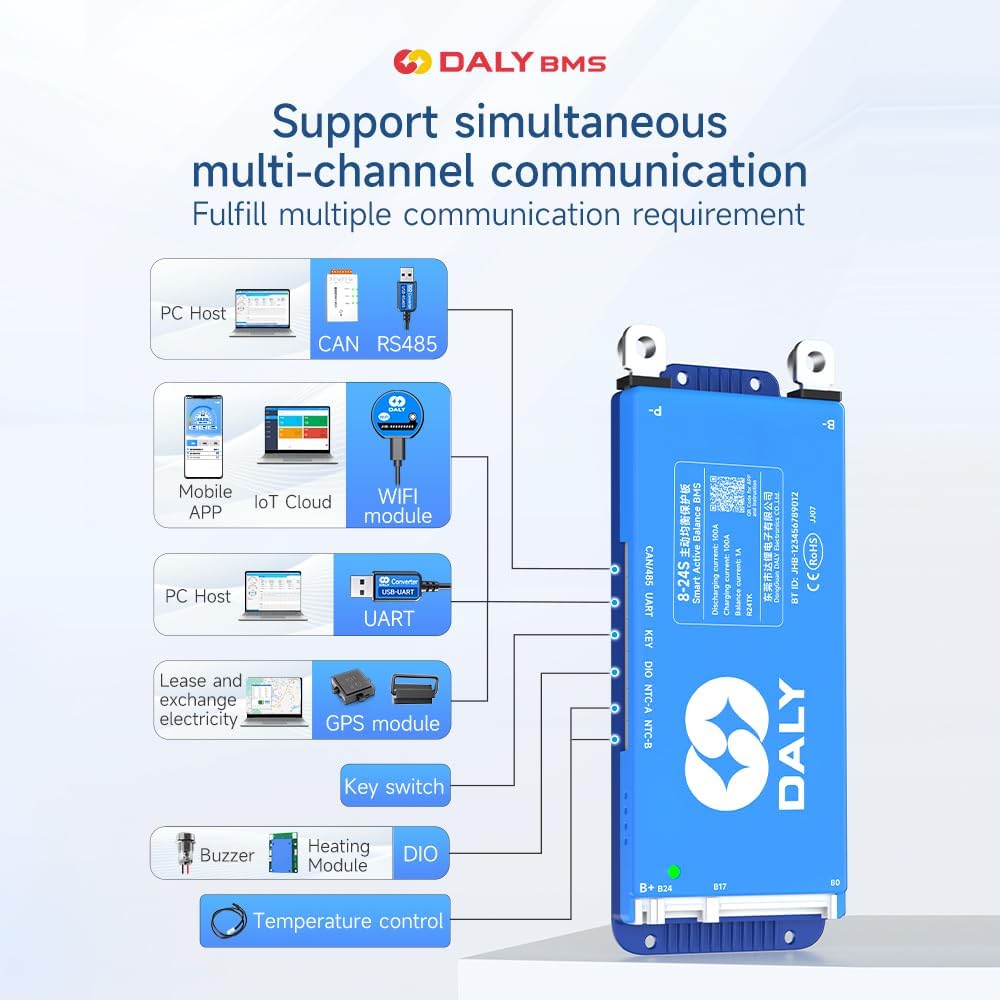
Image 2.2: Diagram illustrating multi-channel communication options including PC Host (CAN, RS485, UART), Mobile APP (Bluetooth, WiFi module), GPS module, Key switch, Buzzer, Heating Module, and Temperature control.
- Bluetooth: Connects to the "BalanceBMS" mobile application for real-time data and settings adjustment.
- RS485 & CAN: Industrial standard communication protocols for integration with other control systems.
- UART: Universal Asynchronous Receiver/Transmitter for direct PC connection and configuration.
- Optional Modules: Supports WiFi, GPS, heating, and other modules for enhanced functionality.
3. Specifications
Detailed technical specifications for the DALY Smart Active Balance BMS R24TS-300A.
| Parameter | Value |
|---|---|
| Brand | DALY |
| Model Number | R24TS-300A |
| Battery Strings | 8-24S (Series) |
| Charge/Discharge Current | 300A |
| Balance Current | 1A (Active Balance) |
| Supported Battery Types | Li-ion, LiFePO4, LTO |
| Communication | Built-in Bluetooth, RS485, CAN |
| Dimensions (L x W x H) | 7.72 x 4.29 x 1.02 inches (approx. 196 x 109 x 26 mm) |
| Weight | 660 Grams |

Image 3.1: Table showing product dimensions and current ratings for different DALY BMS models (100A, 150A/200A, 250A-500A). Note: The specific model R24TS-300A falls under the 250-500A category.
4. Packing List
Verify that all items are present in the package upon unboxing:

Image 4.1: Visual representation of the DALY BMS and its included accessories.
- Smart Active Balance BMS (1 unit)
- P-&B- cable (1 set)
- Screws (2 Pcs)
- Sampling cable (1 set)
- B+ cable (1 unit)
- NTC (Temperature Sensor) (1 standard, 2 optional)
- User Manual (1 copy)
- Packaging box (1 unit)
- RS485/CAN port cable (1 unit)
5. Setup and Connection
Proper installation is crucial for the safe and efficient operation of your BMS. Always ensure the battery pack is disconnected from any power source before beginning installation.
5.1. Pre-Connection Checklist
- Verify the battery type (Li-ion, LiFePO4, LTO) and cell count (8-24S) match the BMS specifications.
- Ensure all battery cells are balanced to a similar voltage before connecting the BMS.
- Inspect all cables for damage.
5.2. Wiring Instructions
- Connect B- to the Battery Negative: Connect the main negative terminal (B-) of the BMS to the negative terminal of your battery pack.
- Connect P- to Load/Charger Negative: Connect the P- terminal of the BMS to the negative terminal of your load and charger.
- Connect B+ to Battery Positive: Connect the main positive terminal (B+) of the BMS to the positive terminal of your battery pack.
- Connect Balance Wires: Carefully connect the balance wires from the BMS to each cell of your battery pack, starting from B0 (negative of the first cell) and proceeding sequentially to the highest cell voltage. Ensure the correct order to prevent damage.
- Connect Temperature Sensors (NTC): Attach the NTC sensors to appropriate locations on your battery pack to monitor temperature.
- Communication Ports: Connect the RS485, CAN, or UART cables if you plan to use these communication features.

Image 5.1: Diagram illustrating the pre-charge protection circuit, ensuring safe initial connection.

Image 5.2: Diagram showing misconnection protection, highlighting critical connection points to avoid errors.
5.3. Parallel Connection
The DALY Smart BMS supports parallel battery pack configurations. Ensure that each battery pack has its own BMS and that all packs are at a similar state of charge before connecting them in parallel.

Image 5.3: Illustration of connecting multiple battery packs with individual BMS units in parallel.
Important: Incorrect wiring can cause severe damage to the BMS, battery, and connected equipment. If you are unsure, seek professional assistance.
6. Operating the BMS
Once installed, the BMS operates automatically to protect your battery. For monitoring and advanced settings, use the dedicated mobile application or PC software.
6.1. Mobile Application (BalanceBMS)
- Download the "BalanceBMS" app from your device's app store (iOS & Android).
- Enable Bluetooth on your mobile device.
- Open the app and search for your DALY BMS.
- Connect to the BMS to view real-time data such as:
- Individual cell voltages
- Total battery voltage
- Charge/discharge current
- Battery temperature
- State of Charge (SOC)
- Protection status (overcharge, overdischarge, etc.)
- The app also allows for configuration of various parameters, such as voltage thresholds and current limits. Refer to the app's internal guide for detailed settings.
6.2. PC Software (via UART/RS485/CAN)
- For PC monitoring and advanced configuration, a UART, RS485, or CAN adapter is required (not always included).
- Install the DALY BMS PC software (available from the manufacturer's website).
- Connect the BMS to your PC using the appropriate adapter and cable.
- The PC software provides a more comprehensive interface for data logging, parameter adjustment, and firmware updates.
7. Maintenance
The DALY Smart Active Balance BMS is designed for minimal maintenance. However, periodic checks can ensure optimal performance and longevity.
- Visual Inspection: Periodically check all wiring and connections for signs of corrosion, damage, or loose contacts.
- Temperature Monitoring: Ensure the BMS and battery pack operate within their specified temperature ranges. The BMS will provide protection against extreme temperatures.
- Cell Voltage Monitoring: Use the mobile app or PC software to regularly monitor individual cell voltages. The active balancing feature will work to keep cells balanced, but significant deviations may indicate an issue with a cell or the balance wiring.
- Software Updates: Check the DALY website or app for any available firmware updates for the BMS to ensure you have the latest features and improvements.
- Cleaning: Keep the BMS free from dust and debris. Use a dry, soft cloth for cleaning. Do not use liquids.
8. Troubleshooting
This section addresses common issues you might encounter with your DALY Smart Active Balance BMS.
8.1. General Issues
- BMS Not Powering On:
- Check all main power connections (B-, P+, B+).
- Verify the balance wires are correctly connected and in the right sequence.
- Ensure the battery pack voltage is within the operational range of the BMS.
- No Charge/Discharge:
- Check for active protection (e.g., overvoltage, undervoltage, overcurrent, temperature protection) via the mobile app or PC software.
- Inspect the main charge/discharge cables for secure connections.
- Cells Unbalanced:
- Confirm the active balancing feature is enabled in the app/software.
- Check balance wire connections for continuity and correct order.
- If a single cell consistently deviates, it may indicate a faulty cell or the balance wiring.
8.2. Communication Issues
- Bluetooth Connection Failure:
- Ensure Bluetooth is enabled on your mobile device.
- Make sure the BMS is powered on.
- Restart the app and try reconnecting.
- Ensure no other device is currently connected to the BMS via Bluetooth.
- PC Software Not Connecting (UART/RS485/CAN):
- Verify the correct communication adapter is being used and its drivers are installed.
- Check the physical connection of the communication cable to the BMS and PC.
- Ensure the correct COM port is selected in the software.
8.3. Compatibility Note (from customer reviews)
It has been noted that some DALY BMS models, including this series, may have specific compatibility for 24S configurations. While the product description states compatibility with Li-ion, LiFePO4, and LTO, some users have reported that 24S configurations might specifically require LiFePO4 batteries for optimal operation, or that the BMS might be pre-configured for a specific chemistry. Always verify the exact battery chemistry and cell count settings in the BMS software after initial connection, especially for 24S Li-ion setups, to ensure it matches your battery pack. Incorrect settings can lead to improper balancing or protection.

Image 8.1: A guide to selecting the appropriate BMS based on battery cell type, series count, and current requirements. This emphasizes the importance of matching BMS to battery specifications.
9. Application Scenarios
The DALY Smart Active Balance BMS is versatile and suitable for a wide range of applications requiring robust battery management:

Image 9.1: Visual examples of where the DALY BMS can be utilized, including electric two-wheelers, home energy storage, electric bicycles, electric tricycles, outdoor energy storage, electric wheelchairs, lead-acid to lithium upgrades, AGV, lease battery swapping, and RV energy storage.
- Electric Vehicles (e.g., electric bicycles, scooters, tricycles, wheelchairs)
- Home Energy Storage Systems
- Outdoor Portable Power Stations
- Industrial AGVs (Automated Guided Vehicles)
- Marine Energy Systems
- RV Energy Storage
- Upgrading Lead-Acid Battery Systems to Lithium
10. Warranty and Support
10.1. Warranty Information
This DALY Smart Active Balance BMS comes with a 3-year manufacturer's warranty. This warranty covers defects in materials and workmanship under normal use. Please retain your proof of purchase for warranty claims. The warranty does not cover damage caused by improper installation, misuse, unauthorized modifications, or external factors.
10.2. Customer Support
For technical assistance, troubleshooting, or warranty inquiries, please contact DALY customer service. You can find contact information on the official DALY website or through your purchase platform. Additionally, the "BalanceBMS" mobile application often provides access to support resources and FAQs.


