1. Introduction
This manual provides essential information for the safe and effective use of your PASYOU PA200 Adjustable Foldable Weight Bench. Please read all instructions carefully before assembly and use. Retain this manual for future reference.
2. Safety Information
- Consult a Physician: Before starting any exercise program, consult with a healthcare professional to ensure it is appropriate for your physical condition.
- Proper Assembly: Ensure all parts are correctly assembled and tightened according to the instructions before use.
- Weight Limit: Do not exceed the maximum weight capacity of 350 pounds (158 kg) for this bench. This includes user weight plus any weights being lifted.
- Stable Surface: Always use the bench on a flat, stable, and non-slip surface.
- Clearance: Maintain adequate clear space around the bench during use to prevent accidents.
- Children and Pets: Keep children and pets away from the equipment during operation.
- Inspect Before Use: Before each use, inspect the bench for any signs of wear, damage, or loose components. Do not use if damaged.
- Proper Form: Use proper exercise form to prevent injury. If you experience pain or discomfort, stop immediately.
3. Package Contents
The PASYOU PA200 Adjustable Foldable Weight Bench package includes the following components:
- Main Bench Frame (pre-assembled folding mechanism)
- Backrest Pad
- Seat Pad
- Foot Support Rollers (2 sets)
- Adjustment Pins/Knobs
- Assembly Hardware (bolts, washers, nuts)
- Basic Assembly Tools (wrench, Allen key)
- User Manual (this document)
Note: Some minor assembly is required. Please ensure all parts are present before beginning assembly.
4. Setup and Assembly
The PASYOU PA200 bench is designed for straightforward assembly. Follow these steps:
- Unpack Components: Carefully remove all parts from the packaging and lay them out on a clean, flat surface. Verify all components listed in Section 3 are present.
- Attach Stabilizer Bars: Secure the front and rear stabilizer bars to the main frame using the provided bolts and nuts. Ensure they are tightened securely.
- Install Foot Support Rollers: Slide the foam rollers onto the foot support bars and secure them with the end caps or pins.
- Connect Seat and Backrest: The seat and backrest pads are typically pre-attached to the main frame. Ensure the hinge mechanisms are free of obstruction.
- Insert Adjustment Pins: Locate the adjustment pins for the backrest and seat. Insert them into the desired positions to lock the bench into place.
Always double-check all connections and ensure the bench is stable before first use.
5. Adjusting the Bench
The PASYOU PA200 offers multiple adjustment options for versatile workouts.
5.1 Backrest Adjustment (10 Levels)
The backrest can be adjusted to 10 different positions, ranging from -26.7° (decline) to 90° (upright). This allows for incline, decline, and flat exercises.
- Locate the backrest adjustment pin/lever at the rear of the bench.
- Pull the pin/lever to release the backrest.
- Adjust the backrest to your desired angle, aligning the support bar with one of the 10 notches.
- Release the pin/lever, ensuring it fully engages in the chosen notch for security.

Figure 1: Backrest adjustment mechanism with 10 available positions.
5.2 Foot Support Adjustment (2 Levels)
The foot support offers 2 adjustable angles (27° and 51°) to provide stability during decline and abdominal exercises.
- Locate the foot support adjustment pin/lever near the front of the bench.
- Pull the pin/lever to release the foot support.
- Adjust the foot support to your preferred angle.
- Release the pin/lever, ensuring it fully engages to lock the position.

Figure 2: Foot support adjustment for enhanced stability.
6. Operating Instructions and Usage
The PASYOU PA200 bench supports a variety of strength training exercises. Always ensure the bench is securely locked in the desired position before beginning any exercise.
6.1 Exercise Positions
- Flat Bench: Set the backrest to the horizontal (flat) position for exercises like dumbbell press, flyes, and rows.
- Incline Bench: Adjust the backrest to an upward angle for incline dumbbell press, incline flyes, and seated shoulder press.
- Decline Bench: Set the backrest to a downward angle and utilize the foot support for decline dumbbell press and various abdominal exercises.
- Seated Position: Use an upright backrest position for seated dumbbell curls, shoulder press, or triceps extensions.
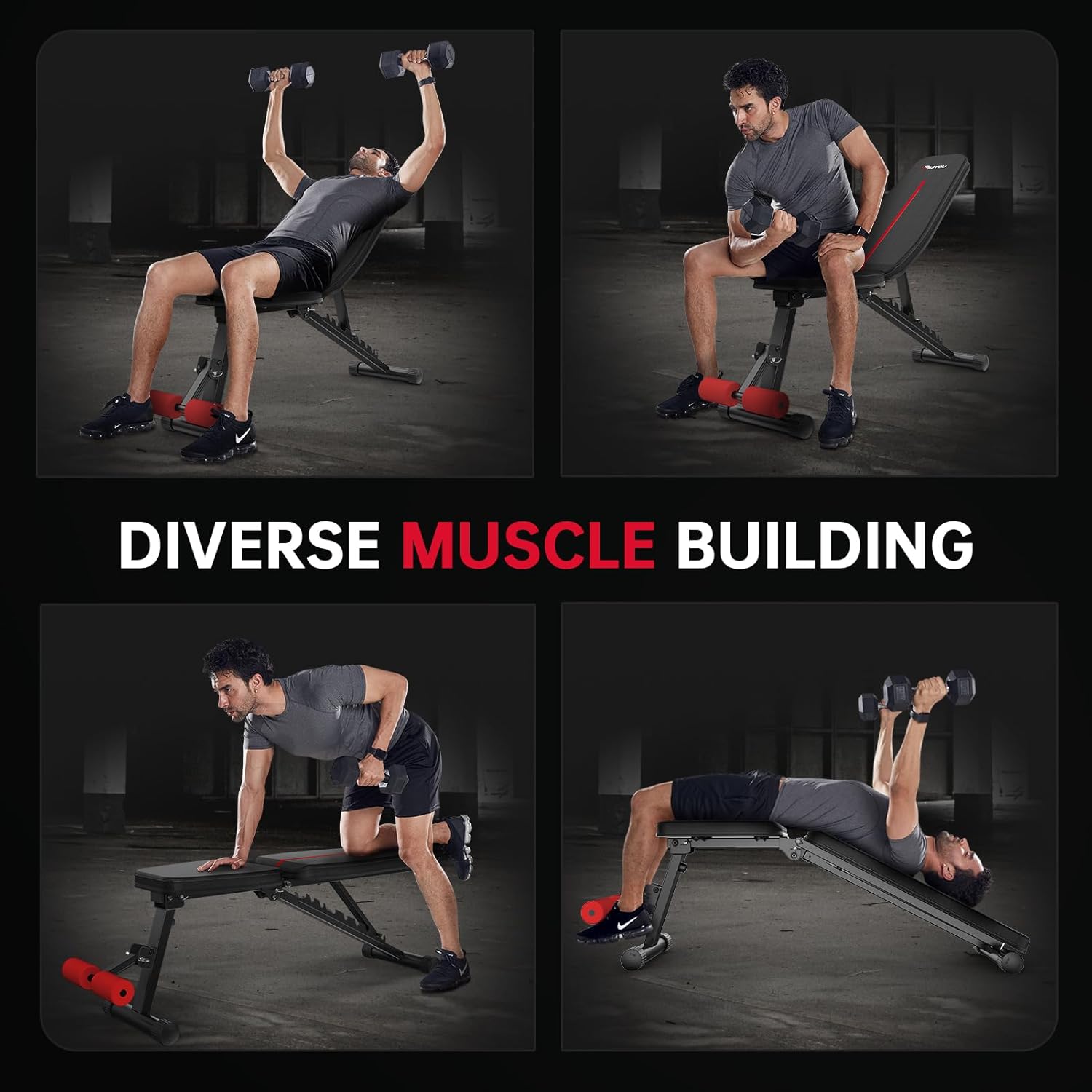
Figure 3: Examples of diverse exercises possible with the adjustable bench.
6.2 Comfortable Padding
The bench features advanced sports foam padding with a multi-layer thickened structure to reduce pressure and fatigue during extended workouts. This ensures consistent comfort and support.

Figure 4: Cross-section view of the multi-layered backrest material.
7. Folding and Storage
The PASYOU PA200 is designed to be foldable and space-saving, making it suitable for small spaces.
- Remove Pins: Locate and remove the two main pins that secure the bench in its extended position. These pins are typically found near the hinge points of the seat and backrest.
- Fold the Bench: Carefully fold the backrest and seat sections inwards. The design allows the bench to collapse into a more compact form.
- Secure for Storage: Once folded, the bench can be stored upright against a wall, in a closet, or under a bed. Ensure it is stable in its stored position to prevent tipping.

Figure 5: Dimensions of the bench in extended and folded states for compact storage.
8. Maintenance
- Cleaning: Wipe down the bench pads and frame with a damp cloth after each use to remove sweat and dirt. Use mild soap if necessary, then wipe dry. Avoid abrasive cleaners.
- Inspection: Regularly check all bolts, nuts, and adjustment pins for tightness. Tighten any loose fasteners. Inspect the frame for cracks or damage, and the upholstery for tears or excessive wear.
- Lubrication: Periodically apply a small amount of silicone-based lubricant to moving parts and hinge points to ensure smooth operation.
9. Troubleshooting
- Bench Feels Unstable:
- Ensure all assembly bolts are securely tightened.
- Verify the backrest and seat adjustment pins are fully engaged in their respective notches.
- Confirm the bench is on a flat, even surface.
- Difficulty Adjusting Backrest/Seat:
- Check for any obstructions in the adjustment mechanism.
- Ensure the adjustment pin/lever is fully pulled out before attempting to change positions.
- Apply a small amount of lubricant to the pivot points if movement is stiff.
- Squeaking Noises:
- Tighten any loose bolts or connections.
- Lubricate moving parts and pivot points with silicone spray.
10. Specifications
| Feature | Detail |
|---|---|
| Model Number | PA200 |
| Brand | PASYOU |
| Material | Alloy Steel (Frame), Advanced Sports Foam Padding, Lychee Grain Leather (Upholstery) |
| Item Weight | 8.5 Kilograms (approx. 18.7 lbs) |
| Weight Limit | 350 Pounds (158 kg) |
| Product Dimensions (Extended) | 42.13"D x 12.6"W x 16.14"H (107cm D x 32cm W x 41cm H) |
| Backrest Adjustment | 10 Levels (-26.7° to 90°) |
| Foot Support Adjustment | 2 Levels (27° and 51°) |
11. Warranty and Support
For warranty information, customer support, or to purchase replacement parts, please refer to the official PASYOU website or contact their customer service directly. Keep your purchase receipt as proof of purchase.
Website: Visit the PASYOU Store on Amazon


