1. Introduction
This manual provides detailed instructions for the proper installation, operation, and maintenance of your Pioneer T-9090WR Double Cassette Deck. The T-9090WR is a high-fidelity stereo cassette deck featuring two independent tape transports (Deck I and Deck II), auto-reverse capability, and Dolby B/C noise reduction for superior audio performance. Please read this manual thoroughly before using the unit to ensure optimal performance and longevity.
2. Important Safety Information
- Power Source: Connect the unit only to an AC outlet of the voltage specified on the rear panel.
- Ventilation: Ensure adequate ventilation. Do not block ventilation openings. Allow sufficient space around the unit for proper airflow.
- Water and Moisture: Do not expose the unit to rain or moisture. Do not place objects filled with liquids, such as vases, on the unit.
- Foreign Objects: Do not insert any foreign objects into the unit's openings.
- Servicing: Do not attempt to service this unit yourself. Refer all servicing to qualified service personnel.
- Cleaning: Disconnect the power cord from the outlet before cleaning. Use a soft, dry cloth. Do not use liquid or aerosol cleaners.
3. Setup and Connections
3.1 Unpacking
Carefully remove the T-9090WR from its packaging. Retain all packing materials for future transport or storage.
3.2 Placement
Place the cassette deck on a stable, level surface away from direct sunlight, heat sources, and excessive dust. Ensure there is sufficient space around the unit for proper ventilation, especially above the top panel.
3.3 Audio Connections
Connect the T-9090WR to your amplifier or receiver using RCA audio cables. The unit features standard stereo RCA input and output jacks.

Figure 3.1: Rear panel connections. Connect the 'LINE OUT' jacks to an available 'TAPE IN' or 'AUX IN' on your amplifier. Connect the 'LINE IN' jacks to the 'TAPE OUT' or 'REC OUT' on your amplifier for recording.
- Connect the LINE OUT (red for right, white for left) on the T-9090WR to the TAPE IN or AUX IN jacks on your amplifier/receiver.
- Connect the LINE IN (red for right, white for left) on the T-9090WR to the TAPE OUT or REC OUT jacks on your amplifier/receiver.
3.4 Power Connection
After all audio connections are made, plug the power cord into a suitable AC outlet. The unit is now ready for operation.
4. Operating Instructions
4.1 Loading and Unloading Cassettes
To load a cassette, press the EJECT button for the desired deck (Deck I or Deck II). The cassette holder will open. Insert the cassette with the open edge facing forward and the tape side facing down. Gently push the cassette holder back until it clicks into place.
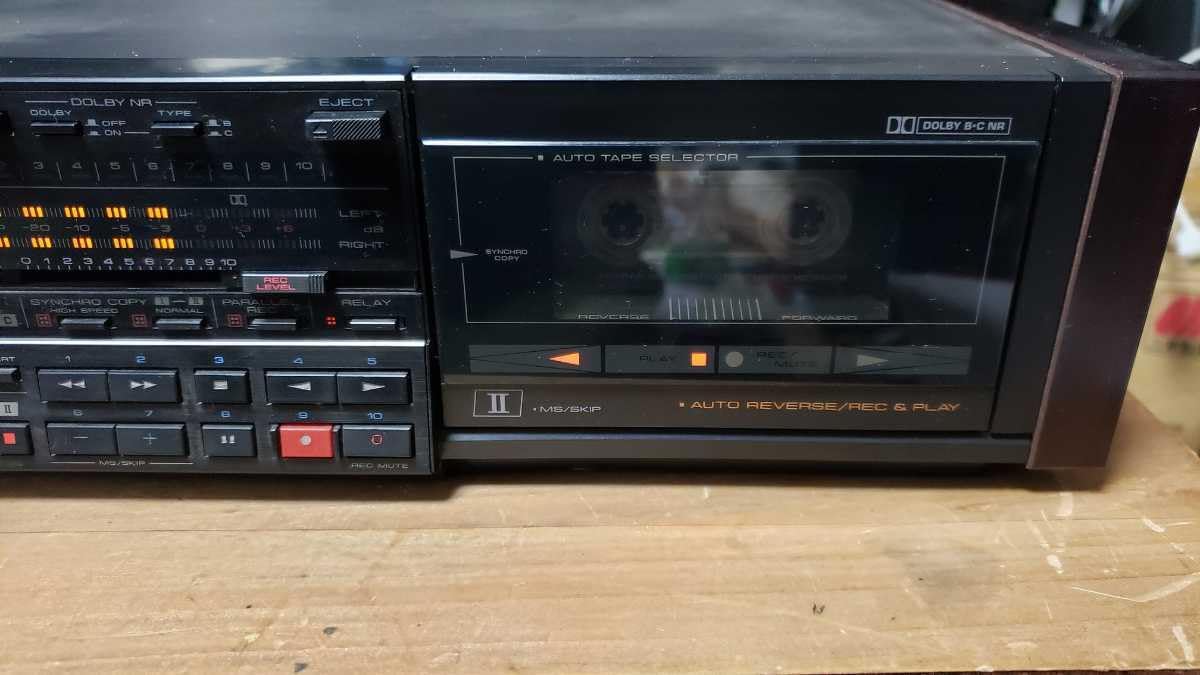
Figure 4.1: Front panel of Deck I with a cassette inserted.
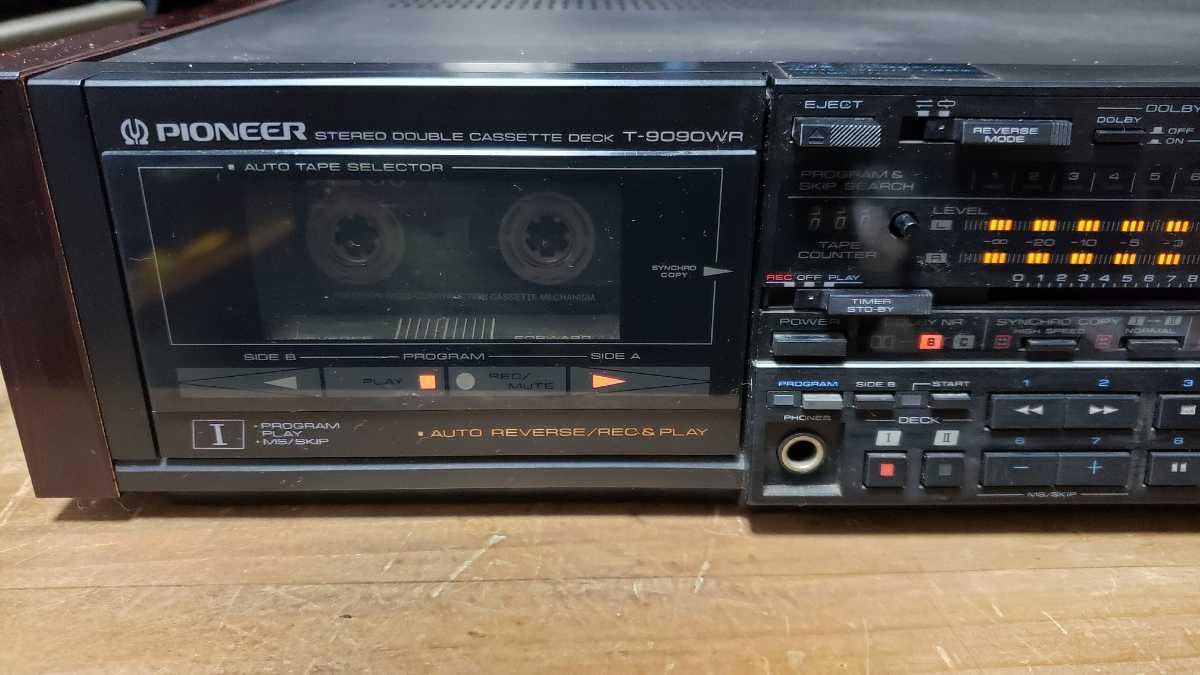
Figure 4.2: Front panel of Deck II with a cassette inserted.
4.2 Basic Playback
- Insert a cassette into either Deck I or Deck II.
- Select the appropriate input on your amplifier/receiver (e.g., TAPE or AUX).
- Press the PLAY button (►) for the selected deck. The tape will begin to play.
- To stop playback, press the STOP button (■).
- Use the REWIND (◀◀) or FAST FORWARD (►►) buttons to navigate the tape.
4.3 Auto-Reverse Function
The T-9090WR features auto-reverse, allowing continuous playback or recording on both sides of a cassette. The REVERSE MODE selector allows you to choose playback direction (forward, reverse, or continuous loop).
4.4 Recording
The T-9090WR allows recording on both Deck I and Deck II. Ensure your amplifier's REC OUT is connected to the deck's LINE IN.
- Insert a recordable cassette into the desired deck.
- Select the input source on your amplifier that you wish to record (e.g., CD, Tuner).
- Press the REC (●) button. The deck will enter record-pause mode.
- Adjust the REC LEVEL controls to ensure the recording level meters peak appropriately without distortion.
- Press the PLAY (►) button to start recording.
- To stop recording, press the STOP (■) button.
4.4.1 Synchro Copy
This feature allows for synchronized recording from Deck I to Deck II. Load the source tape into Deck I and a blank tape into Deck II. Press the SYNCHRO COPY button, then press PLAY on Deck I and REC on Deck II.
4.4.2 High-Speed Copy
For faster duplication, the T-9090WR supports high-speed copying. Engage the HIGH SPEED COPY function during synchro copy for quicker dubbing.
4.5 Dolby Noise Reduction
The unit includes Dolby B and C noise reduction systems. Select the appropriate Dolby NR setting (DOLBY NR B or DOLBY NR C) to match the recording. If the tape was recorded without Dolby NR, set the switch to OFF.
4.6 Auto Tape Selector
The T-9090WR automatically detects the type of tape (Normal, CrO2, Metal) inserted and adjusts equalization accordingly. Ensure the tape type is correctly identified for optimal playback and recording quality.
5. Maintenance
Regular maintenance ensures optimal performance and extends the life of your cassette deck.
5.1 Cleaning Tape Heads and Pinch Rollers
Dust and tape oxide can accumulate on the tape heads, pinch rollers, and capstans, leading to poor sound quality. Clean these components regularly (every 10-20 hours of use) using a cotton swab lightly dampened with isopropyl alcohol or a specialized head cleaning fluid.
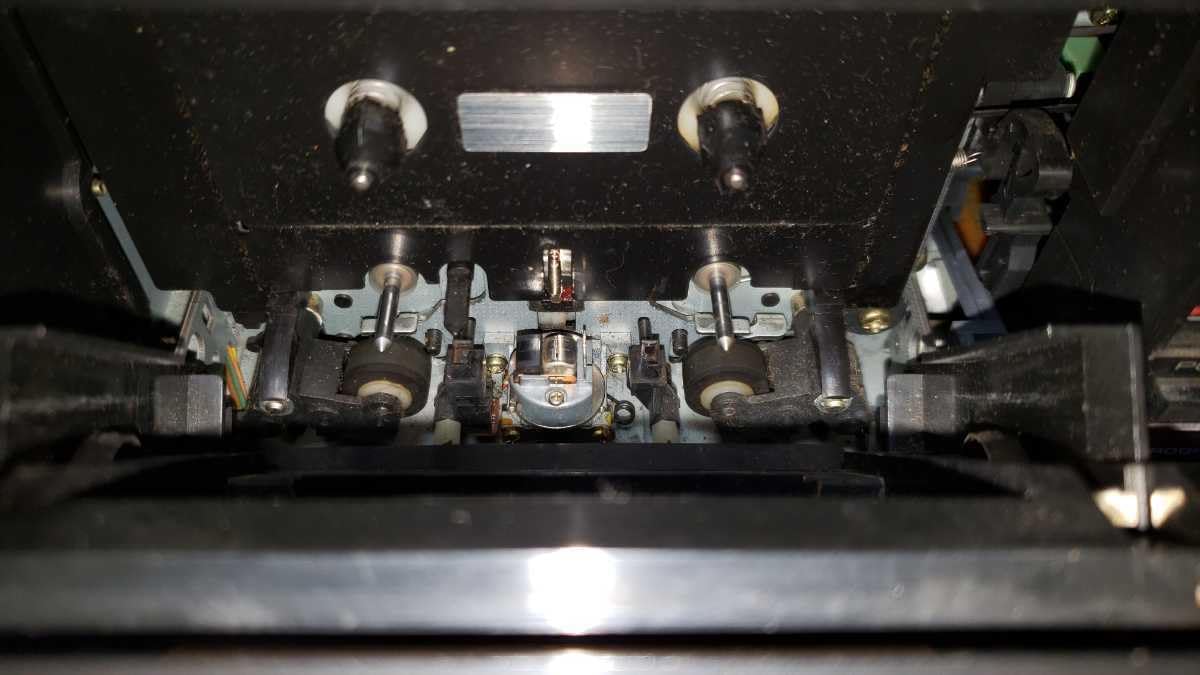
Figure 5.1: Internal view of Deck I mechanism, showing tape heads and pinch rollers.

Figure 5.2: Internal view of Deck II mechanism, showing tape heads and pinch rollers.
- Press the EJECT button to open the cassette holder.
- Gently wipe the tape heads, capstans, and pinch rollers until clean.
- Allow the components to dry completely before inserting a tape.
5.2 Demagnetization
Over time, tape heads can become magnetized, leading to increased noise and dull sound. Demagnetize the heads periodically (e.g., every 50-100 hours of use) using a specialized tape head demagnetizer. Follow the demagnetizer's instructions carefully.
5.3 Exterior Cleaning
Wipe the exterior of the unit with a soft, dry cloth. For stubborn dirt, use a cloth lightly dampened with mild detergent solution, then wipe dry. Avoid abrasive cleaners or solvents.
6. Troubleshooting
If you experience problems with your T-9090WR, consult the following table before seeking professional service.
| Problem | Possible Cause | Solution |
|---|---|---|
| No power | Power cord not connected; Power outlet faulty | Check power cord connection; Try a different outlet |
| No sound during playback | Incorrect input selected on amplifier; Audio cables loose or faulty; Volume too low | Select correct input (TAPE/AUX); Check RCA cable connections; Increase amplifier volume |
| Poor sound quality (dull, muffled) | Dirty tape heads; Worn tape; Incorrect Dolby NR setting | Clean tape heads and pinch rollers (Section 5.1); Try a different tape; Adjust Dolby NR setting |
| Tape not playing or winding | Tape jammed; Pinch rollers dirty; Mechanical issue | Eject and re-insert tape; Clean pinch rollers; If problem persists, seek service |
| Recording not working | LINE IN cables not connected; Input source not selected on amplifier; Tape write-protect tab engaged | Check LINE IN connections; Select correct source on amplifier; Cover the write-protect tab on the cassette with tape |
7. Specifications
These specifications are typical and subject to change without notice.
- Model: Pioneer T-9090WR
- Type: Stereo Double Cassette Deck
- Tape Heads: Hard Permalloy (Recording/Playback), Ferrite (Erase)
- Motor: DC Servo Motor
- Noise Reduction: Dolby B, Dolby C
- Auto-Reverse: Yes, both decks
- Tape Type Selector: Automatic (Normal, CrO2, Metal)
- Frequency Response: (Typical, depending on tape type)
- Normal: 20 Hz - 17 kHz
- CrO2: 20 Hz - 18 kHz
- Metal: 20 Hz - 19 kHz
- Signal-to-Noise Ratio: (Dolby C ON) > 70 dB
- Wow and Flutter: < 0.05% WRMS
- Inputs: Line In (RCA)
- Outputs: Line Out (RCA), Headphones (6.3mm stereo jack)
- Power Requirements: AC 100V, 50/60 Hz (Japanese market model)
- Dimensions (W x H x D): Approximately 420 x 130 x 300 mm
- Weight: Approximately 5.5 kg
8. Warranty and Customer Support
Specific warranty details for the Pioneer T-9090WR Double Cassette Deck are not provided in this document. For warranty information, service, or technical support, please refer to the warranty card included with your product or contact Pioneer customer service directly in your region. You may also visit the official Pioneer website for support resources.


