1. Introduction
Welcome to your new Cort G250 SE 6-String Solid-Body Electric Guitar. This instrument is designed for guitarists seeking a simple, utilitarian guitar with classic styling, incorporating essential advanced components for enhanced playability and enjoyment. Its finishes offer a vintage-modern aesthetic. This manual provides essential information for setting up, operating, maintaining, and troubleshooting your guitar.
2. Product Overview
The Cort G250 SE features a Basswood body, Roasted Maple neck, and a 2-Point Tremolo with Bent Steel Saddles. It is equipped with Cort Voiced Tone VTS63 & VTH77 Pickups and a double cutaway design for comfortable access to upper frets.
Key Features
- Basswood Body
- Roasted Maple Neck
- 2-Point Tremolo w/Bent Steel Saddles
- Cort Voiced Tone VTS63 & VTH77 Pickups
- Double Cutaway

Figure 2.1: Front view of the Cort G250 SE electric guitar, showcasing its Olive Dark Green finish, pickups, and bridge.
3. Setup
3.1 Unpacking
Carefully remove your guitar from its packaging. Inspect for any signs of damage during transit.
3.2 Tuning
The guitar is equipped with sealed tuners for stable tuning. Gently turn the tuning pegs to bring each string to the desired pitch.
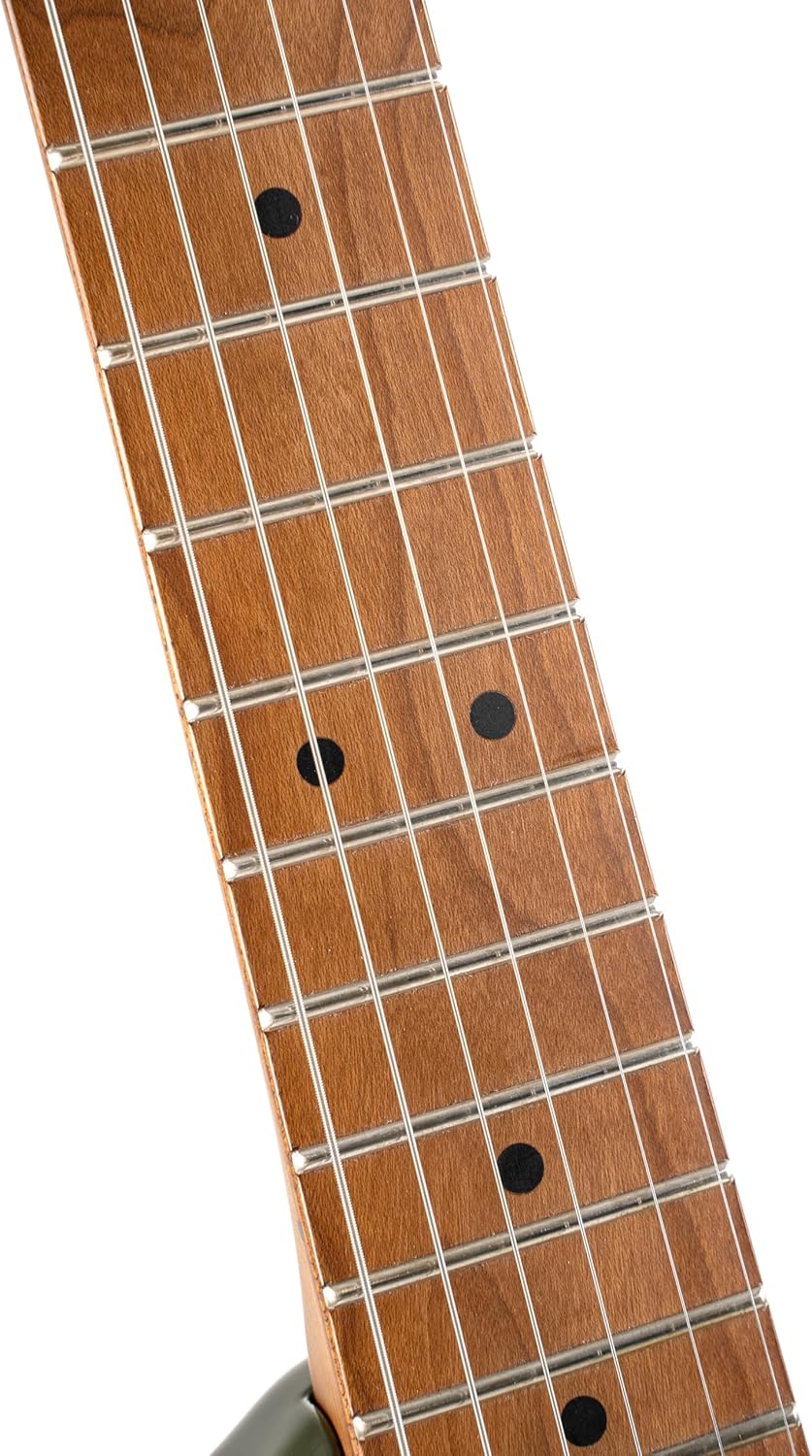
Figure 3.1: Close-up of the guitar's headstock and sealed tuners, showing the string winding posts.
3.3 String Installation
To change strings, thread the new string through the appropriate hole in the 2-Point Tremolo bridge. Wind the string around the tuning post, ensuring a few wraps for stability, then tune to pitch.
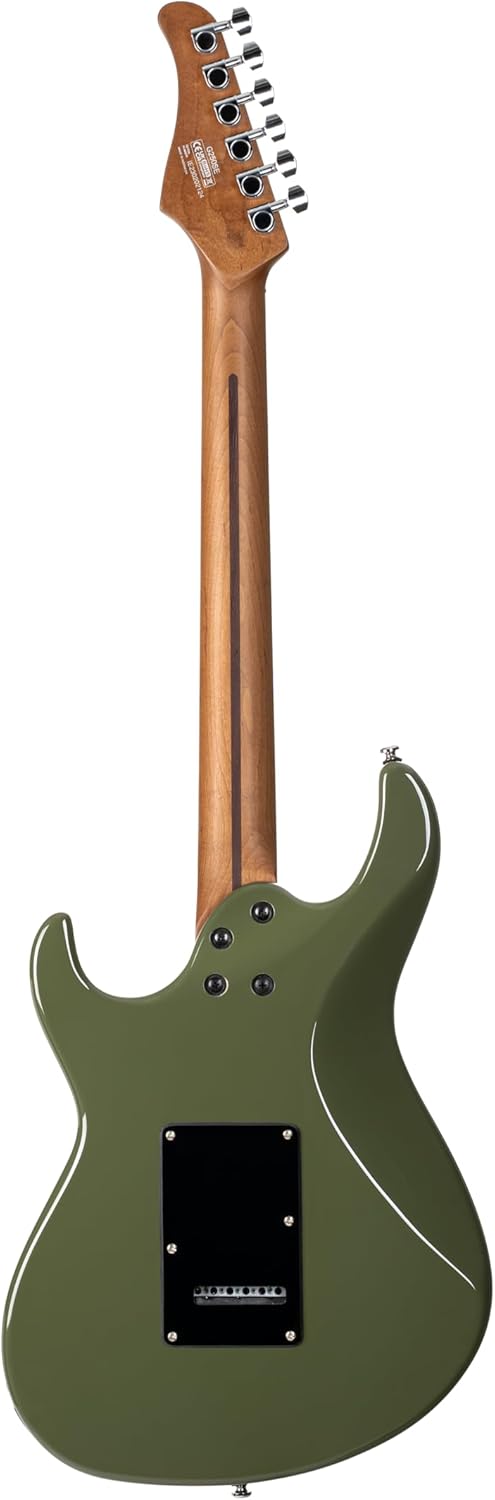
Figure 3.2: Detailed view of the 2-Point Tremolo bridge with bent steel saddles, showing string attachment points.
3.4 Action Adjustment
The string action (height above the fretboard) can be adjusted at the bridge. Use an appropriate Allen wrench to raise or lower the bridge saddles for individual string height or the entire bridge for overall action.
3.5 Intonation Adjustment
The 2-Point Tremolo bridge features adjustable saddles for intonation. Use a small screwdriver to move each saddle forward or backward until the 12th fret harmonic matches the fretted note at the 12th fret.
4. Operating Your Guitar
4.1 Connecting to an Amplifier
Connect a standard 1/4-inch instrument cable from the guitar's output jack to your amplifier's input.

Figure 4.1: Close-up of the guitar's output jack, located on the side of the body.
4.2 Controls
Your G250 SE features a single volume and a single tone knob to shape your sound.
- Volume Knob: Controls the overall output level of the guitar.
- Tone Knob: Adjusts the treble response, allowing you to achieve brighter or warmer tones.

Figure 4.2: View of the volume and tone control knobs on the guitar body.
4.3 Playing Techniques
Experiment with different picking and strumming techniques, as well as finger placement on the fretboard, to explore the full range of sounds your guitar can produce.
5. Maintenance
5.1 Cleaning
Regularly wipe down your guitar with a soft, lint-free cloth after playing to remove sweat and oils. Use a guitar-specific polish for the body and a fretboard conditioner for the Roasted Maple fretboard as needed.
5.2 String Care
Change strings regularly to maintain optimal tone and playability. Old strings can sound dull and be harder to keep in tune.
5.3 Fretboard Care
The Roasted Maple fretboard requires minimal maintenance. If it appears dry, apply a small amount of fretboard conditioner.

Figure 5.1: Close-up of the Roasted Maple fretboard with frets.
5.4 Storage
Store your guitar in a stable environment, away from extreme temperature changes and humidity fluctuations, to prevent wood warping or cracking. A guitar case or gig bag is recommended for protection.
6. Troubleshooting
6.1 Tuning Instability
- Check Strings: Ensure strings are properly stretched and wound around tuning posts. Old strings can cause tuning issues.
- Nut Lubrication: Apply a small amount of graphite or specialized nut lubricant to the nut slots to reduce friction.
- Tuner Inspection: Verify that all tuners are functioning smoothly. If a tuner feels loose or binds, it may need adjustment or replacement.
6.2 No Sound from Amplifier
- Cable Check: Ensure the instrument cable is securely connected to both the guitar and the amplifier. Try a different cable to rule out a faulty one.
- Amplifier Power: Confirm the amplifier is powered on and its volume is not set to zero.
- Guitar Volume: Check that the guitar's volume knob is turned up.
6.3 Fret Buzz
- Action Adjustment: Slightly raise the string action at the bridge.
- Neck Relief: If buzz persists, the neck relief may need adjustment via the truss rod. This is best performed by a qualified guitar technician.
7. Specifications
| Feature | Detail |
|---|---|
| Item Weight | 12.92 pounds |
| Package Dimensions | 44.4 x 20.5 x 8.25 inches |
| ASIN | B0DCPFT8SP |
| Item model number | G250SEODG |
| Back Material | Basswood |
| Body Material | Basswood |
| Color Name | Olive Dark Green |
| Fretboard Material | Maple Wood |
| Guitar Pickup Configuration | H-S-S |
| Scale Length | 25.5 |
| String Material | Nickel |
| Top Material | Basswood, Maple Wood |
| Neck Material Type | Maple |
| Number of Strings | 6 |
| Guitar Bridge System | 2-Point Tremolo w/Bent Steel Saddles |
| Brand | Cort |
| Color | Olive Dark Green |
| Hand Orientation | Right |
Note: Best Sellers Rank and Date First Available are subject to change and may not reflect current market data.
8. Warranty and Support
For warranty information and customer support, please visit the official Cort website or contact your authorized dealer.