
1. Introduction
This manual provides detailed instructions for the proper operation, maintenance, and troubleshooting of the INSTRUKART Lutron TU-2016 Turbidity Meter. Please read this manual thoroughly before using the device to ensure accurate measurements and safe operation.
The Lutron TU-2016 is designed for measuring turbidity in various water sources, including lakes, water tanks, rivers, and mangroves. It features a wide measurement range, high resolution, and a user-friendly interface, adhering to ISO 7027 standards.
2. Safety Information
- Always handle the meter and its components with care to prevent damage.
- Do not expose the device to extreme temperatures, humidity, or direct sunlight for prolonged periods.
- Ensure the battery compartment is properly sealed to prevent water ingress.
- Keep the exterior of the test bottle clean and dry before insertion into the meter.
- Use only specified standard solutions for calibration.
- Dispose of batteries and solutions according to local regulations.
3. Package Contents
Upon unpacking, verify that all items listed below are present and in good condition:
- 1 Unit of TU-2016 Turbidity Meter
- 0 NTU standard solution
- 10 NTU standard solution
- Empty testing bottle (sample cuvette)
- Hard Carrying case
- Instruction Manual
- Factory Calibration Certificate
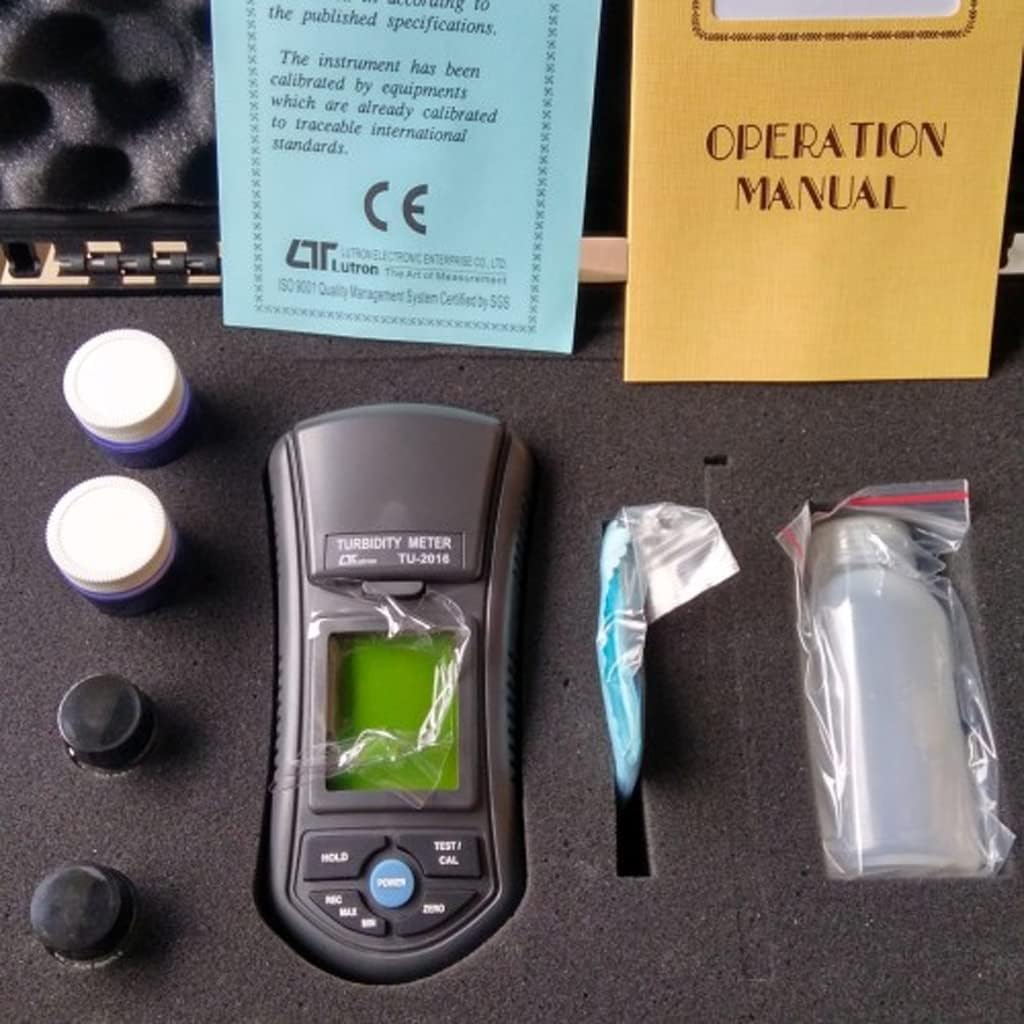
Figure 3.1: Contents of the TU-2016 Turbidity Meter package, neatly organized within its hard carrying case.

Figure 3.2: The TU-2016 Turbidity Meter along with its essential accessories for measurement and maintenance.
4. Product Overview
The Lutron TU-2016 Turbidity Meter is a portable, microprocessor-controlled device designed for precise turbidity measurements. Key features include:
- ISO 7027 Compliance: Designed to meet international standards for turbidity measurement.
- Measurement Unit: NTU (Nephelometric Turbidity Unit).
- Wide Auto Measurement Range: 0 to 1,000 NTU.
- High Resolution: 0.01 NTU (for 0.00 to 50.00 NTU range) and 1 NTU (for 50 to 1,000 NTU range).
- Unique Optics Structure: Enables accurate readings from low to high turbidity levels.
- User-Friendly Interface: Four operation buttons and three calibration points for easy use.
- Jumbo LCD Display: Large display for clear and easy readability.
- Microprocessor Circuit: Ensures maximum accuracy and provides special functions.
- Battery Operated: Ideal for field and on-site testing.
- Data Hold Function: Freezes the displayed value.
- Memory Recall: Records and recalls Maximum and Minimum readings.
- Auto Shut-Off: Conserves battery life.
- Durable Design: Heavy-duty and compact housing with a hard carrying case.

Figure 4.1: Front view of the TU-2016 Turbidity Meter, highlighting the display and control panel.

Figure 4.2: The TU-2016 Turbidity Meter held in hand, illustrating its compact and portable design.
5. Setup
5.1 Battery Installation
The meter operates on six DC 1.5 V AAA (UM4) batteries. To install or replace batteries:
- Locate the battery compartment cover on the back of the meter.
- Open the cover and insert six AAA batteries, observing the correct polarity (+/-).
- Close the battery compartment cover securely.
5.2 Initial Power On
Press the POWER button to turn on the meter. The LCD display will illuminate and show a brief self-test before entering measurement mode.
6. Operating Instructions
6.1 Preparing a Sample
- Ensure the empty testing bottle (cuvette) is clean and dry. Wipe the exterior with a lint-free cloth.
- Fill the testing bottle with the water sample to be measured. Avoid air bubbles.
- Securely cap the bottle.
6.2 Taking a Measurement
- Open the sample compartment lid on the top of the meter.
- Insert the prepared sample bottle into the compartment, ensuring it is seated correctly.
- Close the sample compartment lid.
- Press the TEST/CAL button to initiate a measurement. The turbidity reading will appear on the LCD display.
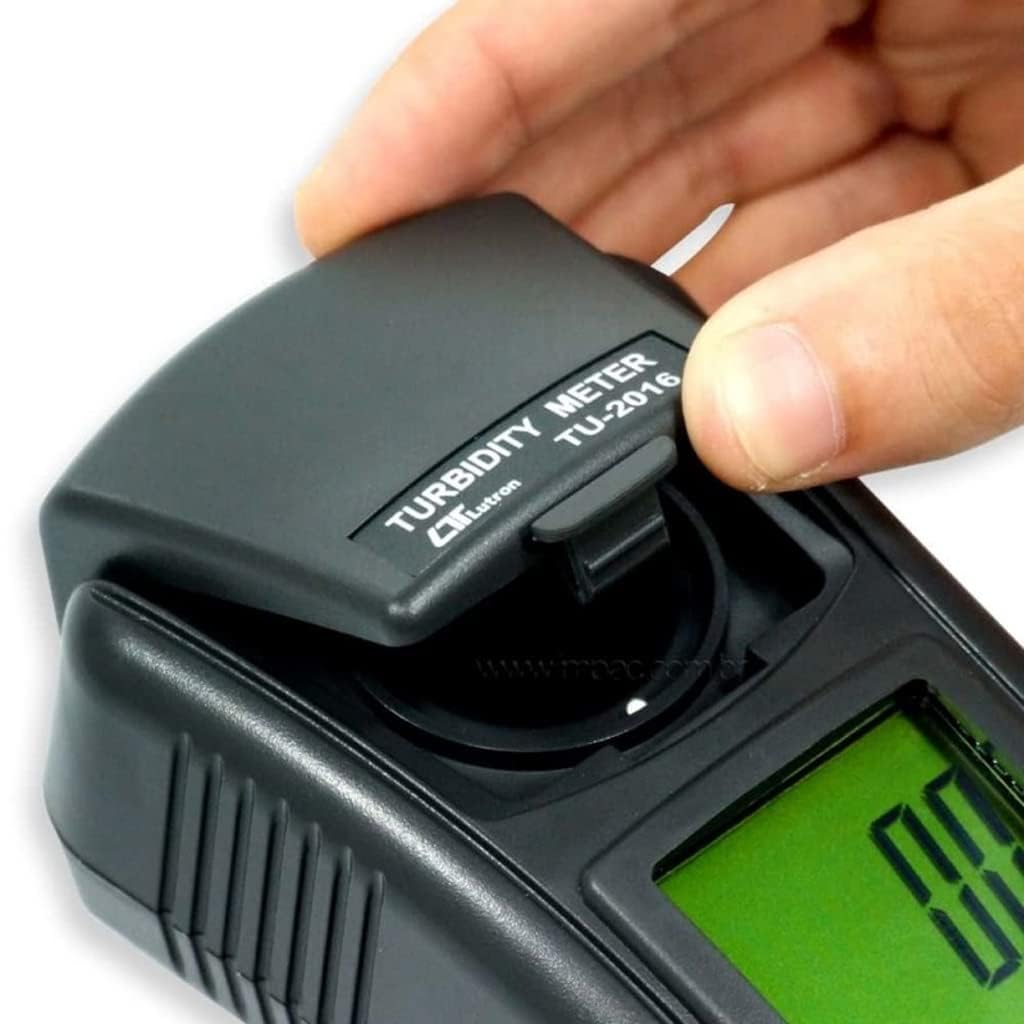
Figure 6.1: Opening the sample compartment lid.

Figure 6.2: Inserting a sample bottle into the meter.
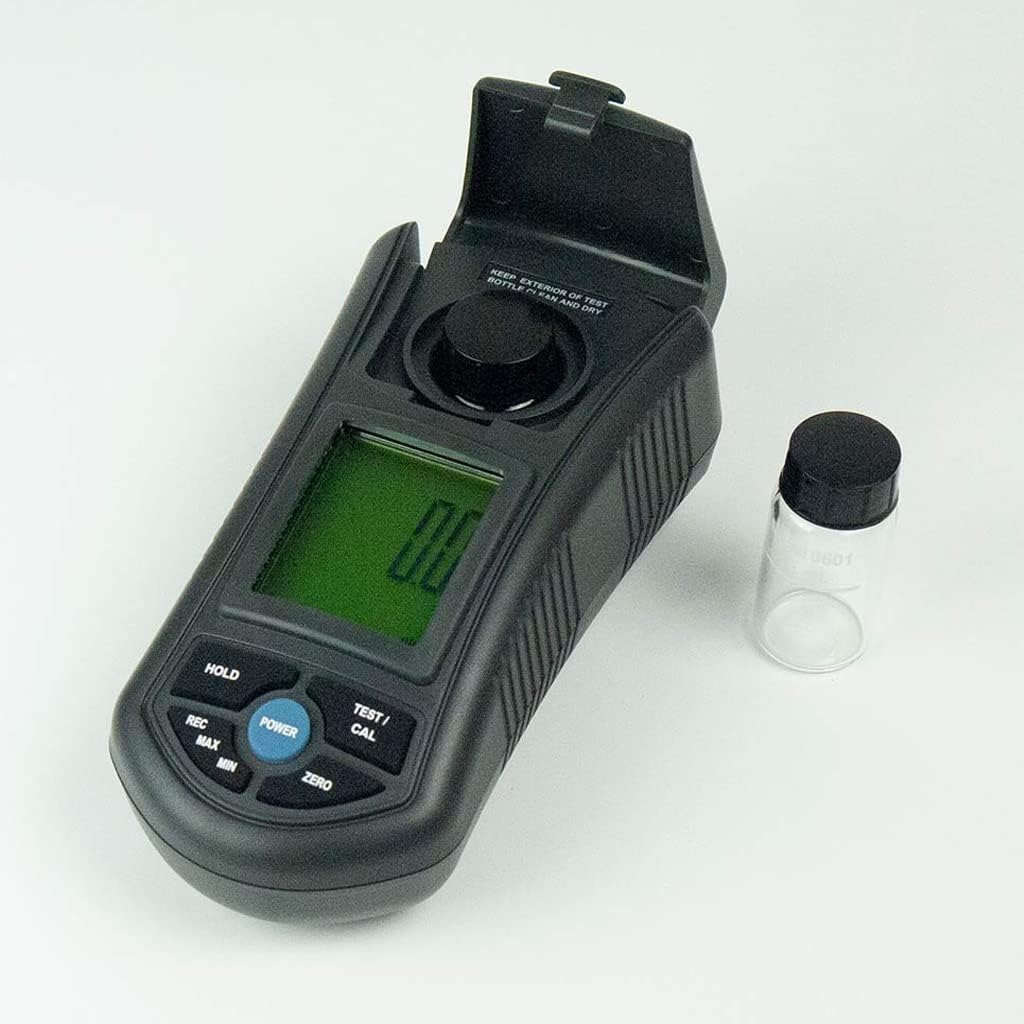
Figure 6.3: The meter with the sample compartment open, ready for sample insertion.
6.3 Data Hold Function
To freeze the current reading on the display, press the HOLD button. Press it again to release and resume live measurement.
6.4 Memory Recall (MAX/MIN)
The meter can record and recall the maximum and minimum turbidity readings:
- Press the REC button once to display the maximum recorded value.
- Press the REC button again to display the minimum recorded value.
- Press the REC button a third time to exit memory recall mode.
6.5 Auto Shut-Off
The meter features an auto shut-off function to conserve battery life. If no button is pressed for a certain period, the meter will automatically power off. This can be manually overridden by pressing the POWER button to turn off the device.
7. Calibration
The TU-2016 features a three-point push-button calibration system. Regular calibration ensures the accuracy of your measurements. Use the provided 0 NTU and 10 NTU standard solutions for calibration.
- Turn on the meter.
- Insert the 0 NTU standard solution into the sample compartment.
- Press and hold the TEST/CAL button until the calibration mode is indicated on the display. Follow the on-screen prompts to calibrate the 0 NTU point.
- Remove the 0 NTU solution and insert the 10 NTU standard solution.
- Repeat the calibration process for the 10 NTU point.
- The third calibration point (if applicable) can be performed similarly with a higher NTU standard solution if available and required for your specific application.
- After successful calibration, the meter will return to measurement mode.
Note: Refer to the Factory Calibration Certificate for details on the initial calibration performed by the manufacturer.
8. Maintenance
8.1 Cleaning the Meter
- Wipe the exterior of the meter with a soft, damp cloth. Do not use abrasive cleaners or solvents.
- Keep the sample compartment clean and free of debris.
- Ensure the exterior of the test bottles are always clean and dry before use.
8.2 Storage
- When not in use, store the meter and its accessories in the provided hard carrying case.
- Store in a cool, dry place, away from direct sunlight and extreme temperatures.
- If storing for extended periods, remove the batteries to prevent leakage.
9. Troubleshooting
| Problem | Possible Cause | Solution |
|---|---|---|
| Meter does not power on. | Dead or incorrectly installed batteries. | Replace batteries, ensuring correct polarity. |
| Inaccurate readings. |
|
|
| Display shows "Err" or similar error. | Measurement range exceeded or internal error. | Ensure sample is within 0-1000 NTU range. Power cycle the device. If error persists, contact support. |
10. Specifications
| Parameter | Detail |
|---|---|
| Circuit | Custom one-chip of microprocessor LSI circuit |
| Display | LCD size: 41 mm x 34 mm |
| Measurement Range | 0.00 to 50.00 NTU, 50 to 1,000 NTU (Auto range) |
| Resolution | 0.01 NTU (0.00 to 50.00 NTU), 1 NTU (50 to 1,000 NTU) |
| Accuracy | ± 5 % F.S. or ± 0.5 NTU, whichever is greater |
| Light Source | LED, 850 nm |
| Detector | Photo diode |
| Standard Compliance | Meet ISO 7027 |
| Response Time | Less than 10 seconds |
| Sample Volume Needed | 10 mL |
| Data Hold | Freeze the display reading |
| Memory Recall | Maximum & Minimum value |
| Display Sampling Time | Approx. 1 second |
| Power Off | Auto shut off or manual off by push button |
| Operating Temperature | 0 to 50°C |
| Operating Humidity | Less than 85% R.H. |
| Power Supply | DC 1.5 V battery (UM4, AAA) x 6 PCs |
| Power Current (Standby) | Approx. DC 3.5 mA |
| Power Current (Testing) | Approx. DC 36 mA |
| Weight | 320 g Approx. (0.71 lbs) |
| Dimensions | 155 x 76 x 62 mm (6.1 x 2.99 x 2.44 inches) |
11. Support and Warranty
For technical assistance, troubleshooting beyond this manual, or warranty inquiries, please contact INSTRUKART customer support. Refer to your purchase documentation for specific warranty terms and contact information.
The product comes with a Factory Calibration Certificate, ensuring its initial accuracy and compliance with international standards.