
Bosch 69909
BOSCH 69909 Electric Fuel Pump Instruction Manual
Brand: Bosch | Model: 69909
1. Safety Information
Read all instructions carefully before installation and operation. Failure to follow these instructions may result in property damage, personal injury, or death. Always wear appropriate personal protective equipment (PPE) including safety glasses and gloves.
- Ensure the vehicle's battery is disconnected before beginning any work on the fuel system.
- Work in a well-ventilated area to avoid inhaling fuel vapors.
- Keep open flames, sparks, and other ignition sources away from the work area.
- Relieve fuel system pressure before disconnecting any fuel lines.
- Dispose of fuel and related materials according to local environmental regulations.
- If you are unsure about any step, consult a qualified automotive technician.
2. Product Overview
The BOSCH 69909 Electric Fuel Pump is engineered to meet or exceed original equipment (OE) standards, providing reliable fuel delivery for compatible 7.3L Diesel Ford vehicles. It incorporates advanced technology for optimal performance and extended service life.

Figure 2.1: BOSCH 69909 Electric Fuel Pump
This image displays the main view of the BOSCH 69909 Electric Fuel Pump, showcasing its cylindrical metal body and electrical connections.
Key Features:
- Superior Engineering: Manufactured and tested to rigorous OE quality standards.
- Innovative Turbine Pump Technology: Designed to minimize fuel pulsation, noise, and hot-start issues.
- Optimal Performance: Ensures reliable operation in extreme temperatures and low fuel conditions.
- Factory Tested: Each pump undergoes end-of-line function testing for quality assurance.
- Electromagnetic Shielding: Prevents interference with vehicle electronics.
3. Package Contents
Verify that all components are present and undamaged before proceeding with installation.
- BOSCH 69909 Electric Fuel Pump (1 unit)
- Installation components (as shown in product photos, may vary by specific part number)

Figure 3.1: Fuel Pump and Installation Components
This image shows the BOSCH 69909 fuel pump along with various small installation components such as washers, nuts, and electrical connectors.
4. Specifications
| Attribute | Value |
|---|---|
| Brand | Bosch |
| Model Number | 69909 |
| Fit Type | Vehicle Specific Fit |
| Vehicle Service Type | Truck |
| Specification Met | OE |
| Auto Part Position | Rear |
| Outlet Connection Type | Barb |
| Body Material | Alloy Steel |
| Inlet Connection Type | Hose Barb |
| Gas Type | Diesel |
| Mounting Type | Bung Mount |
| Operation Mode | Automatic |
| Item Weight | 1.63 pounds |
| Package Dimensions | 8.43 x 2.72 x 2.68 inches |
| UPC | 731413609190 |
5. Installation Instructions
This section provides general guidelines for installing the BOSCH 69909 Electric Fuel Pump. For detailed, vehicle-specific instructions, refer to your vehicle's service manual. Professional installation is recommended if you lack experience with fuel system components.
Tools and Materials (Not Included):
- Safety glasses and gloves
- Wrench set
- Screwdriver set
- Fuel line disconnect tools (if applicable)
- Drain pan for fuel
- Shop rags
- Vehicle jack and jack stands
Installation Steps:
- Prepare the Vehicle: Park the vehicle on a level surface. Engage the parking brake. Disconnect the negative terminal of the battery.
- Relieve Fuel System Pressure: Consult your vehicle's service manual for the proper procedure to relieve fuel system pressure. This typically involves removing the fuel pump fuse and cranking the engine, or using a specialized tool.
- Access the Fuel Pump: The BOSCH 69909 is an external fuel pump, typically located near the fuel tank. Safely lift the vehicle using a jack and secure it with jack stands. Locate the existing fuel pump.
- Disconnect Fuel Lines and Electrical Connectors: Place a drain pan beneath the fuel pump to catch any residual fuel. Carefully disconnect the fuel lines from the old pump. Disconnect the electrical connector.
- Remove Old Fuel Pump: Unmount the old fuel pump from its bracket.
- Install New Fuel Pump: Mount the new BOSCH 69909 Electric Fuel Pump onto the existing bracket. Ensure it is securely fastened.
- Connect Fuel Lines and Electrical Connectors: Connect the fuel lines to the new pump, ensuring a tight, leak-free connection. Connect the electrical connector.
- Inspect and Test: Double-check all connections for security and proper routing. Lower the vehicle. Reconnect the battery's negative terminal. Turn the ignition to the "ON" position (without starting the engine) for a few seconds to allow the fuel pump to prime the system. Repeat this a few times. Check for any fuel leaks.
- Start Engine: Start the engine and allow it to run for several minutes. Re-check for any leaks or unusual noises.

Figure 5.1: Fuel Pump Connections
This image provides a close-up view of the fuel pump's inlet and outlet ports, along with the electrical terminals, illustrating the connection points for installation.
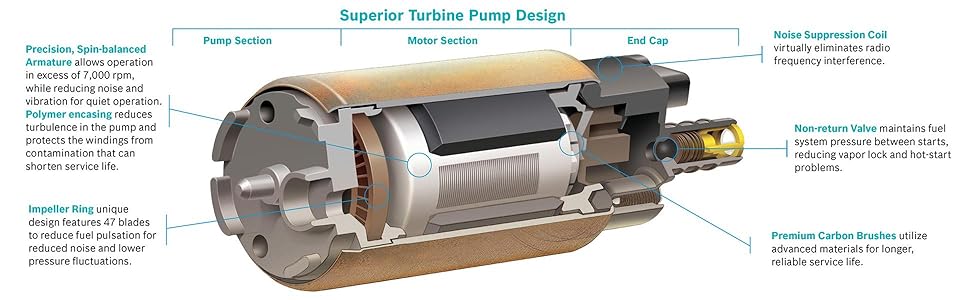
Figure 5.2: Internal Components of a Bosch Turbine Fuel Pump
This diagram illustrates the internal components of a Bosch Turbine Fuel Pump, highlighting the pump section, motor section, end cap, noise suppression coil, non-return valve, impeller ring, and premium carbon brushes. This provides insight into the pump's advanced design for efficient fuel delivery.
6. Operation
The BOSCH 69909 Electric Fuel Pump operates automatically once installed and connected to the vehicle's electrical and fuel systems. It is designed to deliver a consistent and precise flow of diesel fuel to the engine's fuel injection system, ensuring optimal engine performance and efficiency.
- Upon ignition, the pump primes the fuel system, building necessary pressure.
- During engine operation, it continuously supplies fuel at the required pressure.
- The patented Turbine Pump technology minimizes noise and ensures smooth fuel delivery, even under varying conditions.
7. Maintenance
Proper maintenance of your vehicle's fuel system components is crucial for the longevity and performance of the fuel pump. While the BOSCH 69909 is a durable component, adhering to general fuel system maintenance practices is recommended.
- Fuel Filter Replacement: Regularly replace your vehicle's fuel filter according to the manufacturer's recommendations. A clogged fuel filter can strain the fuel pump and lead to premature failure.
- Fuel Quality: Use high-quality diesel fuel to prevent contaminants from entering the fuel system.
- Avoid Running on Low Fuel: Consistently running the fuel tank very low can cause the pump to overheat as it relies on fuel for cooling and lubrication.
- Inspect Fuel Lines: Periodically inspect fuel lines and connections for signs of wear, cracks, or leaks.
8. Troubleshooting
If you experience issues after installing the fuel pump, refer to the table below for common problems and potential solutions. Always consult your vehicle's service manual for specific diagnostic procedures.
| Problem | Possible Cause | Solution |
|---|---|---|
| Engine cranks but does not start | No fuel pressure, electrical issue, clogged fuel filter | Check fuel pump fuse/relay. Verify electrical connections. Check fuel pressure with a gauge. Inspect fuel filter. |
| Engine stalls or runs rough | Insufficient fuel pressure, air in fuel lines, contaminated fuel | Check fuel pressure. Bleed air from fuel system (if applicable). Check fuel quality. |
| Fuel leaks | Loose connections, damaged O-rings/seals, incorrect hose clamps | Tighten all fuel line connections. Replace any damaged O-rings or seals. Ensure correct hose clamps are used and tightened. |
| Loud whining noise from pump | Low fuel level, restricted fuel line/filter, air in system | Ensure adequate fuel level. Check for kinks in fuel lines or clogged filters. Bleed air from system. |
9. Warranty and Support
Bosch fuel pumps are backed by a commitment to quality and performance. For specific warranty information, please refer to the documentation included with your purchase or visit the official Bosch Automotive website. For technical support or further assistance, contact Bosch customer service.
Bosch Automotive Website: www.boschautoparts.com
Ask a question about this manual
Ask about setup, troubleshooting, compatibility, parts, safety, or missing instructions. Manuals+ will review the question and use this page’s manual context to help answer it.