
1. Introduction
This manual provides detailed instructions for the installation, operation, maintenance, and troubleshooting of your XikeStor 10Gb PCIe Network Card. This high-performance network adapter is designed to deliver reliable and high-speed network connectivity for various computing environments.
2. Product Overview
The XikeStor 10Gb PCIe Network Card features an Intel X550-T2 chipset, offering dual RJ45 ports for 10 Gigabit Ethernet connectivity. It is engineered for stable performance across multiple speeds and broad compatibility with various operating systems and server configurations.
Key Features:
- Stable Performance Across Multiple Speeds: Equipped with the Intel X550-T2 chipset, this 10G Ethernet card supports speeds of 100M, 1G, 2.5G, 5G, and 10G, ensuring stable performance without frame loss or packet drops.
- Adaptive Duplex Modes and Versatile Installation: Supports both half/full duplex auto-negotiation and includes standard and low-profile brackets for flexible installation in various system setups.
- High-Speed PCIe Interface: Utilizes a PCIe v3.0 (8.0GT/s) interface with x4 lane width, compatible with x8 and x16 slots, facilitating high-speed data transfer and broad compatibility with server configurations.
- Efficient Heat Dissipation: Features an oversized high-performance alloy heatsink for quick and effective dissipation of excess heat, ensuring stable operation even under heavy workloads.
- Broad Operating System Compatibility: Compatible with Windows 10/11, Windows Server 2012-2019, Ubuntu 22.04/20.04 LTS, Linux RHEL 8.0-9.2, SLES 15 SP5, VMware ESX/ESXi 5.x/6.x or later, FreeBSD 13.1/12.4, and Synology 7.1 and above.

Figure 2.1: The network card supports high-speed data transmission up to 10Gbps, compatible with various network speeds.

Figure 2.2: The oversized alloy heatsink ensures optimal thermal management for sustained performance.
3. Package Contents
Please verify that all items are present in the package:
- 10G PCIe Network Card × 1
- Low-profile Bracket × 1
4. Setup and Installation
Follow these steps to properly install your XikeStor 10Gb PCIe Network Card into your computer system.
4.1 Physical Installation
- Power Off System: Completely shut down your computer and disconnect the power cord from the power outlet.
- Open Computer Case: Remove the side panel of your computer case to access the motherboard.
- Identify PCIe Slot: Locate an available PCI Express slot (x4, x8, or x16) on your motherboard.
- Remove Slot Cover: Carefully remove the metal slot cover corresponding to the chosen PCIe slot from the back of your computer case.
- Install Network Card: Align the network card with the chosen PCIe slot and firmly press it down until it is securely seated. Ensure the gold contacts are fully inserted into the slot.
- Secure Card: Use a screw or the case's retention mechanism to secure the network card to the computer case.
- Close Case: Replace the computer case side panel and reconnect the power cord.
- Connect Network Cables: Connect your Ethernet cables to the RJ45 ports on the newly installed network card.
- Power On: Power on your computer.
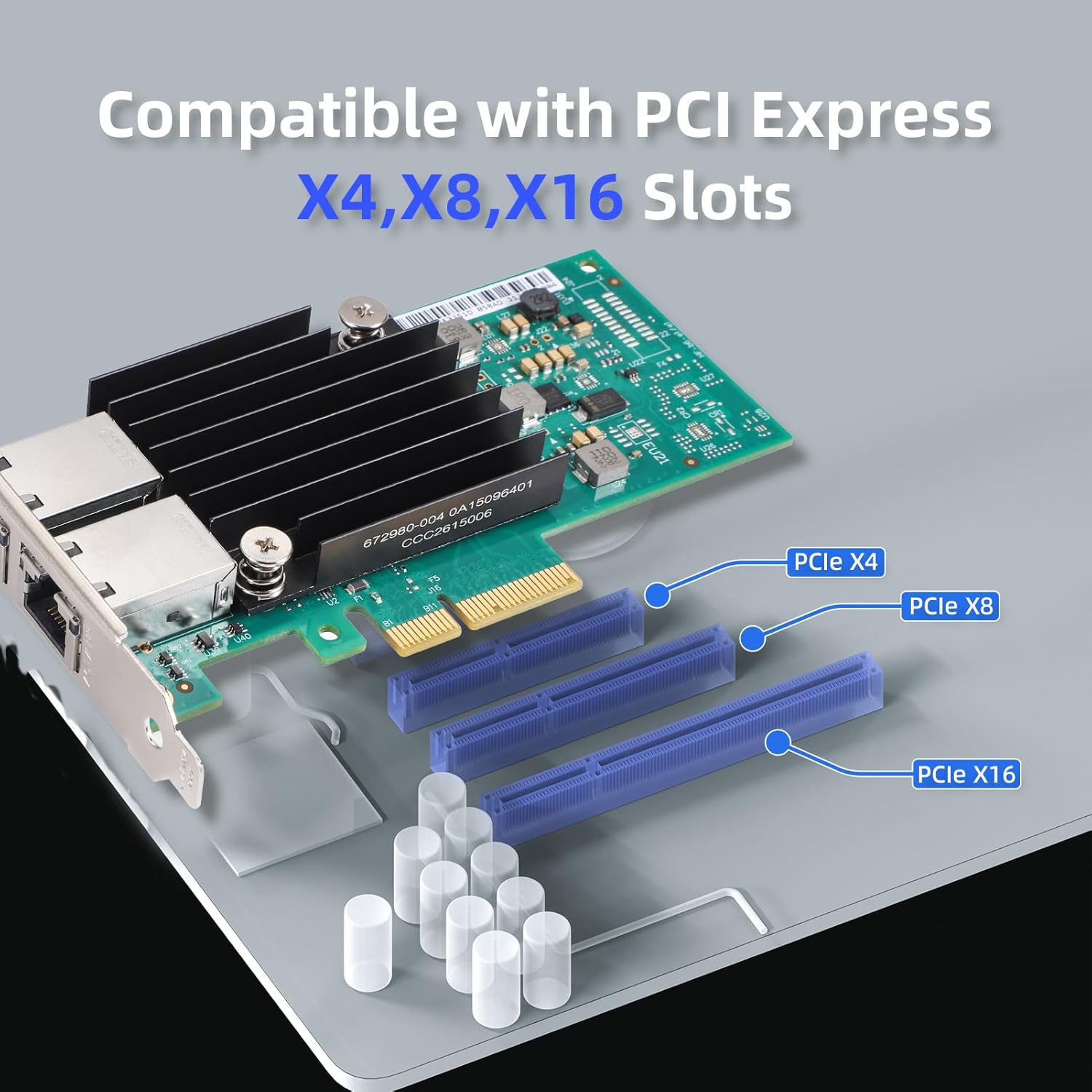
Figure 4.1: The network card is designed to fit into PCIe x4, x8, or x16 slots.

Figure 4.2: The included low-profile bracket allows installation in small form factor PCs or 2U chassis.
5. Operating Instructions
5.1 Driver Installation
After physical installation, you may need to install drivers for the network card to function correctly. Most modern operating systems may automatically detect and install generic drivers. However, for optimal performance and full feature support, it is recommended to install the latest drivers from the XikeStor official website or the Intel support page for the X550-T2 chipset.
- Windows: Download the appropriate driver package for your Windows version (10/11, Server 2012-2019) and follow the on-screen instructions.
- Linux/Ubuntu/FreeBSD: Drivers are often included in the kernel or available through package managers. Refer to your specific distribution's documentation for installation.
- VMware/Synology: Consult the official documentation for VMware ESX/ESXi or Synology DSM for driver installation procedures.

Figure 5.1: The network card supports a wide range of operating systems for diverse server environments.
5.2 Basic Network Configuration
Once drivers are installed, verify the network card's status in your operating system's network settings. Configure IP addresses, subnet masks, and gateway settings as required by your network environment. Ensure that your network switch or router also supports 10 Gigabit Ethernet for full speed utilization.

Figure 5.2: Example of a 10G network diagram showing the integration of the PCIe adapter.
6. Maintenance
To ensure the longevity and optimal performance of your network card, consider the following maintenance tips:
- Keep Clean: Periodically clean dust from the network card's heatsink and surrounding components using compressed air. Ensure the computer is powered off and unplugged before cleaning.
- Ensure Airflow: Maintain good airflow within your computer case to prevent overheating. Ensure no cables or other components obstruct the heatsink.
- Driver Updates: Regularly check the manufacturer's website for updated drivers to benefit from performance improvements and bug fixes.
7. Troubleshooting
If you encounter issues with your network card, try the following troubleshooting steps:
Common Issues and Solutions:
- No Network Connectivity:
- Verify that the Ethernet cables are securely connected to both the network card and the network device (switch/router).
- Check the LED indicators on the network card; they should show activity when connected.
- Ensure the network card is properly seated in the PCIe slot.
- Check your operating system's network adapter settings to ensure the card is enabled and configured correctly.
- Slow Network Speed:
- Ensure your network switch/router and cables support 10 Gigabit Ethernet. Cat6a or Cat7 cables are recommended for 10Gbps.
- Update the network card drivers to the latest version.
- Check for network congestion or other devices consuming bandwidth on your network.
- Driver Installation Issues:
- Download drivers specifically for your operating system version and architecture (32-bit/64-bit).
- Disable antivirus software temporarily during driver installation if it interferes.
- Try installing drivers in compatibility mode if experiencing issues on newer OS versions.
- Card Not Detected:
- Reseat the network card in the PCIe slot.
- Try installing the card in a different PCIe slot if available.
- Check your motherboard's BIOS/UEFI settings to ensure PCIe slots are enabled.
8. Specifications
| Feature | Detail |
|---|---|
| Brand | XikeStor |
| Model Number | 10G X550 2×RJ45 |
| Mfr Part Number | SKN-X550-2BT |
| Hardware Interface | PCI Express x4 (compatible with x8, x16) |
| Data Link Protocol | Gigabit Ethernet, 10 Gigabit Ethernet |
| Data Transfer Rate | 10 Gigabits Per Second (supports 100M/1G/2.5G/5G/10G) |
| Compatible Devices | Desktop, Servers |
| Product Dimensions (L×W×H) | 5.12" × 2.72" × 0.71" |
| Item Weight | 0.33 Pounds |
| Manufacturer | Anhui Seeker Electronic Technology Co., Ltd. |
9. Warranty and Support
9.1 Warranty Information
The XikeStor 10Gb PCIe Network Card comes with a 1-Year Warranty from the date of purchase. This warranty covers manufacturing defects and malfunctions under normal use. It does not cover damage caused by misuse, accidents, unauthorized modifications, or improper installation.
9.2 Technical Support
For technical assistance, driver downloads, or further inquiries, please visit the official XikeStor website or contact their customer support. Have your product model number (10G X550 2×RJ45) and purchase information ready when seeking support.


