
1. Important Safety Information
Read and understand all instructions and warnings before operating the SAITO FG-20 engine. Failure to follow these safety guidelines can result in serious injury or property damage.
- Fuel Handling: Gasoline is highly flammable. Always handle fuel in a well-ventilated area, away from open flames, sparks, or heat sources. Store fuel in approved containers.
- Hot Surfaces: The engine and exhaust system become extremely hot during operation and remain hot for some time after shutdown. Avoid contact to prevent burns.
- Moving Parts: Keep hands, face, and loose clothing clear of the propeller and other rotating parts when the engine is running or being started.
- Ventilation: Operate the engine only in well-ventilated areas to prevent the accumulation of harmful exhaust fumes. Carbon monoxide is odorless and deadly.
- Eye Protection: Always wear appropriate eye protection when operating or working on the engine.
- Children and Pets: Keep children and pets away from the engine during operation and maintenance.
2. Product Overview
The SAITO FG-20 is a high-performance gasoline-powered four-stroke engine designed for various applications, including model aircraft. It offers reliable operation and efficient power output.
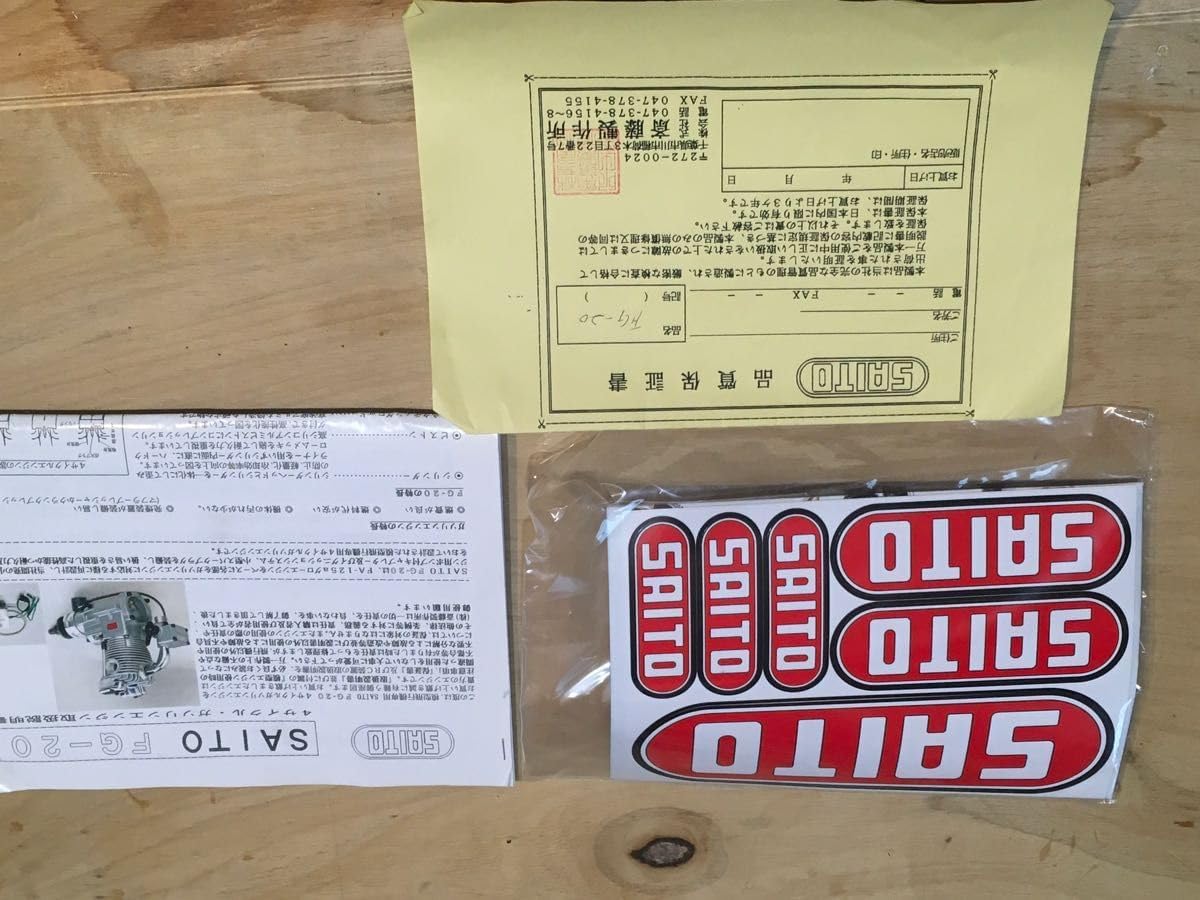
Figure 2.1: The SAITO FG-20 gasoline four-stroke engine, showcasing its compact design and key components.

Figure 2.2: The SAITO FG-20 engine packaging, including the product box and the instruction manual.
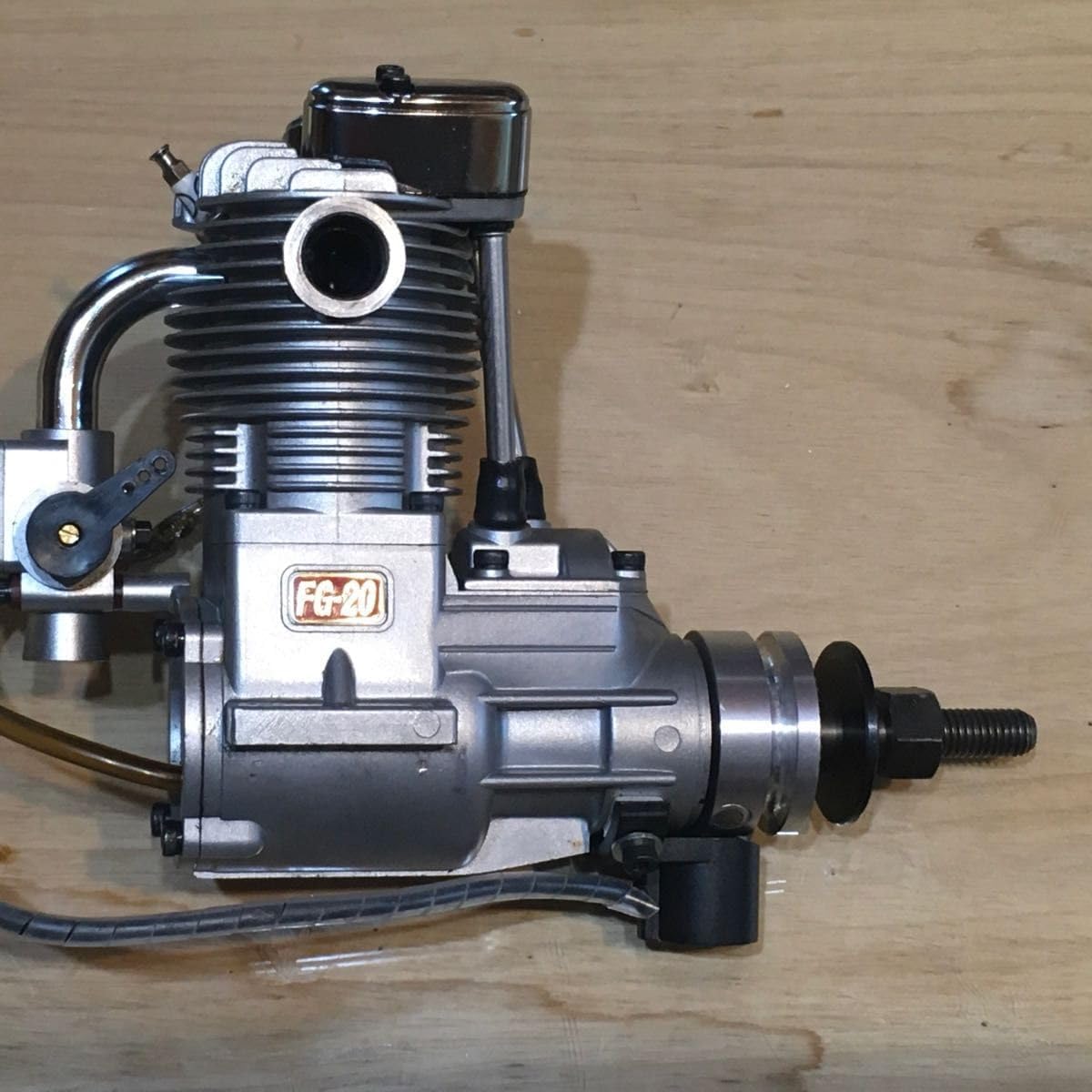
Figure 2.3: Side view of the SAITO FG-20 engine, highlighting the carburetor and exhaust port.

Figure 2.4: Top view of the SAITO FG-20 engine, showing the cylinder head and spark plug location.

Figure 2.5: The SAITO FG-20 engine connected to its electronic ignition system, ready for installation.
3. Setup and Installation
3.1 Engine Mounting
Securely mount the engine to your model or test stand using appropriate engine mounts and hardware. Ensure the mounting surface is rigid and can withstand engine vibrations and torque. Refer to your model's specific instructions for mounting details.
3.2 Fuel System Connection
- Connect the fuel line from your fuel tank to the carburetor's fuel inlet nipple. Use fuel-resistant tubing and secure connections with fuel line clamps.
- Ensure the fuel tank is properly vented and positioned to provide a consistent fuel flow to the engine.
- Install an inline fuel filter between the tank and carburetor to prevent contaminants from entering the engine.
3.3 Ignition System Connection
- Connect the spark plug cap firmly to the spark plug.
- Connect the ignition unit's power input to a suitable battery pack (e.g., 6.0V-7.4V LiPo or NiMH). Ensure correct polarity.
- Route all ignition wires away from hot engine parts and moving components to prevent damage.
3.4 Propeller Installation
Install the propeller onto the engine's crankshaft. Ensure the propeller is balanced and mounted correctly with the leading edge facing the direction of rotation. Tighten the propeller nut securely, but do not overtighten. Always use a propeller that is within the manufacturer's recommended size range for the FG-20 engine.
4. Operating Instructions
4.1 Pre-Operation Checks
- Verify all connections (fuel, ignition, throttle linkage) are secure.
- Check fuel level and ensure the fuel tank is full.
- Inspect the propeller for any damage or cracks.
- Ensure the engine area is clear of debris and obstructions.
4.2 Starting Procedure
- Open the throttle to approximately 1/4 to 1/3 open.
- Turn on the ignition system.
- Choke the carburetor by closing the choke lever.
- Flip the propeller briskly by hand (wearing a thick glove) or use an electric starter until the engine 'pops' or attempts to start.
- Open the choke lever.
- Flip the propeller again until the engine starts and runs.
- Once running, slowly close the throttle to idle.
4.3 Running and Tuning
Allow the engine to warm up for a few minutes at a slightly elevated idle. Adjust the high-speed and low-speed needles on the carburetor for optimal performance. Start with the factory settings and make small adjustments, typically leaning the mixture until maximum RPM is achieved, then richening slightly for reliability. Consult the detailed tuning guide in the full manual for precise instructions.
4.4 Shutting Down
To stop the engine, either close the throttle completely until the engine dies, or cut the ignition power. Never attempt to stop the engine by blocking the propeller or exhaust.
5. Maintenance
Regular maintenance is crucial for the longevity and reliable performance of your SAITO FG-20 engine.
5.1 Regular Cleaning
After each use, clean the exterior of the engine to remove any fuel residue, dirt, or debris. Pay attention to cooling fins to ensure efficient heat dissipation.
5.2 Spark Plug Maintenance
Inspect the spark plug regularly (every 5-10 hours of operation). Clean any carbon deposits and check the electrode gap. Replace the spark plug if it shows signs of wear or fouling.
5.3 Valve Adjustment
As a four-stroke engine, the FG-20 has valves that may require periodic adjustment. Refer to the comprehensive service manual for the specific procedure and recommended intervals for checking valve clearances.
5.4 Lubrication
The engine's internal components are lubricated by the oil mixed with the gasoline. Ensure you use the correct fuel-to-oil ratio as specified by SAITO. Periodically check and lubricate external moving parts such as throttle linkages.
5.5 Storage
For long-term storage, drain all fuel from the tank and carburetor. Run the engine dry to consume any remaining fuel. Remove the spark plug and add a few drops of after-run oil into the cylinder, then rotate the crankshaft a few times to distribute the oil. Store the engine in a clean, dry, and temperature-controlled environment.
6. Troubleshooting
This section provides solutions to common operational issues. For more complex problems, consult a qualified technician or SAITO support.
| Problem | Possible Cause | Solution |
|---|---|---|
| Engine won't start | No fuel, fouled spark plug, no ignition, incorrect needle settings, flooded engine. | Check fuel supply, clean/replace spark plug, verify ignition power/connections, reset needles to factory settings, clear flooded engine by removing spark plug and flipping propeller. |
| Engine runs rough/stalls | Incorrect needle settings, air leak in fuel line, dirty fuel filter, old fuel, valve clearance issues. | Adjust needles, check fuel lines for leaks, replace fuel filter, use fresh fuel, check valve clearances. |
| Loss of power | Overheating, incorrect propeller size, lean fuel mixture, worn piston ring/cylinder. | Ensure adequate cooling, use recommended propeller, richen fuel mixture, inspect internal components for wear. |
| Excessive smoke | Rich fuel mixture, too much oil in fuel, worn engine components. | Lean fuel mixture, verify correct fuel-to-oil ratio, inspect engine for wear. |
7. Specifications
| Feature | Detail |
|---|---|
| Model Number | FG-20 (Product Model Number: z251319826) |
| Engine Type | Gasoline Four-Stroke |
| ASIN | B0D4MDQ87T |
| Manufacturer | SAITO (Listed as 'No Brand Product' on Amazon, but SAITO is the actual manufacturer) |
| First Available Date | May 20, 2024 |
8. Warranty and Support
This SAITO FG-20 engine is covered by a manufacturer's warranty against defects in materials and workmanship. The specific terms and duration of the warranty may vary by region and retailer. Please retain your proof of purchase for warranty claims.
For technical support, service, or warranty inquiries, please contact SAITO customer service or your authorized dealer. Contact information can typically be found on the manufacturer's official website or within the product packaging.
Note: Specific warranty details and contact information are not provided in this general manual. Please refer to the documentation included with your purchase for precise details.


