
Irfora HT609
HT609 Gas Leak Detector User Manual
Brand: Irfora | Model: HT609
1. Introduction
The HT609 Gas Leak Detector is a portable and highly sensitive device designed for the rapid and reliable detection of combustible gas leaks. Equipped with an LCD display, it provides clear readings of gas concentration, ambient temperature, and humidity. Its audible and visual alarm system ensures immediate notification of potential hazards, making it an essential tool for safety in various environments.

Figure 1: HT609 Gas Leak Detector, showing its LCD screen and controls.
2. Safety Information
Please read all safety instructions carefully before operating the device.
- Always power on the device in a clean, fresh air environment and allow it to complete its preheating cycle (approximately 30 seconds) before use. This ensures accurate calibration.
- Do not use the detector in environments with extremely high concentrations of gas, as this may pose an explosion risk.
- Keep the device away from water and excessive humidity, unless specified for such conditions.
- Do not attempt to disassemble or modify the device. Refer all servicing to qualified personnel.
- Ensure batteries are inserted correctly and replace them when the low battery indicator appears to maintain optimal performance.
3. Product Features
- Combustible Gas Detection: Detects a wide range of combustible gases with quick response times.
- LCD Display: Clear digital and analog bar display for gas concentration, ambient temperature, and humidity.
- Audible and Visual Alarm: Features a buzzer and indicator light that intensify with increasing gas concentration. The backlight changes from green to orange and then to red as the signal increases.
- Ambient Temperature and Humidity Measurement: Integrated high-precision sensors provide accurate environmental readings.
- Auto Power Off: Automatically shuts down after 10 minutes of no operation or detection signal to conserve battery life.
- Sensitivity Selection: Offers High, Mid, and Low sensitivity settings to adapt to different detection scenarios.
4. Package Contents
Upon opening the package, please verify that all items listed below are present and in good condition:
- 1 x HT609 Gas Leak Detector
- 1 x Cloth Bag
- 1 x User Manual (English)
5. Setup
5.1 Battery Installation
- Locate the battery compartment on the back of the device.
- Open the battery compartment cover.
- Insert 3 x 1.5V AAA Alkaline batteries, ensuring correct polarity (+/-).
- Close the battery compartment cover securely.
5.2 Initial Power-On and Warm-Up
- Ensure the device is in a clean, fresh air environment, free from any gas.
- Press and hold the power button (U) to turn on the device.
- The LCD display will show "WAIT..." and a countdown. The device will undergo a warm-up period of approximately 30 seconds for sensor stabilization.
- Once the warm-up is complete, the device is ready for use.
6. Operating Instructions
6.1 Power On/Off
- To power on: Press and hold the power button (U).
- To power off: Press and hold the power button (U) again until the display turns off.
6.2 Sensitivity Selection
The HT609 offers three sensitivity levels: High (SENS-H), Medium (SENS-M), and Low (SENS-L).

Figure 2: LCD display indicating different sensitivity levels and alarm thresholds.
- Press the SENS button to cycle through the sensitivity levels: Low → Medium → High.
- Select the appropriate sensitivity based on your detection needs. High sensitivity is for detecting very small leaks, while Low sensitivity is for larger leaks or to avoid nuisance alarms in slightly contaminated areas.
6.3 Understanding the LCD Display and Alarms
The LCD display provides real-time information:
- Analog Bars: Indicate the relative gas concentration. The number of illuminated bars increases with higher gas levels.
- Digital Reading: Shows the precise gas concentration (if applicable), ambient temperature, and humidity.
- Alarm Indicators:
- Buzzer: An audible alarm that increases in frequency and intensity as gas concentration rises.
- Backlight Color: The screen backlight changes color based on gas concentration:
- Green: Safe/Low concentration.
- Orange: Medium concentration/Warning.
- Red: High concentration/Danger.
- Temperature Units: Press the °C/°F button to switch between Celsius and Fahrenheit for temperature display.
6.4 Performing a Gas Leak Detection
- After warm-up, move the sensor probe slowly along the suspected gas line or area where a leak is suspected.
- Observe the LCD display and listen for the audible alarm.
- If gas is detected, the analog bars will increase, the buzzer will sound more frequently, and the backlight color will change according to the concentration.
- Pinpoint the source of the leak by moving the probe until the alarm is strongest.

Figure 3: HT609 in use, detecting natural gas leakage from a cylinder.
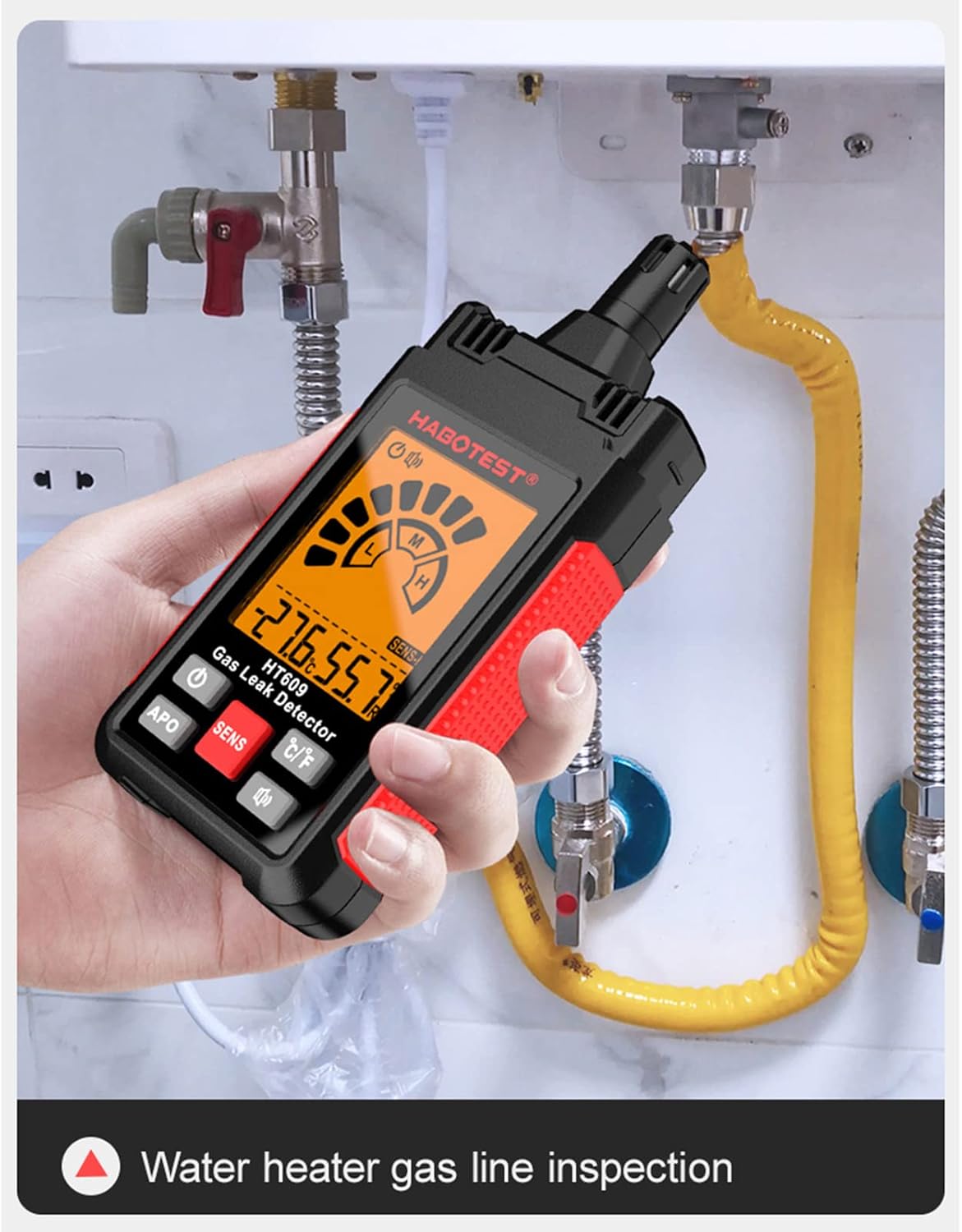
Figure 4: HT609 used for inspecting a water heater gas line.

Figure 5: HT609 performing a natural gas/gas line inspection.
7. Maintenance
7.1 Cleaning
- Wipe the device with a soft, dry cloth. Do not use abrasive cleaners or solvents.
- Keep the sensor area clean and free from dust or debris to ensure accurate readings.
7.2 Battery Replacement
Replace the batteries when the low battery indicator appears on the LCD display. Refer to Section 5.1 for battery installation instructions.
7.3 Storage
When not in use for extended periods, store the device in a cool, dry place, away from direct sunlight and extreme temperatures. Remove batteries if storing for more than a month to prevent leakage.
- Storage Conditions: -10°C ~ 60°C (14°F ~ 140°F) / 20% ~ 80%RH
8. Troubleshooting
| Problem | Possible Cause | Solution |
|---|---|---|
| Device does not turn on. | Batteries are dead or incorrectly installed. | Replace batteries or check polarity. |
| Inaccurate readings or no detection. | Sensor is dirty or blocked; Device not warmed up; Incorrect sensitivity setting. | Clean sensor area; Allow full warm-up; Adjust sensitivity. |
| Constant alarm in clean air. | Device not warmed up in fresh air; Sensor contamination. | Power off, move to fresh air, and restart; Clean sensor. |
| Auto power off too soon. | No operation or detection signal for 10 minutes. | This is a normal power-saving feature. Restart the device if needed. |
9. Specifications

Figure 6: Dimensions of the HT609 Gas Leak Detector.
| Parameter | Value |
|---|---|
| Display | LCD |
| Shell Material | ABS |
| Sensor | Gas-sensitive semiconductor |
| Response Range | 50PPM ~ 1000PPM (Methane) |
| Sensitivity | > 50PPM (Methane) |
| Test Gases (Partial List) | Acetone, Acetylene, Ammonia, Benzene, Butane, Ethanol, Oxirane, Gasoline, Hexane, Hydrogen, Methane, Naphtha, Natural Gas, Paint Thinners, Propane, Solvents, etc. |
| Warm-up Time | Approx. 30 seconds |
| Response Time | ≤500PPM: Approx. 5sec; >500PPM: Approx. 2sec |
| Alarm Mode | Buzzer and indicator light (backlight color change) |
| Sensitivity Selection | High / Mid / Low |
| Ambient Temperature Range | -20.0°C ~ 60.0°C (-4.0°F ~ 140.0°F) |
| Ambient Temperature Precision | 0.0°C ~ 45.0°C (32°F ~ 113°F): ±1.0°C / 2.0°F; Other: ±1.5°C / 3.0°F |
| Ambient Temperature Resolution | 0.1 / 1 |
| Ambient Humidity Range | 0.0% ~ 99.9%RH |
| Ambient Humidity Precision | 20% ~ 80%: ±5.0RH; Other: ±6.0RH |
| Temperature Units | °C / °F |
| Operating Conditions | 0 ~ 50°C / 20 ~ 80%RH |
| Storage Conditions | -10 ~ 60°C / 20 ~ 80%RH |
| Batteries | 3 x 1.5V AAA Alkaline battery (not included) |
| Item Size | 14.2 x 5.8 x 2.6 cm / 5.59 x 2.28 x 1.02 in |
| Net Weight | 115g / 4.06oz |
| Packing Size | 18.5 x 9 x 5.5 cm / 7.28 x 3.54 x 2.17 in |
| Packing Weight | 193g / 6.81oz |
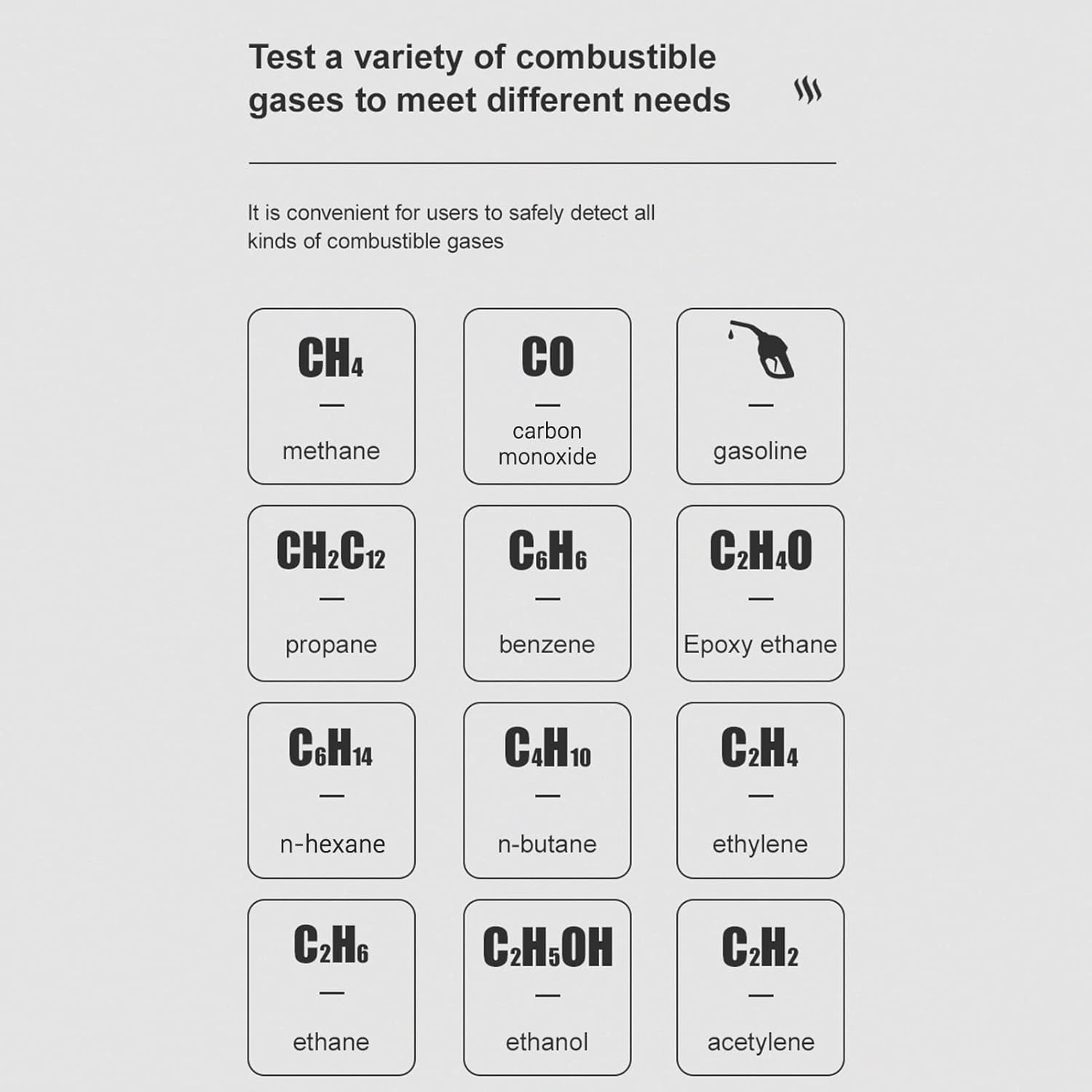
Figure 7: Examples of combustible gases detectable by the HT609.

Figure 8: Illustration of the rapid induction semiconductor sensor technology.
10. Warranty and Support
Specific warranty information for the Irfora HT609 Gas Leak Detector is not provided within this manual. Please refer to the product packaging, purchase receipt, or the retailer's website for details regarding warranty coverage and terms.
For technical support, troubleshooting assistance beyond what is covered in this manual, or inquiries about replacement parts, please contact the seller or manufacturer directly through the contact information provided at the point of purchase or on their official website.
Related documentsHT609


Ask a question about this manual
Ask about setup, troubleshooting, compatibility, parts, safety, or missing instructions. Manuals+ will review the question and use this page’s manual context to help answer it.