
SUNPOW WG2101
SUNPOW 100W Plastic Welder Kit User Manual
Model: WG2101 | Brand: SUNPOW
1. Introduction
This manual provides essential information for the safe and effective operation of your SUNPOW 100W Plastic Welder Kit. Please read all instructions carefully before use to ensure proper function and to prevent injury or damage.

Figure 1.1: The SUNPOW 100W Plastic Welder Kit, including the welding gun, various staples, pliers, and a utility knife.
2. Safety Information
Your safety is paramount. Adhere to the following safety guidelines:
- Wear Personal Protective Equipment (PPE): Always wear safety goggles and heat-resistant gloves to protect against sparks, hot plastic, and hot staples.
- Ventilation: Use the welder in a well-ventilated area to avoid inhaling fumes from melting plastic.
- Avoid Contact with Hot Parts: The welding tip and staples become extremely hot during operation. Do not touch them with bare hands. Allow the tool to cool completely before handling or storing.
- Overheating Protection: The device is equipped with internal overheating protection. If overheating occurs, the tool will automatically pause operation. Allow it to cool down before resuming use.
- Power Cord Safety: Do not pull the power cord to disconnect the tool. Keep the cord away from heat, oil, and sharp edges.
- Storage: Store the tool in a dry, clean place, out of reach of children and animals.

Figure 2.1: The plastic welder features an automatic overheating protection system for user safety.
3. What's Included
Your SUNPOW Plastic Welder Kit includes the following components:
- 1 x Plastic Welding Machine (100W)
- 1 x Plier
- 1 x Iron Smoothing Tip / Utility Knife
- 100 x 0.8mm Wave Staples
- 100 x 0.8mm Flat Staples
- 100 x 0.8mm V Staples (Inside Corner Staples)
- 100 x 0.6mm M Staples (Outside Corner Staples)

Figure 3.1: Different types of staples are provided for various repair needs, including flat, wave, V-shaped (inside corner), and M-shaped (outside corner) staples.
4. Specifications
| Feature | Specification |
|---|---|
| Product Name | Plastic Welding Gun |
| Model | WG2101 |
| Input Voltage | 110-120V / 220-240V, 50/60Hz |
| Output Power | 100W |
| Input Current | 80mA |
| Product Size | 9.45" x 7.48" x 2.36" (24 x 19 x 6 cm) |
| Product Weight | 2.84 pounds (1.29 kg) |
| Material | ABS + TPR + Brass |
| Color | Orange |
5. Setup
- Unpack Components: Carefully remove all items from the packaging and verify that all components listed in Section 3 are present and undamaged.
- Prepare Work Area: Ensure your workspace is clean, dry, and well-ventilated. Remove any flammable materials from the vicinity.
- Select Staple: Choose the appropriate staple type (Wave, Flat, V, or M) based on the type and location of the plastic fracture.
- Insert Staple: Insert the chosen staple into the brass holders at the tip of the welding gun. Ensure it is seated firmly.
- Connect Power: Plug the plastic welder into a suitable power outlet (110-120V or 220-240V, 50/60Hz).
6. Operating Instructions
Follow these steps for effective plastic welding:
- Install Welding Nails: As described in the setup, insert the selected staple into the welding gun's brass holders.
- Heat and Weld: Press the power button. The staple will heat rapidly (within 1-2 seconds). Gently press the hot staple into the plastic fracture until it melts into the material, creating a strong bond.
- Allow to Cool: Release the power button and allow the staple to cool and solidify within the plastic. This typically takes a few seconds. Do not remove the tool until the staple has cooled completely to ensure a secure weld.
- Trim Excess: Once the staple is cool and the plastic has solidified around it, use the provided pliers or utility knife to trim off any protruding ends of the staple. Smooth the surface if necessary using the iron smoothing tip.

Figure 6.1: The four-step process for plastic repair: installing the staple, welding into the plastic, trimming excess material, and completing the repair.

Figure 6.2: The welding gun heats staples quickly, allowing for efficient and effective plastic repair.
7. Applications
The SUNPOW Plastic Welder Kit is versatile and can be used for repairing a wide range of plastic items, including but not limited to:
- Car Bumpers and Dashboards
- Motorcycle Parts
- Kayaks and Canoes
- Plastic Toys
- Plastic Furniture
- Plastic Containers
- Plastic Appliances

Figure 7.1: The plastic welder is suitable for a wide range of repair tasks on various plastic items.
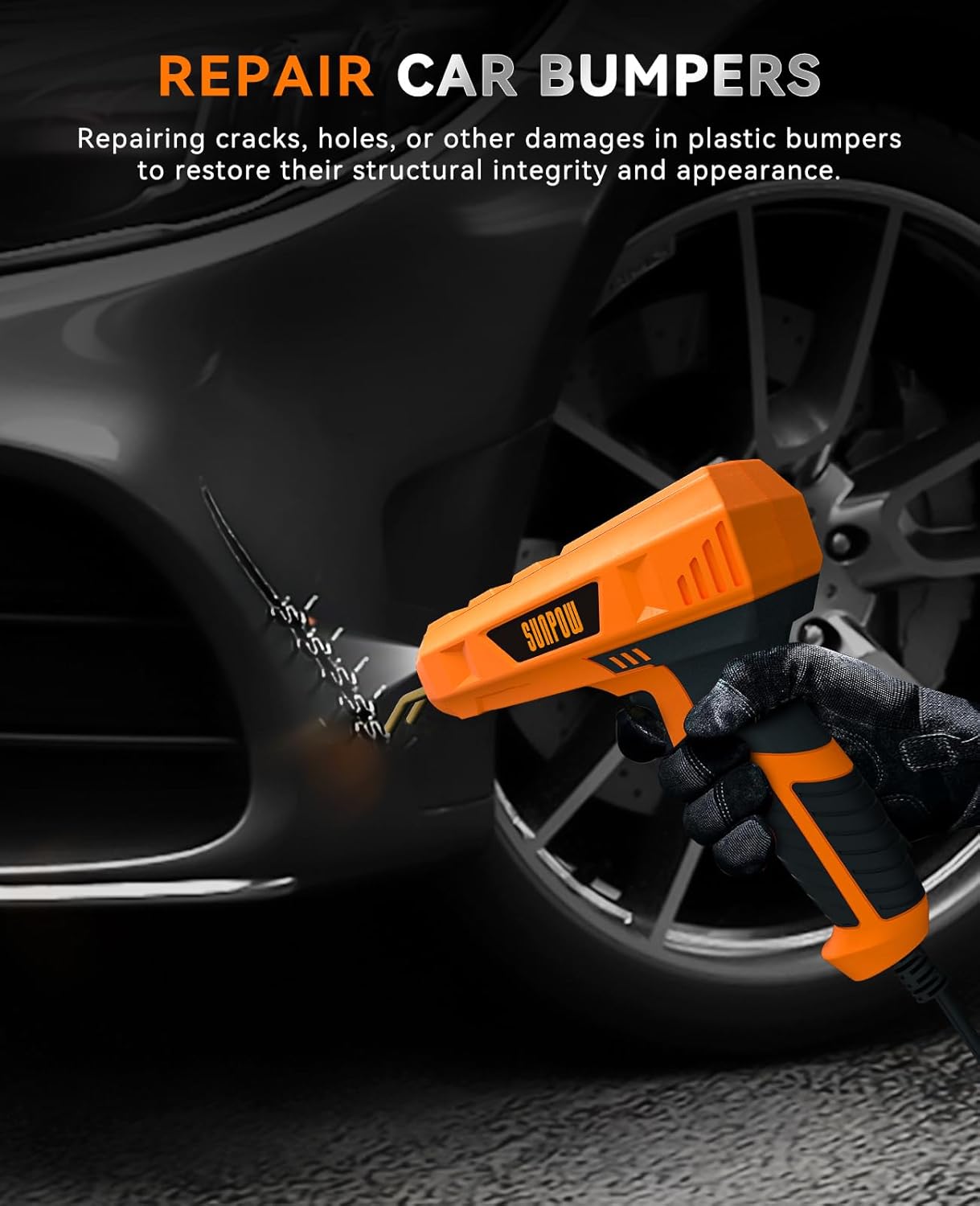
Figure 7.2: Example of using the plastic welder to repair a car bumper, restoring its structural integrity.
8. Maintenance
- Cleaning: After each use, ensure the tool is unplugged and completely cooled. Gently wipe the tip and body with a clean, dry cloth to remove any plastic residue.
- Storage: Store the plastic welder and its accessories in their original packaging or a suitable protective case in a dry, dust-free environment.
- Inspection: Periodically inspect the power cord for any signs of damage. Check the welding tip and staple holders for wear or deformation. Replace damaged parts if necessary.
9. Troubleshooting
- Tool Not Heating: Ensure the power cord is securely plugged into a working outlet. Check for any tripped circuit breakers.
- Staples Not Melting Properly: Verify that the staple is correctly inserted into the brass holders. Ensure the tool has reached its operating temperature. Apply gentle, consistent pressure.
- Weak Weld: Ensure the plastic surfaces are clean and free of contaminants. Use the appropriate staple type for the fracture. Allow sufficient cooling time before trimming.
- Overheating: If the tool stops due to overheating, unplug it and allow it to cool down in a well-ventilated area before resuming use.
10. Warranty and Support
For warranty information, technical support, or replacement parts, please contact SUNPOW customer service through the retailer where the product was purchased. Keep your purchase receipt as proof of purchase.
Ask a question about this manual
Ask about setup, troubleshooting, compatibility, parts, safety, or missing instructions. Manuals+ will review the question and use this page’s manual context to help answer it.