
SHARPAL 129N
SHARPAL 129N Multipurpose Garden Tool Blade Sharpener Instruction Manual
Model: 129N | Brand: SHARPAL
1. Introduction
The SHARPAL 129N Multipurpose Garden Tool Blade Sharpener is an advanced edition tool designed to restore and hone a wide variety of blades. It features a durable tungsten carbide blade for quick sharpening and repair, and a pure ceramic blade for fine honing and burr removal. Its portable design with a pen clip and lanyard hole makes it convenient for various applications, from gardening to kitchen use.
2. Product Features
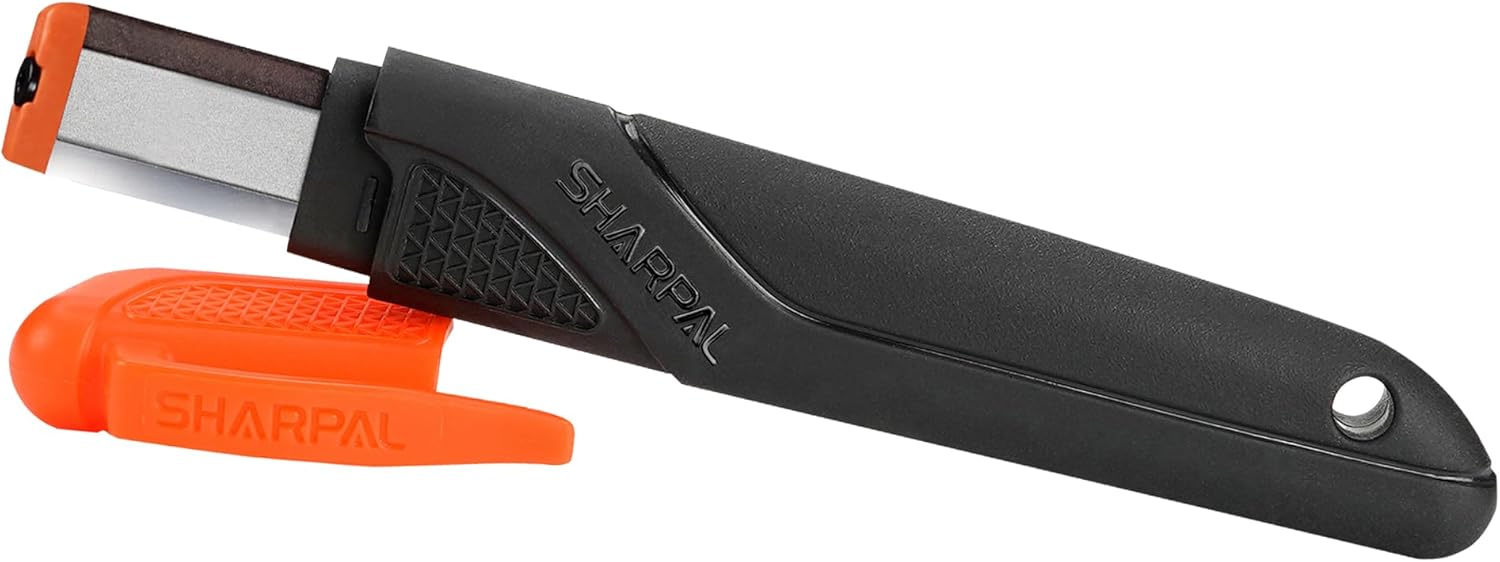
Figure 1: SHARPAL 129N Multipurpose Sharpener with protective cap removed, showing the sharpening elements.

Figure 2: Detailed view of the sharpener's two main components: the durable tungsten carbide blade for sharpening and the pure ceramic blade for fine honing.
- Durable Tungsten Carbide Blade: Ideal for quickly sharpening or repairing damaged blades, commonly used for garden tools. Ensure to use the corner of the tool against the cutting edge, not the flat surface.
- Pure Ceramic Blade: Designed for fine honing tasks, removing residual burrs, and suitable for delicate blades like kitchen knives.
- Patented Versatile Design: Capable of restoring and honing various tools including pruners, knives, lawn mower blades, garden shears, axes, and other garden tool edges.
- Portable Design with Pen Clip: The cap features a pen clip for secure storage in a pocket. The ergonomic handle includes a lanyard hole for easy carrying.
3. Operating Instructions
The SHARPAL 129N features a two-stage sharpening process: coarse sharpening with the tungsten carbide blade and fine honing with the ceramic blade.
3.1. Sharpening Pruners and Shears
For pruners and shears, use the tungsten carbide corner of the sharpener. Align the sharpener with the blade's angle and draw it across the cutting edge several times. For best results, follow up with the ceramic blade for a finer edge.

Figure 3: Sharpening garden shears. The sharpener is drawn across the blade at the correct angle.

Figure 4: Sharpening pruners. The compact design allows for precise sharpening of curved blades.
3.2. Sharpening Knives and Axes
For kitchen knives, utility knives, axes, and machetes, use the tungsten carbide blade for initial sharpening, drawing the sharpener along the blade from heel to tip. Then, use the ceramic blade for fine honing to remove any burrs and achieve a polished edge. Always maintain a consistent angle.

Figure 5: Sharpening a kitchen knife. The sharpener effectively creates a new edge.

Figure 6: Sharpening a lawn mower blade. The sharpener's design allows for effective sharpening of larger, more robust blades.
Figure 7: Sharpening a machete. The sharpener's robust construction is suitable for heavy-duty tools.
Figure 8: Sharpening an axe. The sharpener can be used on various blade types and sizes.
3.3. Sharpening Serrated Knives and Scissors
For serrated knives, carefully align the tungsten carbide corner with each serration and draw it through. For scissors, use the tungsten carbide blade on the cutting edge, drawing it from the pivot to the tip. Only sharpen the side with the bevel. Do not sharpen the flat side.
4. Maintenance
- After each use, wipe the sharpener clean with a damp cloth to remove any metal shavings or debris.
- Store the sharpener with its protective cap securely in place to prevent damage to the blades and ensure safety.
- The tungsten carbide and ceramic blades are designed for long-lasting performance. Replace the sharpener if the sharpening elements show significant wear or damage.
5. Troubleshooting
| Problem | Possible Cause | Solution |
|---|---|---|
| Blade not sharp after sharpening. | 1. Incorrect sharpening angle. 2. Not enough passes. 3. Blade is too dull or damaged. | 1. Ensure the sharpener is held at the correct angle for the blade type. 2. Make more passes (5-10 passes per side). 3. For very dull blades, start with the tungsten carbide and then finish with ceramic. |
| Blade feels rough or has burrs. | Skipped the honing stage or insufficient honing. | Use the ceramic blade for fine honing after using the tungsten carbide blade. Make sure to apply light pressure. |
| Sharpener not cutting. | 1. Tungsten carbide blade is worn. 2. Using the flat side instead of the corner. | 1. Replace the sharpener if heavily worn. 2. Always use the corner of the tungsten carbide blade for sharpening. |
6. Specifications
- Model: 129N
- Material: Ceramic, Tungsten Carbide
- Color: Black, Orange
- Product Dimensions: 5"L x 1"W x 0.5"H
- Item Weight: 1.14 ounces (32.2 Grams)
- Grit Type: Coarse (Tungsten Carbide), Fine (Ceramic)
- UPC: 814744020961
- Manufacturer: Sharpal Inc.
7. Warranty & Support
SHARPAL offers a 3-year commitment to quality and provides support for sharpening solutions. For any inquiries or support, please visit the official SHARPAL website or contact their customer service. SHARPAL is headquartered in California, USA, with branches in Germany and Australia.
For more information, visit the SHARPAL Store on Amazon.
Related documents129N


Ask a question about this manual
Ask about setup, troubleshooting, compatibility, parts, safety, or missing instructions. Manuals+ will review the question and use this page’s manual context to help answer it.