
1. Introduction
This manual provides essential information for the proper installation, operation, and maintenance of your Denso Oxygen Sensor, Model 234-8049. The oxygen sensor is a critical component in your vehicle's engine management system, responsible for monitoring the oxygen content in the exhaust gases. This data is used by the engine control unit (ECU) to optimize the air-fuel mixture, ensuring efficient combustion, reduced emissions, and optimal engine performance. This sensor is designed for specific automotive and motorcycle applications.
2. Product Overview
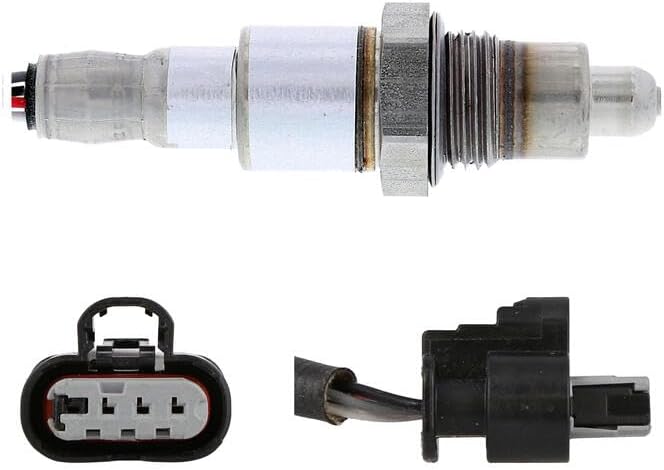
Figure 1: Denso Oxygen Sensor Model 234-8049. This image displays the complete oxygen sensor unit, featuring its threaded body for secure mounting into the exhaust system and the integrated electrical connector for signal transmission to the vehicle's engine control unit.
The Denso Oxygen Sensor Model 234-8049 is a precision-engineered component designed to meet or exceed original equipment specifications. It features a flange mount type for secure installation and provides an electrical signal output to the vehicle's computer.
3. Setup and Installation
Proper installation is crucial for the correct function and longevity of the oxygen sensor. It is highly recommended that installation be performed by a qualified technician. Always refer to your vehicle's specific service manual for detailed instructions and safety precautions.
3.1. Safety Precautions
- Ensure the vehicle's engine is cool before beginning work to prevent burns.
- Disconnect the vehicle's battery to prevent electrical shorts.
- Wear appropriate personal protective equipment, including gloves and eye protection.
- Use proper lifting equipment if the vehicle needs to be raised.
3.2. Installation Steps (General)
- Locate the Sensor: Identify the faulty oxygen sensor on your vehicle. Oxygen sensors are typically located in the exhaust manifold or exhaust pipe.
- Disconnect Electrical Connector: Carefully disconnect the electrical connector from the old sensor. Avoid pulling on the wires.
- Remove Old Sensor: Use a specialized oxygen sensor socket or an open-end wrench to loosen and remove the old sensor. It may be tight due to heat and corrosion.
- Prepare New Sensor: Apply a small amount of anti-seize compound to the threads of the new Denso oxygen sensor. Ensure the compound does not get on the sensor tip.
- Install New Sensor: Thread the new sensor into the exhaust bung by hand to prevent cross-threading. Tighten it to the manufacturer's specified torque using the appropriate tool. This sensor uses a flange mount type.
- Connect Electrical Connector: Reconnect the electrical connector securely until it clicks into place.
- Reconnect Battery: Reconnect the vehicle's battery.
- Clear Codes: If a "Check Engine" light was on, use an OBD-II scanner to clear any diagnostic trouble codes (DTCs).
- Test Drive: Perform a short test drive to ensure proper operation and that no warning lights reappear.
4. Operating Principles
Once installed, the Denso Oxygen Sensor operates continuously as part of your vehicle's emission control system. It measures the amount of unburned oxygen in the exhaust gas and generates a voltage signal proportional to this oxygen content. This electrical signal is sent to the engine's ECU. The ECU then uses this feedback to adjust the fuel injection timing and duration, maintaining the ideal air-fuel ratio (stoichiometric ratio) for efficient combustion and catalytic converter operation. There is no direct user interaction required for the operation of the oxygen sensor after proper installation.
5. Maintenance
Denso Oxygen Sensors are designed to be maintenance-free components. They do not require regular cleaning or adjustment. However, their performance can degrade over time due to exposure to extreme temperatures, exhaust contaminants, and normal wear.
5.1. Recommended Practices
- Periodic Inspection: During routine vehicle maintenance, a technician may visually inspect the sensor and its wiring for any signs of damage or corrosion.
- Diagnostic Monitoring: The vehicle's onboard diagnostic (OBD-II) system continuously monitors the oxygen sensor's performance. If a fault is detected, the "Check Engine" light will illuminate.
- Replacement: Replace the oxygen sensor if diagnostic tests indicate a malfunction or if it has reached the end of its service life, as recommended by your vehicle manufacturer or when performance issues arise.
6. Troubleshooting
A malfunctioning oxygen sensor can lead to various engine performance issues. If you suspect a problem with your oxygen sensor, consider the following:
6.1. Common Symptoms of a Faulty Oxygen Sensor
- Illuminated "Check Engine" Light: This is the most common indicator. An OBD-II scanner can retrieve specific diagnostic trouble codes (DTCs) related to the oxygen sensor.
- Reduced Fuel Economy: An inaccurate sensor signal can cause the engine to run too rich or too lean, leading to decreased fuel efficiency.
- Increased Emissions: The vehicle may fail emissions tests due to improper air-fuel mixture control.
- Rough Idling or Stalling: In some cases, a faulty sensor can affect engine stability.
- Engine Hesitation or Misfires: Incorrect fuel delivery can lead to poor engine response.
6.2. Diagnostic Steps
- Retrieve DTCs: Use an OBD-II scanner to read any stored trouble codes. Common codes for oxygen sensors include P0130-P0167.
- Professional Diagnosis: Due to the complexity of engine management systems, it is strongly recommended to have a qualified automotive technician diagnose and repair oxygen sensor-related issues. They have the specialized tools and knowledge to accurately test sensor function and identify underlying causes.
7. Specifications
| Feature | Detail |
|---|---|
| Brand | Denso |
| Model Number | 234-8049 |
| Item Weight | 2 Pounds (approx. 0.91 kg) |
| Mounting Type | Flange Mount |
| Output Type | Electrical Signal |
| Specific Uses For Product | Automotive, Motorcycle |
| UPC | 042511123830 |
| Manufacturer | DENSO Auto Parts |
8. Warranty and Support
For detailed information regarding the warranty coverage for your Denso Oxygen Sensor Model 234-8049, please refer to the official Denso website or contact Denso customer support directly. Warranty terms and conditions may vary. For technical assistance, troubleshooting beyond the scope of this manual, or to locate authorized service centers, please visit the manufacturer's official support channels.
Manufacturer Website: www.denso.com


