1. Introduction
Thank you for choosing the VEVOR 50A MPPT Solar Charge Controller. This device is designed to efficiently manage power flow from your solar panels to your battery bank, ensuring optimal charging and extending battery life. Featuring advanced Maximum Power Point Tracking (MPPT) technology, it offers superior charging efficiency compared to traditional PWM controllers. This controller automatically detects 12V or 24V DC input systems and includes a built-in Bluetooth module for convenient remote monitoring and control via a mobile application. Please read this manual thoroughly before installation and operation to ensure safe and correct usage.
2. Safety Instructions
Observe the following safety precautions during installation and operation:
- Ensure all wiring is correctly polarized. Incorrect polarity can damage the controller and connected devices.
- Always connect the battery to the controller first, then the solar panel, and finally the load. Disconnect in the reverse order.
- Install the controller in a well-ventilated area, away from flammable materials and direct sunlight.
- Use appropriate circuit breakers or fuses for all connections to prevent overcurrent damage.
- Do not attempt to disassemble or repair the controller. Contact qualified personnel for service.
- Wear eye protection when working with batteries. Batteries can produce explosive gases.
- Ensure all connections are tight to prevent loose contacts and overheating.
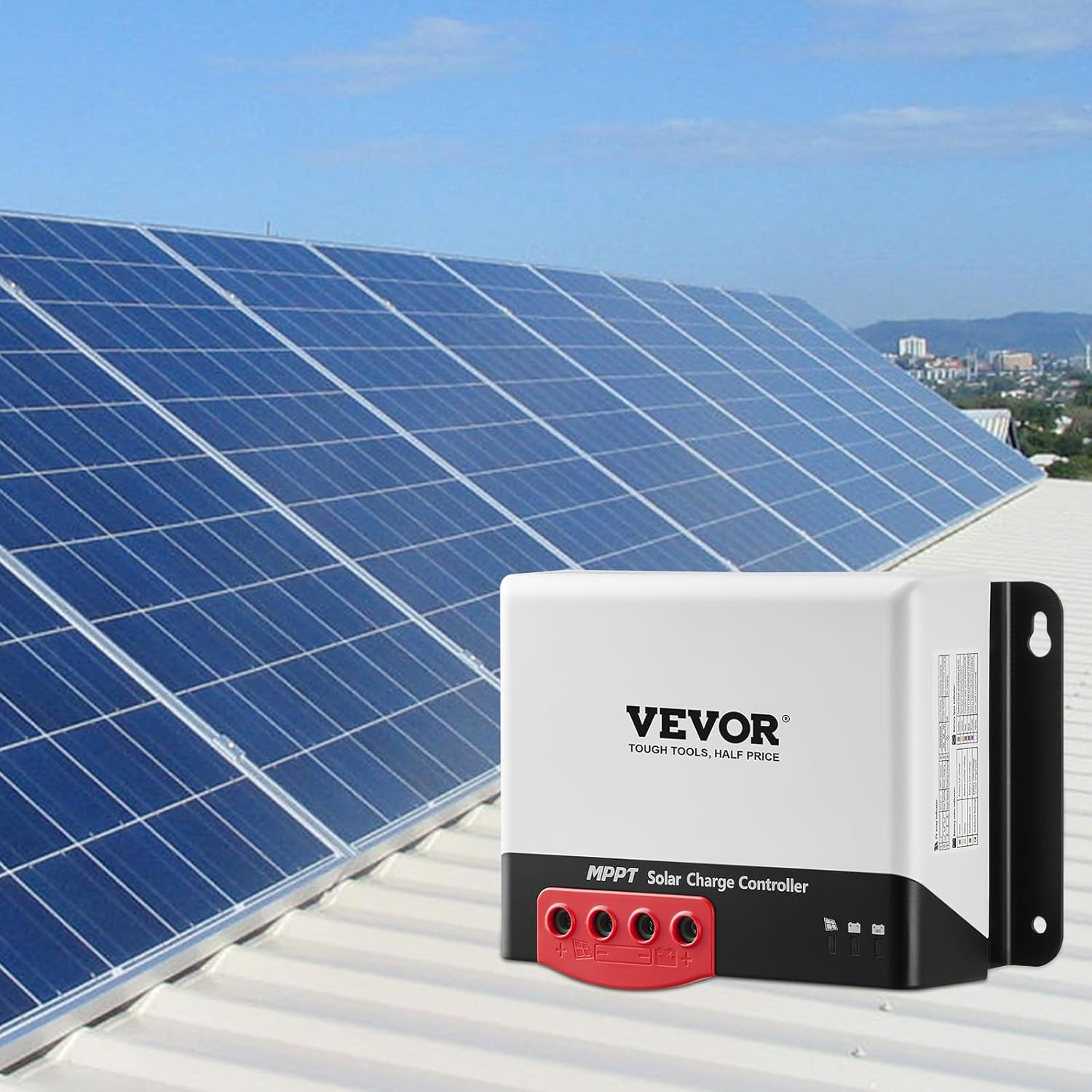
Figure 2.1: The controller features comprehensive electronic protection, including battery reverse protection, PV reverse protection, PV short-circuit protection, overcurrent charging protection, and TVS lightning protection, ensuring safe operation.
3. Product Overview
The VEVOR 50A MPPT Solar Charge Controller is a compact and robust unit designed for efficient solar power management. It features clearly labeled terminals for solar panel input, battery connection, and DC load output. The integrated Bluetooth module allows for wireless monitoring and parameter adjustment.
3.1. Components
- Solar Panel Input Terminals (PV+)
- Battery Connection Terminals (BAT+)
- DC Load Output Terminals (LOAD+)
- LED Indicators for System Status
- External Temperature Sensor Port
- Built-in Bluetooth Module

Figure 3.1: The VEVOR 50A MPPT Solar Charge Controller, showcasing its compact design and the Bluetooth connectivity feature with a smartphone.

Figure 3.2: A detailed view of the controller's top surface, showing the input/output terminals and mounting brackets.
4. Setup
4.1. Mounting the Controller
Mount the controller vertically on a flat, non-flammable surface. Ensure adequate airflow around the unit for heat dissipation. Use the provided mounting template or measure the mounting holes for secure installation. Avoid mounting in direct sunlight or areas with high humidity.
4.2. Wiring Connections
Follow the wiring order precisely to prevent damage. Use appropriate wire gauges for your system's current and distance.
- Connect the Battery: Connect the battery to the controller's battery terminals (BAT+ and BAT-). Ensure correct polarity. The controller will automatically detect the system voltage (12V or 24V).
- Connect the Solar Panel: Connect the solar panel to the controller's solar input terminals (PV+ and PV-). Ensure correct polarity.
- Connect the DC Load (Optional): If using a DC load directly from the controller, connect it to the load terminals (LOAD+ and LOAD-).
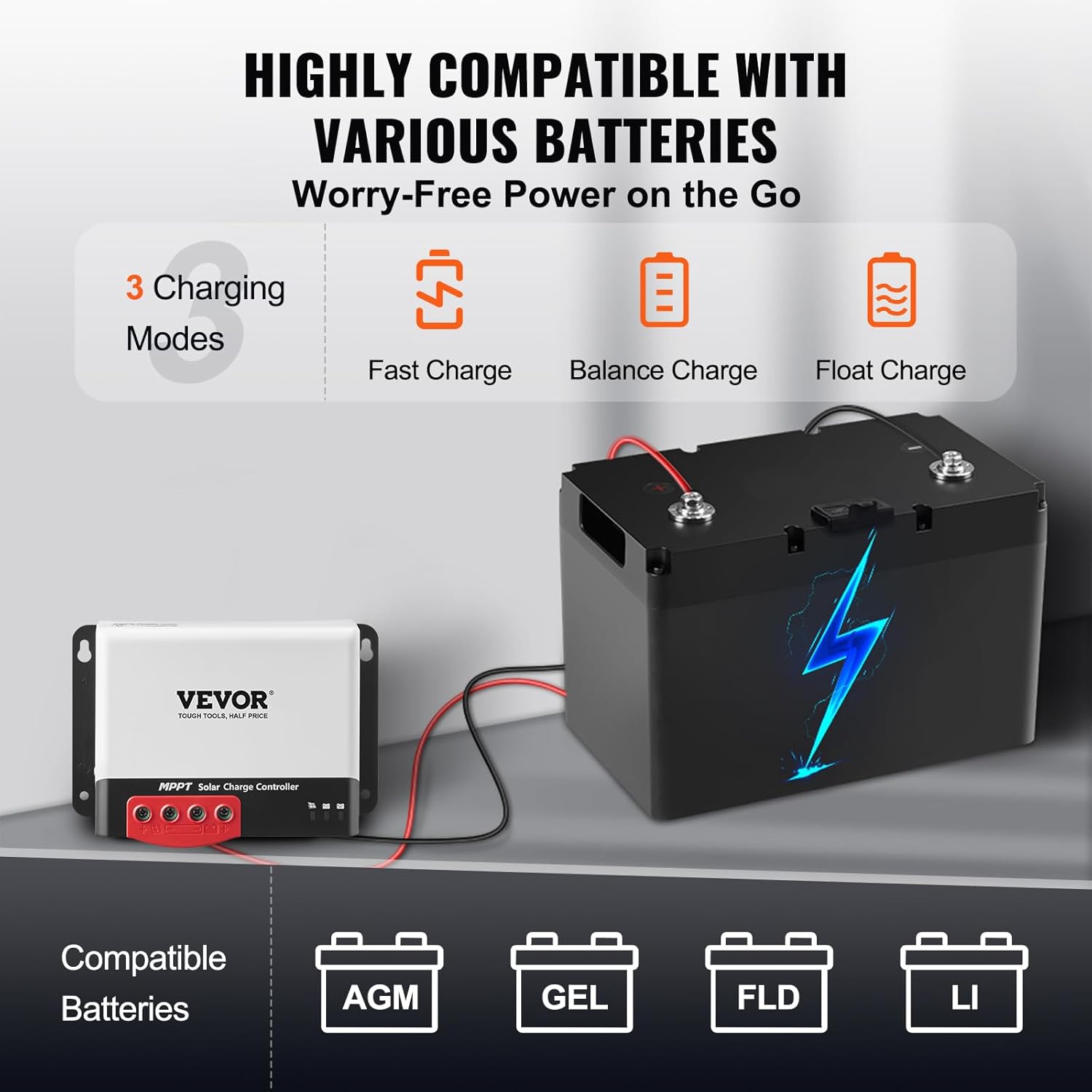
Figure 4.1: Wiring diagram illustrating the connection of solar panels and battery to the VEVOR MPPT solar charge controller.
4.3. Bluetooth App Installation
The controller features a built-in Bluetooth module for remote monitoring and control. To use this feature:
- Scan the QR code provided in the physical manual or search for the 'SRNE' app on your mobile device's app store (Google Play Store or Apple App Store). Note: The VEVOR app on some app stores may be for shopping, not controller management.
- Install the application on your smartphone or tablet.
- Enable Bluetooth on your device and open the SRNE app.
- The app should automatically detect the controller. Follow the on-screen prompts to connect.

Figure 4.2: The mobile application interface for monitoring and controlling the solar charge controller via Bluetooth.
5. Operating Instructions
5.1. Initial Power-Up
After connecting the battery and solar panel, the controller will power on automatically. The LED indicators will show the current status of the system. Refer to the LED indicator guide in the full manual for specific meanings.
5.2. Monitoring via Bluetooth App
The Bluetooth app provides real-time data and allows for parameter adjustments:
- Real-time Data: View current voltage, current, power for solar input, battery, and load.
- Historical Data: Access daily, monthly, and total energy generation and consumption records.
- Parameter Settings: Adjust battery type (AGM, Gel, Flooded, Lithium), charging voltage limits, and load control modes.
5.3. Charging Modes
The controller supports three main charging modes to optimize battery health:
- Fast Charge: Bulk charging phase where the controller delivers maximum current to rapidly charge the battery.
- Balance Charge: An equalization charge for certain battery types (e.g., Flooded) to ensure all cells are equally charged. This mode is typically not used for sealed or lithium batteries.
- Float Charge: Once the battery is fully charged, the controller reduces the voltage to a lower level to maintain the battery at full capacity without overcharging.

Figure 5.1: The controller supports various battery types and offers optimized charging through Fast, Balance, and Float modes.
6. Maintenance
Regular maintenance ensures optimal performance and longevity of your solar charge controller:
- Check Connections: Periodically inspect all wiring connections for tightness and corrosion. Loose connections can cause overheating and power loss.
- Clean the Controller: Keep the controller clean and free from dust and debris. Use a dry cloth to wipe the exterior. Ensure ventilation openings are not blocked.
- Inspect for Damage: Check for any visible signs of damage to the casing or wiring.
- Environmental Conditions: Ensure the operating environment remains within the specified temperature and humidity ranges.
7. Troubleshooting
If you encounter issues with your VEVOR solar charge controller, refer to the following common problems and solutions:
- Controller Not Powering On:
- Check battery connections and ensure correct polarity.
- Verify battery voltage is above the minimum operating voltage.
- No Charging from Solar Panel:
- Check solar panel connections and polarity.
- Ensure solar panel voltage is within the controller's input range (Max. 100V DC).
- Verify sufficient sunlight.
- Check the Bluetooth app for any error messages or indications that charging has been automatically turned off (e.g., due to overcurrent or overvoltage protection).
- Bluetooth Connection Issues:
- Ensure Bluetooth is enabled on your mobile device.
- Confirm you are using the correct 'SRNE' app.
- Be within the 20m Bluetooth range of the controller.
- Restart the app and/or your mobile device.
- Battery Not Reaching Full Charge:
- Verify the correct battery type is selected in the app settings.
- Check solar panel output and ensure it's sufficient for your battery bank size.
- Inspect for excessive load draw.
For persistent issues, consult the full product manual or contact VEVOR customer support.
8. Specifications
| Feature | Specification |
|---|---|
| Model | MC2450N10-B |
| Charging Current | DC Max. 50A |
| Applicable Battery Voltage | DC 12V/24V (Auto) |
| Solar Panel Open-Circuit Voltage | Max. 100V DC |
| Rated Input Power (12V System) | 660W |
| Rated Input Power (24V System) | 1320W |
| MPPT Control Efficiency | ≥98% |
| Charging Modes | Fast Charge, Balance Charge, Float Charge |
| External Communication | Built-in Bluetooth Module (APP Controlled) |
| External Temperature Sensor | Supported |
| Operating Temperature Range | -20°C to 50°C (-4°F to 122°F) |
| Product Net Weight | 1.33 kg (2.93 lbs) |
| Package Dimensions | 240 x 190 x 130 mm (9.45 x 7.46 x 5.12 inches) |
| Material | Acrylonitrile Butadiene Styrene (ABS), Polycarbonate (PC) |
| UPC | 840349949017 |

Figure 8.1: The controller is designed for stable operation in temperatures ranging from -20°C to 50°C.
9. Warranty and Support
VEVOR products are designed for durability and performance. For warranty information, technical support, or service inquiries, please refer to the contact details provided with your purchase documentation or visit the official VEVOR website. Please have your model number (MC2450N10-B) and purchase date available when contacting support.


