
STRICH OCTPUS
STRICH Polyphonic Octave Guitar Pedal
Model: OCTPUS
1. Introduction
The STRICH Polyphonic Octave Guitar Pedal is a compact and versatile digital effect designed for electric guitarists. It provides pristine polyphonic octave shifting, allowing you to add octave-up or octave-down effects to single notes or complex chords with exceptional clarity. Featuring three distinct modes (TOP, BOTH, BOTTOM) and independent control over dry and octave levels, this pedal offers a broad spectrum of sound possibilities for creative guitar playing. Its true bypass circuitry ensures your original signal integrity is maintained when the effect is disengaged.

Figure 1: Front angled view of the STRICH Polyphonic Octave Guitar Pedal.
2. Package Contents
Upon opening the package, please ensure all items listed below are present:
- STRICH Polyphonic Octave Guitar Pedal (OCTPUS)
- Owner's Manual
Note: A DC 9V adapter with negative inside and positive outside is required for power but is NOT included in the package.

Figure 2: Package contents of the STRICH Octave Pedal.
3. Controls and Features
Familiarize yourself with the various controls and features of your STRICH Polyphonic Octave Guitar Pedal:

Figure 3: Front view of the pedal with controls labeled.
Mode Switch (Toggle Switch)
This three-position toggle switch selects the octave layering mode:
- TOP: Adds higher octave(s) to your signal.
- BOTH: Adds both higher and lower octave(s) to your signal.
- BOTTOM: Adds lower octave(s) to your signal.
OCT 1 Knob
Controls the volume of the first octave voice (e.g., +1 octave in TOP mode, -1 octave in BOTH/BOTTOM modes).
OCT 2 Knob
Controls the volume of the second octave voice (e.g., +2 octave in TOP mode, +1 octave in BOTH mode).
DRY Knob
Adjusts the volume of your original, unprocessed guitar signal. This allows you to blend the octave effect with your clean tone.
Footswitch
Engages or disengages the effect. The LED indicator will illuminate when the effect is active.
Input Jack (1/4" Mono)
Connect your guitar or the output of a preceding pedal here.
Output Jack (1/4" Mono)
Connect this to your amplifier or the input of a subsequent pedal.
DC 9V Power Input
Connect a standard 9V DC power adapter (negative center, positive barrel) here. Operating voltage: 9V DC.

Figure 4: Detailed diagram of pedal connections and controls.
4. Setup
Follow these steps to set up your STRICH Polyphonic Octave Guitar Pedal:
- Power Connection: Connect a standard DC 9V power adapter (not included) to the DC 9V input jack on the pedal. Ensure the adapter has a negative center and positive barrel polarity.
- Input Connection: Connect your electric guitar to the 1/4" mono INPUT jack on the pedal using a standard instrument cable. If using other pedals, connect the output of the preceding pedal to the OCTPUS pedal's INPUT.
- Output Connection: Connect the 1/4" mono OUTPUT jack of the OCTPUS pedal to your amplifier's input or to the input of the next pedal in your signal chain.
- Initial Settings: Before powering on your amplifier, set the DRY, OCT 1, and OCT 2 knobs to their minimum positions (fully counter-clockwise). Set the mode switch to your desired initial mode (e.g., BOTH).
- Power On: Power on your amplifier and then the pedal. The LED indicator will show the pedal's status.
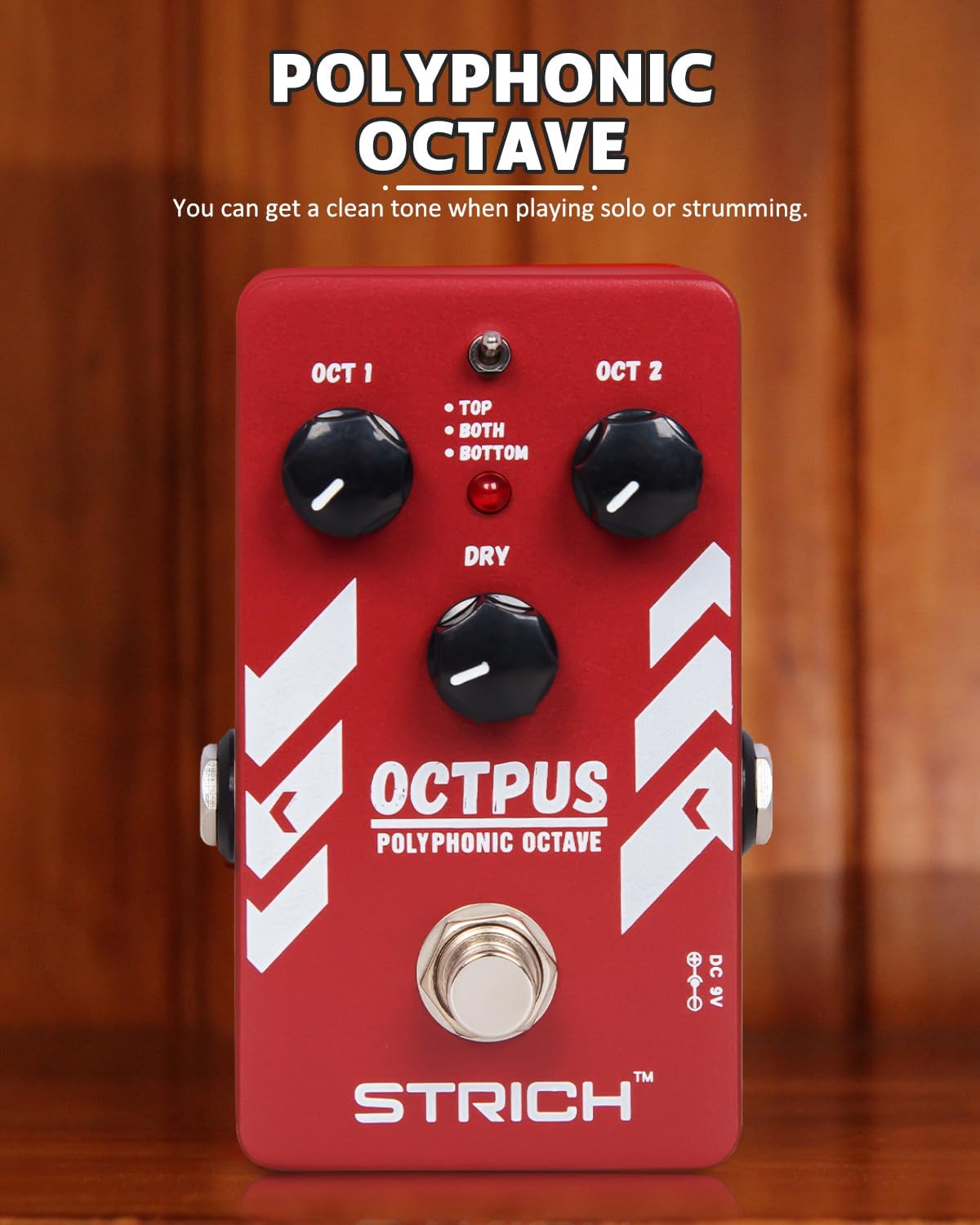
Figure 5: Side view illustrating the input, output, and power connections.
5. Operation
This section details how to operate your STRICH Polyphonic Octave Guitar Pedal to achieve various octave effects.
Engaging/Disengaging the Effect
Press the footswitch to toggle the effect on or off. When the effect is active, the LED indicator will light up. The pedal features true bypass, meaning your original signal passes through unaffected when the pedal is disengaged, preserving your tone.
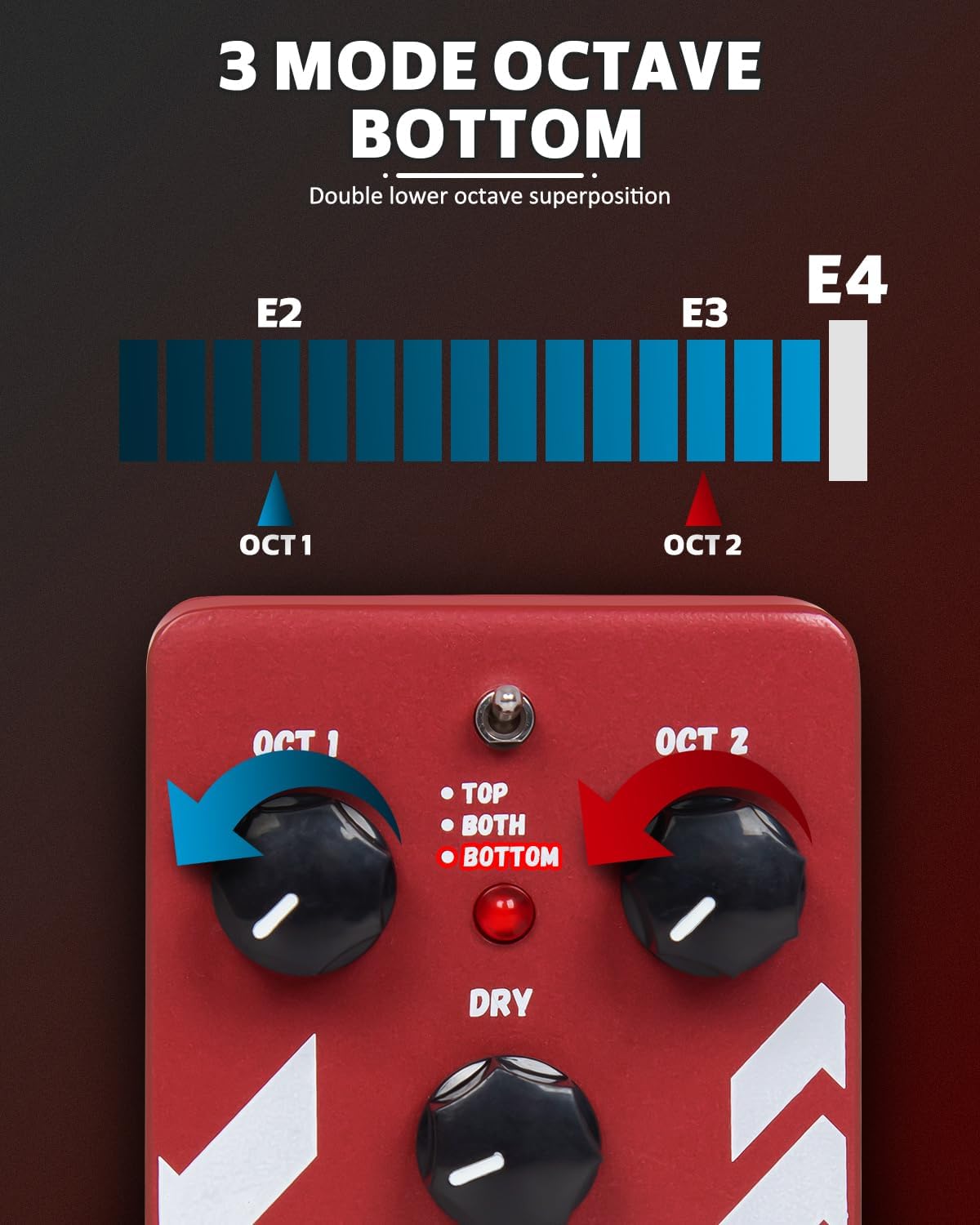
Figure 6: The footswitch and LED indicator for True Bypass operation.
Understanding the Modes
The mode switch allows you to select between three distinct octave configurations:
TOP Mode
In TOP mode, the pedal generates higher octave voices. The OCT 1 knob controls the volume of the +1 octave, and the OCT 2 knob controls the volume of the +2 octave. This mode is ideal for creating shimmering, bell-like tones or simulating a 12-string guitar effect.
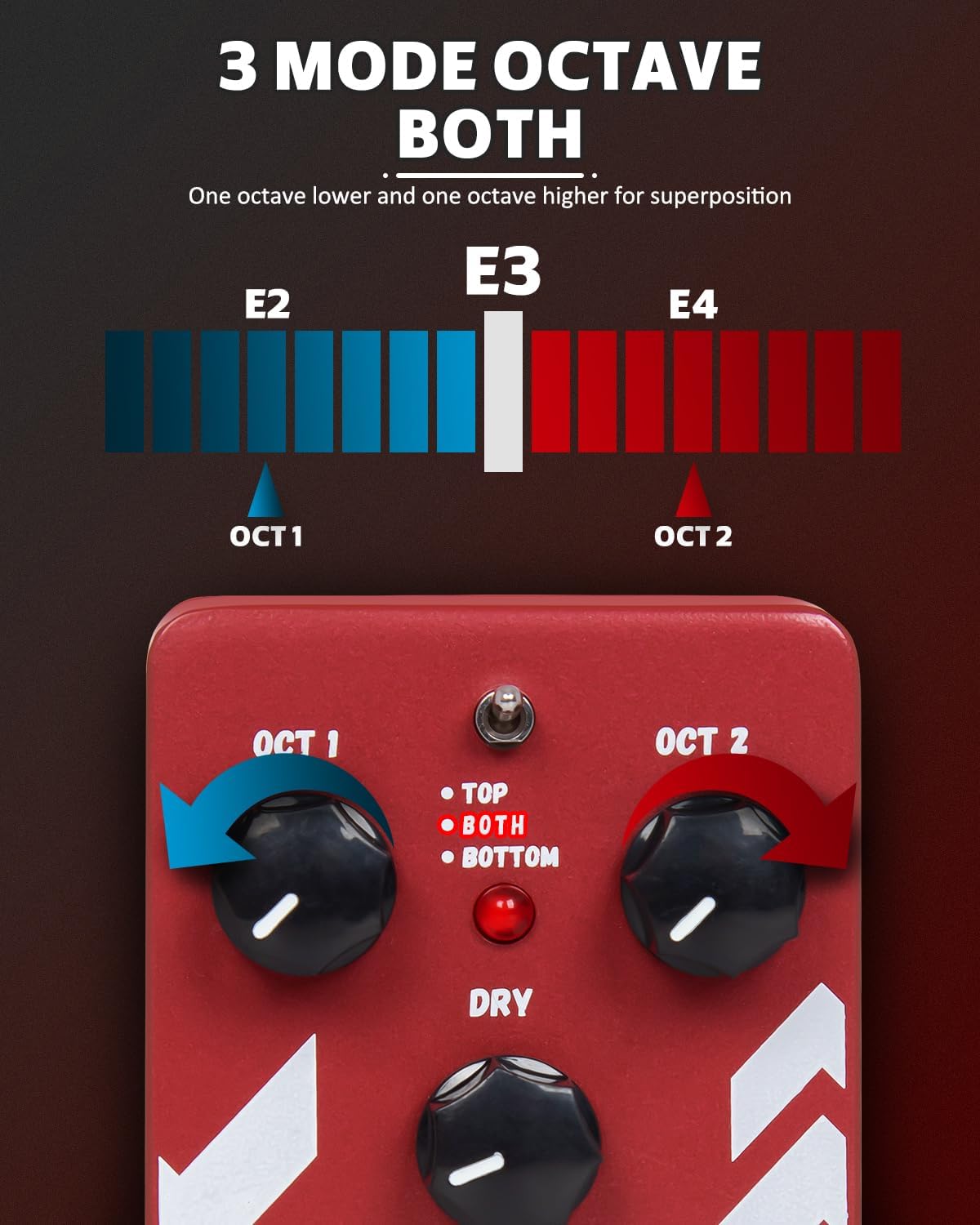
Figure 7: Visual representation of TOP mode operation.
BOTH Mode
BOTH mode combines both higher and lower octave voices. The OCT 1 knob controls the volume of the -1 octave, and the OCT 2 knob controls the volume of the +1 octave. This mode is excellent for thickening your sound, adding depth, or creating synth-like textures.

Figure 8: Visual representation of BOTH mode operation.
BOTTOM Mode
BOTTOM mode focuses on lower octave voices. The OCT 1 knob controls the volume of the -1 octave, and the OCT 2 knob controls the volume of the -2 octave. This mode is perfect for adding bass frequencies, creating heavy riffs, or simulating a bass guitar.
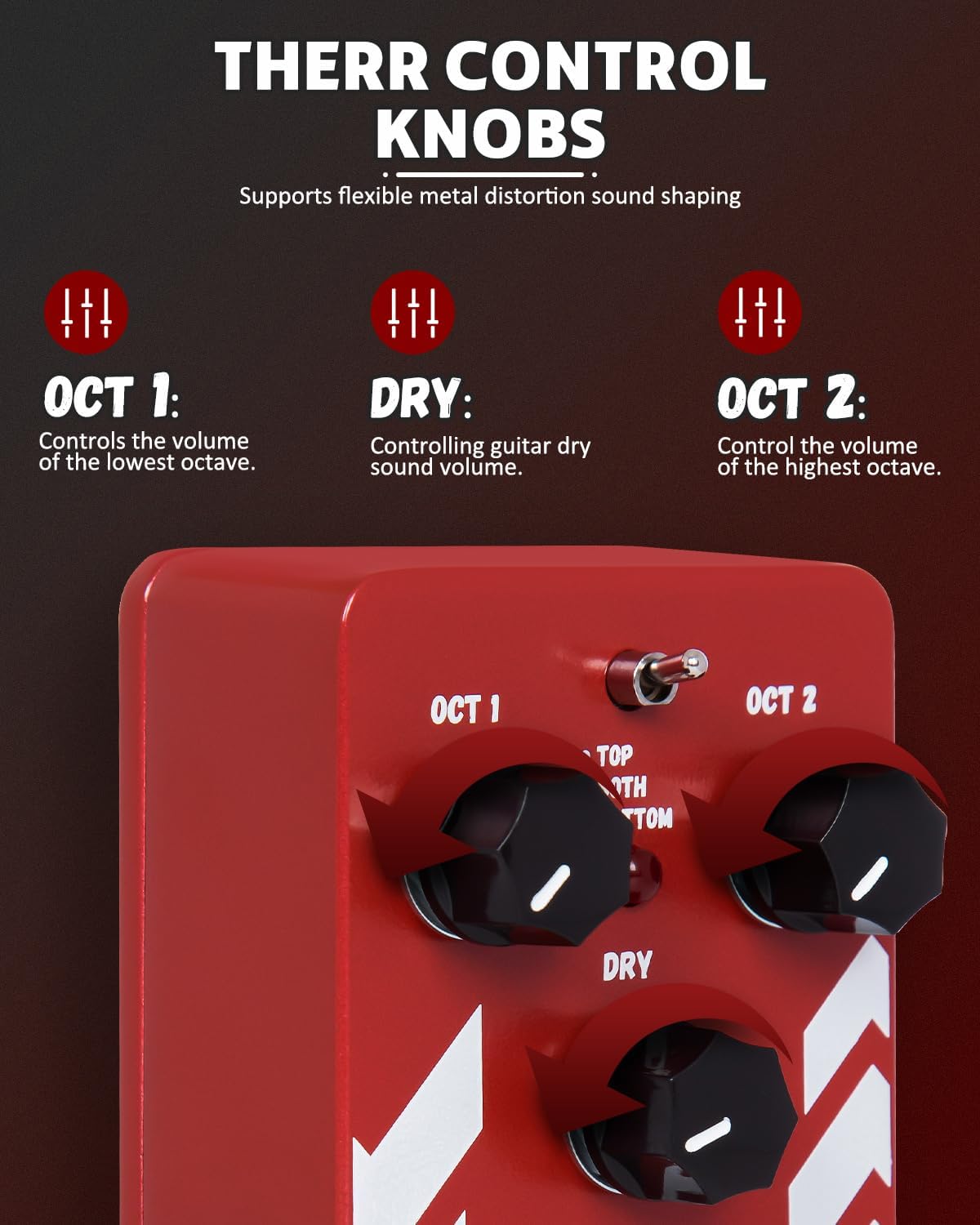
Figure 9: Visual representation of BOTTOM mode operation.
Adjusting Octave and Dry Levels
Experiment with the OCT 1, OCT 2, and DRY knobs to find your desired blend. The DRY knob is crucial for mixing your original signal with the octave effects. For a subtle thickening, keep the DRY level high and add a touch of octave. For a more pronounced octave effect, increase the OCT 1 and/or OCT 2 levels while adjusting the DRY knob to balance the mix.
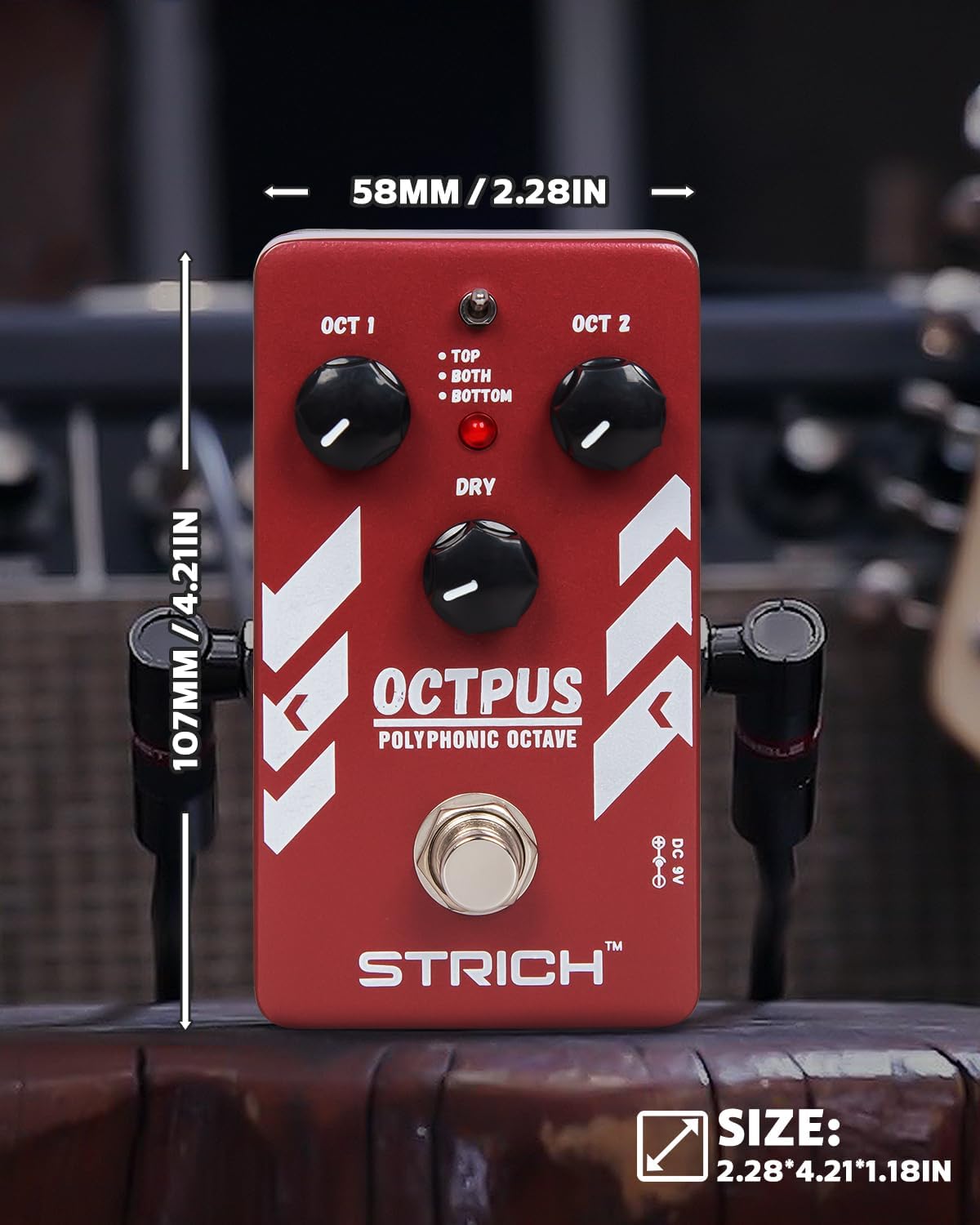
Figure 10: Explanation of the three control knobs.
6. Maintenance
Proper care will ensure the longevity and optimal performance of your STRICH Polyphonic Octave Guitar Pedal.
- Cleaning: Use a soft, dry cloth to wipe down the pedal's exterior. Avoid using abrasive cleaners or solvents, as they may damage the finish or internal components.
- Storage: When not in use for extended periods, store the pedal in a cool, dry place away from direct sunlight and extreme temperatures. Disconnect all cables, especially the power supply.
- Handling: Handle the pedal with care. Avoid dropping it or subjecting it to strong impacts, which can damage the circuitry or controls.
- Power Supply: Always use a compatible 9V DC power adapter with the correct polarity (negative center). Using an incorrect power supply can cause damage and void the warranty.
7. Troubleshooting
If you encounter issues with your STRICH Polyphonic Octave Guitar Pedal, please refer to the following common problems and solutions:
| Problem | Possible Cause | Solution |
|---|---|---|
| No sound when pedal is engaged. |
|
|
| Unwanted noise or hum. |
|
|
| Effect sounds garbled or tracks poorly. |
|
|
8. Specifications
| Feature | Detail |
|---|---|
| Model Number | OCTPUS |
| Item Weight | 10.2 ounces |
| Product Dimensions | 5.04 x 3.23 x 2.17 inches (12.8 x 8.2 x 5.5 cm) |
| Body Material | Aluminum |
| Color Name | Red Octave |
| Compatible Devices | Electric Guitar, Electric Bass, Pedalboards |
| Connector Type | Barrel Connector (for power), 1/4" Mono (for audio) |
| Hardware Interface | 3.5mm Audio (likely refers to internal components, user interface is 1/4" jacks) |
| Signal Format | Digital |
| Material Type | Alloy |
| Power Source | Corded Electric |
| Voltage | 9 Volts DC |
| Style | Compact |

Figure 11: Product dimensions.
9. Warranty and Support
STRICH is committed to providing quality products and excellent customer service.
- Warranty Services: The product typically comes with up to a 12-month warranty. Please refer to your purchase documentation for specific warranty terms and conditions.
- Return Policy: A 30-day free return policy is generally available. Consult your retailer's return policy for details.
- Customer Support: For any inquiries, technical assistance, or warranty claims, please contact STRICH customer support. Prompt email chat assistance is typically available within 24 hours.

Figure 12: STRICH Customer Care overview.
Related documentsOCTPUS


Ask a question about this manual
Ask about setup, troubleshooting, compatibility, parts, safety, or missing instructions. Manuals+ will review the question and use this page’s manual context to help answer it.