
1. Introduction
This manual provides essential instructions for the safe and efficient operation, maintenance, and troubleshooting of your Briggs & Stratton Vanguard Single-Cylinder 4-Cycle Engine, Model 25V337-0012-F1. Designed for reliability and performance, this engine features a 408cc displacement and 14 horsepower, making it suitable for various demanding applications. Please read this manual thoroughly before operating the engine to ensure proper use and longevity.
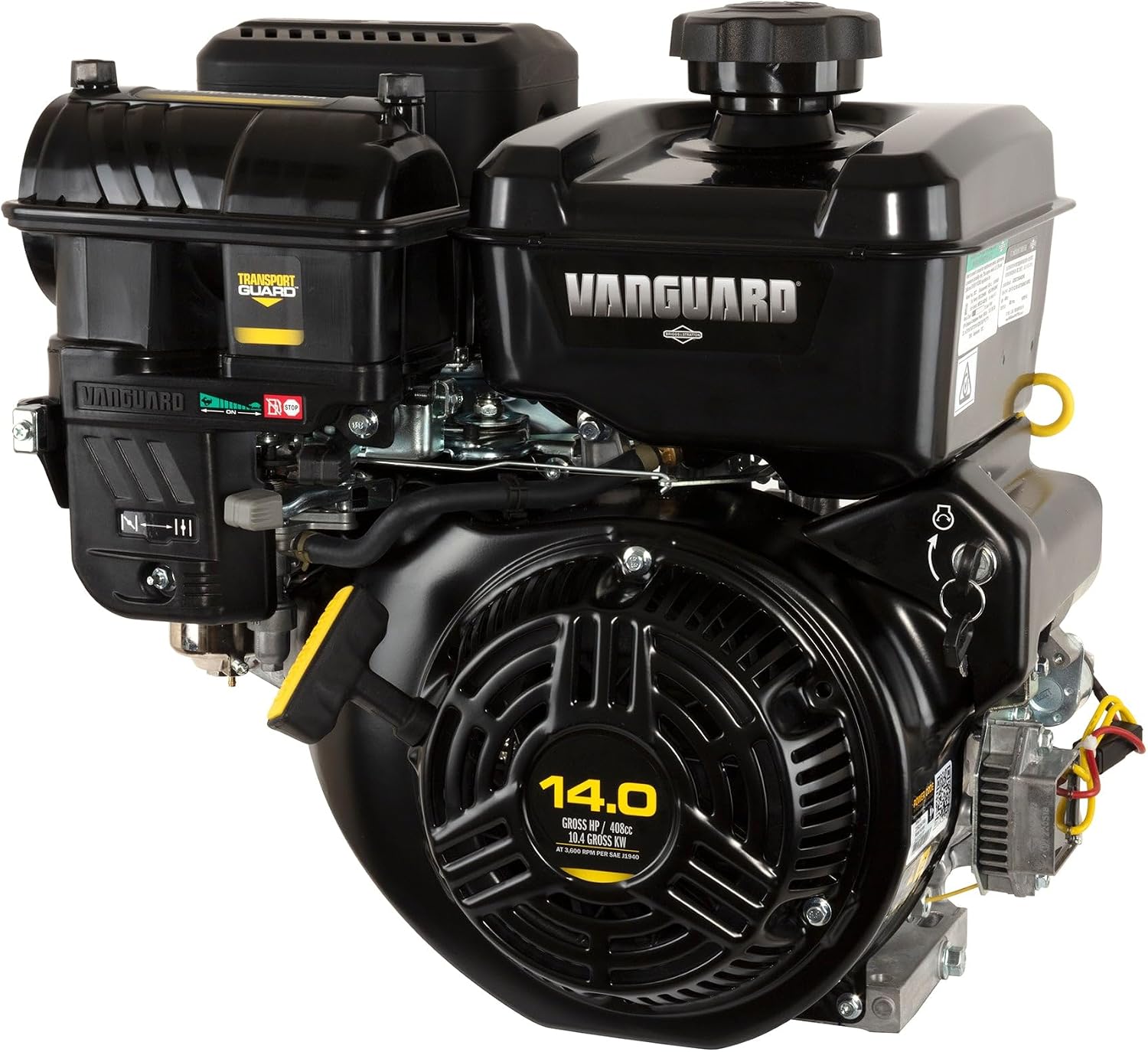
Figure 1.1: Front view of the Briggs & Stratton Vanguard Single-Cylinder Engine.
2. Safety Information
Operating an internal combustion engine can be hazardous. Always follow these safety precautions to prevent injury or property damage:
- Read the Manual: Familiarize yourself with all controls and proper operating procedures before starting the engine.
- Fuel Safety: Gasoline is highly flammable. Store fuel in approved containers, refuel in a well-ventilated area with the engine off and cool, and avoid spills. Do not smoke near fuel.
- Exhaust Fumes: Engine exhaust contains carbon monoxide, a colorless, odorless, and deadly gas. Operate the engine only in well-ventilated outdoor areas.
- Hot Surfaces: Engine components, especially the muffler, become very hot during operation and remain hot for a period after shutdown. Avoid contact to prevent burns.
- Moving Parts: Keep hands, feet, hair, and clothing away from moving parts such as the flywheel and crankshaft.
- Electrical Safety: For models with electric start, ensure all electrical connections are secure and insulated. Disconnect the spark plug wire before performing maintenance.
- Personal Protective Equipment (PPE): Wear appropriate safety glasses, gloves, and hearing protection when operating or servicing the engine.
3. Setup and Installation
3.1 Unpacking and Inspection
Carefully remove the engine from its packaging. Inspect for any shipping damage. Report any damage to your dealer immediately. Ensure all components listed in the packing list are present.

Figure 3.1: The Briggs & Stratton Vanguard Engine as received in its shipping box.
3.2 Mounting the Engine
Mount the engine securely to a stable, level surface using appropriate hardware. The engine features a 1-inch diameter crankshaft with a length of 3 31/64 inches. Ensure proper alignment with the driven equipment. Refer to the equipment manufacturer's instructions for specific mounting requirements.

Figure 3.2: View of the engine's crankshaft side, showing mounting points.
3.3 Fuel and Oil
- Fuel: Use clean, fresh, unleaded gasoline with an octane rating of 87 or higher. Do not use E85 fuel. Fill the fuel tank carefully, avoiding overfilling.
- Engine Oil: Refer to the engine's oil fill cap or dipstick for recommended oil type and capacity. Typically, Briggs & Stratton recommends SAE 30 for temperatures above 40°F (4°C) or 5W-30 for varying temperatures. Ensure the oil level is at the full mark on the dipstick.
3.4 Electrical Connections (If Applicable)
This engine is equipped with electric start capabilities, operating at 25 Volts and 1.4 KW. Connect the battery according to the equipment manufacturer's instructions, ensuring correct polarity. Secure all wiring to prevent chafing or damage.
4. Operating Instructions
4.1 Pre-Start Checks
- Check engine oil level.
- Ensure fuel tank is adequately filled.
- Inspect air filter for cleanliness.
- Verify all connections (fuel lines, electrical, spark plug) are secure.
- Clear the area around the engine of any obstructions.
4.2 Starting the Engine
This Vanguard engine is designed for reliable starting, even in cold conditions down to -20°F (-29°C).
- Move the choke lever to the "CHOKE" position (if the engine is cold).
- Move the throttle lever to the "FAST" position.
- For Recoil Start: Grasp the starter grip and pull slowly until resistance is felt, then pull rapidly with a full arm stroke. Allow the rope to rewind slowly. Repeat until the engine starts.
- For Electric Start: Turn the ignition key to the "START" position. Release the key once the engine starts. Do not crank for more than 5 seconds at a time.
- Once the engine starts, gradually move the choke lever to the "RUN" position as the engine warms up.

Figure 4.1: Engine controls, including choke and throttle levers.
4.3 Stopping the Engine
To stop the engine, move the throttle lever to the "SLOW" or "IDLE" position, then move the engine switch to the "OFF" position. For electric start models, turn the ignition key to "OFF".
5. Maintenance
Regular maintenance is crucial for the longevity and optimal performance of your engine. Always perform maintenance with the engine off and cool, and disconnect the spark plug wire to prevent accidental starting.
5.1 Air Filter Maintenance
This engine features a Cyclonic Air Cleaner with a Nano Media Air Cleaner Filter Element and Autoshed Technology for extended filter life. Inspect the air filter regularly, especially in dusty conditions. Clean or replace the filter as needed according to the maintenance schedule.

Figure 5.1: Side view of the engine, highlighting the air filter housing.
5.2 Oil Change
Change the engine oil after the first 5 hours of operation, then every 50 hours or annually, whichever comes first. Drain the old oil while the engine is warm, then refill with the recommended oil to the proper level.
5.3 Spark Plug
Inspect the spark plug annually or every 100 hours. Clean or replace if necessary. Ensure the gap is set to the manufacturer's specification.
5.4 Fuel System
Periodically check fuel lines for cracks or leaks. Clean the fuel filter (if equipped) as part of routine maintenance.
5.5 Storage
For extended storage, add a fuel stabilizer to the fuel tank, run the engine for a few minutes, and then drain the fuel or run the engine until it runs out of fuel. Change the oil, clean the engine, and store it in a dry, protected area.
6. Troubleshooting
This section provides solutions to common operational issues. For problems not listed here, contact authorized service personnel.
| Problem | Possible Cause | Solution |
|---|---|---|
| Engine will not start |
|
|
| Engine runs poorly |
|
|
| Excessive smoke |
|
|
7. Specifications
Key technical specifications for the Briggs & Stratton Vanguard Single-Cylinder Engine, Model 25V337-0012-F1:
| Feature | Detail |
|---|---|
| Model Number | 25V337-0012-F1 |
| Manufacturer | Briggs & Stratton |
| Engine Type | Single-Cylinder, 4-Cycle |
| Displacement | 408cc |
| Horsepower | 14 HP |
| Crankshaft Dimensions | 1 inch diameter x 3 31/64 inches length |
| Power Source | Gasoline-powered |
| Voltage (Electric Start) | 25 Volts |
| Wattage (Electric Start) | 1.4 KW |
| Starting Temperature | Down to -20°F (-29°C) |
| Air Cleaner | Cyclonic with Nano Media Filter and Autoshed Technology |
| Item Weight | 99 pounds (approx.) |
| Product Dimensions | 22 x 22 x 22 inches (approx.) |
| Date First Available | September 13, 2023 |
8. Warranty and Support
Briggs & Stratton engines are backed by a manufacturer's warranty. For specific warranty details, please refer to the warranty statement included with your engine or visit the official Briggs & Stratton website. For technical support, replacement parts, or authorized service, please contact your Briggs & Stratton dealer or visit the Briggs & Stratton Store on Amazon.

Figure 8.1: Briggs & Stratton Official Logo.