
Kegland KL20695
Bucket Buddy w/Heating User Manual
Model: KL20695
Brand: Kegland
1. Introduction
This manual provides essential information for the safe and effective operation, maintenance, and troubleshooting of your Kegland Bucket Buddy w/Heating fermenter. Please read this manual thoroughly before using the product to ensure proper functionality and to prevent damage or injury.
The Bucket Buddy w/Heating is a 35L stainless steel fermenter featuring an integrated 36W heating element, designed to maintain optimal fermentation temperatures, particularly in colder environments. Its robust construction and thoughtful design facilitate ease of use and cleaning for home brewing and winemaking applications.
2. Safety Information
Always adhere to the following safety guidelines to prevent personal injury or damage to the unit:
- Electrical Safety: Ensure the power outlet matches the specified voltage (110-120V). Do not operate the unit with a damaged cord or plug. Keep electrical components dry.
- Do Not Immerse: The base of the unit containing the heating element and digital display must NOT be immersed in liquid.
- Do Not Boil Dry: Never operate the heating element without liquid inside the fermenter. Doing so can cause severe damage to the element and the unit.
- Hot Surfaces: The fermenter and its contents will become hot during operation. Use caution when handling and allow to cool before cleaning or disassembling.
- Pressure: Ensure the airlock is properly installed and functioning to release fermentation gases. Blocked airlocks can lead to pressure buildup.
- Cleaning Agents: Use only food-grade cleaning and sanitizing agents. Follow manufacturer instructions for chemical use and rinsing.
- Placement: Place the fermenter on a stable, level, heat-resistant surface away from flammable materials.
- Children and Pets: Keep the unit out of reach of children and pets.
3. Product Overview
The Bucket Buddy w/Heating is constructed from high-quality 304-grade stainless steel, ensuring durability and hygiene. Key features include:
- Capacity: 35 Liters (9.25 Gallons) brimful.
- Integrated Heating Element: Concealed 36W element for precise temperature control.
- Digital Temperature Display: Allows for accurate monitoring and setting of fermentation temperature.
- Dome Base: Facilitates easy cleaning and complete drainage.
- Rotating Rack Arm: Ensures every last drop can be drained from the fermenter.
- Stainless Steel Ball Valve: Durable outlet valve with 1/2" thread for easy transfers.
- Airlock and Stopper: Included for fermentation gas release.
Components Diagram
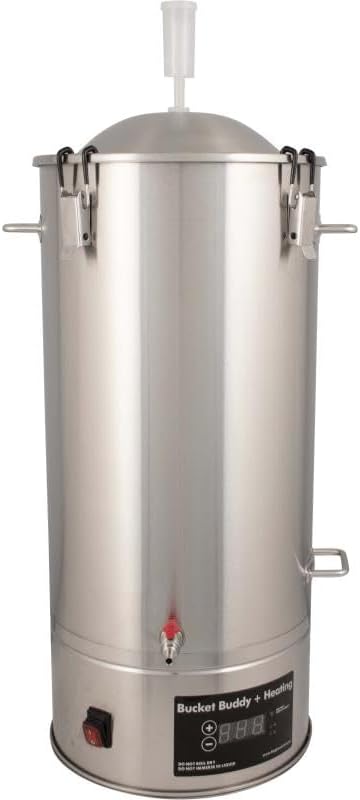
Figure 3.1: Front view of the Bucket Buddy w/Heating fermenter. This image shows the overall design, including the stainless steel body, lid with airlock, digital temperature display, power switch, and the ball valve spigot.

Figure 3.2: Angled view of the Bucket Buddy w/Heating fermenter. This perspective highlights the side handles and the overall cylindrical shape of the unit.

Figure 3.3: Rear view of the Bucket Buddy w/Heating fermenter. This image displays the volume markings on the side of the fermenter, indicating capacity levels.
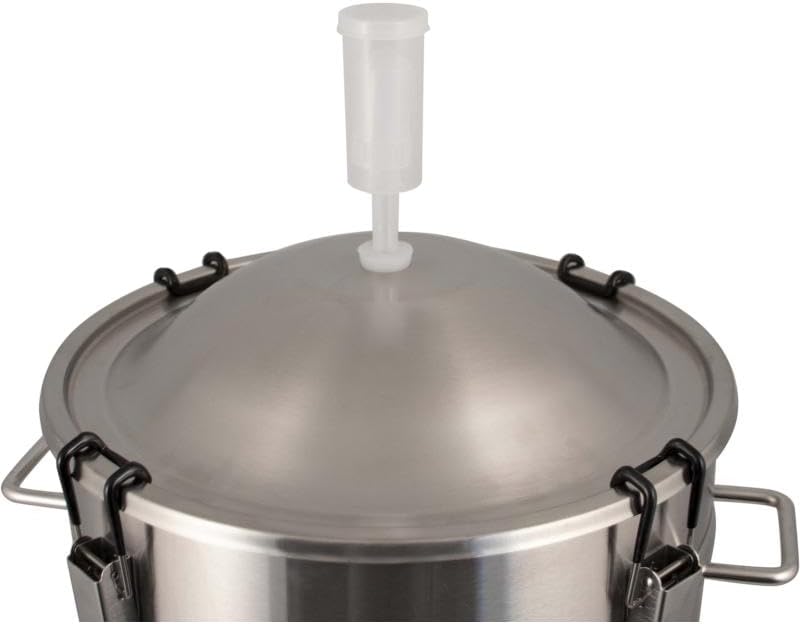
Figure 3.4: Close-up of the fermenter lid with the airlock properly installed in the stopper. This shows the domed lid design and the clamps securing it.

Figure 3.5: Close-up of the fermenter lid showing the hole for the stopper and airlock. This view is without the airlock installed, revealing the opening.
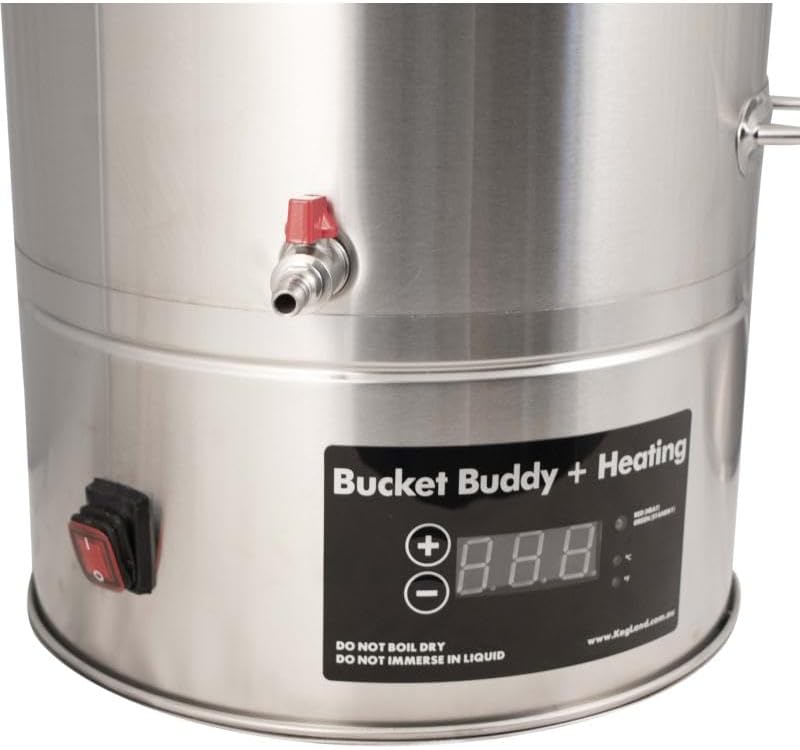
Figure 3.6: Close-up of the digital control panel and power switch located at the base of the fermenter. The display shows temperature readings and control buttons.

Figure 3.7: Close-up of the stainless steel ball valve spigot. This image details the valve mechanism and the barb fitting for tubing attachment.
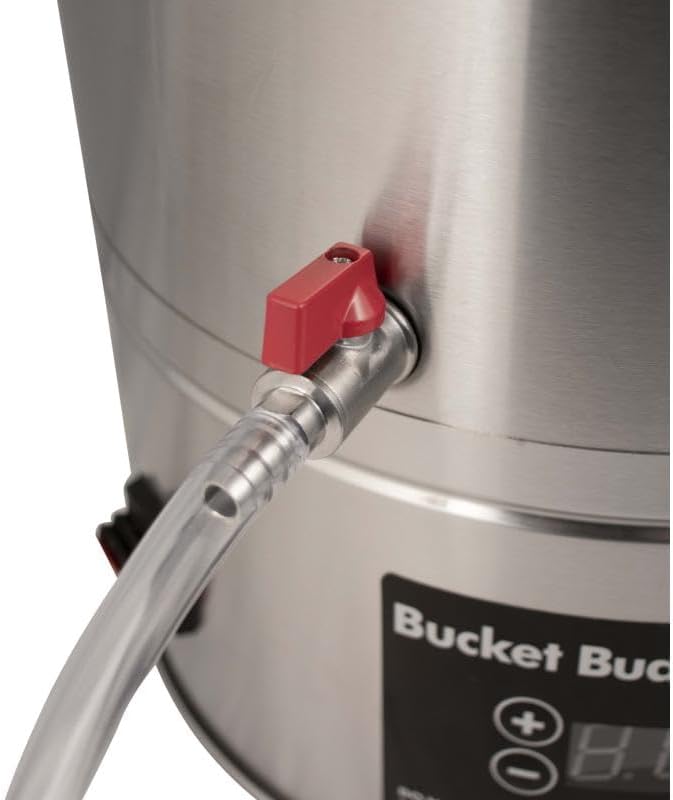
Figure 3.8: Stainless steel ball valve spigot with clear silicone tubing attached. This demonstrates how the tubing connects for liquid transfer.
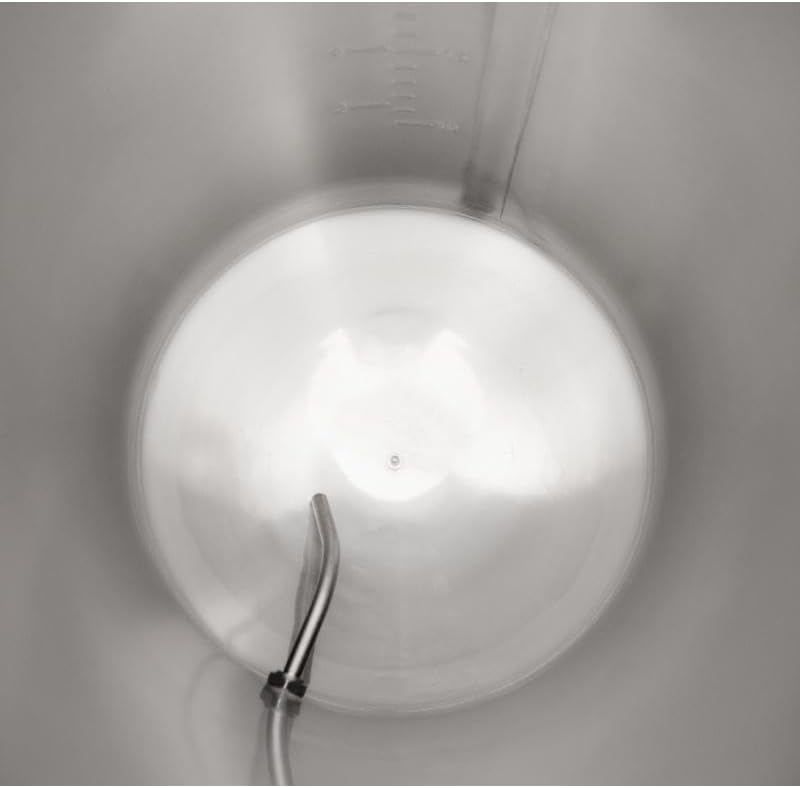
Figure 3.9: Internal view of the fermenter. This image clearly shows the domed base for complete drainage and the rotating rack arm positioned near the outlet.
4. Setup
- Unpacking: Carefully remove all components from the packaging. Inspect for any shipping damage.
- Initial Cleaning: Before first use, thoroughly clean and sanitize all parts that will come into contact with your fermentable liquid. Refer to Section 6 for detailed cleaning instructions.
- Airlock Assembly: Insert the rubber stopper firmly into the hole on the lid. Insert the airlock into the stopper. Fill the airlock with a small amount of sanitizing solution or clean water as per airlock instructions.
- Spigot Assembly: Ensure the stainless steel ball valve spigot is securely attached to the fermenter. The rotating rack arm should be positioned inside the fermenter, aligned with the spigot opening.
- Placement: Position the fermenter on a stable, level surface in your desired fermentation area. Ensure there is adequate space around the unit for air circulation and access.
5. Operating Instructions
5.1. Filling the Fermenter
After cleaning and sanitizing, carefully transfer your wort or must into the fermenter. Do not overfill; leave adequate headspace for fermentation activity and krausen formation. Secure the lid using the clamps and ensure the airlock is properly installed.
5.2. Temperature Control
- Power On: Plug the fermenter into a grounded 110-120V electrical outlet. Flip the red power switch located at the base of the unit to the 'ON' position. The digital display will illuminate.
- Set Temperature: Use the '+' and '-' buttons on the digital display to set your desired fermentation temperature. The display will show the current temperature inside the fermenter. The heating element will automatically activate when the internal temperature drops below your set point and deactivate when it reaches or exceeds it.
- Temperature Unit Conversion: To switch the temperature display between Celsius (°C) and Fahrenheit (°F), ensure the heating elements are turned off (power switch is OFF), then press and hold both the '+' and '-' buttons simultaneously until the unit changes.
- Heating Performance: The 36W heating element is designed for maintaining temperature and gently raising it. Heating capacity is influenced by ambient temperature and insulation. For optimal performance in very cold environments, consider adding external insulation around the fermenter.
5.3. Liquid Transfer / Draining
- Prepare for Transfer: Ensure your receiving vessel (bottles, kegs, etc.) is clean and sanitized. Attach the provided silicone tubing to the barb fitting on the ball valve spigot.
- Position Rack Arm: The internal rotating rack arm allows for draining liquid from above the sediment. Rotate the arm to the desired position to draw clear liquid.
- Open Valve: Slowly open the ball valve to begin the transfer. Monitor the flow and close the valve when the transfer is complete or if sediment begins to appear.
6. Maintenance and Cleaning
Regular cleaning and maintenance are crucial for hygiene and the longevity of your fermenter.
- Immediate Cleaning: Clean the fermenter immediately after emptying to prevent residue from drying and becoming difficult to remove.
- Disassembly: Disassemble the airlock, stopper, and ball valve for thorough cleaning. The ball valve can be unscrewed from the fermenter for complete access.
- Washing: Wash all stainless steel components with a soft cloth or sponge and a mild, non-abrasive, food-grade detergent. The dome base and brushed finish are designed for easy cleaning.
- Rinsing: Rinse all parts thoroughly with clean water to remove all detergent residue.
- Sanitizing: Sanitize all components that will contact your fermentable liquid using a food-grade sanitizer according to its instructions. Ensure proper contact time.
- Drying and Storage: Allow all parts to air dry completely before reassembling or storing. Store the fermenter in a clean, dry place.
- Do Not Immerse Base: Remember, the electrical base of the fermenter must never be immersed in water or other liquids. Clean the exterior of the base with a damp cloth only.
7. Troubleshooting
| Problem | Possible Cause | Solution |
|---|---|---|
| Fermenter not heating. | Power switch off; not plugged in; temperature set point too low; element failure. | Ensure power switch is ON and unit is plugged in. Increase set temperature above current liquid temperature. If problem persists, contact support. |
| Temperature display is inaccurate. | Sensor issue; extreme ambient temperature fluctuations. | Ensure the fermenter is not in direct sunlight or a draft. If readings are consistently off, contact support. |
| Liquid not draining completely. | Rotating rack arm misaligned; sediment buildup. | Ensure the rotating rack arm is correctly positioned. Allow sediment to settle before draining. |
| Airlock not bubbling. | No fermentation activity; lid not sealed; airlock blocked. | Verify fermentation is active (e.g., gravity readings). Check lid clamps and stopper for a tight seal. Ensure airlock is not clogged. |
8. Specifications
- Model: KL20695
- Capacity: 35 Liters (9.25 Gallons) Brimful
- Body Material: 304 Grade Stainless Steel
- Lid Material: 304 Grade Stainless Steel
- Heating Element: Integrated 36 Watt Concealed Element
- Voltage: 110-120V
- Outlet Valve: Stainless Steel Ball Valve with Nylon Bushings, Silicone Seal, and Rotating Rack Arm (1/2" Thread)
- Display: Digital Temperature Display (°F / °C selectable)
- External Dimensions: 28" H x 15" W (including handles)
- Internal Dimensions: 22" H x 11.75" W
9. Warranty and Support
For warranty information and customer support, please refer to the terms and conditions provided by your retailer or contact Kegland directly through their official website. Keep your proof of purchase for any warranty claims.
For technical assistance or inquiries not covered in this manual, please visit the Kegland website or contact their customer service department.
Ask a question about this manual
Ask about setup, troubleshooting, compatibility, parts, safety, or missing instructions. Manuals+ will review the question and use this page’s manual context to help answer it.