1. Product Overview
The Yamaha FGDP-30 Finger Drum Pad is a compact, standalone electronic percussion instrument designed for finger drumming. It integrates a professional-grade sound engine, built-in speaker, and a rechargeable battery, offering a portable solution for music creation across various genres. The device features 18 ultra-responsive, touch-sensitive pads with an optimized layout for dynamic play. It also functions as a high-speed USB audio/MIDI interface and supports the Rec'n'Share app for recording and sharing performances.

Figure 1: Front view of the Yamaha FGDP-30 Finger Drum Pad, showing the layout of 18 pads, control buttons, and the display screen.
Key Features:
- All-in-One Design: Features 18 ultra-responsive, touch-sensitive pads, a professional-grade sound engine, built-in speaker, and a long-lasting rechargeable battery for portable use.
- Optimized Pad Layout: Ergonomically designed pad configuration for enhanced accuracy, comfort, and fluidity in finger drumming.
- Expressive Playing: Pads support advanced velocity sensitivity and after-touch detection for nuanced performance, with a high-fidelity internal tone generator.
- Advanced USB MIDI/Audio Interface: Connects to DAWs or external sound modules to trigger custom samples, record performances, or layer MIDI tracks. Plus, with the powerful Rec'n'Share app, drummers can quickly capture and share polished videos complete with backing tracks.
- Customizable and Expandable: Allows for customizable pad assignments, adjustable sensitivity settings, and compatibility with external MIDI gear.
- Voice Prompts: Built-in voice prompts provide intuitive, hands-free operation for visually impaired musicians.
2. Setup
2.1 Unpacking and Initial Inspection
Carefully remove the FGDP-30 from its packaging. Ensure all components, including the USB cable, are present. Inspect the device for any signs of damage during transit.
2.2 Powering On and Charging
The FGDP-30 has a built-in rechargeable battery. To power on, press and hold the power button located on the top left of the device. If the battery is low, connect the device to a USB power source (5V) using the provided USB cable. The USB port is located on the back of the unit.

Figure 2: A hand connecting a USB cable to the FGDP-30 for charging or power supply. The USB port is labeled "USB TO HOST 5V".
2.3 Connecting External Devices
The FGDP-30 offers various connectivity options:
- USB to Host (5V): Connects to a computer for MIDI/Audio data transfer and power.
- AUX IN: Allows connection of an external audio player (e.g., smartphone, tablet) to play along with backing tracks.
- PHONES / OUTPUT: For connecting headphones or external speakers/amplifiers.

Figure 3: Rear view of the FGDP-30, highlighting the USB TO HOST, AUX IN, and PHONES/OUTPUT ports for various connections.

Figure 4: A smartphone connected to the FGDP-30's AUX IN port, demonstrating how to play along with external audio.
3. Operating Instructions
3.1 Basic Pad Operation
The FGDP-30 features 18 pads designed for finger drumming. These pads are velocity-sensitive, meaning the sound's volume and character change based on how hard you strike them. Experiment with different striking techniques to explore the full expressive range.
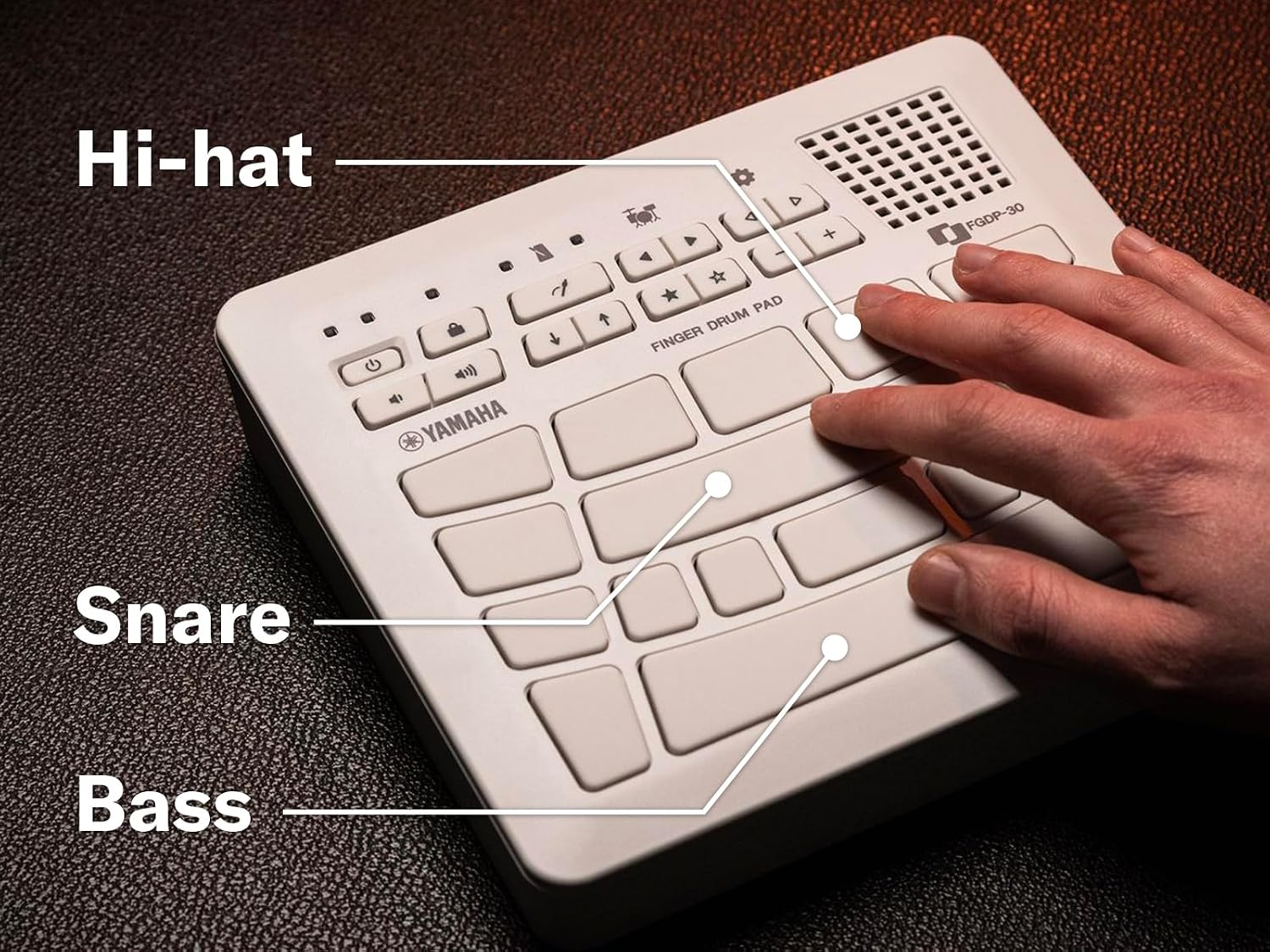
Figure 5: A user's hands positioned over the FGDP-30 pads, demonstrating the ergonomic layout for finger drumming.
3.2 Pad Layout and Functions
The FGDP-30's pads are strategically arranged to facilitate intuitive finger drumming. Key drum elements like hi-hat, snare, and bass drum are typically assigned to specific, easily accessible pads.
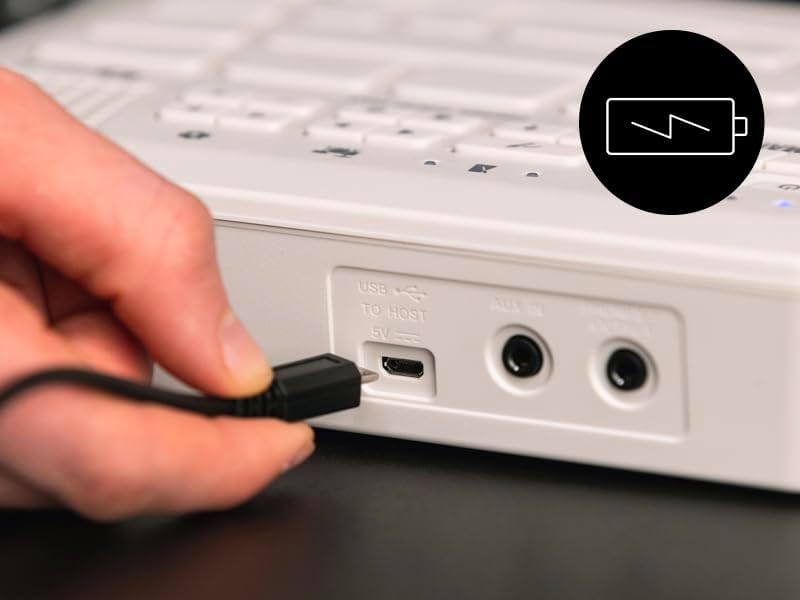
Figure 6: A close-up view of the FGDP-30 pads, with labels indicating typical assignments for Hi-hat, Snare, and Bass drum sounds.
3.3 Sound Selection and Customization
The device comes preloaded with 39 expertly crafted preset kits. Use the navigation buttons and display screen to browse and select different drum kits and sounds. Refer to the detailed user manual for specific instructions on customizing pad assignments and sensitivity settings.
3.4 Using the Built-in Speaker
The FGDP-30 includes a high-quality internal speaker for immediate playback without external amplification. Adjust the volume using the dedicated volume buttons.

Figure 7: A close-up view of the FGDP-30's integrated speaker grille, located on the top right of the device.
3.5 Rec'n'Share App Integration
Enhance your practice and sharing capabilities with the Yamaha Rec'n'Share app. Connect your smartphone or tablet to the FGDP-30 to record high-quality audio and video of your performances, then easily share them online.

Figure 8: A smartphone mounted on a tripod, recording a user playing the FGDP-30, with the Rec'n'Share app interface visible on the phone screen.
3.6 Voice Prompts for Accessibility
The FGDP-30 includes voice prompts to assist visually impaired users. These prompts provide auditory feedback for navigation and function selection, enabling hands-free operation.
4. Maintenance
4.1 Cleaning
To clean the FGDP-30, use a soft, dry cloth. For stubborn dirt, slightly dampen the cloth with water and a mild detergent, then wipe dry immediately. Avoid using abrasive cleaners, solvents, or alcohol, as these can damage the surface.
4.2 Storage
Store the device in a cool, dry place away from direct sunlight, extreme temperatures, and high humidity. If storing for an extended period, ensure the battery is partially charged (around 50%) to prolong its lifespan.
4.3 Battery Care
To maintain battery health, avoid fully discharging the unit frequently. Recharge the battery when the low battery indicator appears. If the unit will not be used for a long time, charge it fully once every six months.
5. Troubleshooting
5.1 No Sound
- Check the volume level on the FGDP-30 and any connected headphones or speakers.
- Ensure headphones/speakers are properly connected to the PHONES / OUTPUT jack.
- If using the internal speaker, ensure it is not muted.
5.2 Device Not Powering On
- Verify the battery is charged. Connect the FGDP-30 to a USB power source and allow it to charge for a period.
- Ensure the USB cable and power source are functioning correctly.
5.3 Pads Unresponsive or Inconsistent
- Check the sensitivity settings of the pads. These can be adjusted via the device's menu.
- Ensure the pads are clean and free from debris that might interfere with touch detection.
6. Specifications
| Feature | Detail |
|---|---|
| Model Name | Finger Drum Pad |
| Brand | Yamaha |
| Item Model Number | FGDP-30 |
| Number of Pads/Keys | 18 |
| Connectivity Technology | USB |
| Connector Type | XLR (for some external connections, though USB is primary) |
| Hardware Interface | USB |
| Compatible Devices | Computer, Tablet, Smartphone |
| Supported Software | Ableton Live (and other DAWs via MIDI/Audio) |
| Item Weight | 2.2 pounds |
| Product Dimensions | 8.8 x 7.7 x 1.9 inches |
| Power Source | Rechargeable Battery / USB 5V |
7. Official Product Video
Video 1: An official overview of the Yamaha Finger Drum Pads, showcasing features like optimized pad layout, ultra-sensitive pads, great drum sounds, portability, built-in speaker, built-in click, rechargeable battery, USB MIDI/Audio connectivity, AUX In, Rec'n'Share App, RGB pads (FGDP-50), Note Repeat (FGDP-50), Session Creator (FGDP-50), Playback Sampler (FGDP-50), and more registrations (FGDP-50). This video highlights both FGDP-30 and FGDP-50 models.
8. Warranty and Support
For warranty information and customer support, please refer to the documentation included with your product or visit the official Yamaha website. Keep your proof of purchase for warranty claims.
Online resources, FAQs, and contact information for technical assistance can typically be found on the manufacturer's support pages.