
1. Introduction
This manual provides instructions for the safe and effective use of the YATOINTO 4400LB Rope Hoist Pulley System. This heavy-duty block and tackle system is designed to assist in lifting and moving heavy objects with an 8:1 mechanical advantage, reducing the effort required. It features a 4400 lbs breaking strength and a 2200 lbs load capacity, making it suitable for various applications.

Image 1.1: Overview of the YATOINTO Rope Hoist Pulley System.
2. Safety Information
Before operating the pulley system, read and understand all safety warnings and instructions. Failure to follow these guidelines may result in serious injury or property damage.
- Load Capacity: Do not exceed the rated load capacity of 2200 lbs (1000 kg). The system has a breaking strength of 4400 lbs (2000 kg), but safe working load limits must always be observed.
- Inspection: Before each use, inspect the rope, pulley blocks, and hooks for any signs of wear, damage, fraying, or corrosion. Do not use if any component is compromised.
- Secure Attachment: Ensure all hooks are securely attached to stable anchor points and the load. Hooks should be fully engaged and latched.
- Balanced Load: Always lift loads in a balanced manner to prevent shifting or sudden drops.
- Clear Area: Keep the lifting area clear of personnel and obstructions. Never stand directly under a suspended load.
- Rope Management: Ensure the rope is properly reeved through the pulleys and does not tangle or rub against sharp edges during operation.
- Environmental Conditions: Avoid using the system in extreme weather conditions or environments that could compromise its integrity.
The system has passed a 2-ton (4400 lbs) rated load tensile test, indicating its structural integrity under stress. However, always adhere to the stated working load limit for safe operation.
3. Components
The YATOINTO Rope Hoist Pulley System includes the following main components:
- Pulley Block and Tackle System: Consists of two blocks, each with multiple metal wheels and metal bearings for smooth operation. The housing is rust-proof zinc-plated.
- Rope: 65 feet (19.8 m) of diamond braid polypropylene fibers rope. This rope is soft, strong, and lightweight.
- Safety Hooks: Galvanized alloy steel hooks designed to resist rusting, wearing, and tearing.

Image 3.1: Key components and features of the pulley system.
4. Setup Instructions
Follow these steps to properly set up your YATOINTO Rope Hoist Pulley System:
- Unpack Components: Carefully remove all items from the packaging and verify that all components listed in Section 3 are present and undamaged.
- Identify Blocks: The system typically consists of a fixed block (upper block) and a movable block (lower block).
- Reeve the Rope:
- Start by passing one end of the 65-foot rope through the sheave (wheel) of the fixed block.
- Then, pass the rope through a sheave on the movable block.
- Continue alternating between the fixed and movable blocks, ensuring the rope runs smoothly over each metal wheel. For an 8:1 ratio, the rope will pass through the blocks multiple times.
- Secure the end of the rope to the becket (attachment point) on one of the blocks, typically the fixed block, or as indicated by the system design.
- Attach to Anchor Points: Securely attach the hook of the fixed block to a strong, overhead anchor point capable of supporting the maximum intended load.
- Attach to Load: Attach the hook of the movable block to the object you intend to lift. Ensure the load is balanced and the hook is fully engaged.
Ensure the rope is not twisted or tangled and that it moves freely through all pulleys.
Video 4.1: Demonstration of the YATOINTO 4400LBS 65FT Pulley System in use.
5. Operating Instructions
Once the system is set up and inspected, follow these steps for operation:
- Initiate Lift: Slowly and steadily pull the free end of the rope to begin lifting the load. The 8:1 ratio means you will pull 8 feet of rope for every 1 foot the load is lifted.
- Maintain Control: Keep a firm grip on the rope at all times. Do not allow the rope to slip, which could cause the load to drop unexpectedly.
- Lowering the Load: To lower the load, slowly and carefully release the rope, maintaining control over the descent.
- Securing the Load: Once the load is in the desired position, secure the rope to prevent accidental movement. This can be done by tying off the rope or using a suitable cleat or braking mechanism if available.
- Disassembly: After use, carefully remove the load, then detach the pulley system from its anchor point. Store the rope neatly to prevent tangles.
The metal bearing structure ensures smooth operation, minimizing friction and effort during lifting.
Video 5.1: Detailed view of the block and tackle pulley system in black, demonstrating its components and function.
6. Maintenance
Regular maintenance ensures the longevity and safe operation of your pulley system:
- Cleaning: Keep the pulley blocks and rope clean and free from dirt, debris, and corrosive substances. Wipe down metal parts with a clean cloth after use.
- Lubrication: The metal bearings are designed for durability. Periodically check for smooth rotation of the wheels. If necessary, apply a light lubricant suitable for metal bearings to ensure continued smooth operation.
- Storage: Store the pulley system in a dry, clean environment away from direct sunlight and extreme temperatures. Coil the rope neatly to prevent kinks and tangles.
- Rope Care: The diamond braid polypropylene rope is durable, but inspect it for fraying, cuts, or excessive wear. Replace the rope if any damage is observed.
- Rust Prevention: The zinc-plated housing and galvanized hooks are rust-resistant. However, prolonged exposure to moisture or harsh chemicals can still cause corrosion. Inspect for rust and address it promptly.
7. Troubleshooting
Here are some common issues and their potential solutions:
| Problem | Possible Cause | Solution |
|---|---|---|
| Rope is difficult to pull / high friction | Rope tangled or improperly reeved; Pulleys dirty or unlubricated; Overload. | Check rope path, re-reeve if necessary; Clean and lubricate pulleys; Reduce load to within capacity. |
| Load not lifting smoothly or dropping | Rope slipping; Damaged rope or pulley; Improper attachment of load/anchor. | Ensure firm grip on rope; Inspect all components for damage and replace if necessary; Verify secure attachment points. |
| System appears unstable during lift | Unbalanced load; Unstable anchor point. | Adjust load to be centered; Re-evaluate and secure anchor point. |
8. Specifications
Detailed specifications for the YATOINTO Rope Hoist Pulley System:
- Product Dimensions: 10 x 10 x 10 inches
- Item Weight: 3.61 pounds
- Manufacturer: YATOINTO
- Item Model Number: rope hoist pulley system (UPGRADED-4wheels)
- Date First Available: August 7, 2023
- Max Working Load Capacity: 2200 lbs (1000 kg)
- Breaking Strength: 4400 lbs (2000 kg)
- Rope Material: High-Density Polypropylene (Diamond Braid)
- Rope Diameter: 1/4 inch
- Rope Length: 65 ft (19.8 m)
- Material: Rust-Proof Zinc-Plated Housing, Alloy Steel Hooks
- Bearing Type: Metal Needle Bearings
- Lifting Ratio: 8:1
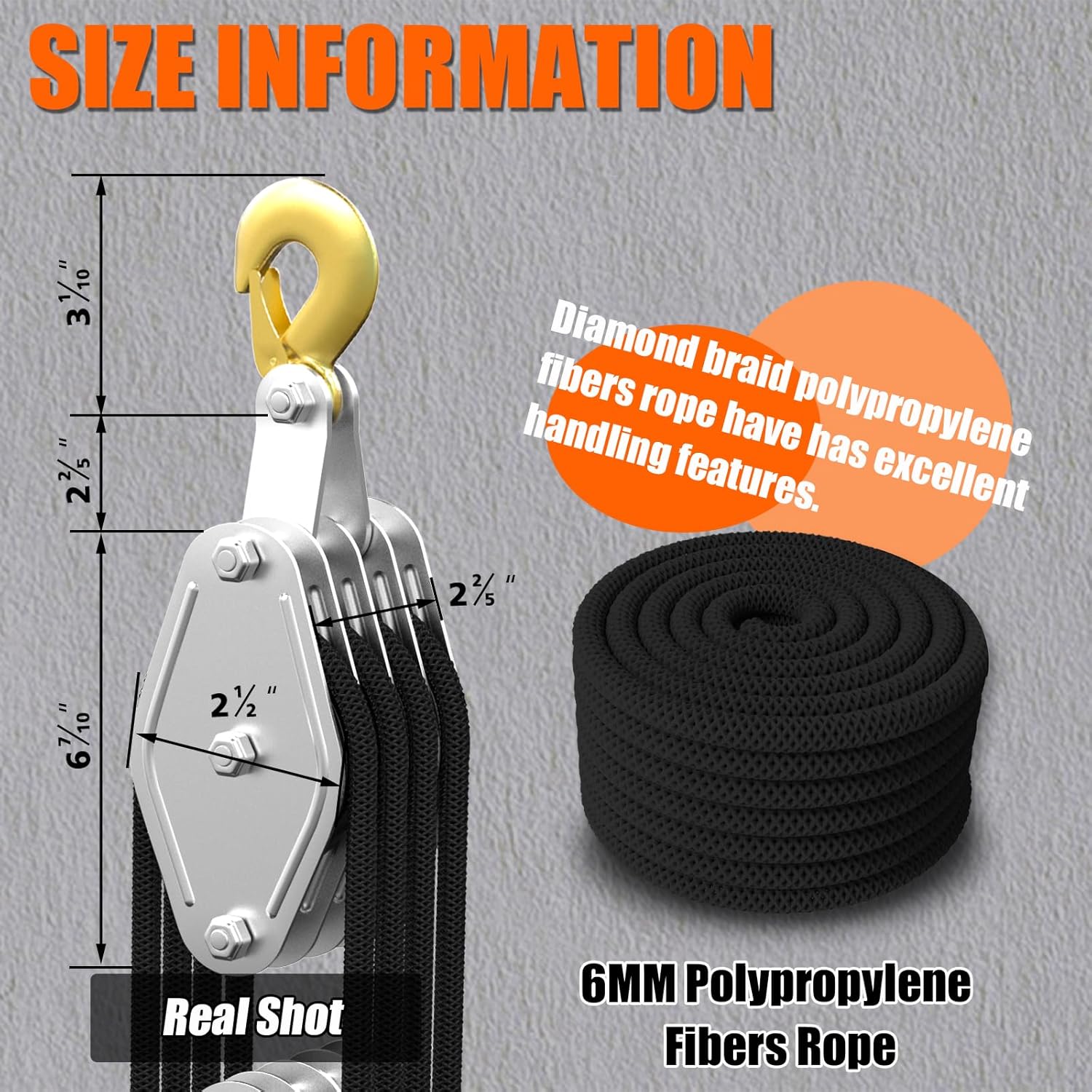
Image 8.1: Size information and rope details for the pulley system.
9. Warranty and Support
For warranty information or technical support regarding your YATOINTO Rope Hoist Pulley System, please contact the manufacturer directly through their official channels or the retailer from whom the product was purchased. Keep your purchase receipt as proof of purchase.