1. Introduction
The UNI-T UT334 series is a portable, voice-enabled 4-in-1 gas detector designed for continuous monitoring of gas concentrations. This safety device utilizes advanced integrated circuit technology, embedded microcomputer control, and high-quality imported gas sensors to provide accurate and repeatable measurements. It features a dot matrix LCD display with support for both English and Chinese interfaces and voice prompts, ensuring ease of use and maintenance. The robust shell is constructed from high-strength engineering plastic, offering good vibration resistance, high strength, and protection against dust, water, and explosions.

Image 1.1: The UNI-T UT334 series detector is capable of detecting EX (explosive gases), H2S (hydrogen sulfide), CO (carbon monoxide), and O2 (oxygen) levels simultaneously.
Key Features:
- Multi-language Support: Switch between Chinese and English display interfaces and voice prompts.
- Quadruple Alarm System: Provides alerts through sound, light, vibration, and screen flashing.
- High-Capacity Battery: Equipped with a 2500mAh (UT334E) or 5000mAh (UT334G) built-in lithium battery for extended operation.
- Data Storage: Automatic storage of records that can be viewed and deleted.
- Color LCD Display: A 2.4-inch color LCD screen displays various gas detection indicators.
- Durable Construction: High-strength engineering plastic casing offers anti-compression, anti-drop, and explosion-proof properties.
- Sensitive Sensors: Utilizes imported sensors for sensitive induction, short response time, and accurate detection.
- Curve Drawing: Supports curve drawing for observing the periodic state of gas concentration.

Image 1.2: A visual representation of the key features of the UNI-T UT334G model, including its display, alarm capabilities, and robust design.
2. Safety Information
Please read this manual thoroughly before operating the device. Failure to follow safety instructions may result in injury or damage to the device.
- Explosion Hazard: This device is designed to be explosion-proof. However, do not attempt to open or modify the device in hazardous environments. Ensure the device is used within its specified operating conditions.
- Sensor Integrity: Do not obstruct the gas inlet or sensor area. Keep the sensor clean and free from debris.
- Battery Safety: Use only the specified charging cable and power adapter. Do not expose the battery to extreme temperatures or puncture it.
- Environmental Conditions: Operate the detector within the specified temperature and humidity ranges to ensure accurate readings and device longevity.
- Calibration: Regular calibration is essential for maintaining accuracy. Refer to the manufacturer's guidelines for calibration procedures.
- Maintenance: Only qualified personnel should perform repairs or advanced maintenance.
3. Product Overview
The UNI-T UT334 series gas detector features a compact and ergonomic design for handheld use. Key components include the gas sensor inlet, LCD display, control buttons, and charging port.
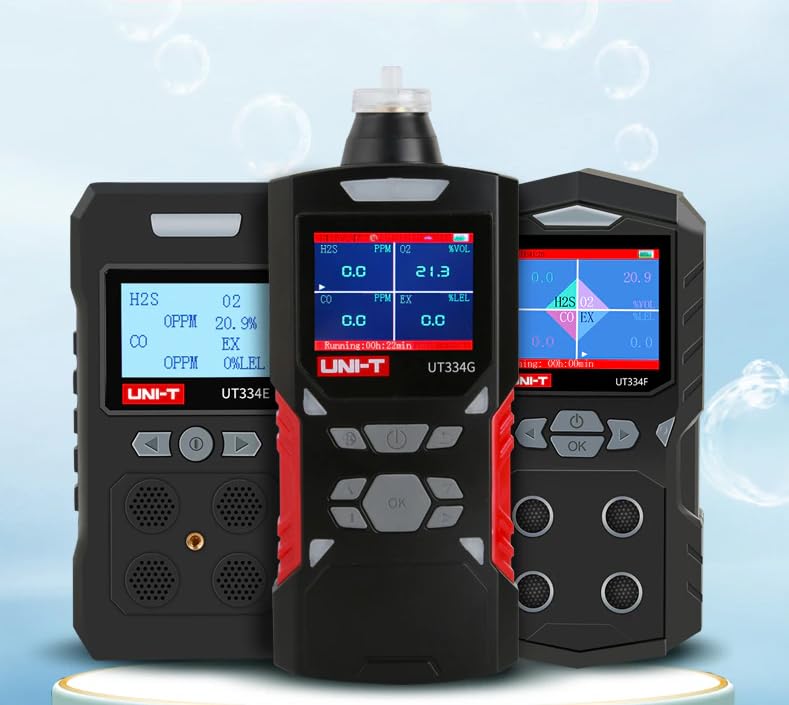
Image 3.1: The main unit of the UNI-T UT334F detector, illustrating the display and button layout for user interaction.
Main Components:
- Gas Sensor Inlet: Located at the top of the device, this is where ambient air is drawn in for analysis.
- LCD Display: A 2.4-inch color screen showing real-time gas concentrations, battery status, and other operational information.
- Control Buttons: Includes Power, OK, Up, and Down buttons for navigation and settings adjustment.
- MicroUSB Charging Port: Located on the side or bottom for battery charging.
- Alarm Indicators: Integrated light and sound components for alarm notifications.
4. Setup
4.1 Initial Charging
Before first use, fully charge the device. Connect the MicroUSB charging cable to the detector and a compatible USB power adapter (e.g., a standard Android phone charger or power bank). The charging time is approximately 4 hours for the UT334E model. The display will indicate charging status.

Image 4.1: The UT334G detector being charged via a MicroUSB cable, illustrating the battery charge indicator on the display.
4.2 Powering On/Off
- To Power On: Press and hold the Power button (usually marked with a power symbol) for a few seconds until the display illuminates. The device will perform a self-test.
- To Power Off: Press and hold the Power button again until the device shuts down.
4.3 Language Selection
Upon initial power-on or through the settings menu, you can select the display and voice prompt language between English and Chinese.
5. Operating Instructions
5.1 Display Interface
The 2.4-inch color LCD displays real-time gas concentrations for EX, H2S, CO, and O2. Units typically include PPM (Parts Per Million) for H2S and CO, %LEL (Lower Explosive Limit) for EX, and %VOL (Percentage by Volume) for O2. The display also shows battery status, time, and alarm indicators.
5.2 Navigation and Settings
Use the Up and Down buttons to navigate through menu options. Press the OK button to confirm selections or enter sub-menus. The Power button often doubles as a back or exit button in menu navigation.
5.3 Alarm System
The UT334 series features a quadruple alarm system to alert users to hazardous gas levels:
- Lights Flicker: Visual indication through flashing LEDs.
- Buzzer Alarm: Audible alert sound.
- Red Background Reminder: The display background changes to red.
- Body Vibration: Tactile alert through device vibration.
The device allows for setting custom low and high alarm points for each gas. When gas concentrations exceed these preset thresholds, the quadruple alarm system activates.

Image 5.1: The UT334G detector demonstrating its quadruple alarm prompt, including visual, auditory, and tactile alerts.
5.4 Data Storage and Review
The detector automatically stores measurement data. Access the data log through the menu to view historical readings. Options are available to delete stored data as needed.
5.5 Curve Drawing
The device supports a curve drawing function, allowing users to visualize the periodic state and trends of gas concentration over time. This feature aids in understanding gas behavior in the monitored environment.

Image 5.2: The curve drawing feature on the UT334G display, showing gas concentration trends over a period.
6. Maintenance
6.1 Battery Care
To maximize battery life, charge the device regularly and avoid fully discharging it frequently. Store the device with a partial charge if not used for extended periods. The UT334E model has a 1800mAh lithium battery, providing over 10 hours of continuous use when fully charged.
6.2 Cleaning
Clean the exterior of the device with a soft, damp cloth. Do not use abrasive cleaners or solvents. Ensure the gas sensor inlet is free from dust and obstructions.
6.3 Sensor Maintenance
The sensors have a typical lifespan of 2 years. Regular checks and professional calibration are recommended to ensure continued accuracy and performance.
6.4 Storage
Store the detector in a cool, dry place, away from direct sunlight and extreme temperatures. Ensure it is protected from physical impact.
7. Troubleshooting
- Device Not Turning On: Ensure the battery is charged. Connect to a charger and attempt to power on again. If the issue persists, contact support.
- Inaccurate Readings: Check if the sensor inlet is obstructed. Ensure the device is used within its specified operating environment. Consider professional calibration if readings remain inconsistent.
- Alarm Not Activating: Verify that alarm thresholds are set correctly in the device settings. Check for any physical damage to the alarm components.
- Display Issues: If the screen is blank or flickering, try restarting the device. Ensure the battery is adequately charged.
8. Specifications (UT334E)
The following table outlines the technical specifications for the UNI-T UT334E model:
| Parameter | Description |
|---|---|
| Detect Gas | EX, H2S, CO, O2 |
| EX Range | (0~100)%LEL |
| EX Low Alarm Point | 20.0%LEL |
| EX High Alarm Point | 50.0%LEL |
| EX Resolution | 1%LEL |
| H2S Range | (0~100)PPM |
| H2S Low Alarm Point | 10.0PPM |
| H2S High Alarm Point | 35.0PPM |
| H2S Resolution | 1PPM |
| CO Range | (0~1000)PPM |
| CO Low Alarm Point | 50.0PPM |
| CO High Alarm Point | 150.0PPM |
| CO Resolution | 1PPM |
| O2 Range | (0~30)%VOL |
| O2 Low Alarm Point | 19.5%VOL |
| O2 High Alarm Point | 23.5%VOL |
| Response Time | T < 30S |
| Display Error | ≤ ±5%FS |
| Instructions | LCD liquid crystal display real-time data and system status, light, vibration, screen flicker and Real-life voice recording (Chinese and English) prompts |
| Working Environment | Temperature -20℃~50℃; Humidity < 95%RH condensation |
| Operating Voltage | DC3.7V (lithium battery 1800mAh) |
| Charging Time | 4h |
| Standby Time | Can be used continuously for more than 10 hours when fully charged |
| Sensor Life | 2 years |
| Physical Dimension | 140×73×32mm |
| Weight | 215g |
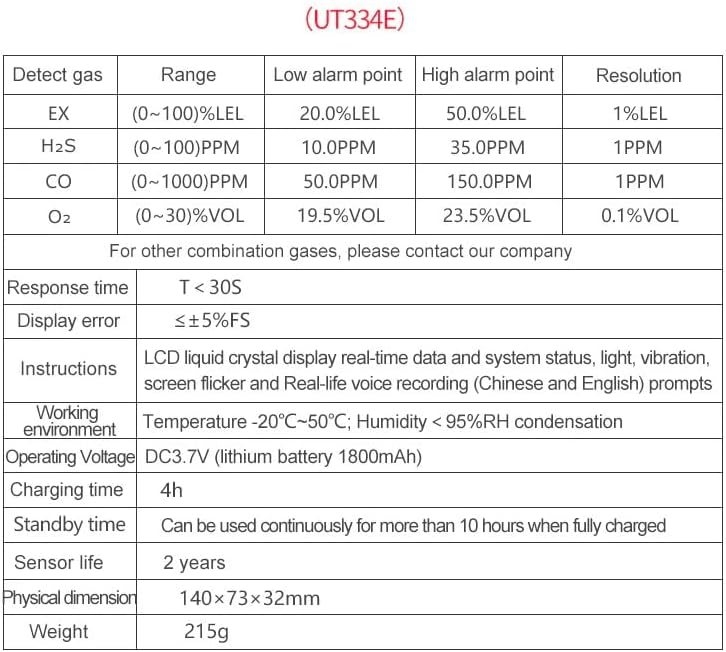
Image 8.1: Detailed technical specifications for the UT334E model, including detection parameters and operational characteristics.
9. Warranty and Support
UNI-T products are typically covered by a manufacturer's warranty. For specific warranty terms, technical support, or service inquiries, please refer to the documentation included with your product or visit the official UNI-T website. Keep your purchase receipt as proof of purchase for warranty claims.


