1. Introduction to the Guide
This manual serves as a companion guide to the AK Book AK525 FAQ 2: Fantasy Figures Painting Techniques. Authored by Arnau Lázaro, this 320-page book is designed to provide comprehensive insights and practical methods for painting fantasy miniature figures. It addresses frequently asked questions and offers detailed explanations to enhance your painting skills, from foundational concepts to advanced techniques.
The content within this guide is structured to help readers navigate the book's extensive information, focusing on key areas and methodologies presented by the author. It is intended for both novice and experienced figure painters seeking to refine their craft.
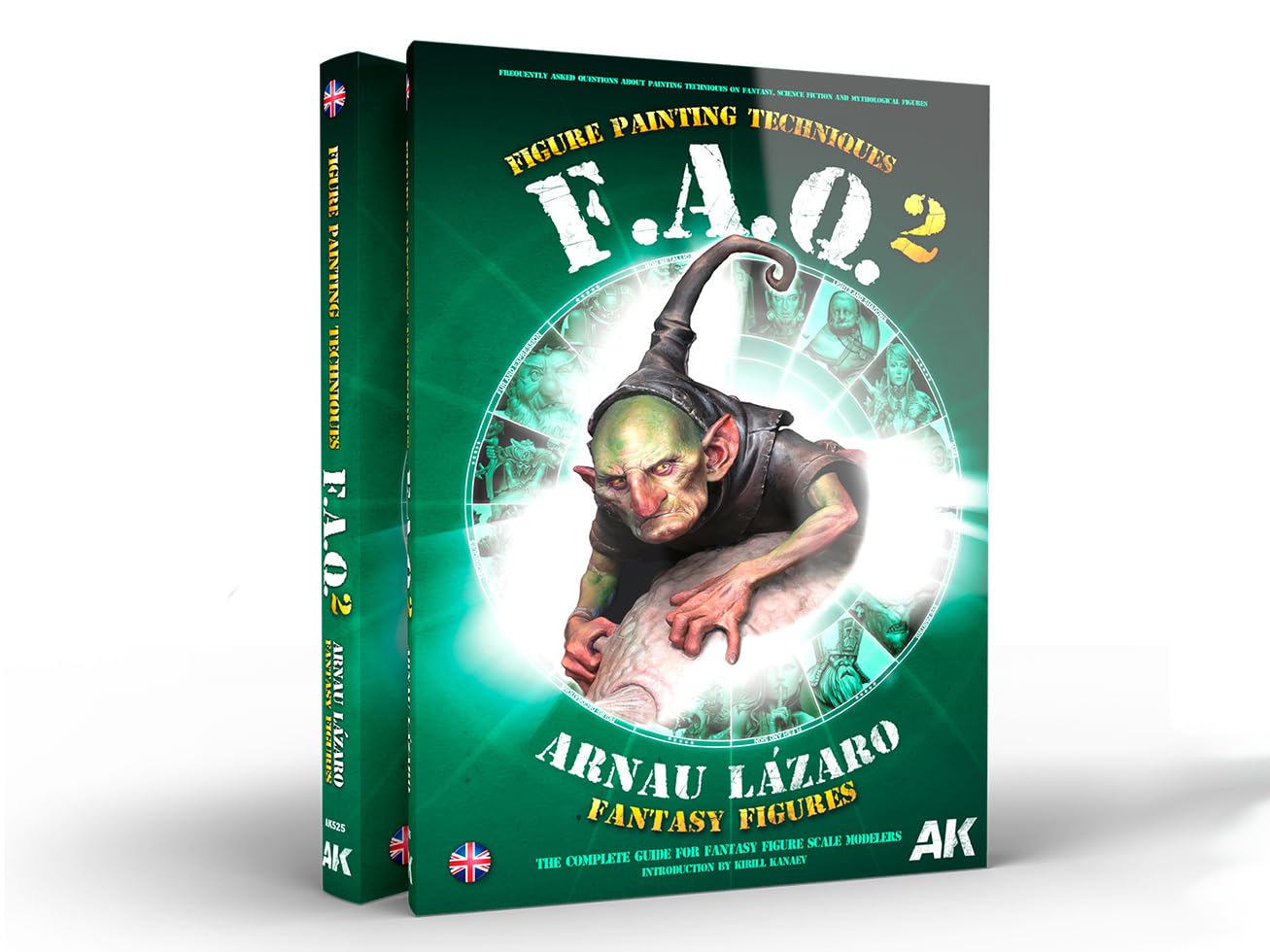
Figure 1.1: Front cover of the AK Book AK525 FAQ 2 Fantasy Figures Painting Techniques. This image displays the book's title, author, and a prominent illustration of a fantasy figure, indicating the subject matter of the guide.
2. Understanding Fundamental Concepts
Before delving into specific painting methods, it is crucial to grasp the underlying principles that govern effective figure painting. This section outlines the key factors discussed in the book that contribute to a successful and visually appealing miniature.
2.1. Key Factors in Figure Painting
The book emphasizes several critical elements that influence the final appearance of a painted figure. Understanding these factors allows for more deliberate and impactful artistic choices.

Figure 2.1: A page spread from the book illustrating the "Key Factors" section. This visual includes examples of painted fantasy figures and accompanying text discussing fundamental aspects such as color, technique, and volumetric interpretation.
- The Color: Discusses color theory, selection, and application to achieve desired moods and realism. Proper color choice is fundamental to bringing a figure to life.
- The Technique: Explores various painting techniques, including brushwork, layering, blending, and glazing, and how to apply them effectively to different surfaces and details.
- Volumetric Interpretation: Focuses on understanding light and shadow to create the illusion of three-dimensionality on a two-dimensional surface. This involves careful consideration of light sources and how they interact with the figure's form.
- Peculiarities of the Piece Itself: Addresses how the unique characteristics of each miniature, such as its sculpt, texture, and intended narrative, should influence the painting approach.
3. Core Painting Techniques
This section highlights specific painting techniques detailed in the AK Book AK525, providing an overview of their application and importance in achieving professional results.
3.1. The Sketch
The book introduces the concept of "the sketch" as a preliminary stage in figure painting. This involves planning the composition, color scheme, and overall mood before applying detailed paint layers. It is a crucial step for establishing a strong foundation and avoiding rework.
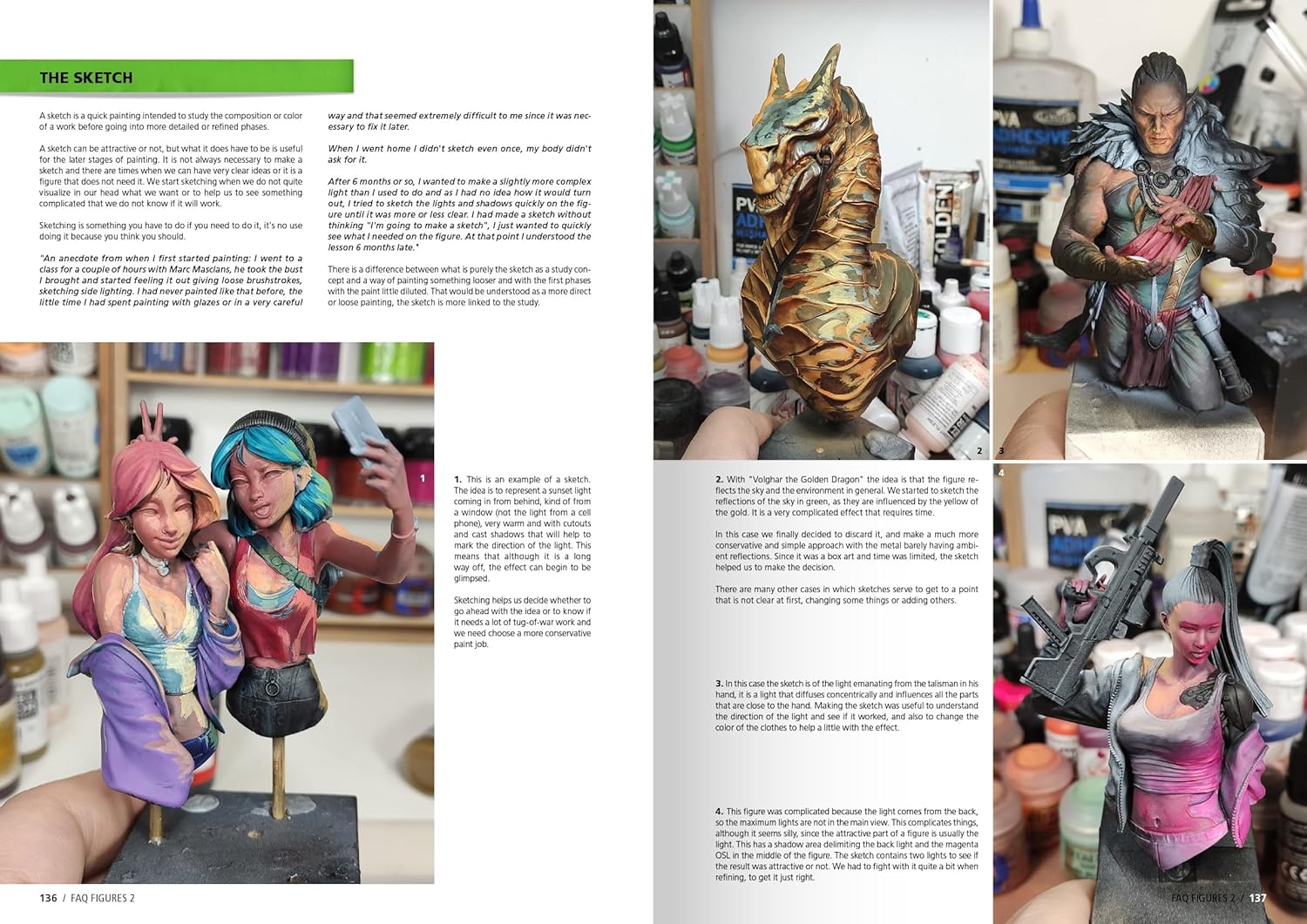
Figure 3.1: A visual representation of the "The Sketch" section from the book. This image displays various painted figures, demonstrating how initial planning and color blocking contribute to the final detailed work, emphasizing the importance of early conceptualization.
Key aspects of sketching include:
- Establishing primary light sources and shadow areas.
- Blocking in main colors to define the overall palette.
- Identifying areas that require more detail versus those that can remain simpler.
- Using the sketch to guide subsequent layers and ensure a cohesive final piece.
3.2. Painting Metals (Non-Metallic Metal - NMM)
The book provides in-depth instruction on painting metallic surfaces using the Non-Metallic Metal (NMM) technique. NMM aims to simulate the appearance of metal using only non-metallic paints, relying on precise light reflection and shadow placement to create the illusion of shine and reflectivity.

Figure 3.2: An example page from the book's "Metals in Figures (NMM)" section. This image showcases various fantasy figures painted with the Non-Metallic Metal technique, demonstrating how light and shadow are manipulated with non-metallic paints to achieve a realistic metallic effect.
Key principles of NMM include:
- Understanding how light interacts with reflective surfaces.
- Creating sharp contrasts between highlights and shadows.
- Using smooth blends to transition between tones.
- Considering environmental reflections to enhance realism.
4. Product Specifications
For reference, the following are the specifications of the AK Book AK525 FAQ 2: Fantasy Figures Painting Techniques.
| Specification | Detail |
|---|---|
| ASIN | B0C7N8CHCB |
| Publisher | AK Interactive |
| Language | English |
| Item Weight | 3.54 pounds |
| Number of Pages | 320 pages |


