
Singer C7225
Singer C7225 Computerized Sewing Machine User Manual
Model: C7225
Introduction
Thank you for choosing the Singer C7225 Computerized Sewing Machine. This manual provides comprehensive instructions for the safe operation, setup, maintenance, and troubleshooting of your new sewing machine. Please read this manual thoroughly before using the machine to ensure proper function and to maximize your sewing experience.
The Singer C7225 is designed for a wide range of sewing projects, offering advanced features and ease of use for both beginners and experienced sewers.
Important Safety Instructions
When using an electrical appliance, basic safety precautions should always be followed, including the following:
- Always unplug the sewing machine from the electrical outlet immediately after using and before cleaning, removing covers, or making any user servicing adjustments.
- Do not allow to be used as a toy. Close attention is necessary when this appliance is used by or near children.
- Use this appliance only for its intended use as described in this manual. Use only attachments recommended by the manufacturer as contained in this manual.
- Never operate this appliance if it has a damaged cord or plug, if it is not working properly, if it has been dropped or damaged, or dropped into water.
- Never operate the appliance with any air openings blocked. Keep ventilation openings of the sewing machine and foot controller free from the accumulation of lint, dust, and loose cloth.
- Keep fingers away from all moving parts. Special care is required around the sewing machine needle.
- Always use the proper needle plate. The wrong plate can cause the needle to break.
- Do not pull or push fabric while stitching. This may deflect the needle causing it to break.
- Turn the sewing machine off when making any adjustments in the needle area, such as threading the needle, changing the needle, threading the bobbin, or changing the presser foot.
- Always unplug the sewing machine from the electrical outlet when removing the covers, lubricating, or when making any other user servicing adjustments mentioned in the instruction manual.
Product Overview
Familiarize yourself with the main components of your Singer C7225 sewing machine.

Figure 1: Front view of the Singer C7225 sewing machine, showcasing the main body, needle area, and control panel with various stitch patterns.

Figure 2: Side view of the Singer C7225, highlighting the handwheel and the power input port at the rear.
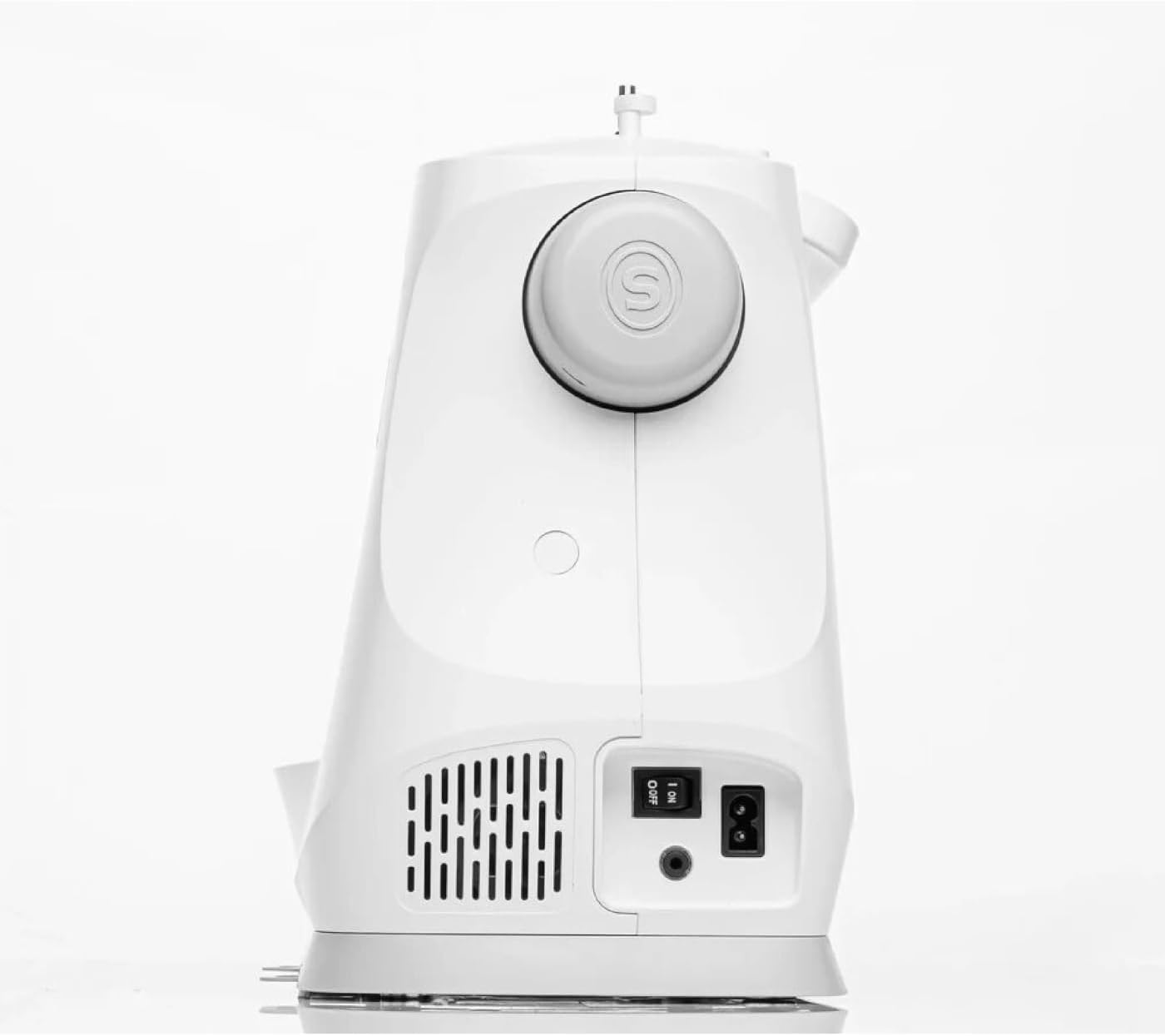
Figure 3: Rear view of the Singer C7225, showing the power switch and power cord connection point.

Figure 4: Close-up front view of the Singer C7225, focusing on the needle, presser foot, and bobbin area.
Key Components:
- Needle Plate: The metal plate under the needle, often with seam allowance guides.
- Presser Foot: Holds the fabric firmly against the feed dogs while sewing.
- Feed Dogs: Teeth-like mechanisms that move the fabric under the presser foot.
- Bobbin Case: Holds the bobbin, which supplies the lower thread.
- Thread Guides: Paths for the upper thread to follow from the spool to the needle.
- Tension Dial: Adjusts the tension of the upper thread.
- Handwheel: Manually raises and lowers the needle.
- Control Panel/LCD Screen: For selecting stitches, adjusting settings, and viewing information.
- Foot Controller Port: Where the foot pedal is connected.
- Power Switch: Turns the machine on and off.
Setup
1. Unpacking and Placement:
- Carefully remove the machine from its packaging. Retain all packaging materials for future storage or transport.
- Place the machine on a stable, flat surface with adequate lighting. Ensure there is enough space around the machine for fabric handling.
2. Power Connection:
- Locate the power cord and foot controller.
- Insert the foot controller plug into the foot controller port on the machine.
- Insert the power cord plug into the power input port on the machine.
- Plug the other end of the power cord into a suitable electrical outlet.
- Turn on the power switch, usually located on the side or rear of the machine. The LCD screen should illuminate.
3. Winding the Bobbin:
- Place a spool of thread on the spool pin.
- Follow the bobbin winding path indicated by the arrows on the machine.
- Place an empty bobbin onto the bobbin winding spindle.
- Push the bobbin winding spindle to the right.
- Press the foot controller or start/stop button to begin winding. Stop when the bobbin is full.
- Cut the thread and remove the bobbin.
4. Inserting the Bobbin:
- Open the bobbin cover plate.
- Insert the wound bobbin into the bobbin case, ensuring the thread unwinds in the correct direction (usually counter-clockwise).
- Guide the thread through the tension spring and into the thread guide slot.
- Replace the bobbin cover plate.
5. Threading the Upper Thread:
- Raise the presser foot lifter.
- Place a spool of thread on the spool pin.
- Follow the numbered threading path indicated on the machine, ensuring the thread passes through all guides and the take-up lever.
- Thread the needle from front to back using the automatic needle threader if available, or manually.
- Pull about 6 inches of thread through the needle eye.
6. Bringing Up the Bobbin Thread:
- Hold the upper thread lightly.
- Turn the handwheel towards you to lower the needle into the needle plate and then raise it again.
- The upper thread will catch the bobbin thread, forming a loop. Pull the loop up through the needle plate opening.
- Pull both upper and bobbin threads under the presser foot and towards the back of the machine.
Operating Instructions
1. Selecting a Stitch:
- Turn on the machine.
- Use the stitch selection buttons or dial on the control panel to choose your desired stitch. The selected stitch will be displayed on the LCD screen.
- The C7225 offers a wide variety of utility, decorative, and alphanumeric stitches.
2. Adjusting Stitch Settings:
- Stitch Length: Adjust the length of each stitch using the dedicated buttons. Longer stitches are for basting or thicker fabrics, shorter for fine details.
- Stitch Width: Adjust the width for zigzag or decorative stitches.
- Thread Tension: The machine typically sets tension automatically, but manual adjustment may be needed for specific fabrics or threads. Refer to the tension dial.
- Needle Position: Adjust the needle position (left, center, right) for certain techniques like topstitching or zipper insertion.
3. Starting to Sew:
- Place the fabric under the presser foot, aligning the edge with a seam guide on the needle plate.
- Lower the presser foot.
- Press the foot controller gently or press the Start/Stop button to begin sewing.
- Guide the fabric gently with both hands, but do not push or pull it. Allow the feed dogs to move the fabric.
- To reverse stitch (for securing seams), press and hold the reverse button.
- When finished, press the Start/Stop button or release the foot controller.
- Raise the needle to its highest position using the handwheel.
- Raise the presser foot.
- Pull the fabric towards the back and cut the threads using the thread cutter on the machine.
4. Changing Needles and Presser Feet:
- Changing Needles: Always turn off the machine before changing the needle. Loosen the needle clamp screw, remove the old needle, insert the new needle with the flat side facing the back, and tighten the screw. Use the correct needle type and size for your fabric.
- Changing Presser Feet: Raise the presser foot lifter. Press the release button on the back of the presser foot holder to detach the current foot. Position the new presser foot under the holder and lower the presser foot lifter until it snaps into place.
Maintenance
Regular maintenance ensures the longevity and optimal performance of your sewing machine.
1. Cleaning:
- After Each Use: Use a small brush to remove lint and dust from the bobbin area and under the needle plate.
- Regularly: Remove the needle plate and clean the feed dogs and bobbin case area thoroughly. A small vacuum attachment can be helpful.
- Exterior: Wipe the exterior of the machine with a soft, damp cloth. Do not use harsh chemicals.
2. Oiling:
The Singer C7225 is largely self-lubricating. Refer to the full instruction manual for specific oiling points if necessary. Over-oiling can cause issues.
3. Storage:
When not in use, cover the machine with a dust cover to protect it from dust and debris. Store in a dry, cool place.
Troubleshooting
This section addresses common issues you might encounter. For more complex problems, contact customer support.
| Problem | Possible Cause | Solution |
|---|---|---|
| Machine not sewing / No power | Power cord not plugged in; Power switch off; Foot controller not connected. | Check all power connections; Turn on power switch; Ensure foot controller is securely plugged in. |
| Skipped stitches | Incorrect needle; Needle bent or dull; Machine not threaded correctly; Incorrect tension. | Change needle to correct type/size; Replace bent/dull needle; Re-thread machine completely; Adjust tension. |
| Thread breaking | Improper threading; Thread tension too tight; Needle bent or wrong size; Poor quality thread. | Re-thread machine; Loosen upper tension; Replace needle; Use good quality thread. |
| Fabric not feeding | Presser foot not lowered; Feed dogs lowered; Lint under needle plate. | Lower presser foot; Raise feed dogs; Clean under needle plate. |
| Bobbin thread tangling | Bobbin incorrectly inserted; Bobbin case dirty; Upper tension too loose. | Re-insert bobbin correctly; Clean bobbin case; Tighten upper tension. |
Specifications
| Feature | Detail |
|---|---|
| Brand | Singer |
| Model | C7225 |
| Color | White |
| Material | Iron |
| Weight | 8 Kilograms |
| Dimensions (L x W x H) | 20P x 28l x 22H centimeters (Approximate) |
| Power Source | Electric Cable |
| Type | Computerized Sewing Machine |
| Spare Parts Availability (EU) | 2 Years |
Warranty and Support
Warranty Information: The Singer C7225 sewing machine comes with a manufacturer's warranty. Please refer to the warranty card included with your purchase for specific terms, conditions, and duration. Keep your proof of purchase for warranty claims.
Customer Support: For technical assistance, spare parts, or service, please contact Singer customer support. Contact details can typically be found on the Singer official website or on the warranty card.
Online Resources: Visit the official Singer website for additional resources, including FAQs, video tutorials, and updated information about your C7225 model.
Related documentsC7225


Ask a question about this manual
Ask about setup, troubleshooting, compatibility, parts, safety, or missing instructions. Manuals+ will review the question and use this page’s manual context to help answer it.