
1. Introduction
This manual provides essential information for the safe and efficient installation, operation, and maintenance of your U.S. Solid 1-inch 3-Way Stainless Steel Motorized Ball Valve. Please read this manual thoroughly before installation and operation to ensure proper function and to prevent damage or injury. Keep this manual for future reference.
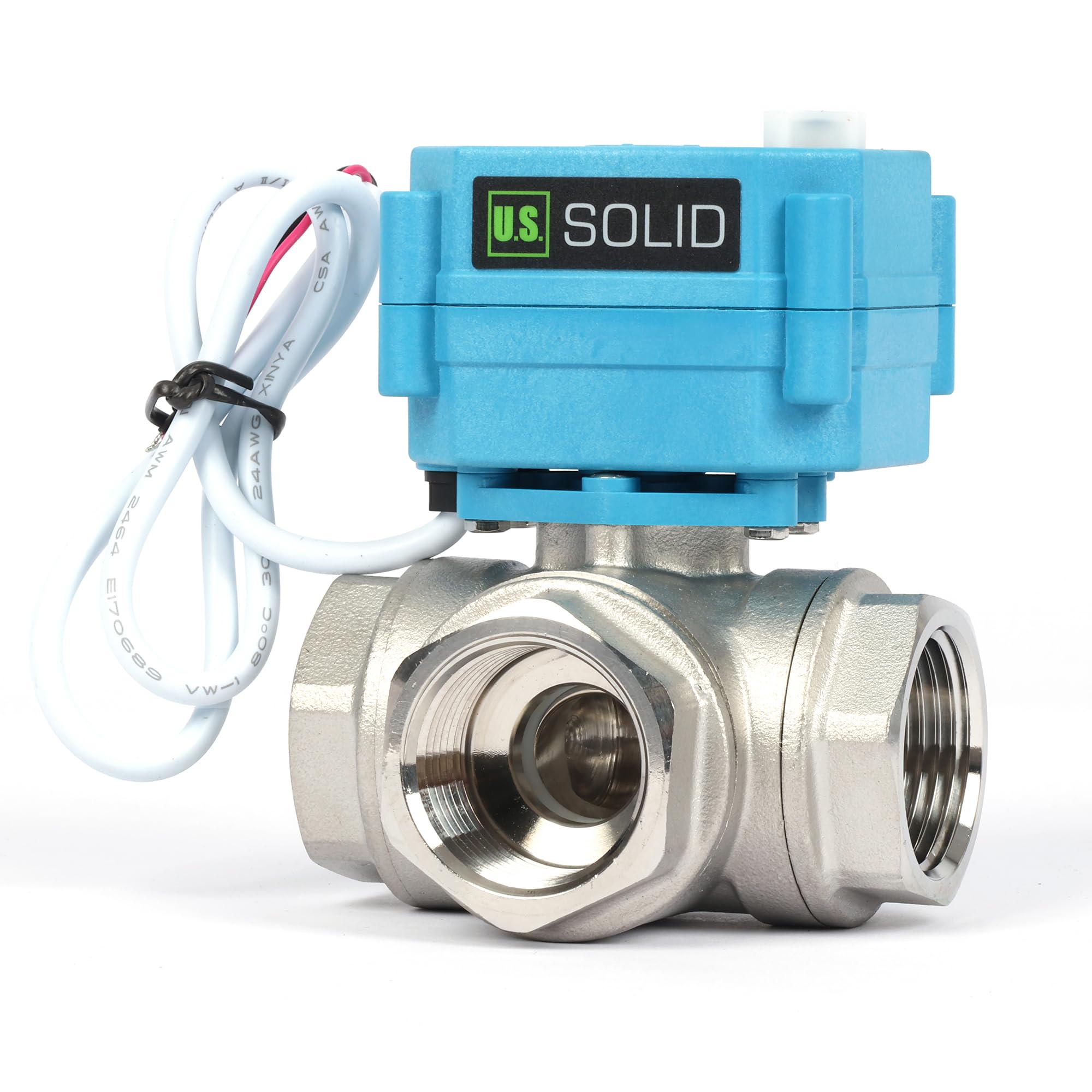
Figure 1: Front view of the U.S. Solid 1-inch 3-way motorized ball valve.
2. Safety Information
Always observe the following safety precautions to reduce the risk of electric shock, fire, or injury.
- Electrical Safety: Ensure power is disconnected before installation, maintenance, or troubleshooting. All electrical wiring should be performed by a qualified electrician and comply with local codes and regulations.
- Pressure Safety: Do not exceed the maximum operating pressure of 145 PSI. Depressurize the system before installing or servicing the valve.
- Temperature: Ensure the operating temperature of the fluid and environment is within the valve's specified limits.
- Proper Use: Use the valve only for its intended purpose as a fluid control device. Do not use it for applications involving highly corrosive or flammable substances unless specifically rated for such use.
- Installation: Ensure the valve is installed securely and correctly to prevent leaks or mechanical failure.
3. Product Overview
The U.S. Solid 3-way motorized ball valve is designed for controlling fluid flow direction in various applications. It features an L-type port configuration, allowing for fluid diversion between two outlets from a single inlet, or combining two inlets into one outlet. The valve is constructed from durable stainless steel and operates on AC110-230V power.
Key Features:
- 3-Way L-Type Flow: Enables fluid diversion or mixing.
- Stainless Steel Construction: Ensures durability and resistance to corrosion.
- Motorized Operation: Electric actuator for automated control.
- Manual Override: Allows for manual operation in case of power failure.
- Built-in Capacitor Return: Provides reliable operation.
- 2-Wire Control: Simple electrical connection with position feedback wires.

Figure 2: Side view of the valve showing the motor and wiring.

Figure 3: L-type flow patterns. Water can enter from the bottom port and be diverted, or enter from side ports and combine.
4. Setup and Installation
Follow these steps for proper installation of the motorized ball valve.
- Preparation: Ensure the power supply is disconnected. Depressurize and drain the fluid system where the valve will be installed.
- Mounting: Securely mount the valve in the desired position. The valve can be installed in any orientation, but ensure adequate space for wiring and manual override access.
- Pipe Connection: Connect the valve to the piping system using appropriate threaded connections. Apply thread sealant (e.g., PTFE tape) to ensure a leak-free seal. Tighten connections firmly but do not overtighten.
- Electrical Wiring: The valve uses a 2-wire control system. Connect the power wires (AC110-230V) to the actuator terminals as indicated on the valve's label or wiring diagram. The valve is designed to switch flow when power is applied and return to its default position when power is disconnected.
- Testing: After installation, slowly repressurize the system and check for leaks. Restore power and test the valve's operation to ensure it opens and closes correctly and diverts flow as intended.

Figure 4: Angled view of the valve, highlighting the L-type port configuration for fluid connections.
5. Operating Instructions
The U.S. Solid motorized ball valve operates based on electrical input to control the flow path.
Automatic Operation:
- When power (AC110-230V) is applied to the valve, the internal motor rotates the ball to a specific position, typically allowing water to flow through the left port (from the bottom inlet).
- When power is disconnected, the built-in capacitor returns the valve to its default position, typically switching the flow to the right port (from the bottom inlet).
- Refer to the wiring diagram on the actuator for specific flow directions relative to power application.
Manual Override:
In case of power failure or for manual positioning, the valve includes a manual override function.
- Locate the manual override lever or knob on the actuator (refer to Figure 5).
- Follow the directional arrows or instructions on the actuator to manually rotate the ball to the desired position.
- Ensure the power is disconnected before using the manual override.

Figure 5: Actuator label showing model, electrical specifications, and manual override indicator.
6. Maintenance
The U.S. Solid motorized ball valve is designed for long-term, reliable operation with minimal maintenance. However, periodic checks can extend its lifespan and ensure optimal performance.
- Regular Inspection: Periodically inspect the valve for any signs of leaks, corrosion, or damage to the body or actuator.
- Electrical Connections: Check electrical connections for tightness and ensure wiring is free from damage or wear.
- Cleaning: Keep the exterior of the actuator clean and free from dust or debris. Do not use harsh chemicals that could damage the housing.
- Actuator Function: Occasionally cycle the valve to ensure the motor and ball mechanism operate smoothly.
- Storage: If storing the valve for an extended period, ensure it is in a dry, clean environment within its specified temperature range.

Figure 6: IP67 Ingress Protection rating, indicating the valve's resistance to dust and water immersion.
7. Troubleshooting
If you encounter issues with your motorized ball valve, refer to the following common problems and solutions.
| Problem | Possible Cause | Solution |
|---|---|---|
| Valve does not operate when power is applied. | No power supply; incorrect wiring; motor malfunction. | Check power connection and voltage. Verify wiring against diagram. If motor is faulty, contact support. |
| Valve leaks from connections. | Improperly tightened connections; insufficient thread sealant; damaged threads. | Depressurize system. Re-tighten connections with appropriate thread sealant. Inspect threads for damage. |
| Valve does not fully open or close. | Obstruction in flow path; actuator misalignment; internal damage. | Check for debris in the valve. Verify actuator is correctly mounted. If problem persists, contact support. |
| Unusual noise during operation. | Motor wear; foreign object; excessive pressure. | Inspect for foreign objects. Check system pressure. If noise persists, contact support. |
If the problem cannot be resolved using the troubleshooting guide, please contact U.S. Solid customer support.
8. Specifications
Technical specifications for the U.S. Solid 1-inch 3-Way Motorized Ball Valve.
| Specification | Value |
|---|---|
| Model Number | USS-L Type |
| Material | Stainless Steel |
| Size | 1 inch |
| Voltage | AC110-230V |
| Number of Ports | 3 |
| Inlet Connection Type | Threaded |
| Outlet Connection Type | Standard Port |
| Maximum Operating Pressure | 145 PSI |
| Item Dimensions (L x W x H) | 3.3 x 2.8 x 7 inches |
| Item Weight | 2.16 pounds |
| Specification Met | ASME B16.5, ASTM A270/A270M |
| UPC | 888107104469 |
9. Warranty and Support
For warranty information, technical support, or service inquiries, please contact U.S. Solid customer service through their official website or the retailer where the product was purchased. Please have your model number (USS-L Type) and purchase date available when contacting support.


