
Singer 6335M
Singer Heavy Duty HD6335M Sewing Machine
User Manual
Introduction
Welcome to the user manual for your new Singer Heavy Duty HD6335M Sewing Machine. This machine is engineered for durability and performance, especially designed to handle heavy fabrics like denim, canvas, and multiple layers with ease. Please read this manual thoroughly before operating your machine to ensure safe and efficient use and to maximize its lifespan.
For optimal performance and safety, always follow the instructions provided. Keep this manual for future reference.
Important Safety Instructions
When using an electrical appliance, basic safety precautions should always be followed, including the following:
- Always unplug the sewing machine from the electrical outlet immediately after using and before cleaning, removing covers, lubricating, or making any other user servicing adjustments.
- Do not allow to be used as a toy. Close attention is necessary when this appliance is used by or near children.
- Use this appliance only for its intended use as described in this manual. Use only attachments recommended by the manufacturer as contained in this manual.
- Never operate this appliance if it has a damaged cord or plug, if it is not working properly, if it has been dropped or damaged, or dropped into water.
- Never drop or insert any object into any opening.
- Do not use outdoors.
- Do not operate where aerosol (spray) products are being used or where oxygen is being administered.
- To disconnect, turn all controls to the off position, then remove plug from outlet.
- Keep fingers away from all moving parts. Special care is required around the sewing machine needle.
- Always use the proper needle plate. The wrong plate can cause the needle to break.
- Do not pull or push fabric while stitching. This may deflect the needle causing it to break.
- Turn the sewing machine off when making any adjustments in the needle area, such as threading the needle, changing the needle, threading the bobbin, or changing the presser foot.
Product Overview
The Singer Heavy Duty HD6335M is a robust sewing machine designed for demanding projects. Its internal metal frame provides stability and durability, ensuring consistent performance even with thick materials.

Figure 1: Front view of the Singer Heavy Duty HD6335M Sewing Machine, showcasing its grey exterior and control dials.

Figure 2: Internal view of the sewing machine, highlighting the heavy-duty metal frame for enhanced stability and longevity.
Key components include the stitch selector dial, tension dial, reverse lever, needle plate, and various presser feet.
Setup
1. Unpacking and Placement
- Carefully remove the machine from its packaging.
- Place the machine on a stable, flat surface.
- Ensure there is adequate space around the machine for comfortable operation.
2. Power Connection
- Connect the power cord to the machine and then to a suitable electrical outlet.
- Connect the foot controller to the machine.
3. Winding the Bobbin
- Place a spool of thread on the spool pin.
- Follow the winding path indicated on the machine.
- Place an empty bobbin onto the bobbin winder spindle and push it to the right.
- Press the foot controller to wind the bobbin. Stop when the bobbin is full.
4. Inserting the Bobbin

Figure 3: Demonstrates the process of inserting the bobbin into the bobbin case located under the needle plate.
- Open the bobbin cover plate.
- Insert the wound bobbin into the bobbin case, ensuring the thread unwinds in the correct direction (usually counter-clockwise).
- Guide the thread through the tension spring and into the thread guide.
- Close the bobbin cover plate.
5. Threading the Upper Thread
- Raise the presser foot lifter.
- Place a spool of thread on the spool pin.
- Follow the numbered threading path on the machine, ensuring the thread passes through all guides and the take-up lever.
- Thread the needle from front to back.
- Pull the bobbin thread up through the needle plate opening by turning the handwheel towards you to lower and raise the needle.
Operating Instructions
1. Selecting a Stitch
- Turn the stitch selector dial to choose your desired stitch pattern.
- Adjust the stitch length and width dials as needed for your project.
2. Adjusting Thread Tension
- The tension dial controls the balance between the upper and bobbin threads.
- Adjust the tension based on your fabric and thread type. A balanced stitch will have both threads meeting evenly between the fabric layers.
3. Sewing Basics
- Place your fabric under the presser foot.
- Lower the presser foot.
- Lower the needle into the fabric using the handwheel.
- Press the foot controller to begin sewing.
- Use the reverse lever to backstitch and secure your seams.
4. Using the One-Step Buttonhole Foot
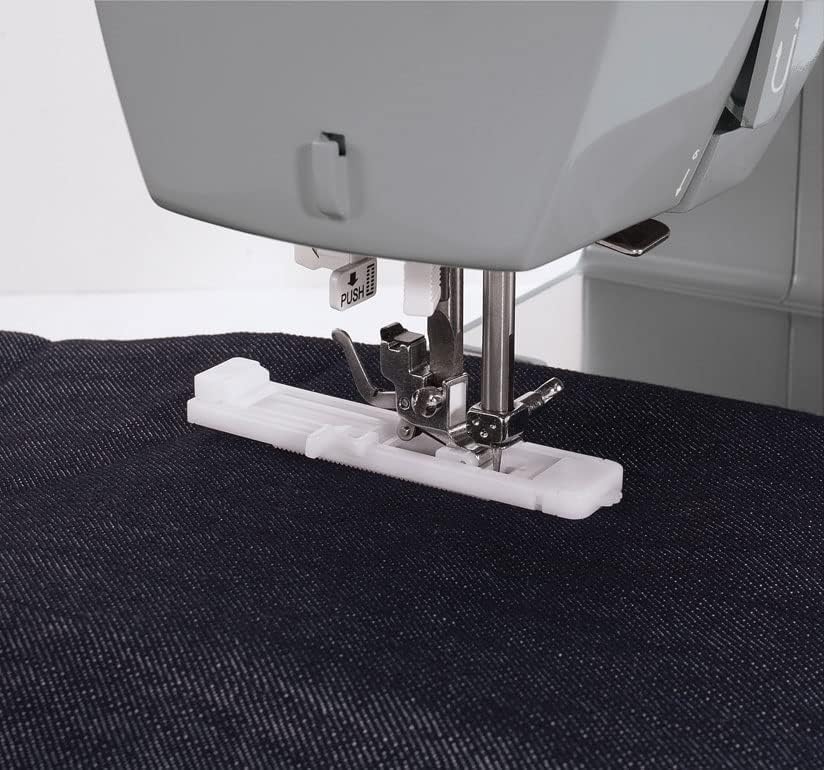
Figure 4: The one-step buttonhole foot attached to the machine, ready for automatic buttonhole creation.
- Attach the one-step buttonhole foot.
- Insert the button you wish to use into the back of the buttonhole foot.
- Select the buttonhole stitch on the stitch selector dial.
- The machine will automatically sew a buttonhole to the size of your button.
5. Using the Overlock Foot

Figure 5: The overlock foot in use, demonstrating its ability to finish fabric edges and prevent fraying.
- Attach the overlock foot.
- Select an overlock or zigzag stitch.
- This foot helps to create neat, finished edges on your fabric, preventing fraying.
6. Sewing Heavy Fabrics

Figure 6: The machine effortlessly sewing through multiple layers of denim, showcasing its heavy-duty capability.
- For heavy fabrics like denim or canvas, use a strong, sharp needle (e.g., a denim needle) appropriate for the fabric thickness.
- Adjust the stitch length to be slightly longer for thicker materials.
- Ensure proper thread tension to avoid skipped stitches or thread breakage.
Maintenance
1. Cleaning the Machine
- Always unplug the machine before cleaning.
- Regularly remove the needle plate and bobbin case to clean out lint and dust with a small brush.
- Wipe the exterior of the machine with a soft, dry cloth.
2. Lubrication
- Refer to the specific lubrication points indicated in your machine's detailed diagram (if available).
- Use only high-quality sewing machine oil.
- Apply a small drop of oil to designated moving parts as recommended.
3. Needle Replacement
- Change the needle frequently, especially when sewing different fabric types or if the needle becomes dull or bent.
- Use only genuine Singer needles or high-quality universal needles appropriate for your machine.
Troubleshooting
| Problem | Possible Cause | Solution |
|---|---|---|
| Skipped Stitches | Incorrect needle, bent needle, improper threading, wrong needle size for fabric. | Change needle, re-thread machine, use correct needle type/size. |
| Thread Breaking | Incorrect threading, too high tension, poor quality thread, bent needle, burr on needle plate. | Re-thread machine, adjust tension, use good quality thread, change needle, check needle plate for damage. |
| Bobbin Thread Looping/Tangling | Improper bobbin insertion, incorrect upper thread tension, lint in bobbin case. | Re-insert bobbin correctly, adjust upper tension, clean bobbin case. |
| Machine Not Feeding Fabric | Feed dogs lowered, presser foot not lowered, stitch length set to zero. | Raise feed dogs, lower presser foot, adjust stitch length. |
Specifications
| Feature | Detail |
|---|---|
| Brand | Singer |
| Model Number | 6335M |
| Color | Grey |
| Material | Plastic, Metal (Heavy Duty Metal Frame) |
| Dimensions (L x W x H) | 15 x 30 x 30 cm (approx. 20P x 30l x 25H cm) |
| Item Weight | 7 Kilograms |
| Power Source | Electric |
| Special Features | Heavy Duty Motor, One-Step Buttonhole, Overlock Foot included, Extension Table |
Warranty and Support
Warranty Information
The Singer Heavy Duty HD6335M sewing machine typically comes with a manufacturer's warranty. Based on available information, spare parts availability is indicated for 2 years. Please refer to your purchase documentation or contact the retailer for specific warranty terms and conditions applicable to your region.
Customer Support
For technical assistance, troubleshooting beyond this manual, or warranty claims, please contact Singer customer support or your authorized dealer. Have your machine's model number (HD6335M) and serial number ready when contacting support.
You may also find additional resources and FAQs on the official Singer website.
Related documents6335M


Ask a question about this manual
Ask about setup, troubleshooting, compatibility, parts, safety, or missing instructions. Manuals+ will review the question and use this page’s manual context to help answer it.