
1. Product Overview
This manual provides essential information for the installation, operation, and maintenance of your new Generic replacement carburetor. This carburetor is designed to be compatible with specific Troy-Bilt Chipper Vac and Tiller models, ensuring proper fuel delivery to your engine.
Included in Package: 1x Carburetor
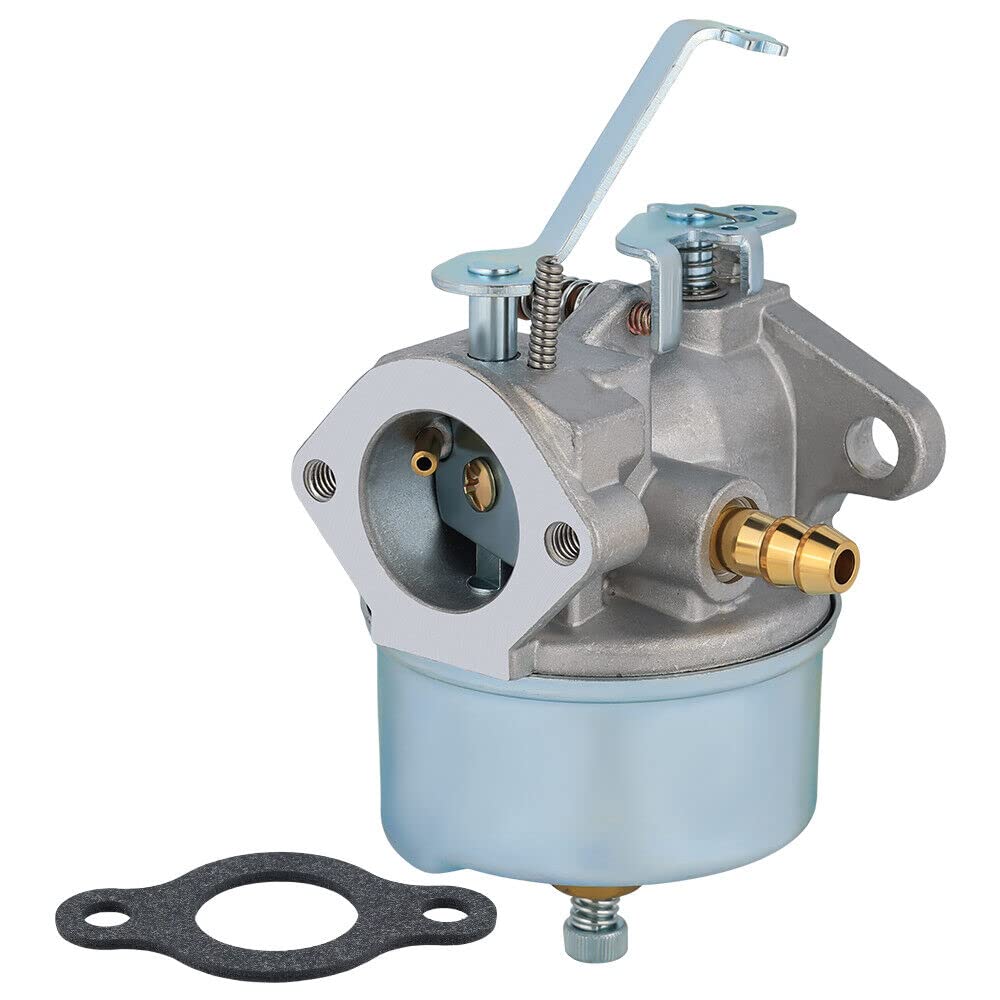
Image 1.1: Generic replacement carburetor. This image displays the carburetor unit, showing its various components such as the fuel inlet, choke lever, and mounting points, ready for installation.
2. Compatibility
This replacement carburetor is specifically designed for the following Troy-Bilt equipment models:
- Troy-Bilt Chipper Vac 47279
- Troy-Bilt Chipper Vac 47261
- Troy-Bilt Shredder Horse Tiller 65582V
Please verify your equipment's model number before installation to ensure proper fit and function. OEM part numbers are used for identification purposes only; this is a high-quality aftermarket replacement part.
3. Safety Information
WARNING: Always prioritize safety when working with fuel systems and internal combustion engines. Failure to follow safety precautions can result in serious injury or property damage.
- Disconnect Spark Plug: Before beginning any work, always disconnect the spark plug wire to prevent accidental engine starting.
- Fuel Handling: Gasoline is highly flammable. Work in a well-ventilated area, away from open flames, sparks, or other ignition sources. Use an approved container for draining fuel.
- Eye Protection: Wear safety glasses to protect your eyes from fuel splashes or debris.
- Gloves: Wear appropriate gloves to protect your hands from fuel and sharp edges.
- Ventilation: Ensure adequate ventilation to avoid inhaling fuel vapors.
- Hot Surfaces: Allow the engine to cool completely before working on it to avoid burns.
- Professional Assistance: If you are unsure about any step, consult a qualified service technician.
4. Setup and Installation
This section outlines the general steps for replacing a carburetor. Specific procedures may vary slightly depending on your exact equipment model. Refer to your equipment's original service manual for detailed instructions.
- Preparation:
- Ensure the engine is cool.
- Disconnect the spark plug wire.
- Turn off the fuel supply valve (if equipped) and drain the fuel tank into an approved container.
- Access the Carburetor:
- Remove any air filter housing, shrouds, or other components obstructing access to the carburetor.
- Carefully disconnect the fuel line(s) from the carburetor. Be prepared for residual fuel to spill.
- Remove Old Carburetor:
- Disconnect the throttle linkage and choke linkage from the carburetor. Note their positions for reassembly.
- Unbolt the carburetor from the engine manifold. There may be gaskets between the carburetor and the engine, and between the carburetor and the air filter housing.
- Remove the old carburetor and discard old gaskets.
- Install New Carburetor:
- Ensure all mating surfaces are clean.
- Install new gaskets (not included, typically reused or purchased separately) in the correct positions.
- Mount the new carburetor to the engine manifold, ensuring it is seated correctly. Tighten mounting bolts securely but do not overtighten.
- Reconnect the throttle and choke linkages. Verify smooth operation.
- Reconnect the fuel line(s). Secure with clamps if necessary.
- Reassembly and Test:
- Reinstall any removed shrouds, air filter housing, and air filter.
- Refill the fuel tank with fresh, appropriate fuel.
- Reconnect the spark plug wire.
- Turn on the fuel supply valve.
- Start the engine according to your equipment's operating instructions.
If the engine does not start or runs poorly, refer to the Troubleshooting section.
5. Operating (Basic Adjustment)
Most replacement carburetors are pre-set for general operation. However, minor adjustments may be necessary for optimal performance, especially at different altitudes or with varying fuel types. Consult your equipment's original manual for specific adjustment procedures.
Common Adjustments (if applicable):
- Idle Speed Screw: Adjusts the engine's RPM at idle. Turn clockwise to increase idle speed, counter-clockwise to decrease.
- Mixture Screws (High/Low Speed): Some carburetors have adjustable mixture screws. These control the fuel-to-air ratio. Adjusting these typically involves turning them in until lightly seated, then backing them out a specified number of turns (e.g., 1.5 turns). Fine-tuning is often done with the engine running, listening for smooth operation.
CAUTION: Improper carburetor adjustments can lead to engine damage. If you are unfamiliar with these adjustments, seek professional assistance.
6. Maintenance
Regular maintenance of your carburetor ensures reliable performance and extends its lifespan.
- Fuel Quality: Always use fresh, clean fuel. Stale or contaminated fuel is a primary cause of carburetor issues. Consider using a fuel stabilizer, especially during storage.
- Fuel Filter: Regularly inspect and replace the fuel filter (if equipped) to prevent debris from reaching the carburetor.
- Air Filter: A clean air filter is crucial. A clogged air filter can cause the engine to run rich and affect carburetor performance. Clean or replace as recommended by your equipment's manufacturer.
- Carburetor Cleaning: If the carburetor becomes clogged, it may require cleaning. This typically involves disassembling the carburetor, cleaning jets and passages with carburetor cleaner, and replacing gaskets. This is an advanced procedure; professional service is recommended if you are not experienced.
- Storage: Before long-term storage, run the engine until it runs out of fuel, or drain the fuel system completely to prevent fuel degradation and gumming in the carburetor.
7. Troubleshooting
This section addresses common issues that may arise after carburetor installation or during operation.
| Problem | Possible Cause | Solution |
|---|---|---|
| Engine will not start |
|
|
| Engine runs rough or stalls |
|
|
| Engine lacks power |
|
|
If these steps do not resolve the issue, professional service may be required.
8. Specifications
| Feature | Detail |
|---|---|
| Brand | Generic |
| Compatible Vehicle Type | ATV (Note: This carburetor is listed for Troy-Bilt Chipper Vacs/Tillers, which are typically not ATVs. Please ensure compatibility with your specific equipment model.) |
| Manufacturer | Turbo Parts Store |
| UPC | 705182660997 |
| ASIN | B0BSNYFFYC |
9. Warranty Information
Specific warranty details for this Generic replacement carburetor are not provided in the product information. Please refer to the seller's return policy or contact the seller directly for any warranty-related inquiries.
The product description states: "Your purchase is 100% protected." For details on this protection, please contact the seller.
10. Support
For technical assistance, troubleshooting beyond this manual, or questions regarding your purchase, please contact the seller, Jers Parts, through the platform where the purchase was made. Provide your order number and product details for faster service.