
1. Introduction
Thank you for choosing the ORICO USB C Docking Station 9-in-1. This device is designed to expand the connectivity of your USB-C enabled laptop, tablet, or smartphone, providing a comprehensive solution for various peripheral connections, display output, network access, and power delivery. Please read this manual carefully before use to ensure proper operation and to maximize the product's capabilities.
2. Product Overview
The ORICO USB C Docking Station 9-in-1 integrates multiple essential ports into a single compact unit. It connects to your host device via a single USB-C cable, offering a versatile expansion of your device's capabilities.

Figure 2.1: ORICO 9-in-1 USB C Docking Station with port labels.
Port Functions:
- 1 x HDMI Port (4K@30Hz): Connect to an external monitor, TV, or projector for high-definition video output.
- 1 x VGA Port (1080P): Connect to an external monitor or projector for video output.
- 3 x USB 3.0 Ports (5Gbps): Connect USB peripherals such as keyboards, mice, flash drives, or external hard drives for high-speed data transfer.
- 1 x USB-C Power Delivery (PD) Port (Up to 100W): Charge your host laptop or device while using the docking station. Requires a compatible USB-C power adapter (not included).
- 1 x Gigabit Ethernet Port (10/100/1000Mbps): Provides a stable and fast wired network connection.
- 1 x SD Card Reader: For reading standard SD memory cards.
- 1 x Micro SD (TF) Card Reader: For reading Micro SD memory cards. SD and TF card readers can operate simultaneously.
3. Compatibility Requirements
This docking station requires your host device (laptop, tablet, or smartphone) to have a Full-featured USB Type-C port. A full-featured USB-C port supports DisplayPort Alternate Mode (DP Alt Mode) for video output, USB Power Delivery for charging, and data transfer protocols.
If your device's USB-C port only supports data transfer or charging, the video output and other related functions of this docking station will not be available.

Figure 3.1: USB-C Port Functionality Guide. Ensure your device's USB-C port supports full functionality for optimal use.
4. Setup Instructions
- Connect the Docking Station to Your Host Device: Plug the integrated USB-C cable of the docking station into a full-featured USB-C port on your laptop, tablet, or smartphone.
- Connect External Display (Optional): If you wish to use an external monitor, connect an HDMI cable from your monitor to the docking station's HDMI port, or a VGA cable to the VGA port.
- Connect Power Adapter (Optional): For charging your host device and ensuring stable operation of high-power peripherals, connect your original USB-C power adapter to the docking station's USB-C PD port.
- Connect Peripherals (Optional): Plug in your USB devices (keyboard, mouse, flash drive, etc.) into the USB 3.0 ports. Insert SD or Micro SD cards into their respective slots. Connect an Ethernet cable to the Gigabit Ethernet port for a wired network connection.

Figure 4.1: Example setup with a laptop connected to the docking station and an external monitor.
5. Operating Instructions
5.1 Video Output (HDMI & VGA)
The docking station supports extending or mirroring your display to external monitors via HDMI and VGA ports. Your operating system's display settings will allow you to configure these modes.
- Mirror Mode: Duplicates your host device's screen onto the external display(s).
- Extend Mode: Extends your desktop across multiple screens, allowing for increased workspace.
Note: When using both HDMI and VGA simultaneously, the maximum resolution may be limited, and the displays will typically mirror each other. For Windows OS in Mirror mode, the monitor resolution will be consistent with the laptop's resolution.

Figure 5.1: Illustration of Mirror Mode and Extend Mode for dual display setup.
5.2 USB 3.0 Data Transfer
Connect your USB 3.0 compatible devices to the three USB 3.0 ports for data transfer speeds up to 5Gbps. These ports are backward compatible with USB 2.0 devices.

Figure 5.2: High-speed data transfer using USB 3.0 ports.
5.3 Gigabit Ethernet Connection
For a stable and reliable internet connection, plug an Ethernet cable into the Gigabit Ethernet port. This provides speeds of 10/100/1000Mbps, ideal for situations where Wi-Fi is unstable or unavailable.
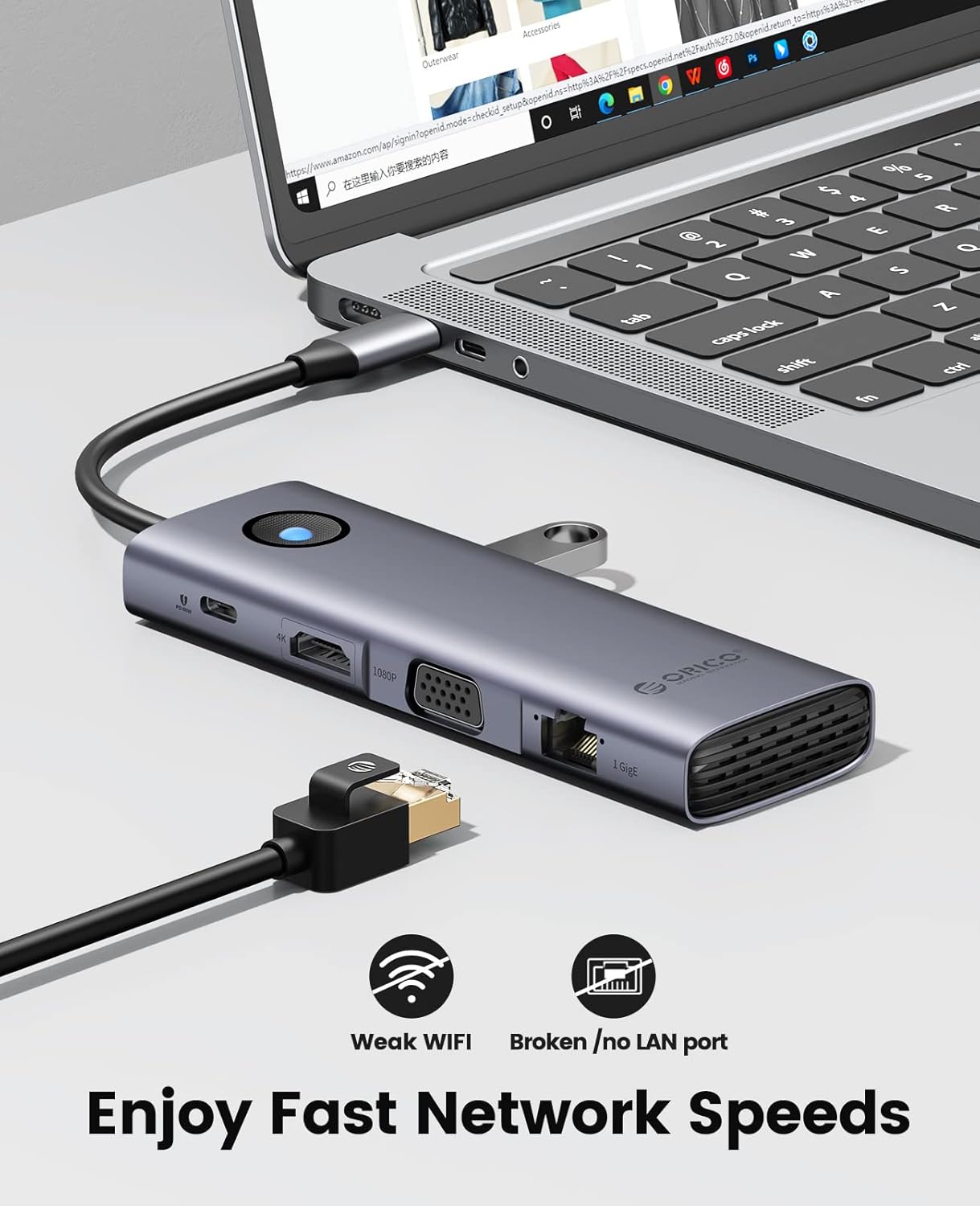
Figure 5.3: Establishing a fast wired network connection.
5.4 Power Delivery (PD 100W)
Connect your laptop's original USB-C power adapter to the docking station's USB-C PD port. This allows you to charge your host device while simultaneously using all other ports on the docking station.
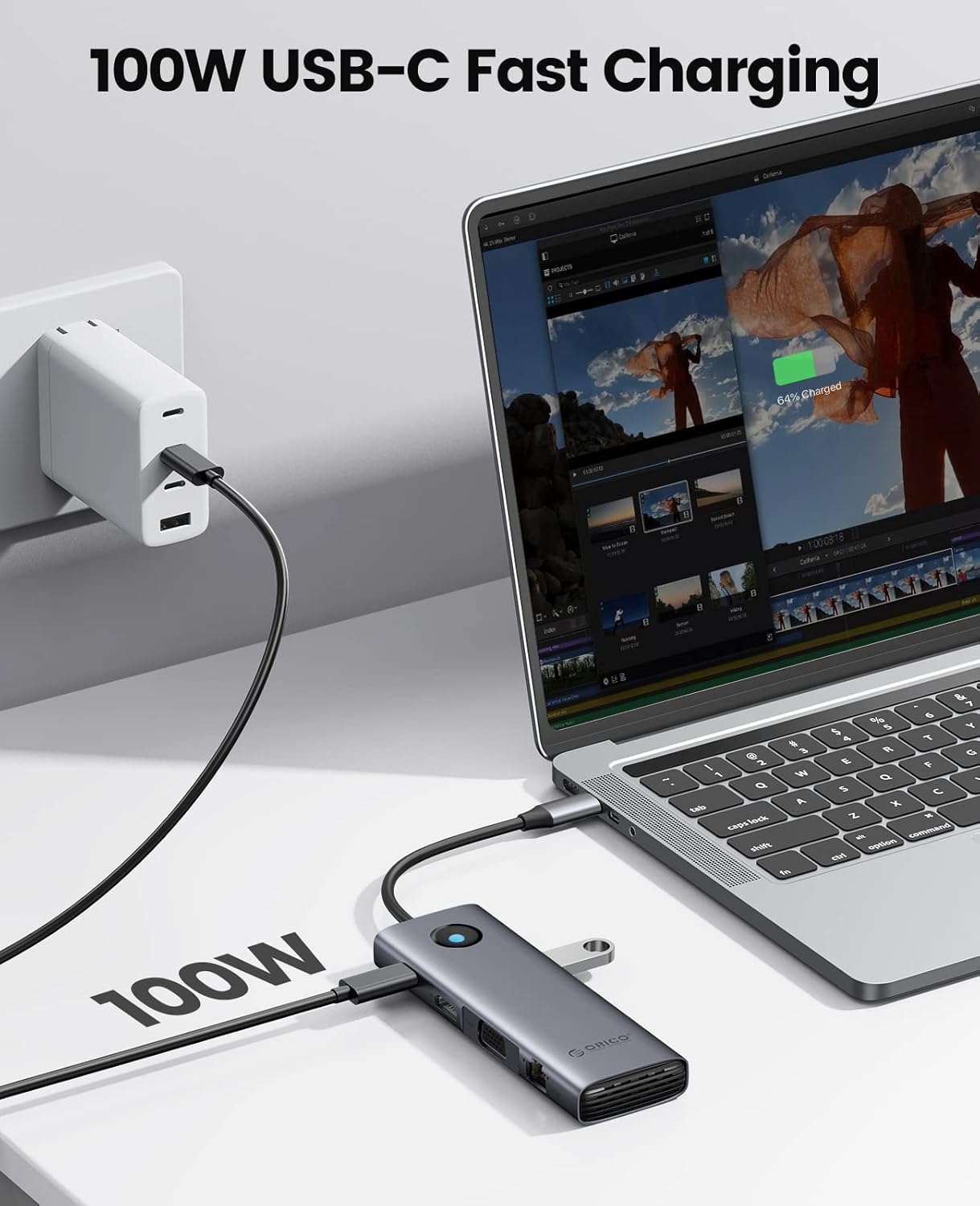
Figure 5.4: Charging a laptop through the docking station's PD port.
5.5 SD/TF Card Reader
Insert your SD or Micro SD (TF) cards into the corresponding slots to access data. Both card readers can be used simultaneously for convenient file management.
6. Maintenance
- Keep the docking station clean and free from dust. Use a soft, dry cloth for cleaning.
- Avoid exposing the device to extreme temperatures, direct sunlight, or humid environments.
- Do not disassemble or attempt to repair the device yourself. This may void the warranty and cause damage.
- Disconnect the docking station from your host device when not in use for extended periods.
7. Troubleshooting
- No Display Output:
- Ensure your host device's USB-C port supports DisplayPort Alt Mode. Refer to your device's manual.
- Check all cable connections (USB-C to host, HDMI/VGA to monitor).
- Verify the external monitor is set to the correct input source (HDMI/VGA).
- Try restarting your host device.
- No Network Connection:
- Ensure the Ethernet cable is securely connected to both the docking station and your router/modem.
- Check your network settings on your host device.
- Verify that your router/modem is functioning correctly.
- USB Devices Not Recognized:
- Ensure the docking station is properly connected to your host device.
- Try connecting the USB device directly to your host device to confirm it works.
- If using high-power USB devices, ensure a power adapter is connected to the docking station's PD port.
- Charging Not Working:
- Ensure your USB-C power adapter is connected to the docking station's PD port and is capable of providing sufficient power (up to 100W).
- Verify your host device supports USB-C Power Delivery.
- SD/TF Card Not Detected:
- Ensure the card is fully inserted into the correct slot.
- Try the card in another device to confirm it is not damaged.
- Check your host device's file explorer or disk management for the card.
8. Specifications
| Brand | ORICO |
| Model | ORICO-PW11-9P-GY-EP-US |
| Ports | 1x HDMI, 1x VGA, 3x USB 3.0, 1x USB-C PD, 1x Gigabit Ethernet, 1x SD, 1x Micro SD |
| HDMI Resolution | Up to 4K@30Hz |
| VGA Resolution | Up to 1080P |
| USB 3.0 Data Transfer Rate | Up to 5Gbps |
| Ethernet Speed | 10/100/1000Mbps |
| USB-C PD Power | Up to 100W |
| Compatible OS | Mac OS 9, Windows 10, Windows 7 (and newer versions) |
| Material | Plastic |
| Dimensions | 18.49 x 6.6 x 1.9 cm |
| Weight | 118 g |
9. Warranty and Support
ORICO products typically come with a standard manufacturer's warranty. For specific warranty details, please refer to the warranty card included with your product or visit the official ORICO website. If you encounter any issues or require technical assistance, please contact ORICO customer support through their official channels or the retailer from whom you purchased the product.


