1. Introduction
This manual provides essential information for the proper installation, operation, and maintenance of the All States Baler Starter Flap Belt, Model 128006. This component is designed as a replacement part for specific agricultural baler models to ensure efficient baling operations. Please read these instructions carefully before attempting any installation or maintenance procedures.
2. Product Overview
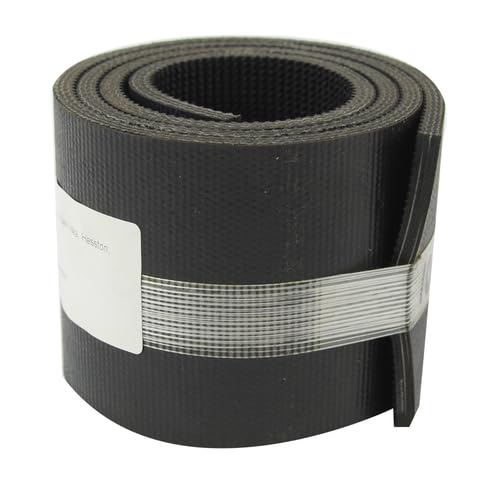
Figure 1: The All States Baler Starter Flap Belt, rolled for packaging. This belt features a 3-ply mini rough top construction, designed for durability and effective material handling within a baler.
The All States Baler Starter Flap Belt is a critical component in agricultural balers, responsible for initiating the baling process by guiding crop material into the bale chamber. Its robust 3-ply mini rough top construction ensures reliable performance and longevity under demanding agricultural conditions.
3. Compatibility
This Baler Starter Flap Belt (Model 128006) is compatible with the following baler models:
- Case IH Baler(s): RS451
- Challenger Baler(s): RB44, RB46
- Hesston Baler(s): 845, 846, 945, 946
- New Idea Baler(s): 6345, 6364
It replaces manufacturer part numbers 1005824 and 700716010.
4. Specifications
| Feature | Detail |
|---|---|
| Model Number | 128006 |
| Dimensions | 3.5" (width) x 43.31" (length) |
| Construction | 3 Ply Mini Rough Top |
| Weight | Approximately 3 pounds |
| Manufacturer | All States |
5. Installation
Installation of the Baler Starter Flap Belt should only be performed by qualified personnel with experience in agricultural machinery maintenance. Always refer to your specific baler's service manual for detailed, model-specific instructions and safety precautions.
Safety Precautions:
- Disconnect Power: Ensure the baler's engine is off and the ignition key is removed. Disconnect all power sources before beginning any work.
- Engage Safety Locks: Use all available safety locks and stands to prevent accidental movement of machinery parts.
- Wear Protective Gear: Always wear appropriate personal protective equipment (PPE), including gloves and eye protection.
- Consult Manual: Refer to your baler's original equipment manufacturer (OEM) manual for precise installation steps and torque specifications.
General Installation Steps (Consult OEM Manual for Specifics):
- Access the Baler Mechanism: Open the necessary guards and access panels to reach the starter flap belt assembly.
- Relieve Tension: Locate and relieve tension on the existing belt system, typically involving idler pulleys or tensioning mechanisms.
- Remove Old Belt: Carefully remove the worn or damaged starter flap belt. Inspect surrounding components for wear or damage.
- Install New Belt: Route the new All States Baler Starter Flap Belt (Model 128006) according to the baler's design. Ensure it is correctly seated on all pulleys and guides.
- Apply Tension: Re-tension the belt system to the specifications outlined in your baler's OEM manual. Incorrect tension can lead to premature wear or operational issues.
- Secure Components: Reinstall all guards and access panels.
- Test Operation: Before full operation, perform a slow, controlled test run to ensure the belt functions correctly and without interference.
6. Maintenance
Regular maintenance extends the life of your baler components and ensures optimal performance. Follow these general guidelines:
- Daily Inspection: Before each use, visually inspect the belt for signs of wear, cracks, fraying, or damage. Check for proper tension.
- Cleanliness: Keep the belt and surrounding areas free from crop debris, dirt, and other foreign materials that can cause abrasion or slippage.
- Tension Check: Periodically check and adjust belt tension as recommended in your baler's OEM manual. Over-tensioning or under-tensioning can lead to problems.
- Storage: When not in use for extended periods, store the baler in a dry, protected environment to prevent degradation of rubber components due to UV exposure or extreme temperatures.
- Replacement: Replace the belt immediately if significant wear or damage is observed to prevent operational failures and potential damage to other baler components.
7. Troubleshooting
This section addresses common issues related to baler starter flap belts. For complex problems, consult a qualified service technician or your baler's OEM manual.
| Problem | Possible Cause | Solution |
|---|---|---|
| Belt Slippage | Incorrect tension, worn belt surface, debris on pulleys. | Adjust tension, clean pulleys, replace worn belt. |
| Premature Belt Wear | Misalignment, excessive tension, abrasive material, worn pulleys. | Check alignment, adjust tension, ensure clean operation, inspect and replace worn pulleys. |
| Baler Not Starting Bales Properly | Damaged or worn starter flap belt, incorrect belt tension, other baler mechanism issues. | Inspect and replace starter flap belt if damaged, verify correct belt tension, consult baler manual for other potential causes. |
8. Warranty and Support
For specific warranty information regarding your All States Baler Starter Flap Belt, please refer to the product packaging or contact your authorized dealer. For technical support or further assistance, please reach out to the manufacturer or your product supplier.
Note: This manual provides general guidance. Always prioritize the safety instructions and procedures outlined in your specific baler's original equipment manufacturer (OEM) manual.


