1. Introduction
This manual provides essential information for the installation, operation, and maintenance of your TANG Voltage Regulator Rectifier. This component is designed to regulate the voltage output from your engine's charging system, ensuring stable power delivery to your battery and electrical components. Please read these instructions carefully before installation and use.

Image 1.1: Top view of the TANG Voltage Regulator Rectifier.
2. Product Features
- Exact OEM Standard: Manufactured and tested to meet original equipment manufacturer (OEM) standards, ensuring optimal performance and reliability.
- Quality Material: Constructed with durable materials for long-lasting operation.
- Easy Installation: Designed for straightforward replacement, though professional installation is recommended.
- Pre-tested: Each unit is 100% tested before shipping and requires no adjustment upon installation.
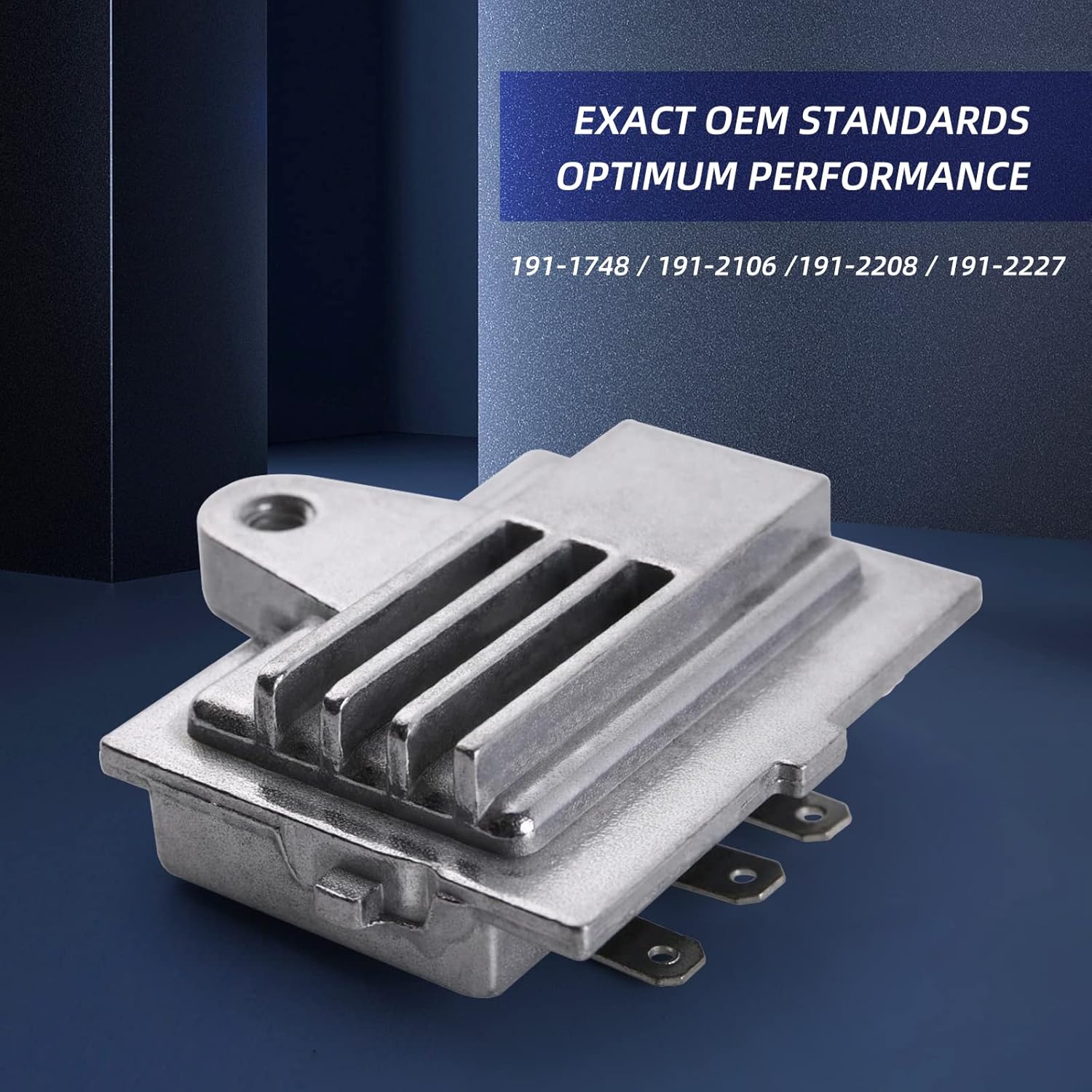
Image 2.1: The voltage regulator rectifier, emphasizing its adherence to OEM standards and quality construction.
3. Compatibility
This voltage regulator rectifier is compatible with a range of engines and equipment. Please verify your existing part number and model before installation.
3.1 Replaces Part Numbers:
- ONAN: 191-1748, 191-2106, 191-2208, 191-2227
- JOHN DEERE: HE191-1748
- ARROWHEAD: AKH6003
- J & N: 230-22060
- STENS: 435-175
- WAI: TRR2277
3.2 Compatible Models:
- Onan P-Series engines: 16 HP, 17 HP, 18 HP, 19 HP, 20 HP (20 amp rating)
- Wheel Horse Onan: P216G, P218G, P220G
- John Deere: 318-420 with Onan engines


Image 3.1: Examples of compatible part numbers (191-1748 and 191-2106) on the unit.
4. Specifications
| Attribute | Value |
|---|---|
| Brand | TANG |
| Model | 191-2106 |
| Item Weight | 3.13 ounces |
| Product Dimensions | 2.76 x 1.18 x 0.79 inches |
| Exterior | Polished |
| Manufacturer Part Number | 191-2227 |
| Item Model Number | 191-1748 |

Image 4.1: Detailed view of the voltage regulator rectifier, showing its physical dimensions.
5. Setup and Installation
Proper installation is crucial for the correct function and longevity of the voltage regulator rectifier. While designed for easy replacement, professional installation is highly recommended.
- Safety First: Disconnect the battery before beginning any electrical work on your engine or equipment to prevent electrical shock or damage.
- Locate Existing Unit: Identify the old voltage regulator rectifier on your engine. It is typically mounted near the engine or charging system components.
- Compare Units: Before removal, carefully compare the new TANG unit with your existing unit. Pay attention to mounting points, connector types, and overall dimensions to ensure a proper fit.
- Disconnect Wiring: Carefully disconnect the electrical connectors from the old unit. Note the orientation and connection points if necessary.
- Remove Old Unit: Unbolt or unmount the old voltage regulator rectifier.
- Install New Unit: Mount the new TANG voltage regulator rectifier in the same location and orientation as the old unit. Secure it firmly.
- Connect Wiring: Reconnect the electrical connectors to the new unit. Ensure all connections are secure and correctly oriented.
- Reconnect Battery: Once the installation is complete and all connections are verified, reconnect the battery.
- Test System: Start the engine and check the charging system's voltage output to confirm proper operation.

Image 5.1: Example of the voltage regulator rectifier being installed on an engine.
Video 5.1: An overview of the TANG Voltage Regulator Rectifier, demonstrating its physical characteristics and potential application.
6. Operating Instructions
The TANG Voltage Regulator Rectifier operates automatically once installed correctly. Its primary function is to convert the alternating current (AC) generated by the engine's stator into direct current (DC) and regulate this DC voltage to a stable level (typically around 13.5-14.5 volts) for charging the battery and powering the vehicle's electrical system. No user intervention is required for its operation.
- Ensure the engine's charging system (stator, wiring) is in good working order for optimal performance of the rectifier.
- Monitor your battery voltage periodically to confirm proper charging.
7. Maintenance
The TANG Voltage Regulator Rectifier is a sealed unit and requires no internal maintenance. Regular inspection of the surrounding components is recommended.
- Visual Inspection: Periodically check the unit and its wiring for any signs of damage, corrosion, or loose connections.
- Cleanliness: Keep the unit free from excessive dirt, debris, and moisture to ensure proper heat dissipation.
- Cooling Fins: Ensure the cooling fins (if present) are not obstructed, as they help dissipate heat generated during operation.
8. Troubleshooting
If you experience issues with your charging system, consider the following troubleshooting steps. Always consult a professional mechanic if you are unsure about any diagnostic or repair procedures.
- Battery Not Charging:
- Check all wiring connections to the rectifier and battery for looseness or corrosion.
- Test the battery to ensure it can hold a charge.
- Test the stator output (AC voltage) to ensure it is generating power.
- If the stator is good and connections are secure, the rectifier may be faulty.
- Overcharging (Battery Boiling/Excessive Voltage):
- Immediately disconnect the battery to prevent damage.
- An overcharging condition typically indicates a faulty voltage regulator rectifier.
- Intermittent Charging:
- Inspect wiring for frayed insulation or intermittent shorts.
- Check for loose internal connections within the electrical system.
9. Warranty and Support
TANG stands behind the quality of its products.
- Risk-Free Trial: We offer a replacement or refund if the voltage regulator rectifier assembly has any issues within 365 days of purchase.
- Technical Support: If you have any questions regarding installation, compatibility, or performance, please contact our technical support team. We are committed to helping resolve your issues.


