
1. Introduction
This manual provides essential instructions for the safe and effective operation, maintenance, and troubleshooting of your INGCO HHCT0170 Hydraulic Crimping Tool. Please read this manual thoroughly before using the tool to ensure proper function and to prevent injury or damage.
2. Safety Instructions
Always follow basic safety precautions when using this hydraulic crimping tool to reduce the risk of personal injury and damage to the equipment.
- Wear Personal Protective Equipment (PPE): Always wear safety glasses, gloves, and appropriate work attire to protect against potential hazards.
- Inspect Tool Before Use: Before each use, check the tool for any signs of damage, wear, or loose parts. Do not use a damaged tool.
- Ensure Work Area Safety: Keep the work area clean, well-lit, and free from obstructions. Ensure proper ventilation if working with chemicals.
- Proper Material Handling: Ensure the cable or lug to be crimped is clean, dry, and correctly sized for the selected dies.
- Avoid Over-Crimping: Do not apply excessive force or attempt to crimp materials beyond the tool's specified capacity.
- Keep Hands Clear: Always keep hands and fingers away from the crimping dies during operation to prevent pinching or crushing injuries.
- Store Safely: When not in use, store the tool in its protective case in a dry, secure location, out of reach of children.
- Hydraulic Fluid Safety: Handle hydraulic fluid with care. In case of skin contact, wash thoroughly with soap and water. If ingested or in eyes, seek immediate medical attention.
3. Product Components and Features
Familiarize yourself with the different parts of your INGCO HHCT0170 Hydraulic Crimping Tool for safe and efficient operation.

Image 3.1: Key components of the hydraulic crimping tool.
- Crimping Head ("C"-Head): The main body where the dies are inserted and crimping occurs.
- Crimping Die: Interchangeable inserts that form the crimp on the lug or cable.
- Oil Return Switch (OFF/ON): Controls the hydraulic pressure. Set to 'ON' for crimping, 'OFF' to release pressure and retract the ram.
- Hydraulic Oil Return Valve: Releases hydraulic pressure when the switch is set to 'OFF'.
- Screw: Secures the crimping head or other components.
- Active Handle: The movable handle used to pump and build hydraulic pressure.
- Fixed Handle: The stationary handle providing grip and stability during operation.
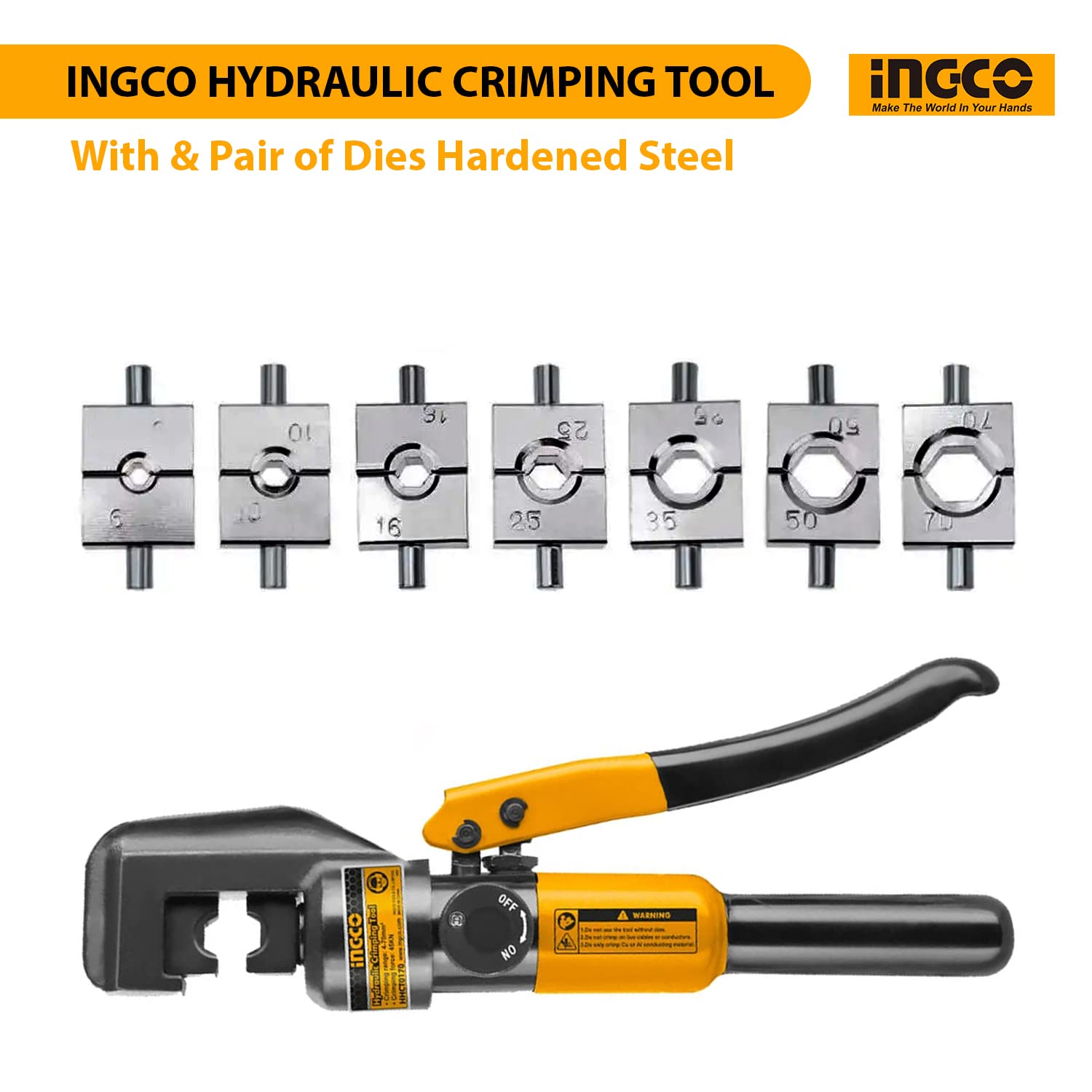
Image 3.2: Ergonomic design with spring return handle for comfortable, one-handed operation.
The tool features an ergonomic design with a spring return handle, allowing for comfortable and efficient one-handed operation, reducing user fatigue.
4. Setup
Before beginning any crimping task, ensure the tool is properly set up.
- Unpacking: Carefully remove the hydraulic crimping tool and all accessories from its protective case. Inspect for any shipping damage.
- Die Selection: Identify the correct crimping dies for the specific cable and lug size you intend to crimp. The tool comes with a pair of hardened steel dies for various sizes.
- Die Installation: Open the crimping head by rotating it or releasing any locking mechanism. Insert the selected dies into their respective slots in the crimping head. Ensure they are seated correctly and securely.
- Close Crimping Head: Close and secure the crimping head.
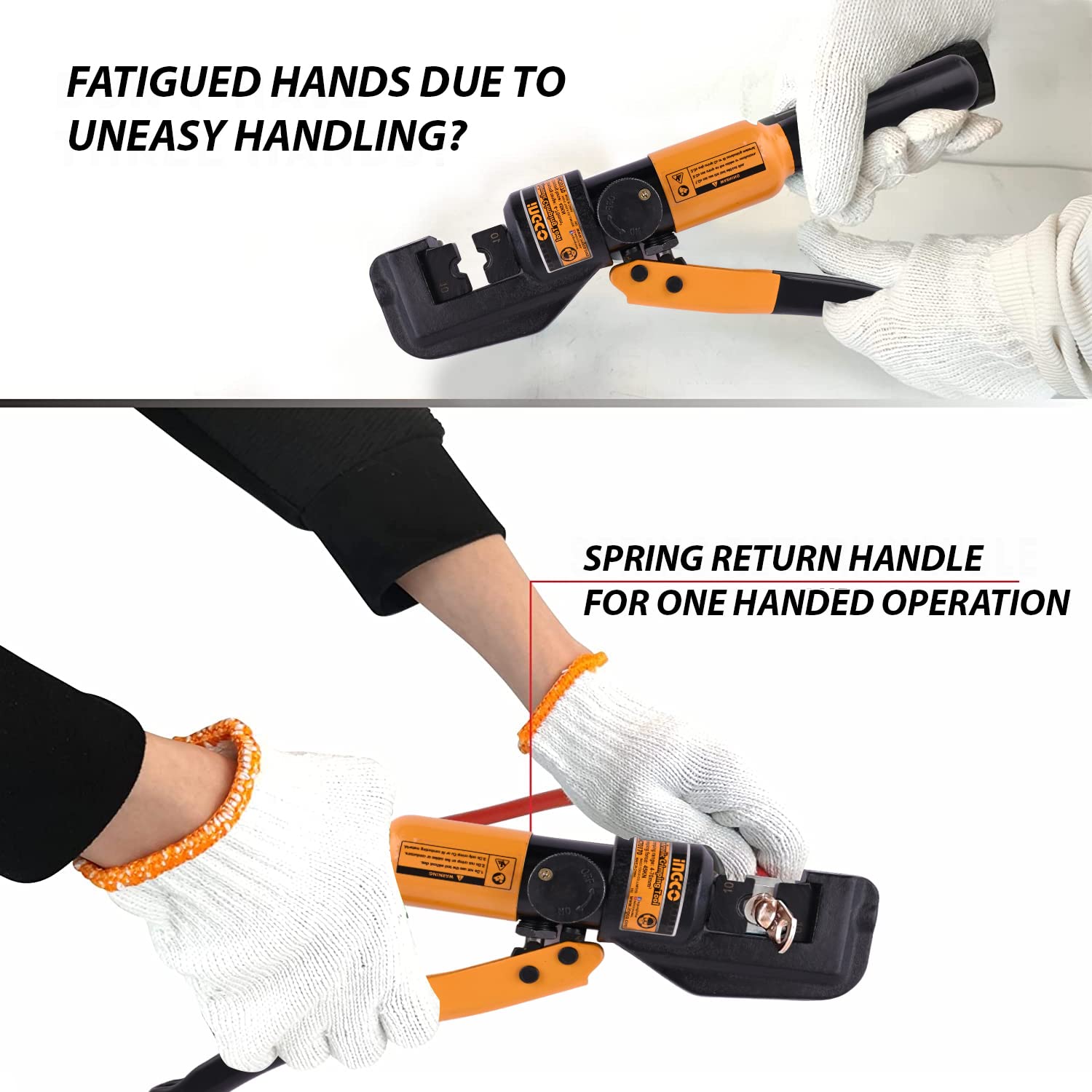
Image 4.1: The hydraulic crimping tool with its accompanying set of hardened steel dies.
5. Operating Instructions
Follow these steps for effective and safe crimping:
- Prepare Cable and Lug: Strip the insulation from the cable to the appropriate length for the lug. Insert the stripped cable into the lug.
- Position for Crimping: Place the cable lug between the installed crimping dies. Ensure the lug is centered and properly aligned within the dies.
- Set Oil Return Switch: Turn the Oil Return Switch to the 'ON' position to engage the hydraulic mechanism.
- Perform Crimping: Pump the Active Handle repeatedly. The dies will close, applying hydraulic pressure to crimp the lug onto the cable. Continue pumping until the dies meet or the crimp is complete according to industry standards. The tool provides 360-degree connector support during the crimping cycle for a secure connection.
- Release Pressure: Once the crimp is complete, turn the Oil Return Switch to the 'OFF' position. The hydraulic pressure will release, and the dies will retract.
- Remove Crimped Connection: Carefully remove the crimped cable and lug from the tool.
- Inspect Crimp: Visually inspect the crimped connection to ensure it is secure and properly formed.

Image 5.1: The tool offers 360-degree connector support for reliable crimps.
6. Maintenance
Regular maintenance ensures the longevity and optimal performance of your hydraulic crimping tool.
- Cleaning: After each use, wipe down the tool with a clean, dry cloth to remove any dirt, dust, or debris. Do not use harsh chemicals or solvents that could damage the tool's finish or seals.
- Lubrication: Periodically apply a light coat of machine oil to moving parts and pivot points to ensure smooth operation.
- Die Care: Keep the crimping dies clean and free from corrosion. Store them in their designated slots within the tool case.
- Hydraulic Oil Level: Check the hydraulic oil level periodically. If the level is low or the oil appears contaminated, consult a qualified technician for refilling or replacement. Use only recommended hydraulic oil.
- Storage: Store the tool in its original protective case in a dry, cool environment, away from direct sunlight and moisture. The compact and portable toolkit design facilitates easy storage and transport.

Image 6.1: The tool and its accessories stored in the compact and portable toolkit.
7. Troubleshooting
Refer to this section for common issues and their potential solutions.
| Problem | Possible Cause | Solution |
|---|---|---|
| Incomplete crimp or weak connection. | Incorrect die size; insufficient pumping; worn dies. | Ensure correct die size for cable/lug. Pump until dies meet. Replace worn dies. |
| Dies do not retract after crimping. | Oil Return Switch not in 'OFF' position; hydraulic oil issue. | Turn Oil Return Switch to 'OFF'. Check hydraulic oil level; if low or contaminated, consult technician. |
| Tool feels stiff or difficult to pump. | Lack of lubrication; low hydraulic oil; air in hydraulic system. | Lubricate moving parts. Check hydraulic oil level. Consult technician for air bleeding. |
| Oil leakage. | Damaged seals; loose fittings. | Stop use immediately. Consult a qualified technician for inspection and repair. |
8. Specifications
Detailed specifications for the INGCO HHCT0170 Hydraulic Crimping Tool.

Image 8.1: Product dimensions of the hydraulic crimping tool.
- Model: HHCT0170
- Brand: Ingco
- Color: Black
- Item Weight: 350 Grams
- Product Dimensions (Approximate): 12 inches (Length) x 11.5 inches (Width) x 5 inches (Height of head)
- Handle Material: Vinyl
- Grip Type: Ergonomic
- Included Components: Hydraulic crimping tool, set of hardened steel dies.
9. Warranty and Support
For warranty information, please refer to the documentation provided at the time of purchase or contact your retailer. For technical support or service inquiries, please reach out to the official Ingco customer service channels or your authorized dealer.