
1. Introduction
The HT-225B Portable Concrete Test Hammer is a precision instrument designed for non-destructive testing of concrete compressive strength. It adheres to international standards including GB/T9138-1988, JJG817-93, JGJ/T23-2011, and ASTM C 805. This device is primarily used for testing the compressive strength of building concrete components, bridges, and other concrete structures.
Key features of the HT-225B include:
- Accurate Testing: Engineered to provide reliable measurements of concrete strength, ensuring compliance with safety and quality standards.
- Ease of Use: Features a straightforward design for quick and efficient testing of concrete surfaces.
- Portability: Its compact and lightweight construction facilitates easy transportation and use across various environments, including construction sites and laboratories.
- Durable: Constructed from high-quality materials to ensure longevity and resilience even with frequent use. The center rod is made from imported material for high accuracy and durable resistance. The shell is made from high Aluminum or high polymer material to protect the instrument and extend its lifespan.
- Versatility: Capable of testing a wide range of concrete surfaces, including walls, floors, and beams, making it a valuable tool for diverse construction and testing projects.
2. Components and Packaging
Upon unboxing, verify that all components are present and undamaged. The standard package for the HT-225B Portable Concrete Test Hammer typically includes:
- HT-225B Concrete Test Hammer unit
- Protective carrying case
- Instruction Manual (this document)
- Ancillary accessories (e.g., grinding stone, orange cap)
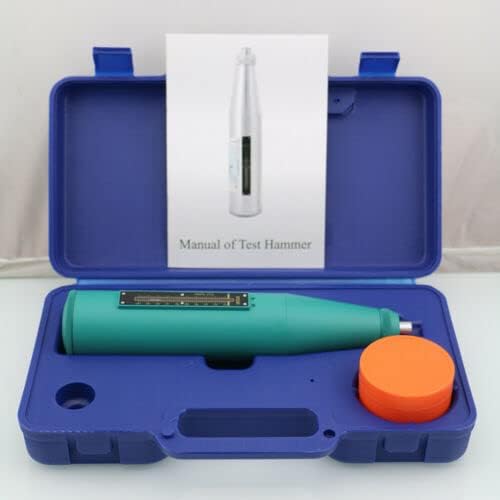
Figure 2.1: The HT-225B Concrete Test Hammer neatly stored within its protective blue carrying case, alongside its instruction manual and an orange accessory.

Figure 2.2: A detailed view of the HT-225B Concrete Test Hammer, highlighting its main body and measurement scale.
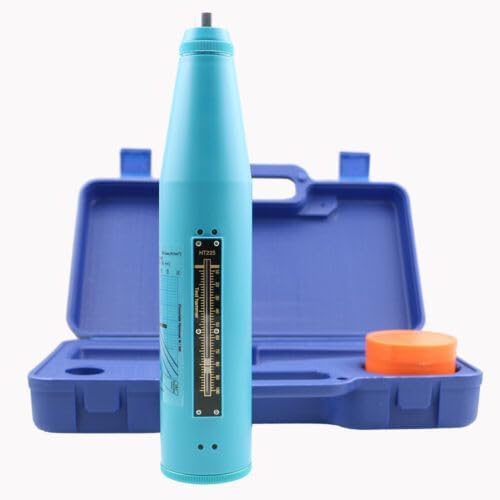
Figure 2.3: The HT-225B Concrete Test Hammer positioned in front of its open blue carrying case, showing the complete setup.
3. Setup
- Unpack the Instrument: Carefully remove the HT-225B test hammer and its accessories from the carrying case.
- Inspect for Damage: Before first use, visually inspect the instrument for any signs of physical damage that may have occurred during shipping. Ensure the pointer slider moves freely and the rebound pole is intact.
- Familiarize with Components: Identify the main body, the rebound pole, the pointer slider, and the measurement scale.
- Prepare Test Surface: The concrete surface to be tested should be smooth, clean, and dry. Remove any loose particles, plaster, or paint. If the surface is rough, it may need to be ground smooth using the provided grinding stone or an equivalent tool.
4. Operating Instructions
The HT-225B operates on the principle of rebound hardness. When the hammer strikes the concrete surface, the rebound distance of the hammer's mass is measured, which correlates to the concrete's compressive strength.
- Hold the Hammer: Hold the test hammer firmly with both hands, perpendicular to the concrete surface to be tested.
- Apply Pressure: Gradually apply pressure to the hammer against the concrete surface. The internal spring mechanism will compress until the hammer impacts the surface.
- Read the Rebound Value: After impact, the pointer slider will indicate the rebound value on the scale. This value should be read immediately before the pointer is reset.
- Reset the Pointer: Press the button or mechanism to reset the pointer for the next test.
- Perform Multiple Tests: For accurate results, perform multiple tests (typically 9-12 impacts) within a designated test area, ensuring each impact point is at least 25mm away from previous points and edges.
- Calculate Average: Discard any outlier readings (unusually high or low) and calculate the average of the remaining rebound values.
- Convert to Compressive Strength: Use the conversion curves or tables provided in the relevant standards (e.g., ASTM C 805, JGJ/T23-2011) to convert the average rebound value into compressive strength (Mpa). Factors such as the angle of impact and concrete age may need to be considered for correction.
The test range for this instrument is 10~60Mpa.
5. Maintenance
Proper maintenance ensures the longevity and accuracy of your HT-225B test hammer.
- Cleaning: After each use, wipe the instrument clean with a soft, dry cloth. Avoid using abrasive cleaners or solvents that could damage the casing or internal components.
- Storage: Store the test hammer in its protective carrying case in a dry, cool environment, away from direct sunlight and extreme temperatures.
- Calibration: Regular calibration is crucial for maintaining accuracy. It is recommended to have the instrument calibrated by a qualified service center annually or as per local regulations and usage frequency. The friction of the pointer slider can be balanced and adjusted to ensure accuracy.
- Impact Rod Inspection: Periodically inspect the tip of the impact rod for wear or damage. A worn tip can affect measurement accuracy.
6. Troubleshooting
If you encounter issues with your HT-225B test hammer, consider the following common problems and solutions:
- Inconsistent Readings:
- Ensure the test surface is clean, smooth, and dry.
- Verify that the hammer is held perpendicular to the surface during impact.
- Check for proper functioning of the pointer slider; adjust friction if necessary.
- Consider if the instrument requires calibration.
- Pointer Not Resetting:
- Check if the reset mechanism is obstructed or damaged.
- Ensure no debris is interfering with the pointer's movement.
- Physical Damage:
- If the casing or internal components are visibly damaged, discontinue use and contact customer support for repair or replacement.
For issues not resolved by these steps, please contact Canglan Technology customer support.
7. Specifications
| Parameter | Value |
|---|---|
| Test Range | 10~60 Mpa |
| Standard Impact Energy | 2.207 J |
| Stroke of Rebound Hammer | 75 mm |
| Friction of Pointer Slider | 0.5 N ~ 0.8 N |
| Sphere Radius of Rebound Pole (SR) | 25 mm ± 1 mm |
| Average Rebound Value on Steel Anvil (Rm) | 80 ± 2 |
| Size | Φ54 * 278 mm |
| Weight | ≈1 kg (2.2 pounds) |
| Manufacturer | Canglan Technology |
| Country of Origin | China |
| UPC | 752844629977 |
8. Warranty and Support
For information regarding warranty coverage, technical support, or service inquiries for your HT-225B Portable Concrete Test Hammer, please contact Canglan Technology directly. Refer to the product packaging or the official Canglan Technology website for the most current contact information.
Canglan Technology Store: Visit Store