
1. Introduction
The FLIPSKY Dual FSESC 4.20 Plus is an advanced electric speed controller (ESC) designed for a variety of electric vehicles, including electric skateboards, e-bikes, and longboards. This controller features an integrated anti-spark switch and an anodized aluminum heatsink for efficient heat dissipation. It is engineered to provide smooth startup for sensorless motors and offers strong, reliable, and progressive electric braking capabilities.
This manual provides essential information for the proper setup, operation, and maintenance of your Dual FSESC 4.20 Plus to ensure optimal performance and longevity.
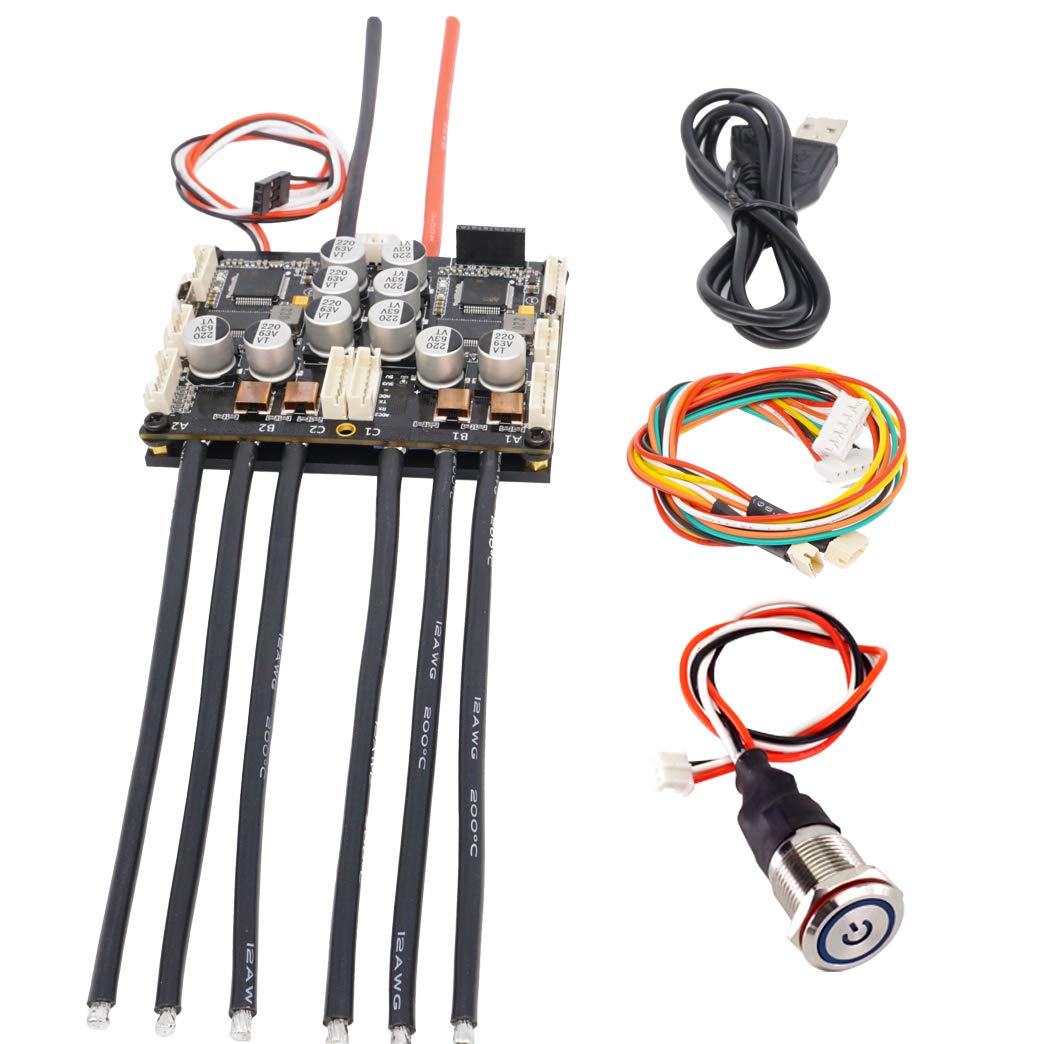
Image 1.1: The FLIPSKY Dual FSESC 4.20 Plus Electric Speed Controller.

Image 1.2: The FSESC 4.20 Plus is suitable for various electric vehicles including skateboards, scooters, and e-bikes.
2. What's in the Box
Upon unpacking, please verify that all the following components are included:
- 1 x Dual FSESC 4.20 Plus with Heatsink
- 2 x VESC Sensor Wires
- 1 x Micro USB Cable
- 1 x User Manual (this document)
- 1 x 16mm LED Button
3. Technical Specifications
The Dual FSESC 4.20 Plus is built with robust components to deliver high performance and reliability.

Image 3.1: Overview of the Dual FSESC 4.20 Plus highlighting its aluminum heatsink and continuous current rating.
| Feature | Specification |
|---|---|
| Hardware Version | V4.20 |
| ERPM | 60000 |
| Firmware | 3.40 (Upgradable) |
| Continuous Current (Single) | 50A |
| Continuous Current (Dual) | 100A |
| Burst Current (Single) | 150A |
| Burst Current (Dual) | 300A |
| Voltage Range | 8V-60V (3-13S LiPo) |
| BEC Output | 5V@1.5A (Internal driver support) |
| Supported Modes | DC, BLDC, FOC (sinusoidal) |
| Timing | Software calibration |
| Cutoff Voltage | Programmable |
| Frequency | PWM input |
| Reverse Function | Yes |
| Regenerative Braking | Yes |
| Dimensions (with heatsink) | 64 x 84 x 20.5mm |
| PCB Layers | 6 |
| Mosfet Quantity | 30 (NTMFS5C628NL) |

Image 3.2: Physical dimensions of the Dual FSESC 4.20 Plus, showing length, width, and height.

Image 3.3: Bottom view of the Dual FSESC 4.20 Plus, showing the heatsink plate.
4. Setup and Installation
Careful installation and correct wiring are crucial for the safe and proper functioning of the ESC. Please follow these guidelines:
4.1. Wiring Connections
- Motor Connections: Connect your motors to the appropriate outputs on the ESC. Ensure phase wires are correctly matched.
- Battery Connection: Connect your battery to the main power input. Verify polarity before connecting.
- Sensor Wires: If using sensored motors, connect the VESC sensor wires to the designated sensor ports on the ESC.
- LED Button: The integrated anti-spark switch requires the 16mm LED button to be connected. DO NOT power on the switch without the LED button connected.
- Micro USB: Use the Micro USB cable to connect the ESC to your computer for configuration.

Image 4.1: Detailed wiring diagram showing connections for battery, motors, USB, and other peripherals.

Image 4.2: Top view of the ESC with power and motor wires connected.

Image 4.3: Angled view of the ESC, illustrating the various connection points for motors and power.
4.2. Initial Configuration
The ESC comes pre-tested, but optimal performance requires configuration specific to your motor and battery setup. Use the ESC BLDC Tool software on your computer for this purpose.
- Connect the ESC to your computer via the Micro USB cable.
- Launch the ESC BLDC Tool software.
- Follow the software's instructions to detect and configure your motors and battery parameters.
- Adjust settings such as motor current limits, battery voltage cutoffs, and braking parameters as needed.
5. Operating the ESC
The Dual FSESC 4.20 Plus offers versatile operating modes and advanced protection features.
5.1. Operating Modes
The ESC supports DC, BLDC, and FOC (Field Oriented Control) modes. FOC mode is recommended for its smoother operation, reduced motor noise, and improved power efficiency. You can select and fine-tune these modes using the ESC BLDC Tool.
5.2. Protection Features
The ESC includes adjustable protection against:
- High input voltage
- High motor current
- High input current
- High regenerative braking current (separate limits for motor and input)
- Rapid duty cycle changes (ramping)
These protections can be configured via the ESC BLDC Tool to safeguard your system from potential damage.
5.3. Product Demonstration Videos
Video 5.1: Demonstration of an electric skateboard powered by a FLIPSKY ESC, showcasing its performance and control.
Video 5.2: Overview of the Dual V4.20 Plus, highlighting its features and components.
6. Maintenance
To ensure the longevity and reliable performance of your FLIPSKY Dual FSESC 4.20 Plus, follow these maintenance recommendations:
- Regular Inspection: Periodically check all electrical connections for tightness and signs of wear or damage. Loose connections can lead to intermittent operation or component failure.
- Cleanliness: Keep the ESC and its heatsink free from dust, dirt, and debris. A clean heatsink ensures optimal thermal performance and prevents overheating. Use a soft brush or compressed air for cleaning.
- Storage: When not in use, store the ESC in a dry, cool environment, away from direct sunlight and extreme temperatures. Avoid environments with high humidity or corrosive substances.
- Firmware Updates: Regularly check the official FLIPSKY website for the latest firmware updates. Keeping your firmware up-to-date can improve performance, add new features, and resolve potential issues.
7. Troubleshooting
If you encounter issues with your Dual FSESC 4.20 Plus, consider the following troubleshooting steps:
7.1. Device Not Powering On
- LED Button Connection: Ensure the 16mm LED button is securely connected to the anti-spark switch. The ESC will not power on if this button is disconnected.
- Battery Connection: Verify that the battery is correctly connected and fully charged. Check for proper polarity.
- Wiring Integrity: Inspect all power wires for any breaks, shorts, or loose connections.
7.2. Motor Not Responding or Irregular Operation
- Motor Phase Wires: Double-check that the motor phase wires are correctly connected to the ESC. Incorrect connections can cause erratic motor behavior.
- Sensor Wires: If using sensored motors, ensure the sensor wires are properly connected and undamaged.
- ESC BLDC Tool Configuration: Reconnect the ESC to your computer and review your motor and battery settings in the ESC BLDC Tool. Incorrect configuration (e.g., ERPM limits, current limits) can prevent proper operation.
- Current and Voltage Limits: Ensure that the current and voltage supplied to the ESC are within its specified operating range and not exceeding the configured limits.
7.3. Firmware Update Issues
If you experience difficulties during firmware updates (e.g., stalling, looping), ensure you have a stable USB connection and are using the correct version of the ESC BLDC Tool. Follow the software's instructions precisely. If the issue persists, try a different USB port or cable.
7.4. General Malfunction
If the ESC cannot be used normally after checking the above points, please record a video demonstrating the problem. This video will be helpful for customer support to diagnose the issue efficiently.
8. Warranty and Support
8.1. Warranty Information
The FLIPSKY Dual FSESC 4.20 Plus comes with a 2-month warranty from the date of purchase. This warranty covers manufacturing defects under normal use. Please retain your proof of purchase for warranty claims.
8.2. Customer Support
For any questions, technical assistance, or warranty inquiries, please do not hesitate to contact FLIPSKY customer support. We are committed to providing support and aim to respond to all inquiries within 24 hours.
Contact information can typically be found on the official FLIPSKY website or through your purchase platform.


