
1. General Information (GI)
This manual provides detailed maintenance and repair procedures for Nissan Patrol Y60 GQ models produced between 1988 and 1997. To ensure your safety and the efficient functioning of the vehicle, it is crucial to read this manual thoroughly before attempting any repair tasks. Special attention must be paid to the PRECAUTIONS outlined in this section.
All information contained herein is based on the latest product data available at the time of publication. The manufacturer reserves the right to implement changes in specifications and methods without prior notice.
Safety Precautions
- Always wear appropriate personal protective equipment (PPE) such as safety glasses, gloves, and protective clothing.
- Ensure the vehicle is properly supported on jack stands before working underneath it.
- Disconnect the battery's negative terminal before performing any electrical work.
- Allow hot engine components to cool down before servicing.
- Use only specified tools and equipment for each procedure.
- Refer to the specific sections for detailed safety warnings related to each system.
2. How to Use This Manual
This manual is organized into distinct sections, each focusing on a specific system or component of the Nissan Patrol Y60. Each section begins with a general description, followed by detailed inspection, adjustment, removal, installation, and repair procedures.
- Section Headings: Each major system is identified by a two-letter code (e.g., GI for General Information, MA for Maintenance).
- Illustrations: Diagrams and photographs are provided to clarify procedures and component locations.
- Specifications: Torque values, fluid capacities, and other critical specifications are listed within relevant sections.
- Warnings and Cautions: Pay close attention to WARNINGs (indicating potential for personal injury) and CAUTIONs (indicating potential for vehicle damage).
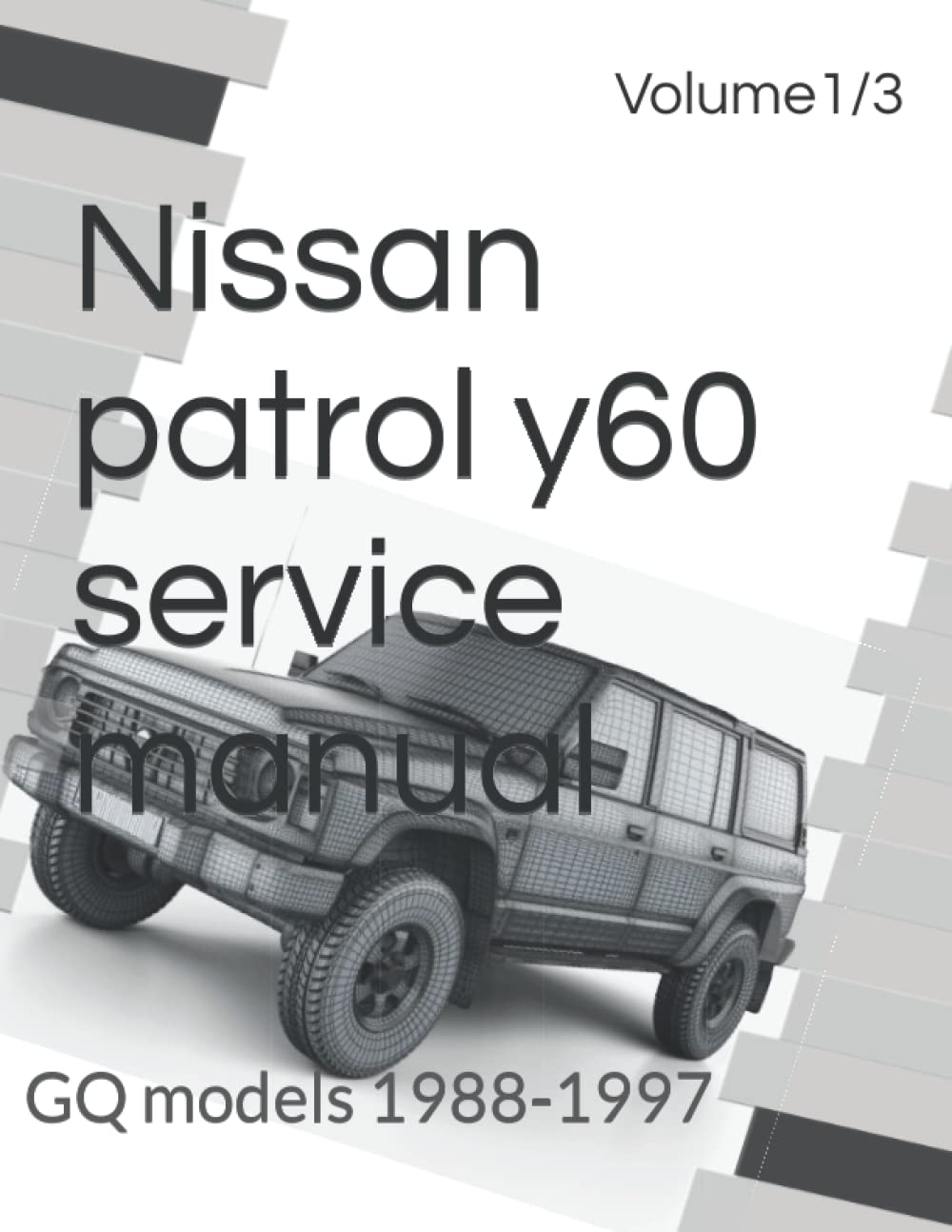
Figure 2.1: Front cover of the Nissan Patrol Y60 GQ Models Service Manual. This image displays the manual's title and a graphic representation of the vehicle, indicating the scope of the repair and maintenance information contained within.
3. General Repair Procedures
Before commencing any repair, ensure you have the correct tools and replacement parts. Always clean the work area and components thoroughly. Follow the steps outlined in each procedure precisely. When tightening fasteners, use a torque wrench to achieve the specified torque values to prevent damage or loosening.
- Disassembly: Note the order of disassembly and keep parts organized to facilitate reassembly.
- Inspection: Thoroughly inspect all removed components for wear, damage, or corrosion. Replace parts as necessary.
- Cleaning: Clean mating surfaces and threads before reassembly.
- Reassembly: Reassemble components in the reverse order of disassembly, applying lubricants or sealants as specified.
- Final Checks: After completing a repair, perform all necessary adjustments and functional checks.
4. Maintenance (MA)
Regular maintenance is essential for the longevity and reliable operation of your Nissan Patrol Y60. This section details scheduled maintenance tasks, including fluid checks and changes, filter replacements, and general inspections.
Scheduled Maintenance Items:
- Engine oil and filter replacement
- Air filter inspection and replacement
- Fuel filter replacement
- Coolant level and condition check
- Brake fluid level and condition check
- Power steering fluid level check
- Transmission fluid level and condition check
- Differential and transfer case oil checks
- Tire rotation and pressure adjustment
- Brake system inspection (pads, rotors, lines)
- Suspension and steering component inspection
5. Engine Mechanical (EM)
This section covers the mechanical aspects of the engine, including cylinder head, engine block, crankshaft, pistons, connecting rods, and valve train components. It provides procedures for disassembly, inspection, repair, and reassembly of these critical engine parts.
Key Procedures:
- Cylinder head removal and installation
- Valve clearance adjustment
- Timing chain/belt inspection and replacement
- Piston and connecting rod removal/installation
- Crankshaft inspection and bearing replacement
- Engine block inspection and repair
6. Engine Lubrication & Cooling System (LC)
Proper lubrication and cooling are vital for engine health. This section details the components and service procedures for the engine's oiling and cooling systems, including the oil pump, oil cooler, radiator, water pump, and thermostat.
System Components:
- Oil pump inspection and replacement
- Oil pan removal and installation
- Radiator and cooling fan inspection
- Water pump replacement
- Thermostat testing and replacement
- Coolant flush and refill procedures
7. Engine Control System (EC)
The Engine Control System manages various engine functions for optimal performance and emissions. This section covers sensors, actuators, and the Engine Control Unit (ECU), providing diagnostic procedures and component testing methods.
Diagnostic Focus:
- Sensor testing (e.g., Crankshaft Position Sensor, Camshaft Position Sensor, Oxygen Sensor)
- Actuator inspection (e.g., Idle Air Control Valve, Fuel Injectors)
- ECU input/output signal checks
- Troubleshooting diagnostic trouble codes (DTCs)
8. Accelerator Control, Fuel & Exhaust System (FE)
This section details the components responsible for fuel delivery, combustion, and exhaust gas management. It includes information on the fuel tank, fuel pump, fuel lines, injectors, throttle body, and the exhaust system components.
System Coverage:
- Fuel pressure testing
- Fuel injector inspection and cleaning
- Throttle body cleaning and adjustment
- Exhaust manifold and catalytic converter inspection
- Muffler and exhaust pipe replacement
- Accelerator pedal and cable/sensor adjustment
9. Troubleshooting
This section provides general troubleshooting guidelines to help diagnose common vehicle issues. For specific diagnostic charts and procedures, refer to the relevant system sections (e.g., Engine Control System for engine performance issues).
General Diagnostic Steps:
- Verify the Complaint: Understand the exact symptoms and conditions under which they occur.
- Perform a Visual Inspection: Look for obvious signs of damage, loose connections, leaks, or unusual wear.
- Check for Diagnostic Trouble Codes (DTCs): Use a scan tool to retrieve any stored codes from the ECU.
- Consult the Manual: Refer to the appropriate section for specific diagnostic procedures related to the suspected system.
- Test Components: Perform electrical or mechanical tests on suspected components as outlined in the manual.
- Isolate the Problem: Systematically eliminate possibilities until the root cause is identified.
- Verify the Repair: After repair, confirm that the original symptom is resolved and no new issues have arisen.
10. Specifications
This section provides general specifications relevant to the Nissan Patrol Y60 GQ models (1988-1997). Detailed specifications for individual components (e.g., torque values, clearances) are provided within their respective repair sections.
| Attribute | Value |
|---|---|
| ASIN | B0B5PDWLYF |
| Publisher | Independently published |
| Publication Date | June 29, 2022 |
| Language | English |
| Print Length | 349 pages |
| Item Weight | 2.2 pounds |
| Dimensions | 8.5 x 0.79 x 11 inches |
11. Warranty Information
This service manual is provided "as is" for informational purposes. The publisher and author make no warranties, express or implied, regarding the accuracy or completeness of the information contained herein. While every effort has been made to ensure accuracy, errors or omissions may occur. The user assumes all risks associated with the use of this manual.
This manual does not provide a warranty for the vehicle itself or any parts installed using its instructions. Vehicle warranties are provided by the vehicle manufacturer or parts suppliers, if applicable.
12. Support and Further Assistance
For questions regarding the content of this manual, or for technical support related to its use, please refer to the publisher's contact information, if available, or consult reputable automotive forums and professional mechanics.
Always consult a certified Nissan service center for complex repairs or if you are unsure about any procedure. Official Nissan service bulletins and updated information may also be available through authorized dealerships.
For general automotive repair resources, consider visiting Nissan Owner Manuals or other trusted automotive repair websites.


